No Trailers found.
Self (archive footage)
Self
No overview available.
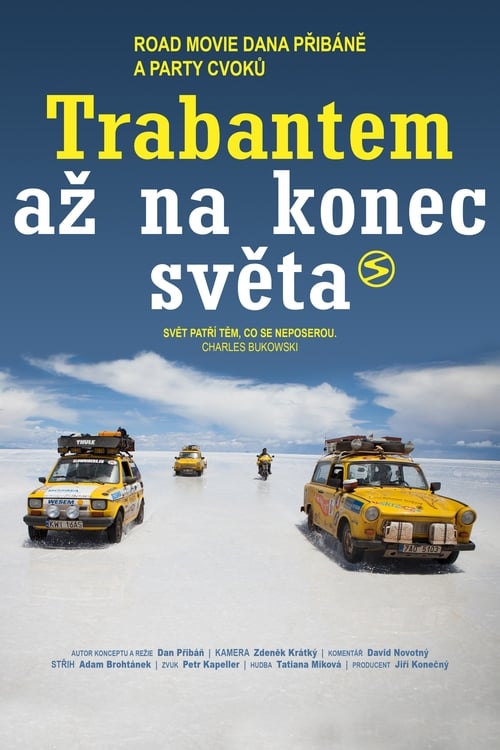
The third installment in Dan Přibáň's series of travel documentaries describes the author's journey with his friends across South America in vehicles that are often notorious but cult in their own way. The charming dynamics of the group on screen are further enhanced by the high-quality craftsmanship.
These are the first images shot in the ALN maquis, camera in hand, at the end of 1956 and in 1957. These war images taken in the Aurès-Nementchas are intended to be the basis of a dialogue between French and Algerians for peace in Algeria, by demonstrating the existence of an armed organization close to the people. Three versions of Algeria in Flames are produced: French, German and Arabic. From the end of the editing, the film circulates without any cuts throughout the world, except in France where the first screening takes place in the occupied Sorbonne in 1968. Certain images of the film have circulated and are found in films, in particular Algerian films. Because of the excitement caused by this film, he was forced to go into hiding for 25 months. After the declaration of independence, he founded the first Algerian Audiovisual Center.
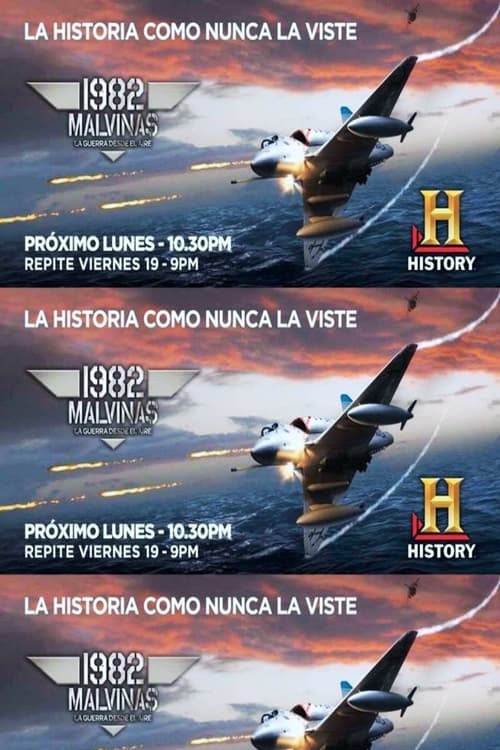
Documentary film about the then longest range bombing mission in history, which changed the outcome of the Falklands War.
A young working class Baltimore man spends 10 years on a single portrait, believing it is his means to fame and fortune. But he also believes that only one man can lead him there---the famous artist David Hockney. What happens when you finally meet the god of your own making?
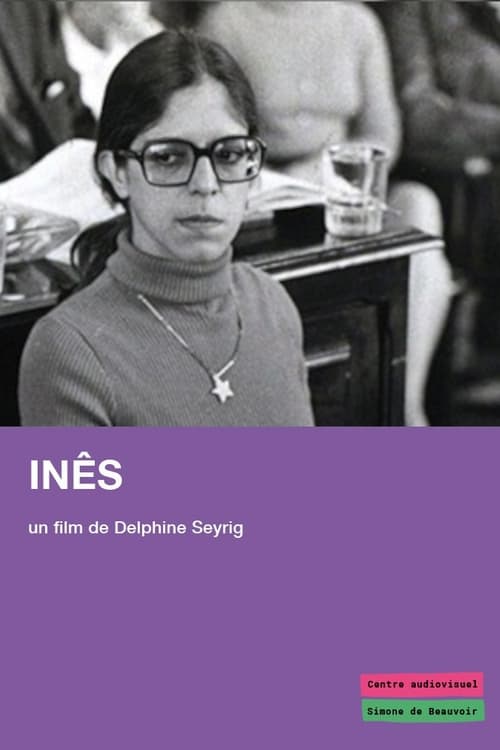
Inês Etienne Romeu was an opponent to the Brazilian's dictatorship. She was kidnapped, tortured and raped in jail, where she stayed for almost 100 days. She was later sentenced to life imprisonment. She stayed ten years in prison, from 1971 to 1979. Delphine Seyrig directed this film in 1974, when Inês was still in prison, protesting against this imprisonment and in support to Inês.
This documentary re-examines the story of the Red Orchestra: the most important resistance network in Nazi Germany, whose operations extended from Berlin and Brussels to Paris.
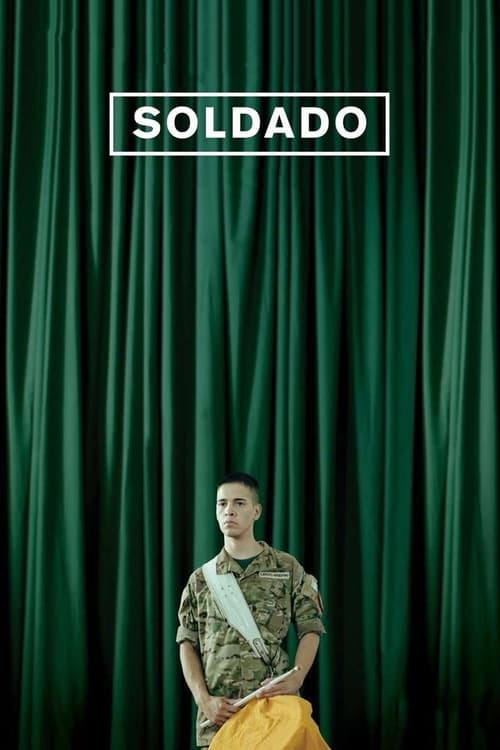
A young man decides to join the army. He becomes the drummer in the military band, and his everyday life is now a combination of military training and music. What does the Argentine Army do these days, more than thirty years after the dictatorship? What does it mean to be a soldier in a country without wars?
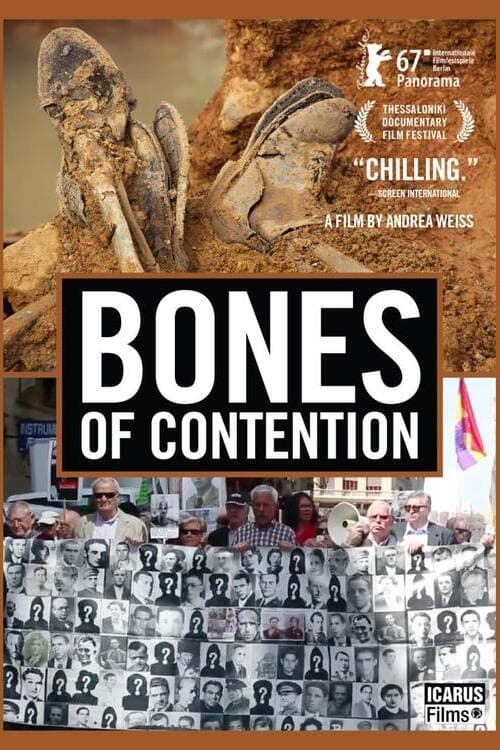
A history of the political and social repression carried out by the ruthless regime of Spanish dictator Francisco Franco between 1936 and 1975 that focuses on the lives of gays and lesbians during those dark years and the death of the Spanish gay poet Federico García Lorca.
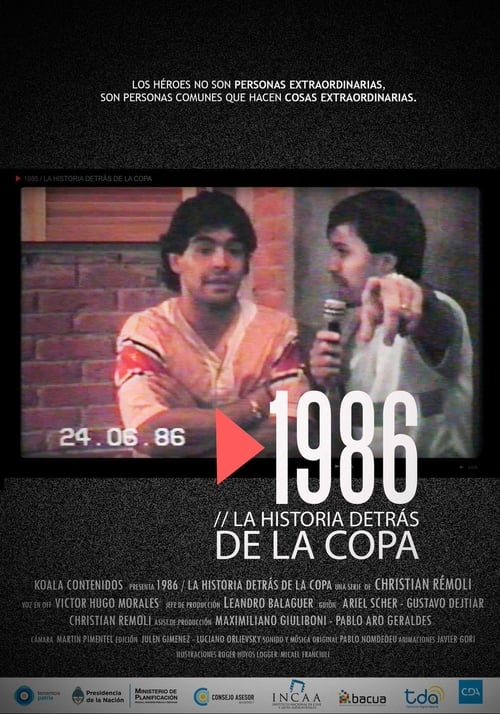
Anecdotes and testimonials about the performance of Argentina in the 1986 FIFA World Cup. The whole story behind the Cup.
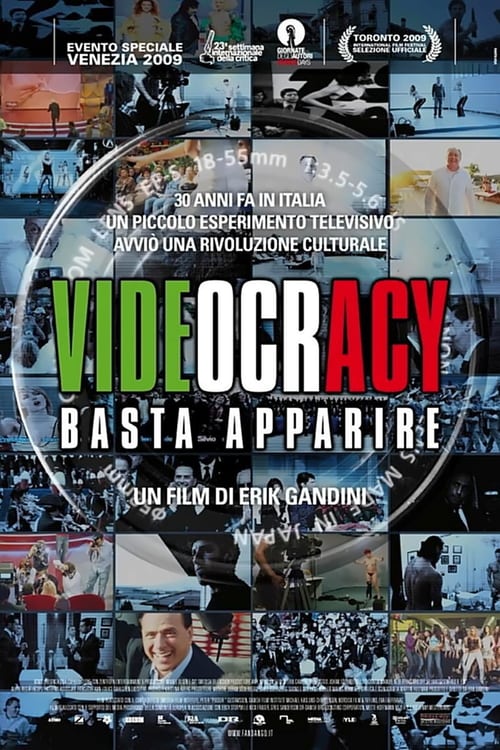
In a country where bella figura is a national pastime, Prime Minister Silvio Berlusconi is the maestro of media manipulation. Having risen to political primacy with the aid of his Mediaset empire, he now controls 90% of the bel paese’s television channels including the state-run RAI network. Quantity, it seems, does not equal quality. Fed on a diet of semi-naked dancing girls, inane competitions and rickety reality shows built around the most ridiculous of premises, is it any wonder that Italians are becoming a nation of fame-hungry wannabes?
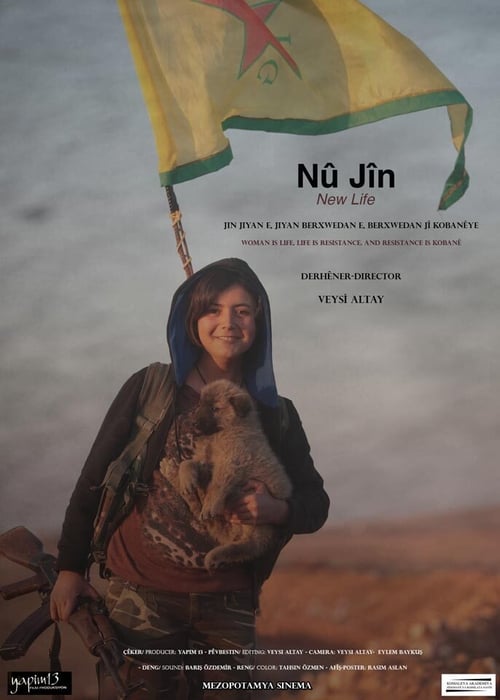
"Nû Jîn", New Life, with the slogan ' Woman is life. Life is resistance and resistance is Kobanê', depicts the daily life of women guerillas, Elif Kobanê (18), Vîyan Peyman and Arjîn, joining in the Women's Protection Units (YPJ) in their battle against ISIS. The documentary relates the ISIS assault of 15 September 2014 and the five-month resistance by the YPJ and People's Defense Units (YPG) through the lens of three women fighter
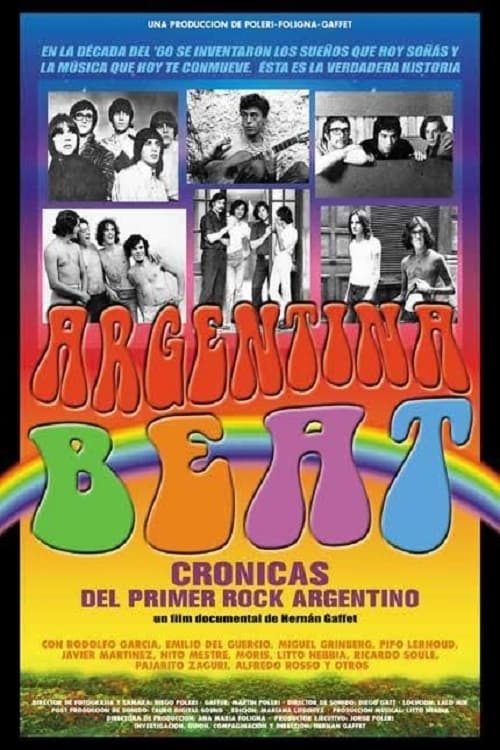
Through the second half of the 1960's the Beat movement and the first National Rock were the flagship of the youth, leaders as never before of a society in transformation. The formation of the first bands, the venues for concerts, the difficulties to sing rock in Spanish and interact with other artists create new ways to communicate previously unavailable. This documentary presents the story of these first pioneers of the Argentinean rock music.
The humorous portrait of a female artist. The film follows the career of 24-year-old Janine F. who in 2002 caused a commotion from the rooftop of a Berlin building.
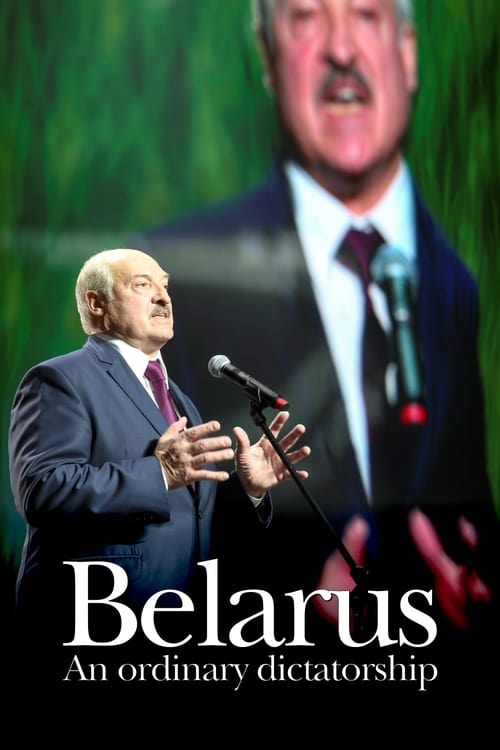
It’s the last dictatorship of Europe, caught in a Soviet time-warp, where the secret police is still called the KGB and the president rules by fear. Disappearances, political assassinations, waves of repression and mass arrests are all regular occurances. But while half of Belarus moves closer to Russia, the other half is trying to resist…
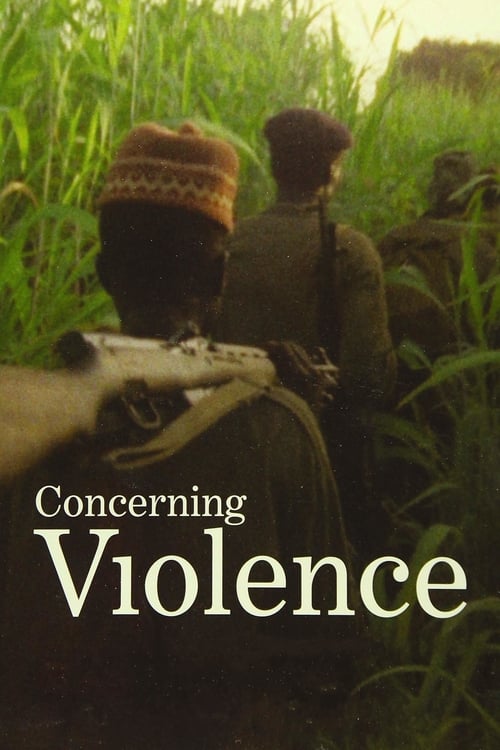
Based on powerful archival material documenting the most daring moments in the struggle for liberation in the Third World, this documentary is accompanied by classic text from The Wretched of the Earth by Frantz Fanon.
In Argentina, a woman dies every week as the result of illegal abortions. In 2018, for the seventh time, a motion supporting legal, secure and free abortion was presented to the national congress of Argentina. The project provoked a fierce debate, revealing a society divided more than ever between the pro-life and freedom to choose positions. Through an assemblage of passionate testimonies, Let It Be Law documents the determination of women fighting bravely to secure the right to physical self-determination, and bears witness to their massive mobilization in the streets of Buenos Aires.
Biographical portrait of the labor movement and left wing movement in Uruguay, "Conversations with Turiansky" combines two stories. The first portrays the son of immigrants, the engineer passionate about the mystery of electricity, the man in love, the movie buff. The other places the protagonist in his time: union struggles, the advance of authoritarianism, prison and the challenges of the present. In both are present the lucidity, commitment, discreet tenderness and humor of Wladimir Turiansky.
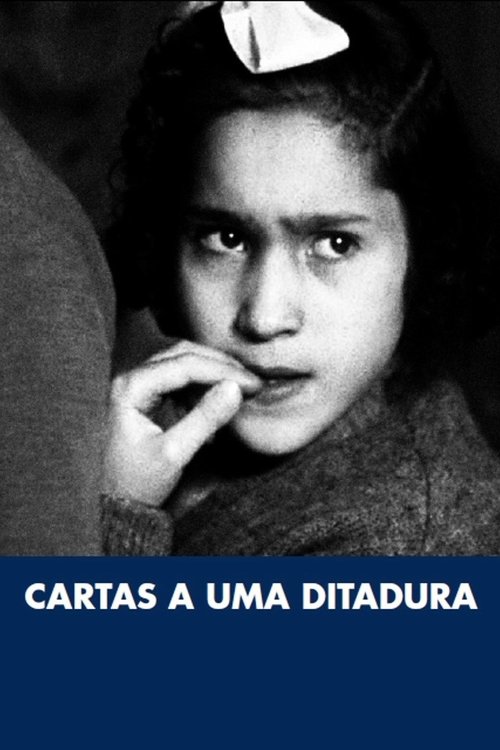
A hundred letters written by Portuguese women during the Salazar dictatorship were found by chance in a second-hand bookshop. By confronting today the women who wrote these letters with the ghosts of the past, and revealing important archive material, Letters to a Dictatorship takes us on an in-depth journey through the obscurantism that dominated Portugal for more than 50 years.