No Cast found.
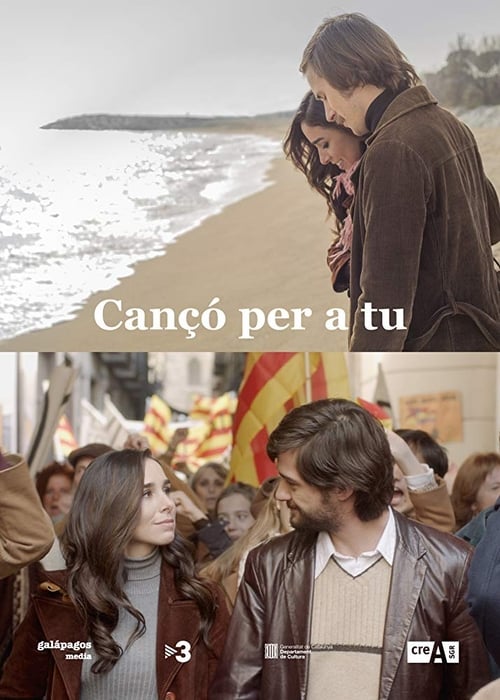
Barcelona, 1966. Laia is a Law student at the University of Barcelona. She works part time in the University library to help cover her tuition, and writes songs in her free time. Laia starts dating Ignasi, a student who is committed to the clandestine fight against the Franco regime. Someone breaks into their relationship; David, Ignasi's best friend. A shallow boy from a well-to-do family. But David is not who he seems to be.
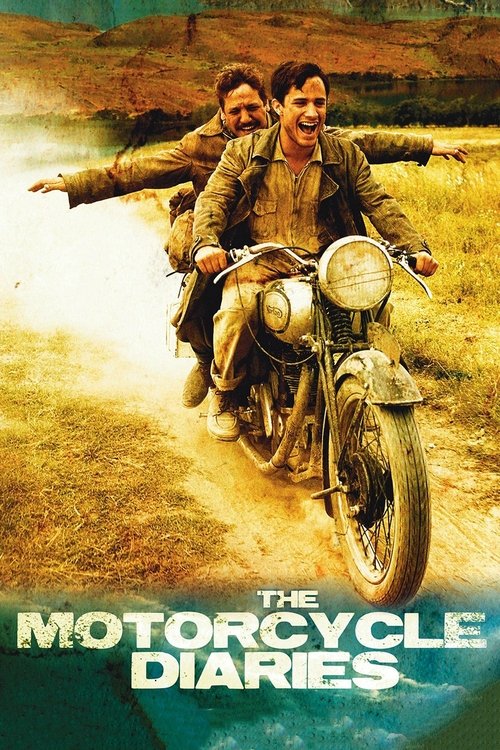
Based on the journals of Che Guevara, leader of the Cuban Revolution. In his memoirs, Guevara recounts adventures he and best friend Alberto Granado had while crossing South America by motorcycle in the early 1950s.
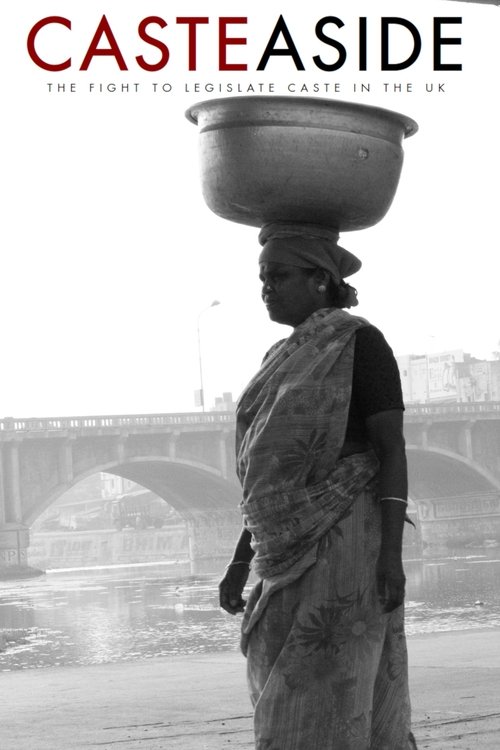
Caste Aside is a documentary about the British government's controversial decision on whether or not to introduce legislation against caste discrimination in the UK. Highlighting both sides of this heated debate, the documentary speaks to Dalit rights activists, Hindu community leaders, academics and lawyers, as well as those who say they have been discriminated against on the basis of their caste - here in Britain.
It all begins at a party in Santiago, Chile, when a seemingly innocent gesture -- the offer of a ride home -- ends in a passionate night of lovemaking and intense conversation for young singles Bruno and Daniela. Shacked up at a flea-bitten motel for a one-night stand, the pair lingers deep into the night, alternating between powerful physical encounters and an ever-deepening emotional connection.
In this documentary film a team of researchers examine the social contexts that influenced the emergence and permanence of heavy metal music in Chile, Argentina, Mexico and Peru. Colonialism, dictatorships, terrorism and neoliberal exploitation serve as points of reference for how heavy metal in the region has been directly linked to each country's social and political context.
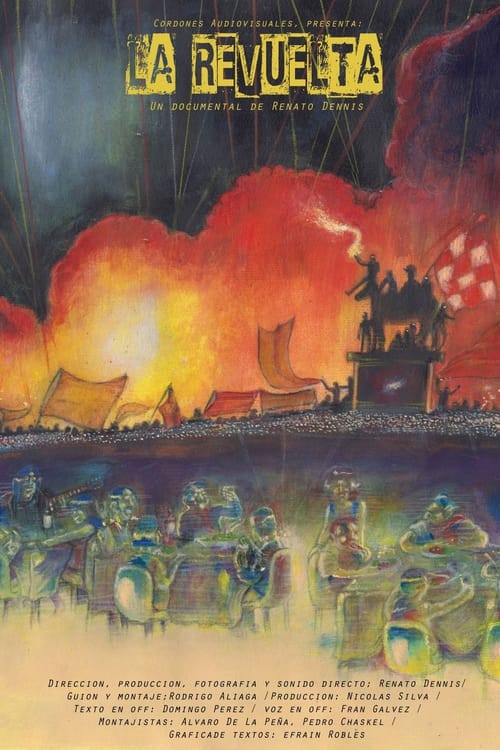
La Revuelta accounts for the tension experienced by those who, as of October 2019, came out to express their social discontent. The work has as its main stage, renamed by the people, as "Plaza de la Dignidad". It is a choral story, woven with the reflections of the protesters under the protection of the contextualization of a story in off that is unraveling the causes and effects of the outbreak. Thus, more than three years after the social demonstration, La Revuelta, is presented as a critical and contestative reflection, around the popular protest maintained by a people that took 30 years to awaken.
Throughout the Islamic world, each year hundreds of women are shot, stabbed, strangled or burned to death by male relatives because they are thought to have “dishonoured” their families. They may have lost their virginity, refused an arranged marriage or left an abusive husband. Even if a woman is raped or merely the victim of gossip, she must pay the price. Crimes of Honour documents the terrible reality of femicide – the belief that a girl’s body is the property of the family, and any suggestion of sexual impropriety must be cleansed with her blood. We meet women in hiding from their families, a brother who describes his reasons for killing the sister he loved, and a handful of women who have committed themselves to the protection of young women in danger of losing their lives.
A political activist is convinced that her guest is a man who once tortured her for the government.
Brazil, 2030. The sisters Alayr and Sabrina are hearing on the cell radio the judgment that could change the course of a country "without energy". They are surprised by Fátima, the sister who returns from the dead to fraternize on this historic night.
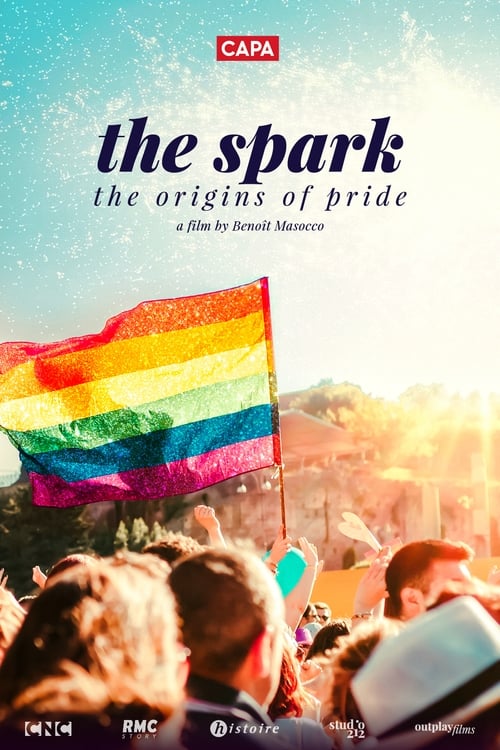
A story of the LGBT struggle from the 1960s to the present, after the Stonewall riot sparked the militant action in New York that was to spread around the world. From San Francisco to Paris via Amsterdam, between the first Gay Pride, the election of Harvey Milk, the French "decriminalization", the AIDS epidemic and the first homosexual marriages, these few decades of struggle are embodied through numerous testimonies of actors and actresses of this revolution rainbow.
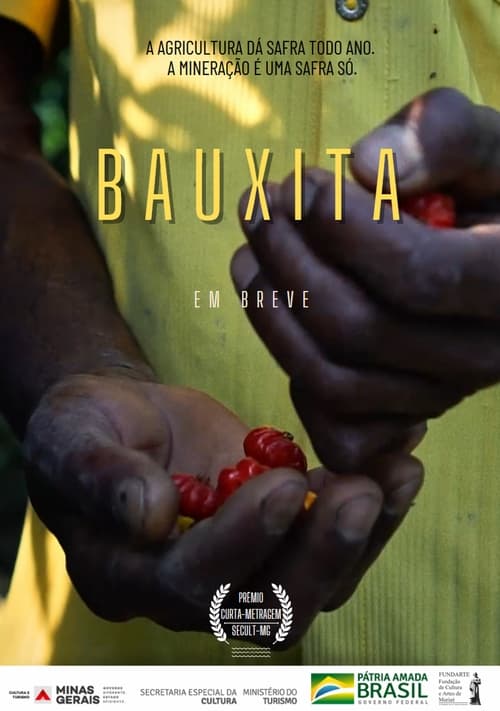
Brazil is one of the most dangerous countries for environmentalists. The rural community of Belisário holds the country's second largest bauxite reserve, right below one of the most bio-diverse areas in the world: the Atlantic Forest. The small community was shaken when the beloved Gilberto, a Franciscan Friar, received a death threat followed by the lines: "you've been talking against mining way too much". PT: O Brasil é um dos países mais perigosos do mundo para defensores do meio ambiente. Em Minas Gerais, a comunidade rural de Belisário abriga a segunda maior reserva de bauxita do país, em uma das áreas de maior biodiversidade do mundo: a Mata Atlântica. A tranquilidade do pequeno vilarejo foi abalada quando Frei Gilberto, um franciscano que dedica sua vida à preservação da natureza, recebeu uma ameaça de morte com o seguinte aviso: "você tem falado demais contra a mineração".
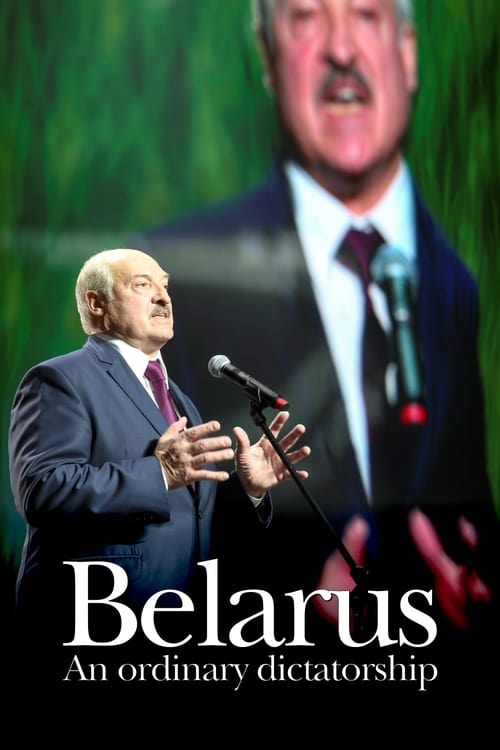
It’s the last dictatorship of Europe, caught in a Soviet time-warp, where the secret police is still called the KGB and the president rules by fear. Disappearances, political assassinations, waves of repression and mass arrests are all regular occurances. But while half of Belarus moves closer to Russia, the other half is trying to resist…
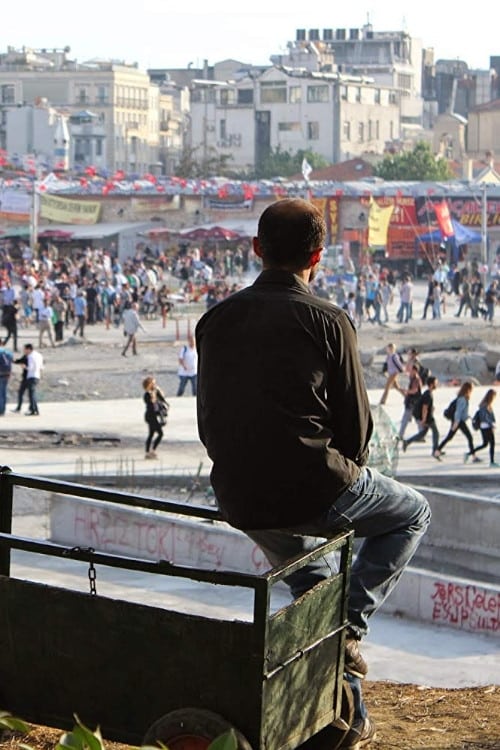
Protesters diary from Gezi Park - Taksim Square, Istanbul. Occupy Gezi movement started when the government decided to build shopping mall in place of the last green area that remained in the middle of Taksim Square.
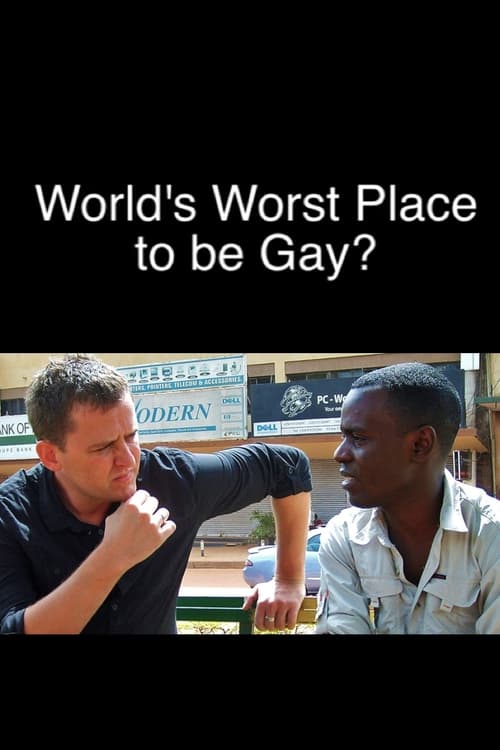
Scott Mills travels to Uganda where the death penalty could soon be introduced for being gay. The gay Radio 1 DJ finds out what it's like to live in a society which persecutes people like him and meets those who are leading the hate campaign.
Desperate, broken men chase their dreams and run from their demons in the North Dakota oil fields. A local Pastor's decision to help them has extraordinary and unexpected consequences.
Power Meri follows Papua New Guinea's first national women's rugby league team, the PNG Orchids, on their journey to the 2017 World Cup in Australia. These trailblazers must beat not only the sporting competition, but also intense sexism, a lack of funding, and national prejudice to reach their biggest stage yet.
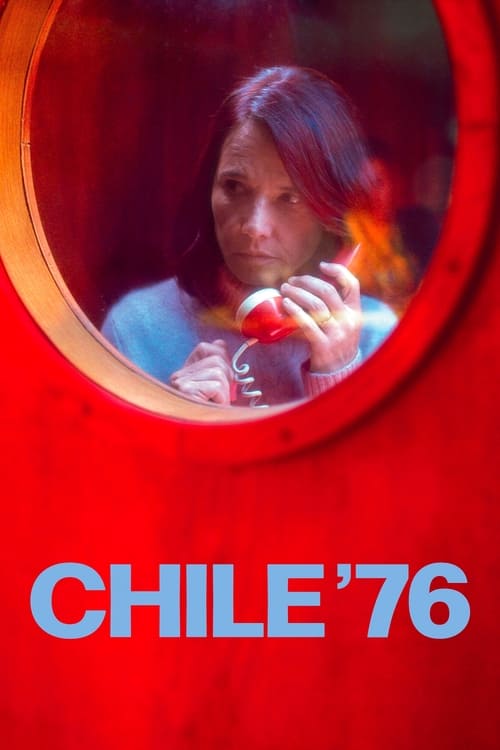
Chile, 1976. Carmen heads off to her beach house. When the family priest asks her to take care of a young man he is sheltering in secret, Carmen steps onto unexplored territories, away from the quiet life she is used to.
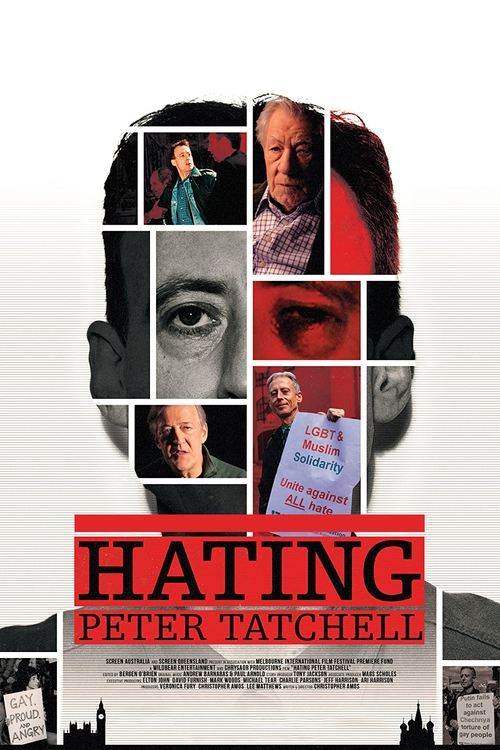
The powerful and inspiring true story of the controversial human rights campaigner whose provocative acts of civil diso bedience rocked the British establishment, revolutionised attitudes to homosexuality and exposed world tyrants. As social attitudes change and history vindicates Peter's stance on gay rights, his David versus Goliath battles gradually win him status as a national treasure. The film follows Peter as he embarks on his riskiest crusade yet by seeking to disrupt the FIFA World Cup in Moscow to draw attention to the persecution of LGBT+ people in Russia and Chechnya.
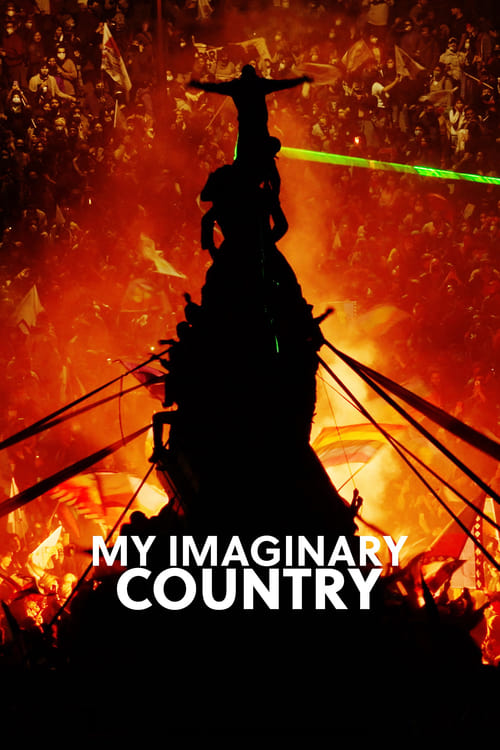
This documentary explores the protests that exploded onto the streets of Chile’s capital of Santiago in 2019 as the population demanded more democracy and social equality around education, healthcare and job opportunities.
A young woman was buried alive with the intention of killing, but she survived by chance. hears the cries of her little girl and fights to stay alive for her daughter. But this incident will enlighten a new worldview for her.
No Trailers found.