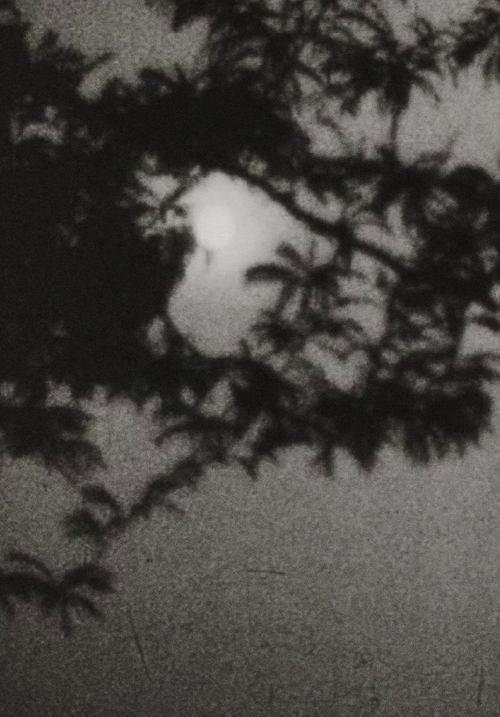
An expansion upon an idea put forward in Marie Menken's film Notebook; single-frame footage of the moon shot on various nights, blinking and darting around within Menken's field of vision.
No Trailers found.
Strings together what's strung together (please use yr tether).
An average working man who is alone in a world of deception finds himself in a marriage of convenience.
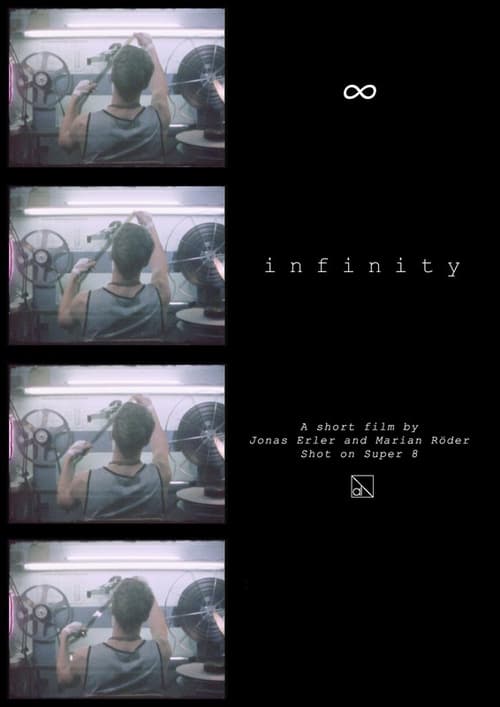
In the old projection room of a cinema something comes to life. 24 frames per second. 24 beats per minute. The analogue film is infinite. ∞
This film describes a psychological state "kin to moonstruck, its images emblems (not quite symbols) of suspension-of-self within consciousness and then that feeling of falling away from conscious thought. The film can only be said to describe or be emblematic of this state because I cannot imagine symbolizing or otherwise representing an equivalent of thoughtlessness itself. Thus the actors in the film, Jane Brakhage, Tom and Gloria Bartek, Williams Burroughs, Allen Ginsberg, Peter Olovsky and Phillip Whalen are figments of this 'Thought-Fallen Process', as are their images in the film to find themselves being photographed."
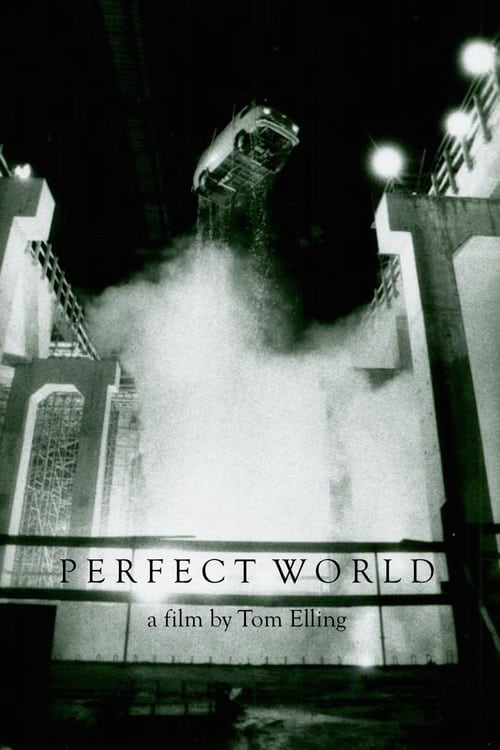
A take it or leave it auteur-experimental fiction exercise: two women are monitoring their dreams, dreams that may of course also be stark naked reality, at least to the dreamers, as they come and they go like bubbles, rising, floating, bursting. A man appears out of nowhere. Poet Peter Laugesen co-wrote the script with Tom Elling, who was Lars von Trier's director of photography on "The Element of Crime".
This experimental nature documentary by Minna Rainio and Mark Roberts depicts climate change and the wave of extinction from the point of view of our near future. Actually, it depicts the age we live in now, or rather its fateful consequences.
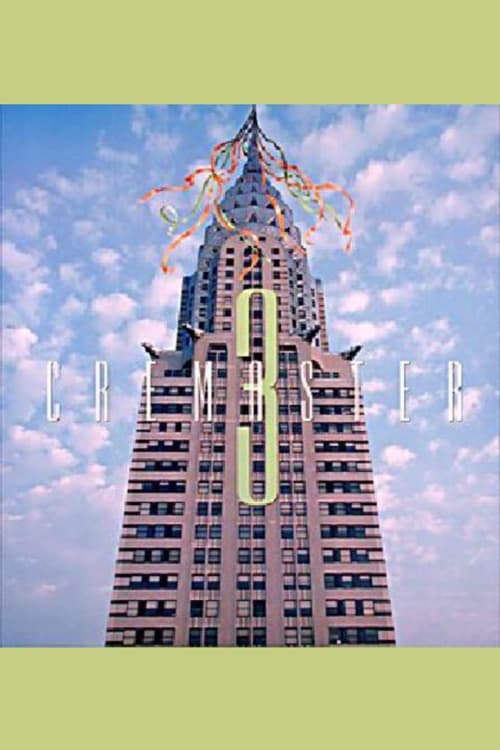
CREMASTER 3 (2002) is set in New York City and narrates the construction of the Chrysler Building, which is in itself a character - host to inner, antagonistic forces at play for access to the process of (spiritual) transcendence. These factions find form in the struggle between Hiram Abiff or the Architect ...
CREMASTER 4 (1994) adheres most closely to the project's biological model. This penultimate episode describes the system's onward rush toward descension despite its resistance to division. The logo for this chapter is the Manx triskelion - three identical armored legs revolving around a central axis. Set on the Isle of Man, the film absorbs the island's folklore ...
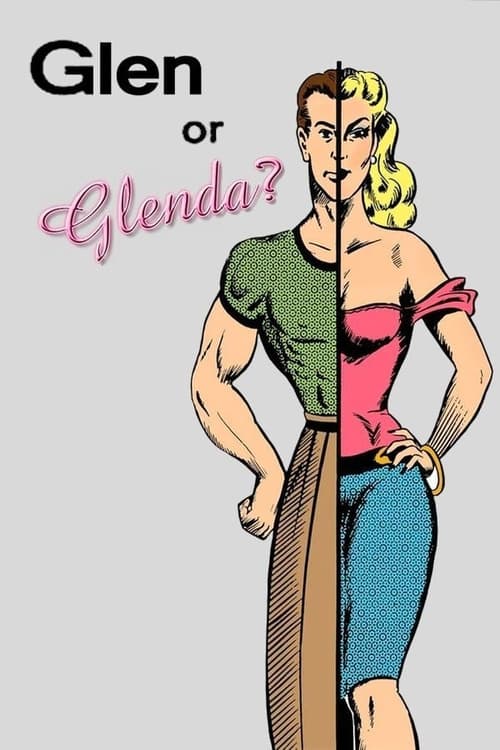
A psychiatrist tells two stories: one of a trans woman, the other of a pseudohermaphrodite.
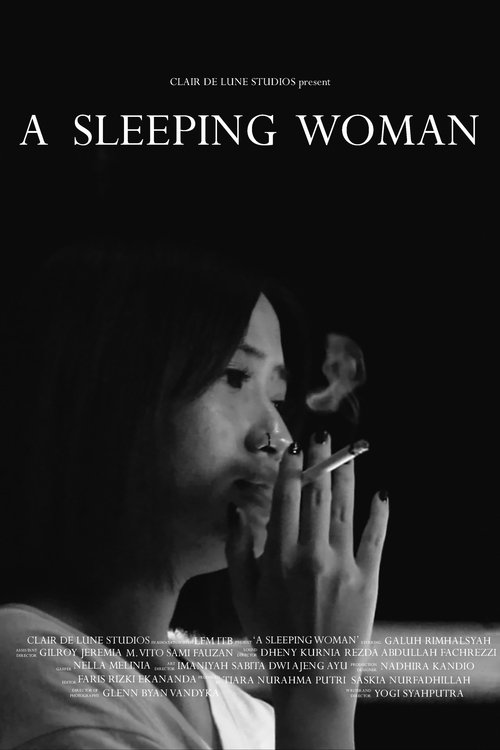
A woman returning home after having a sour day decides to sleep.
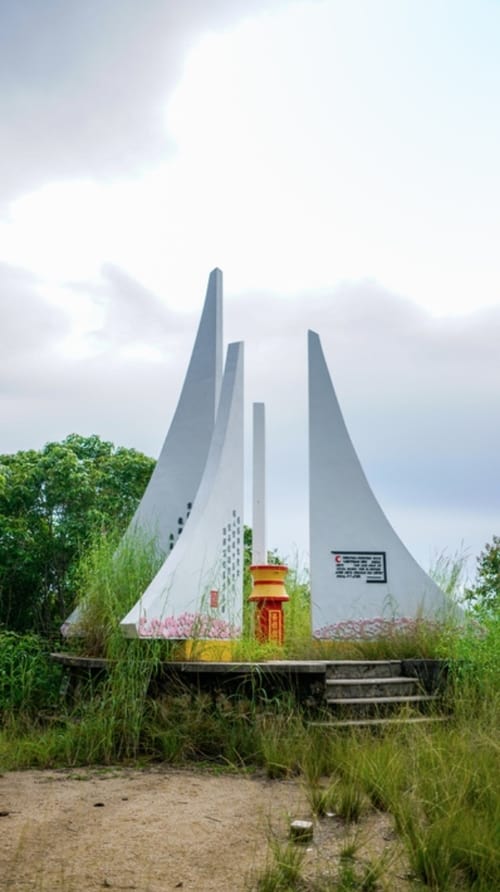
The Island is a short film shot entirely on Pulau Bidong, an island off the coast of Malaysia that became the largest and longest-operating refugee camp after the Vietnam War. The artist and his family were some of the 250,000 people who inhabited the tiny island between 1978 and 1991; it was once one of the most densely populated places in the world. After the United Nations High Commissioner for Refugees shuttered the camp in 1991, Pulau Bidong became overgrown by jungle, filled with crumbling monuments and relics. The film takes place in a dystopian future in which the last man on earth - having escaped forced repatriation to Vietnam - finds a United Nations scientists who has washed ashore after teh world’s last nuclear battle. By weaving together footage from Bidong’s past with a narrative set in its future, Nguyen questions the individual’s relationship to history, trauma, nationhood, and displacement.
Cooper is given a decision that could help him finally make a difference or get him killed.
Two halves split by the perseverance of a scorpion. Come on, feet.
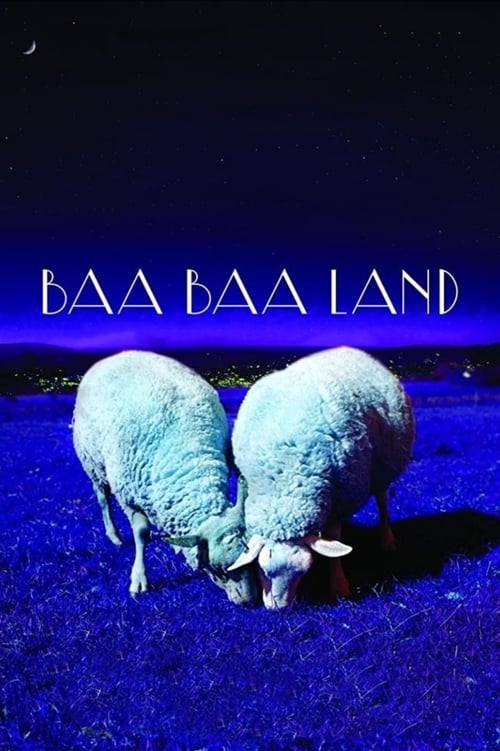
An eight-hour contemplative epic, entirely starring sheep.
A short Japanese experimental film
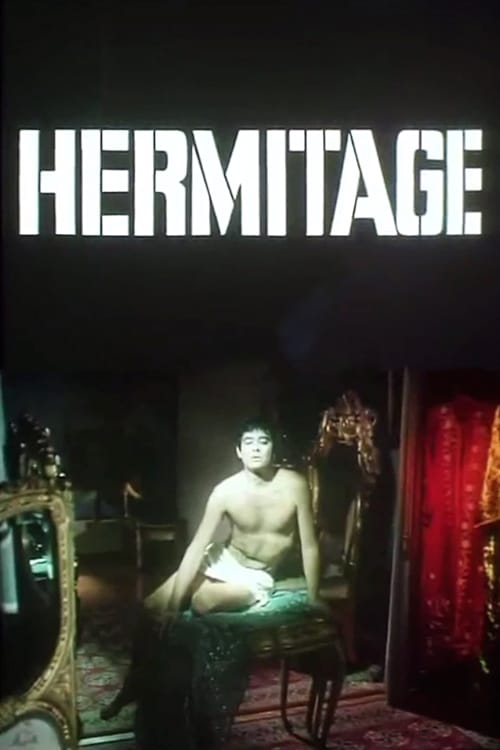
Hermitage, defined by Bene as "a rehearsal for lenses", beyond any literal rendition - its narrative trace comes from one of his anti-novels, Credito Italiano V.E.R.D.I - displays his immediate attitude to thinking a cinematic language completely based on actor's movements and actions, and more specifically, on his presence and his schemes. Camouflaged or naked, still or moving, his body seems to play and be played at the same time, shifted by objective and subjective tensions, both metaphorically and visually speaking.
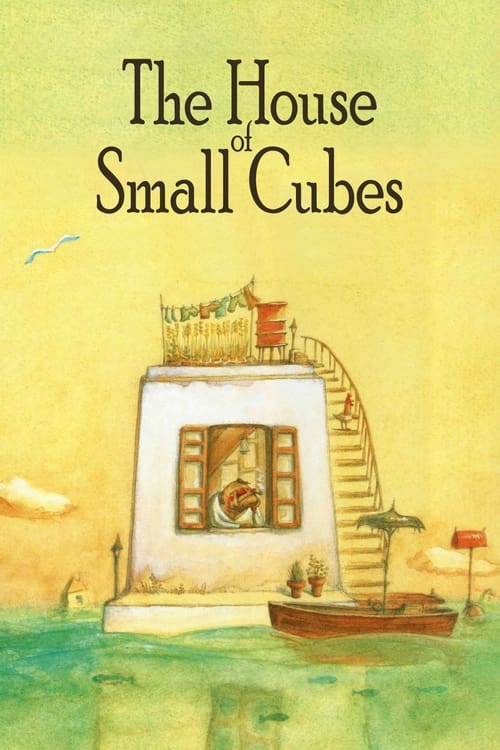
La Maison en Petits Cubes tells the story of a grandfather's memories as he adds more blocks to his house to stem the flooding waters.
The film is about looking. I bet that slight variations of few recurrent elements would encourage the viewer to free associate and to fantasize a kind of narrative. - BM
A short film advertising the newspaper Sztandar Młodych (The Banner of Youth), noteworthy for its abstract elements painted directly onto film stock. An attempt at showing the complexity of the world in a capsule, the film reflects the new policy of the openness to the West during the Thaw of the late 1950s in Poland.
An experimental short from Oskar Fischinger
No Cast found.