TV documentary about the Mexican music craze in the communist Yugoslavia.
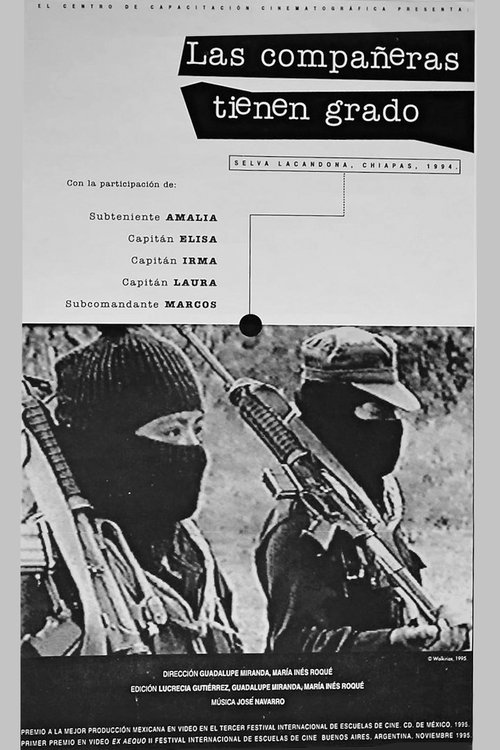
April 1994 in the Lacandona Jungle, Chiapas, México. The Zapatista women talk about the living conditions of Mexican indigenous populations and the life of peasant women. They explain the reasons for their struggle and their uprising.
Cenotes—sources of water that in ancient Mayan civilization were said to connect the real world and the afterlife. The past and present of the people living in and around them intersect, and distant memories echo throughout immersive scenes of light and darkness.
No overview available.
As police and DEA agents battle sophisticated cartels, rural, economically-disadvantaged users and dealers–whose addiction to ICE and lack of job opportunities have landed them in an endless cycle of poverty and incarceration–are caught in the middle.
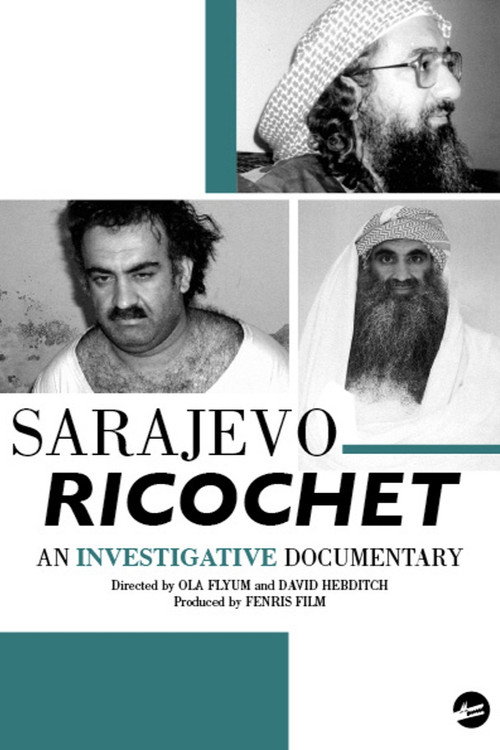
This two-part documentary reveals how al-Qaeda used Bosnia as a training-ground, money-laundering centre and forward operating base during the brutal civil war of 1992-95. The veterans went on to attack New York, Washington DC, London, Madrid, Mombasa and Bali. The story also reveals how the people of Srebrenica were betrayed by the Sarajevo government in advance of the massacres of July 1995.
This 1942 travelogue film, directed by Aldo Ermini and sponsored by the Office of the Coordinator of Inter-American Affairs, showcases Mexican culture during World War II, focusing on various cultural activities and popular entertainers of the time. The film features notable figures like Puerto Rican actress and singer Mapy Cortés, Mexican comedian Cantinflas, and a re-enactment of Aztec traditions.
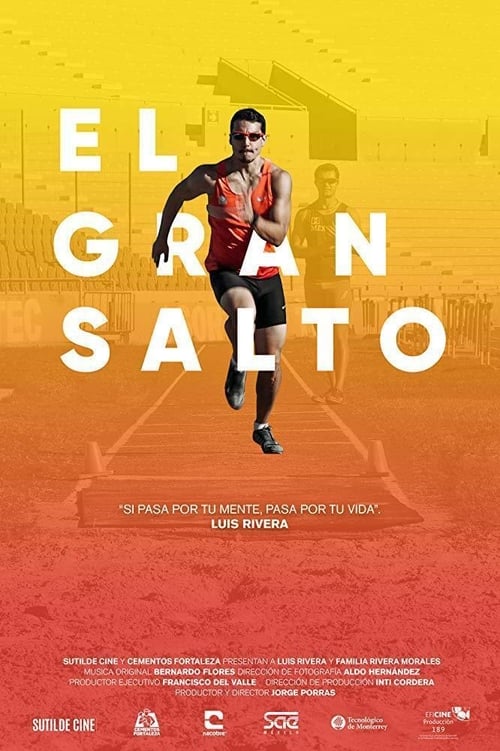
Luis Rivera, the best Mexican high jumper of the history, seeks to inspire a generation by qualifying for the Olympic Games as he finishes his doctorate studies. Injuries threaten his dream while his younger brothers follow in his path and example.
Twelve Mexicans, scattered across different cities worldwide, capture their personal experiences during the early days of the 2020 pandemic lockdown. With only the resources at hand, they document their daily lives, reflecting the uncertainty, confusion, and anxiety that marked this unprecedented moment in history. From the relative comfort of isolation at home to the vulnerability of those at risk of losing their jobs or fighting the virus on the front lines.
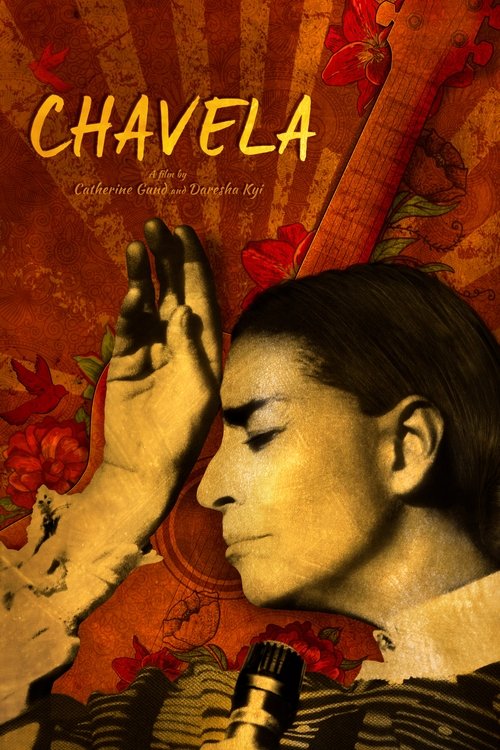
Inspired by an exclusive interview and performance footage of Chavela Vargas shot in 1991 and guided by her unique voice, the film weaves an arresting portrait of a woman who dared to dress, speak, sing, and dream her unique life into being.
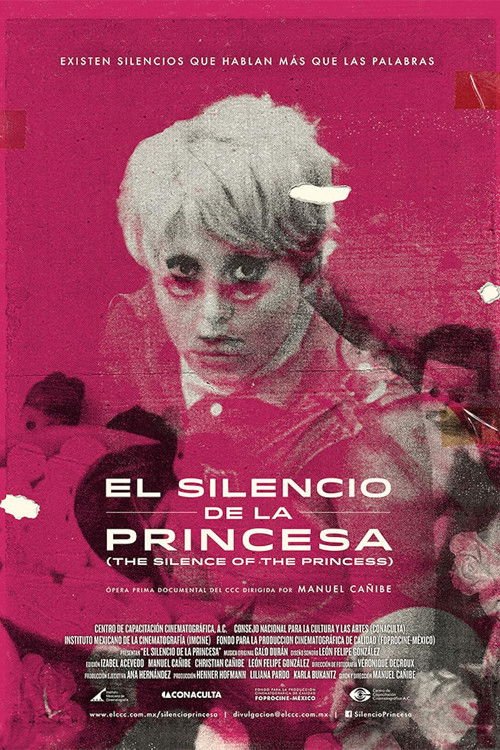
Diana Mariscal reached a moment of fame in the sixties, when at just 18 years of age she was the lead actress of the movie Fando and Lis by Alejandro Jodorowsky. The moment seemed to trigger a promising career, but her public image faded little by little until disappearing. Forty years later the traces of her existence have not been entirely erased.
Honduran immigrants living in Mexico, teenage siblings Rocío and Ale must take over care of their two younger siblings after their mother is sentenced to prison on dubious grounds. Tensions grow between the pair as the decision must be made on whether to stay together in Mexico or split the family up to cross into the US to work.
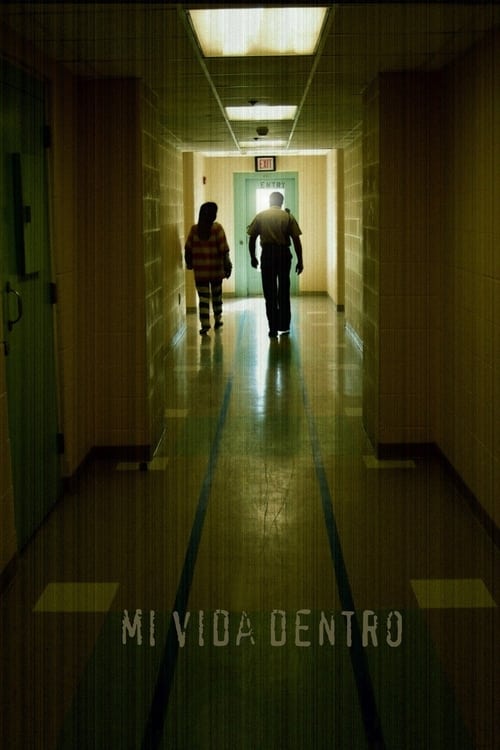
Rosa is a Mexican woman who, at the age of 17, migrated illegally to Austin, Texas. Some years later, she was jailed under suspicion of murder and then taken to trial. This film demonstrates how the judicial process, the verdict, the separation from her family, and the helplessness of being imprisoned in a foreign country make Rosa’s story an example of the hard life of Mexican migrants in the United States.
A documentary exploring the ruins of a Mayan temple in Mexico and a "cursed" medallion that was found there.
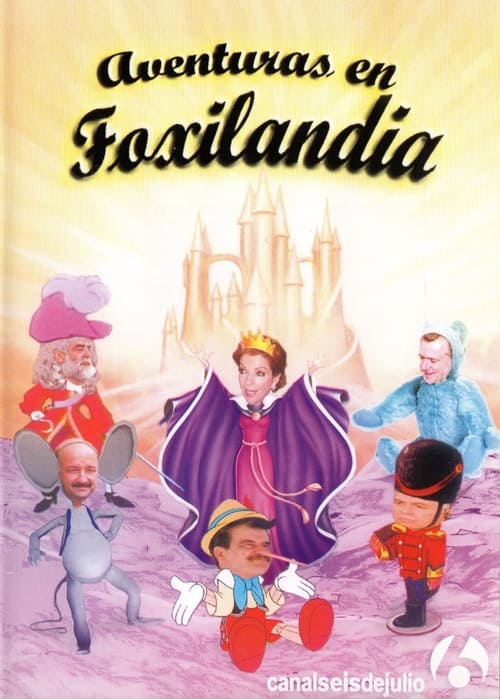
Based on careful research, this documentary touches on the most striking aspects of Foxilandia, the management of President Vicente Fox, and dissects this national tragicomedy from the political, economic and social points of view.
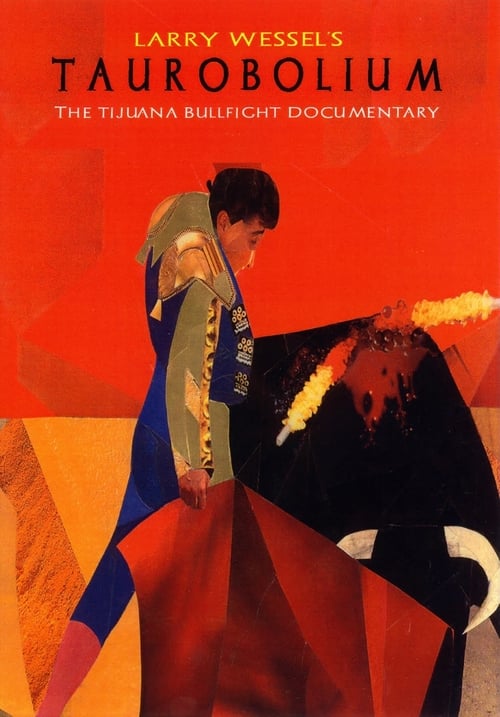
Have you ever been to the bullfights in Tijuana? Larry Wessel's TAUROBOLIUM is not only cinema verite at it's best, Larry Wessel's TAUROBOLIUM is the best documentary on bullfighting ever made!
Shot in various villages throughout Yugoslavia, this is a disturbing document of a time when people were stabbing each other with knives without any real reason. Murderers, people who witness these murders and the families of victims all talk about the senseless violence and the human condition.
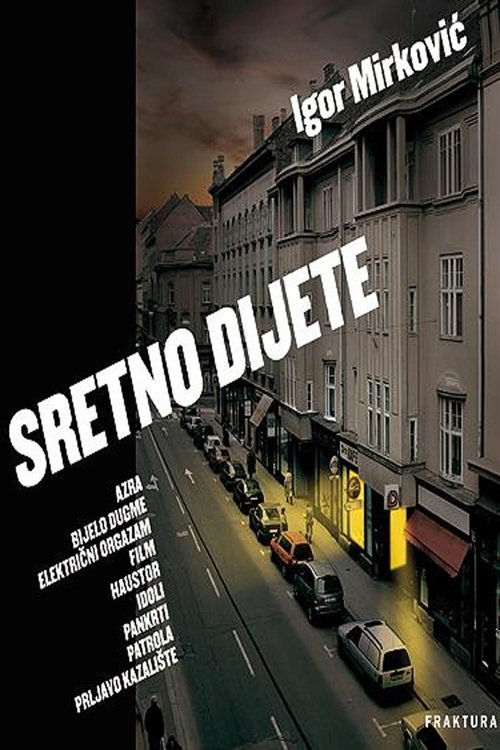
The Happy Child is a story of "New Wave" rock genre predominant in the ex-Yugoslavia during the socialist 70's and 80's.
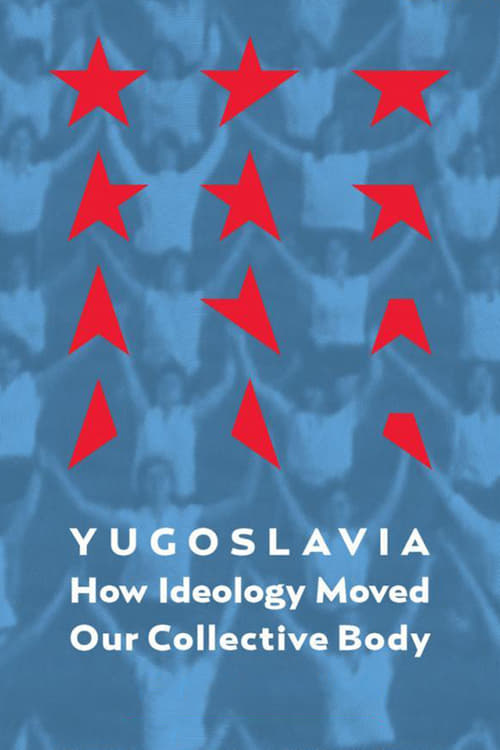
A research-based essay film, but also a very personal perspective on the history of socialist Yugoslavia, its dramatic end, and its recent transformation into a few democratic nation states.
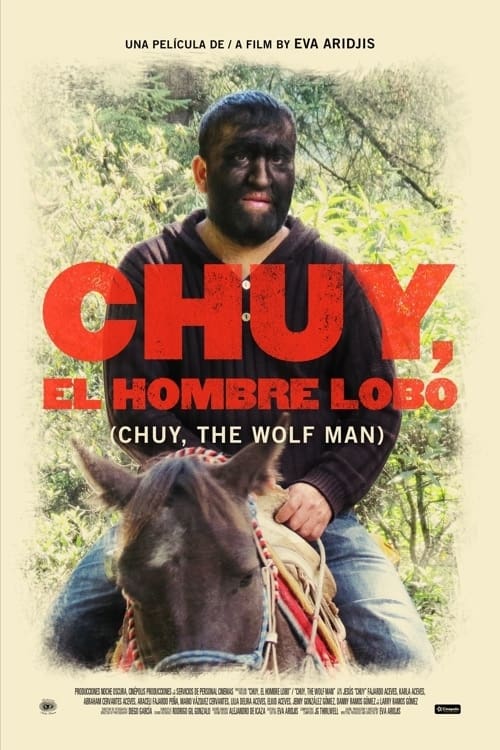
Jesus 'Chuy' Aceves and a dozen living members of his extended family suffer from the very rare condition of congenital hypertrichosis, meaning they were born with excessive hair on their faces and bodies. Due to their appearance, they suffer from discrimination in all areas of their lives: the children are made fun of at school and abandoned by their 'non-hairy' parents, and the adults cannot find work unless they choose to exhibit themselves as freaks in circuses. This moving and visually arresting documentary is a portrait of Chuy and his family members. It examines their day-to-day lives and their struggle to find love, acceptance and employment.
Himself
No Trailers found.