logologo
MovieVerse© 2024
Privacy PolicyTerms of ServiceContact Us
Made with ❤️ by Thathsara
movie poster
Yugoslavia: How Ideology Moved Our Collective Body
Sign in to create your own watchlist

Yugoslavia: How Ideology Moved Our Collective Body

Apr 1, 2013
1h 2m
★ 6.3

Overview

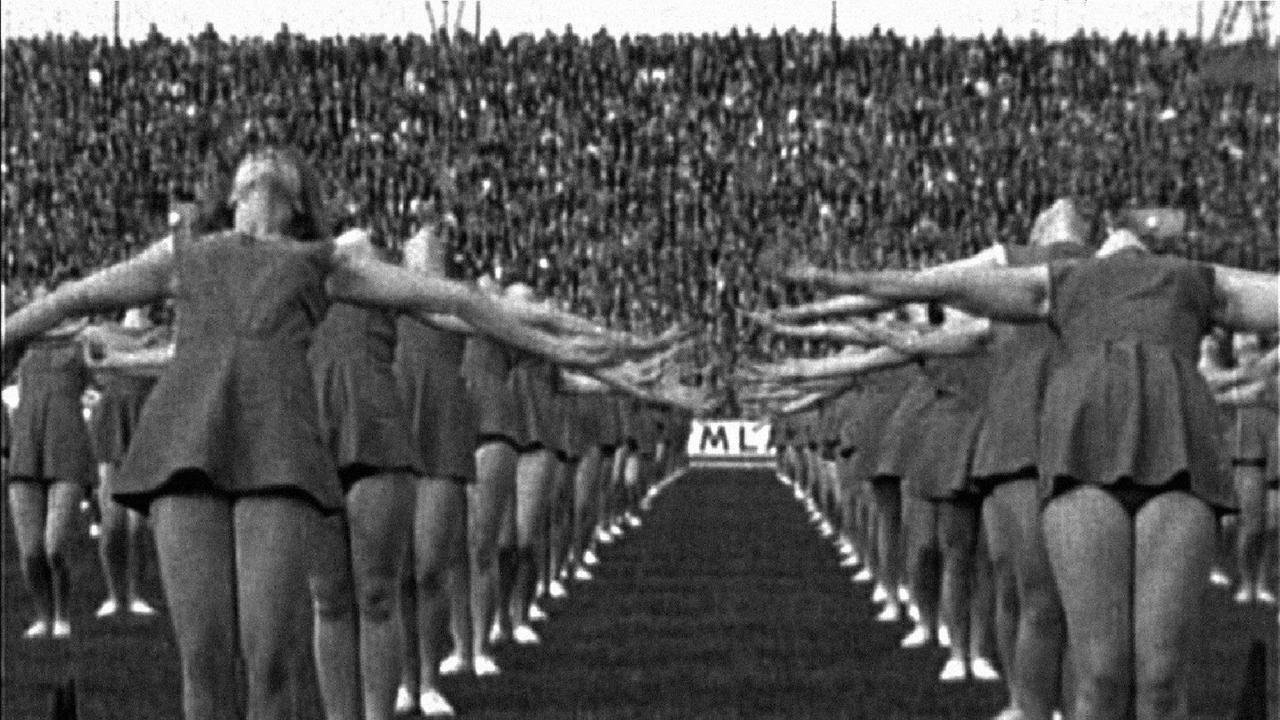
A research-based essay film, but also a very personal perspective on the history of socialist Yugoslavia, its dramatic end, and its recent transformation into a few democratic nation states.

Genres

Documentary
History

Production Companies

Universität der Künste Berlin
Joon Film
TkH (Walking Theory)
Les Laboratoires d'Aubervilliers

Yugoslavia: How Ideology Moved Our Collective Body Trailers

No Trailers found.

Cast

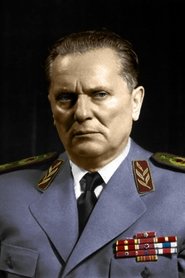
Josip Broz Tito

Himself

Josip Broz Tito

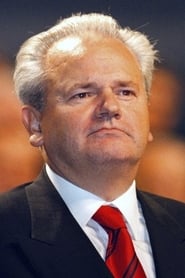
Slobodan Milošević

Himself

Slobodan Milošević

You may also like

No Image Available
6.0

Même pas mal

Sep 29, 2012

No overview available.

Who We Were
6.0

Who We Were

Apr 20, 2016

No overview available.

No Image Available
8.0

The Hidden Agenda for World Government

Jan 1, 1990

From an archived interview originally recorded in 1982, this 1990 production reveals the findings of chief congressional investigator, Director of Research, Norman Dodd, and exposes the scope and purpose of various organizations in the findings of the 1953 Reece Special Committee on Tax Exempt Foundations.

No Image Available
0.0

Luz in Latin America

Apr 13, 2016

The inspiring account on international bodyboarding star Luz 'Loly' Grande - a young woman on a personal mission to make bodyboarding a means to improve the lives of disadvantaged children in Puerto Rico, Argentina, Brazil, and Peru.

No Image Available
0.0

The Uncles

Jan 1, 2004

A filmed conversation between Winton Dean and Jonathan Balcon about their fathers Basil Dean (1888 –1978) and Michael Balcon (1896 –1977). Both men helped to pave the way for the British film industry.

Charlie Marx and the Chocolate Factory
0.0

Charlie Marx and the Chocolate Factory

Jan 1, 2009

Charlie Marx and the Chocolate Factory started as an investigation of the link between politics and chocolate, at the Karl Marx Confectionary Factory in Kiev, Ukraine. Since access to the factory was denied, the project had to be re-considered, re-invented or re-enacted. Mostly made of archival footage and re-enacted performances based on the company's website, the film merges what was left of the initial idea with what has been collected and realized instead. It borrows from the genres of video art, 'Man on the street' interview, direct address, corporate film, essay, and music video, without legitimately belonging to any of them. The film unravels as a reflection on its own failure, and yet keeps on investigating what has always been at stake: the shift from public to private property (and from analog to digital technology), dialectics of permanence and change, language as a mirror of ideology, and post-Soviet oligarchy culture.

The Competition
6.8

The Competition

Feb 8, 2017

An all-access tour behind the scenes at France’s premiere film school, La Fémis. Showing us how successful candidates get to follow in the footsteps of such luminaries as Louis Malle, François Ozon and Alain Resnais, all of whom attended this prestigious institution. Stumbling over their words, the often-nervous candidates seem vulnerable when confronted with the veterans of the industry, who have the difficult task of discovering true talent among all these eager young people.

Letters from Baghdad
6.7

Letters from Baghdad

Apr 21, 2017

Gertrude Bell, the most powerful woman in the British Empire in her day, shaped the destiny of Iraq after WWI in ways that still reverberate today.

Further Beyond
5.7

Further Beyond

Feb 19, 2016

In their debut documentary Christine Molloy and Joe Lawlor take as their point of departure the compelling 18th Century figure, Ambrose O'Higgins, and attempt to retrace his remarkable journey from Ireland to Chile.

The Fountain
3.0

The Fountain

Jan 1, 2007

A filmmaker makes a film about a young woman who baths in a public fountain, casting herself in the role.

Gringo: The Dangerous Life of John McAfee
6.7

Gringo: The Dangerous Life of John McAfee

Sep 24, 2016

The strange story of John McAfee, who went from millionaire software mogul to yogi, Kurtz-like jungle recluse to potential murderer, and most recently a prospective presidential candidate for the American Libertarian Party.

No Image Available
0.0

30 Minutes, Mister Plummer

Jan 1, 1963

This film profiles Canadian actor Christopher Plummer of the Shakespearean Theatre, Stratford, Ontario. As the minutes tick by, cameras register the transformation as he dons his make-up for the title role in Cyrano de Bergerac. We also see Toronto actress Kate Reid as well as actors Len Birman and Martha Henry.

The Amateur
7.5

The Amateur

Oct 2, 2017

The memory of Piero Portaluppi, a Milanese architect who reached the peak of his fame during the 20 years of the Fascist regime, comes back to life, both through the rediscovery of his work today and in a previously unpublished film diary in 16 mm, shot and edited throughout his lifetime. A man of great charm and power, Portaluppi lived through a grandiose but tragic era with ironic detachment, as if dancing across things as he created beauty. History marches on implacably, radically transforming the arena in which the eclectic artist and his large family lived and worked.

Doing Rude Things
2.8

Doing Rude Things

May 29, 1995

A light-hearted celebration of British sex films from the 1950s to the early 1980s. Presented by Angus Deayton, the programme includes interviews with movie veterans Robin Askwith and Pamela Green, as well as featuring clips from popular X-rated movies like “Come Play with Me” (1977).

41 on 41
6.5

41 on 41

Jun 9, 2015

Interviewees discuss the life of former president George H. W. Bush

Forever Yours
5.0

Forever Yours

Nov 11, 2011

Forever Yours is a film about children who have been taken into custody. Through the children, their biological parents and foster parents, the film depicts love in everyday life. The film explores the invisible bond between a child and a biological parent. Even when a child is taken into custody, the yearning for closeness to the biological parents and need for their approval never seems to disappear. This longing is a form of loneliness that the foster parents struggle to overcome. The film describes the entire foster care process: a child being brought into a shelter home, a teenager’s everyday life in a foster family, and siblings preparing to return to their biological mother, after five years in a foster family.

No Image Available
5.5

Prague – The Restless Heart of Europe

Feb 6, 1985

This distinctive documentary portrait of Prague extolls the beauty, significance and spirit of the ancient city adopting modern way of life. The form and content of the film share a common underlining principle. The author doesn't simply list out the sequence of events, but rather approaches them in a broader context of their historic implications and circumstances. The content of the film covers a large period from the pagan times to these days. The facts are grouped under several general headings (paganry, the spread of Christianity, renaissance, baroq and modern times) with allusions to the modern life of Prague and Praguers that has its roots in those times.

No Image Available
5.3

People Preparing the Staufer Anniversary

Apr 23, 1977

Alexander Kluge documents the preparations for an exhibition on the Staufer dynasty.

We Can't Make the Same Mistake Twice
0.0

We Can't Make the Same Mistake Twice

Sep 1, 2016

The new film from celebrated documentarian Alanis Obomsawin (Kanehsatake: 270 Years of Resistance) chronicles the events following the filing of a human-rights complaint by a group of activists, which charged that the federal government's woefully inadequate funding of services for Indigenous children constituted a discriminatory practice.

Comrade, Where Are You Today?
6.3

Comrade, Where Are You Today?

Aug 18, 2016

In 1988, 20-year-old Kirsi Marie Liimatainen travels from Finland to the GDR, to study Marxism-Leninism at the International Youth Academy. In summer of´89 the course ends and the students spread out over the world. Afew months later, the Berlin Wall falls. 24 years later Kirsi, sets out on a cinematic journey to Nicaragua, South Africa, Chile, Bolivia, Lebanon, Germany and Finland to meet up once more with her former fellow students. What remains of their dream of the liberation of the oppressed?