Eighth Wonder of the Industrial World
No Trailers found.
No Cast found.
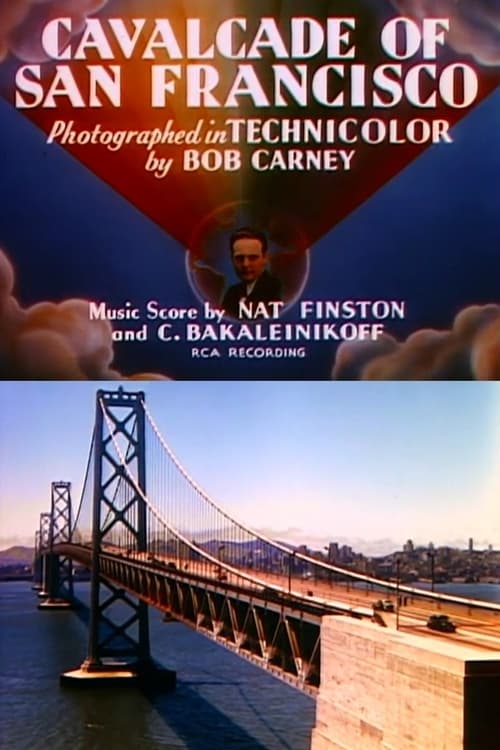
This Traveltalk series short celebrates San Francisco, past and present.
No overview available.
Brazil is one of the most dangerous countries for environmentalists. The rural community of Belisário holds the country's second largest bauxite reserve, right below one of the most bio-diverse areas in the world: the Atlantic Forest. The small community was shaken when the beloved Gilberto, a Franciscan Friar, received a death threat followed by the lines: "you've been talking against mining way too much". PT: O Brasil é um dos países mais perigosos do mundo para defensores do meio ambiente. Em Minas Gerais, a comunidade rural de Belisário abriga a segunda maior reserva de bauxita do país, em uma das áreas de maior biodiversidade do mundo: a Mata Atlântica. A tranquilidade do pequeno vilarejo foi abalada quando Frei Gilberto, um franciscano que dedica sua vida à preservação da natureza, recebeu uma ameaça de morte com o seguinte aviso: "você tem falado demais contra a mineração".
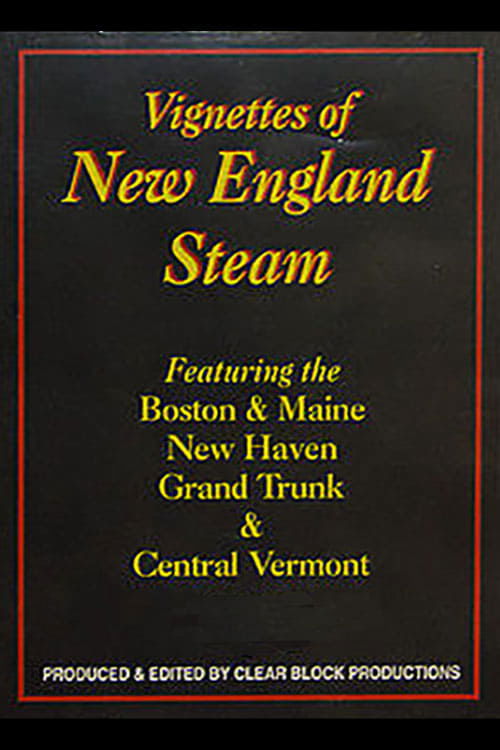
Vignettes of the New England Steam features the films of noted rail photographers Albert Michaud and William P. Price, as they document the handsome steam power (and the occasional pesky diesel) of the Grand Trump, Central Vermont, Boston & Maine, and New York, New Haven & Hartford Railroads. The mostly color and mostly 16mm production begins with the Grand Trunk in New Hampshire, then moves to the Central Vermont in the White River Jct vicinity, and the Boston & Maine and New Haven, primarily around Boston. Many wheel arrangements are featured, as is the passenger and freight rolling stock of the era ...including truss-rodded clerestory-roofed wooden maroon passenger cars on the B&M! So come along with Clear Block Productions as we journey back to the late 1940's and early 1950's to witness Steam's Final Stand in the Northeast in Vignettes of the New England Steam.
This is a film about the response by a community to New Zealand’s largest environmental disaster, seen through the eyes of that community. The film captures the shock, anger and grief driven into the heart of the local community, but also the humour, purpose and overwhelming positivity when people join together with a common goal.
A documentary about the history of settler groups that came to New Zealand from Europe.
A Documentary on the railways and their role in supporting the United States
A documentary outlining railroad work and the effects on the lives impacted by the iron horse
A travelogue, this film provides a guided tour of pre-World War II Utah and of course does not pretend to cinematic greatness. Recommended viewing for those in search of introductory Utah history. Also valuable for persons seeking insight into the state as it would have looked during this time period. Especially informative for those desiring a window into the past for a view of how Utah was in the days of their pre-World War II progenitors living in the state. Those whose Utah ancestors were involved in mining, railroading, sugar beets, and other featured industries; featured towns, sights, recreational attractions, and industries may find this otherwise banal travelogue a quite valuable addition to their family history.
Documentary on the evolution and introduction of modern coal burning locomotives on the Norfolk and Western Railway line.
The story of the railroad man in his role in keeping the trains moving on the rails.
A documentary on the railroads of America produced by the Association of American Railroads
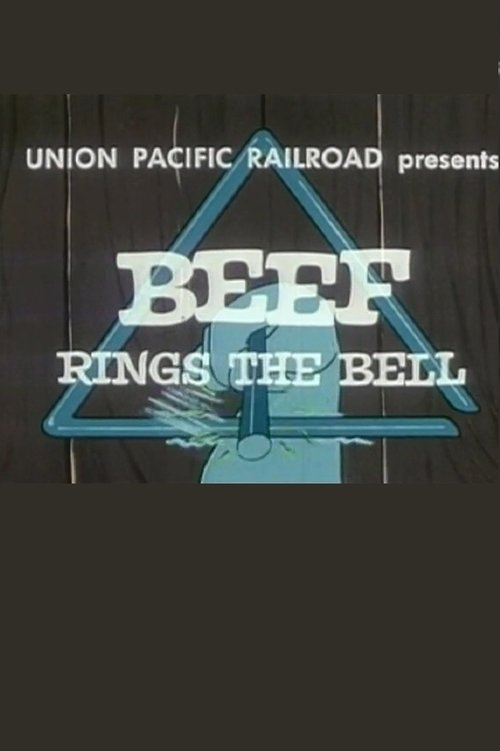
The sory of the railroad's roll in getting beef to your local market
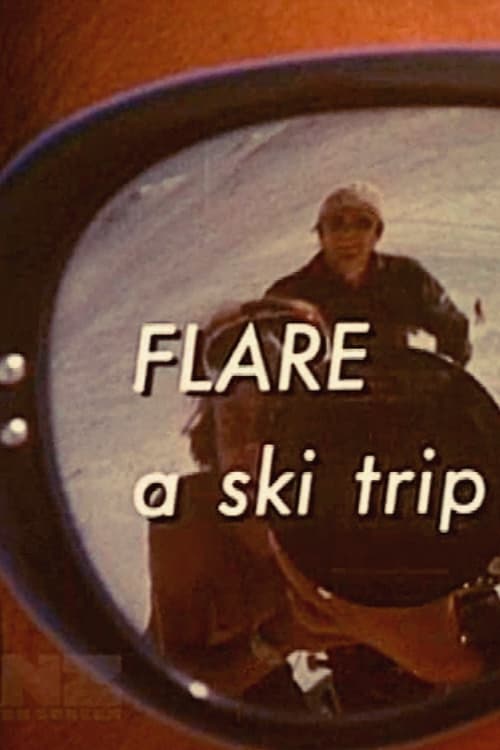
A short documentary about freestyle skiing made for the New Zealand Tourist and Publicity Department.
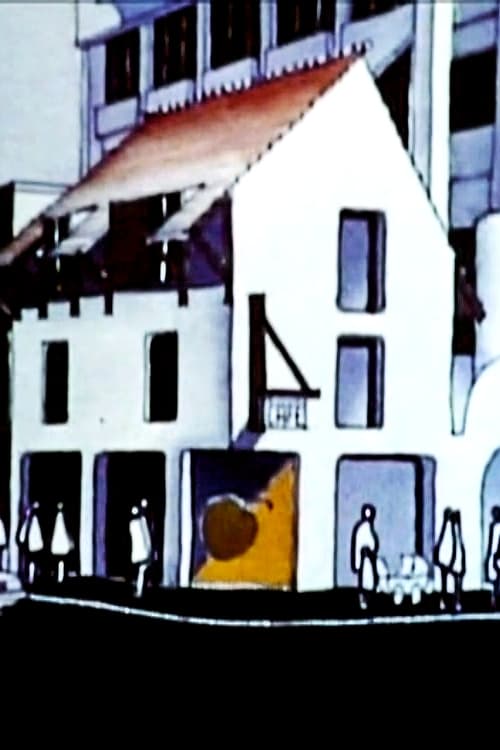
A visual essay on contemporary Kiwi architecture.
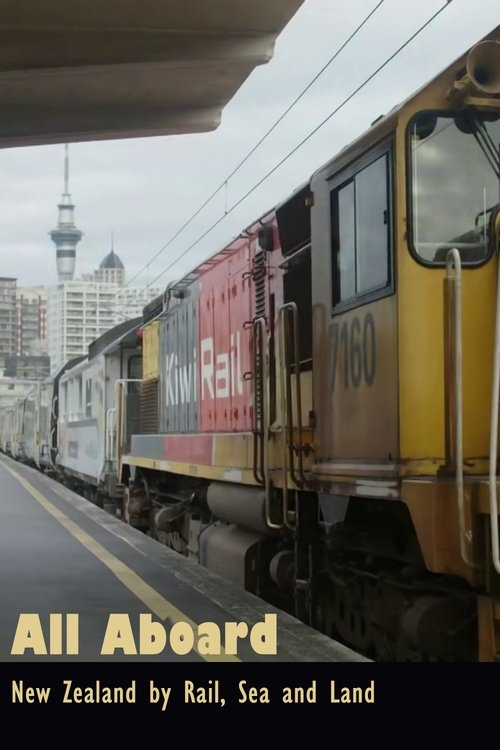
Take an epic overland train, boat and car journey through New Zealand’s breathtaking landscapes. The voyage begins in Auckland, but the city soon gives way to rolling pastures, volcanic extremes, tranquil waterways, the snowcapped grandeur of the Southern Alps and the beauty of Fiordland.
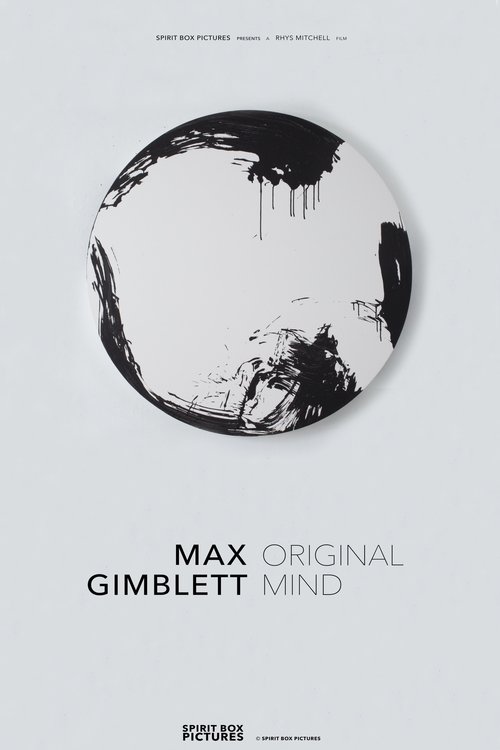
Max Gimblett: Original Mind documents the life and process of eccentric, creative genius Max Gimblett. One of New Zealand’s most successful and internationally prominent living painters, Gimblett has been working in America since 1962. The filmmakers spent a week in Gimblett’s Soho loft where he and his devoted studio assistants generously revealed the techniques and philosophy behind his beautiful art.
On 28 November 1979, an Air New Zealand jet with 257 passengers went missing during a sightseeing tour over Antarctica. Within hours 11 ordinary police officers were called to duty to face the formidable Mount Erebus. As the police recovered the victims, an investigation team tried to uncover the mystery of how a jet could fly into a mountain in broad daylight. Did the airline have a secret it wanted to bury? This film tells the story of four New Zealand police officers who went to Antarctica as part of the police operation to recover the victims of the crash. Set in the beautiful yet hostile environment of Antarctica, this is the emotional and compelling true story of an extraordinary police operation.
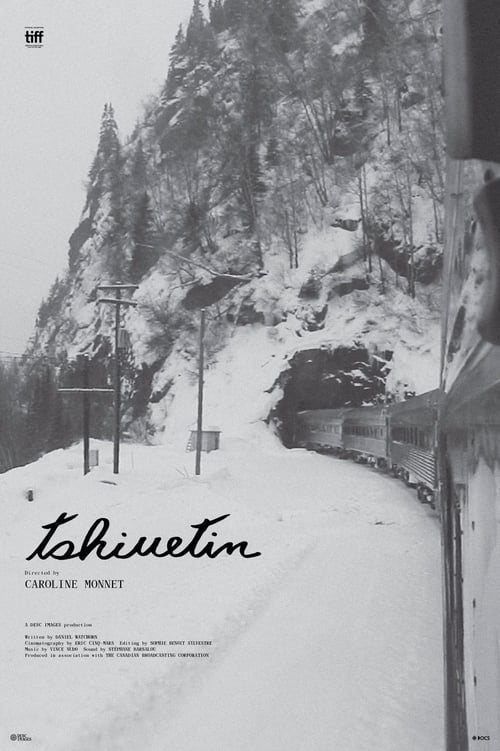
Take a breathtaking train a ride through Nothern Quebec and Labrador on Canada’s first First Nations-owned railway. Come for the celebration of the power of independence, the crucial importance of aboriginal owned businesses and stay for the beauty of the northern landscape.
Women talk about the circumstances that drove them to seek illegal abortions and the often traumatic result. Interwoven with historical photographs and newsreel footage, the stories expose how the reality of women's lives were counterposed to what was socially and morally expected of them.