Fuel Precision Satisfaction Transportation
A Documentary on the railways and their role in supporting the United States
Doomed attempt to get to California in 1846. More than just a riveting tale of death, endurance and survival. The Donner Party's nightmarish journey penetrated to the very heart of the American Dream at a crucial phase of the nation's "manifest destiny." Touching some of the most powerful social, economic and political currents of the time, this extraordinary narrative remains one of the most compelling and enduring episodes to come out of the West.
The incredible story of the Avro Lancaster, one of the finest bombers of the Second World War, which played a crucial role in the long and savage campaign to defeat Hitler's Third Reich. This documentary features interviews with surviving veterans of Bomber Command, who share frank personal accounts of their part in an aerial battle of attrition which claimed the lives of 55'000 aircrew.
No overview available.
A historical overview of Sisak, the city on three rivers, from the Roman era to the post-WWII industrialization.
Could our mounting modern problems have ancient solutions? Travel to the depths of China to find out.
A family portrait in which the director profiles his grandmother, Odette Robert. Eustache includes in the film the conditions of its production — he is seated at the table with her, pours her some whiskey, speaks with the camera operator, manipulates the clapboard at the head and tail of the reels, and even takes a phone call. Robert, who was seventy-one, speaks rapidly and tells the story of her life, starting from her early childhood in villages in the Bordeaux region of France. A shorter version of the film ("Odette Robert") was edited in 1980 to be broadcast on television on TF1. The complete film only gained exposure in 2002, when it was salvaged by Boris Eustache, Thierry Lounas, João Bénard da Costa, Jean-Marie Straub, and Pedro Costa.
100 Years of Wrigley Field celebrates a century of the greatest moments and best personalities of the ballpark on Chicago's North Side.
This History Channel documentary traces the Ottoman Empire from its beginnings in the 14th century to its incarnation as one of the largest empires in history, spanning three continents.
Leningrad, 1970. A group of young Jewish dissidents plot to hijack an empty plane and escape the USSR. Caught by the KGB a few steps from boarding, they were sentenced to years in the gulag and two were sentenced to death; they never got on a plane. 45 years later, filmmaker Anat Zalmanson-Kuznetsov reveals the compelling story of her parents, leaders of the group, "heroes" in the West but "terrorists" in Russia, even today.
The life and times of Leilani Muir, the first person to file a lawsuit against the Alberta provincial government for wrongful sterilization under the Sexual Sterilization Act of Alberta.
THE STRAIT GUYS follows Czech-born mining engineer, George, and his fast-talking protégé, Scott, along the proposed route of the InterContinental Railway through Alaska, to the Bering Strait and onward to Russia. The “Strait Guys” endeavor to convince international governments, corporations, and indigenous tribes to green-light their $100 billion railway project, which would provide ground-based infrastructure across the continents, relieve overcrowded Pacific ports, improve global supply chains, and ease tensions between the superpowers. The US and Russia have been successfully collaborating in space for decades. Now the Strait Guys are out to prove it is also possible down here on earth.
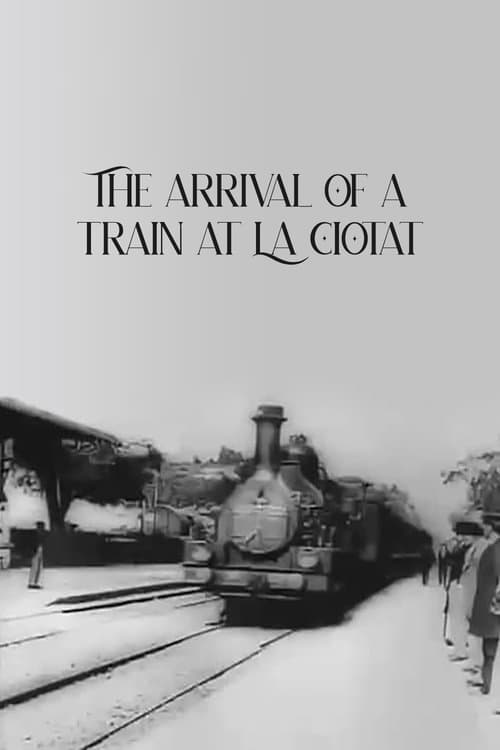
A group of people are standing along the platform of a railway station in La Ciotat, waiting for a train. One is seen coming, at some distance, and eventually stops at the platform. Doors of the railway-cars open and attendants help passengers off and on. Popular legend has it that, when this film was shown, the first-night audience fled the café in terror, fearing being run over by the "approaching" train. This legend has since been identified as promotional embellishment, though there is evidence to suggest that people were astounded at the capabilities of the Lumières' cinématographe.
A day in the city of Berlin, which experienced an industrial boom in the 1920s, and still provides an insight into the living and working conditions at that time. Germany had just recovered a little from the worst consequences of the First World War, the great economic crisis was still a few years away and Hitler was not yet an issue at the time.
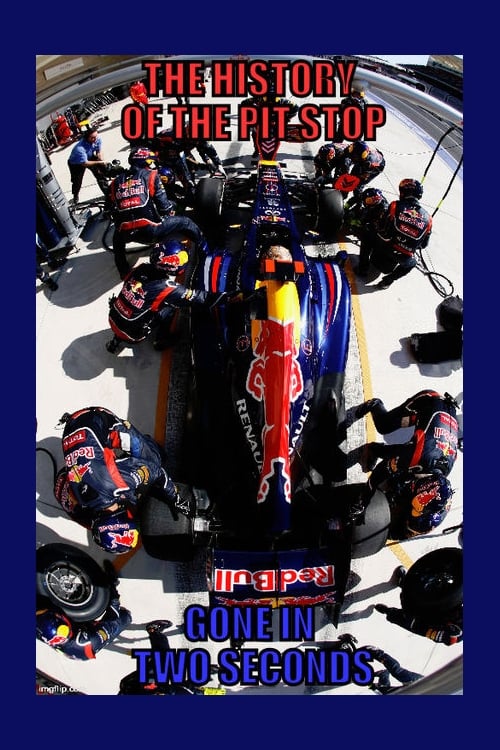
The mavericks who pioneered the modern pit stop made it a raceday staple that takes less than two seconds.
He was the most prolific within the New Portuguese Cinema generation. He would try western spaghetti, esoteric allegory, supernatural, and science-fiction. Without state subsidies, he would quit filmmaking in the 1990s. Who remembers António de Macedo?
A documentary on the dark and brutal side of the Samurai warrior clans featuring the life of peasant Masa who is pressganged into the ruthless world of the Samurai.
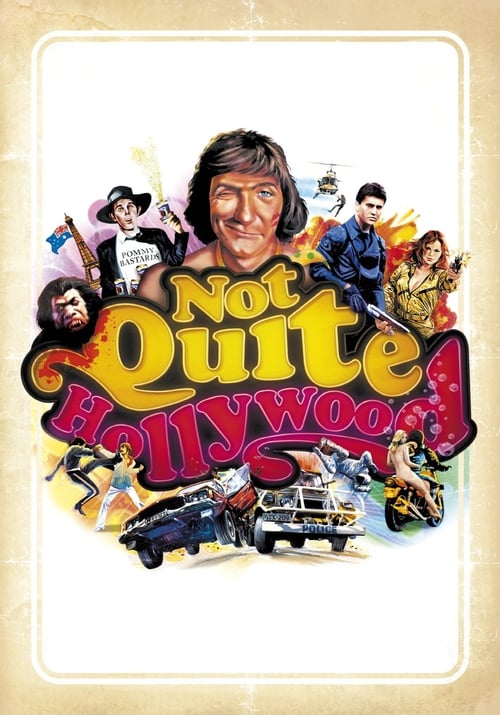
As Australian cinema broke through to international audiences in the 1970s through respected art house films like Peter Weir's "Picnic At Hanging Rock," a new underground of low-budget exploitation filmmakers were turning out considerably less highbrow fare. Documentary filmmaker Mark Hartley explores this unbridled era of sex and violence, complete with clips from some of the scene's most outrageous flicks and interviews with the renegade filmmakers themselves.
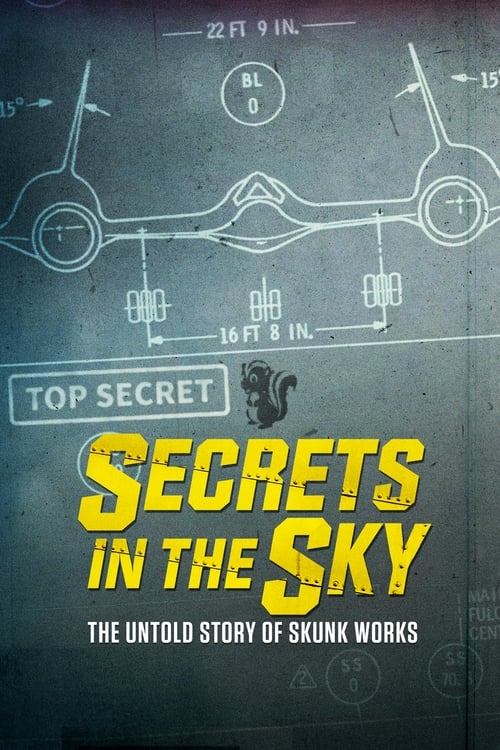
In 1943, in a circus tent in Burbank, CA, a bunch of revolutionary thinkers first gathered together in secrecy to build America's first jet fighter. They were rule benders, chance takers, corner cutters-people who believed that nothing was impossible. I
Narrator
No Trailers found.