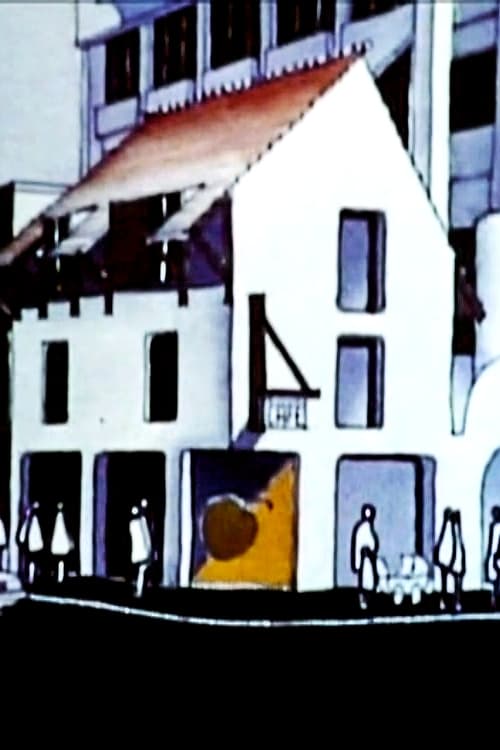
A visual essay on contemporary Kiwi architecture.
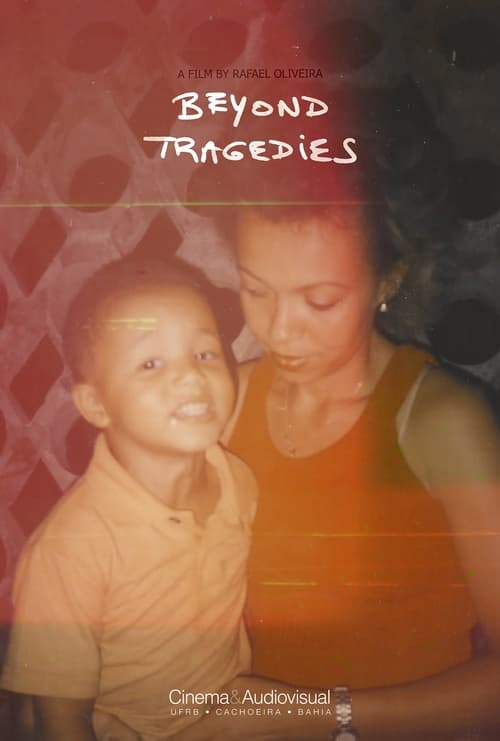
Recalling his childhood and relationship with his mother, a film student tries to understand the origin of his love for cinema and tragedies.
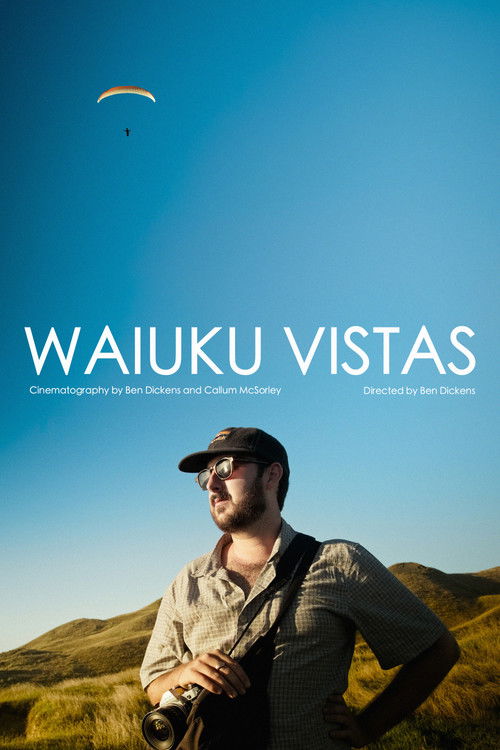
Waiuku Vistas is observational documentary exploring the feeling and mana of Waiuku, New Zealand. Follow two filmmakers as they shoot, capture and document the beauty of the land in the space of a day.
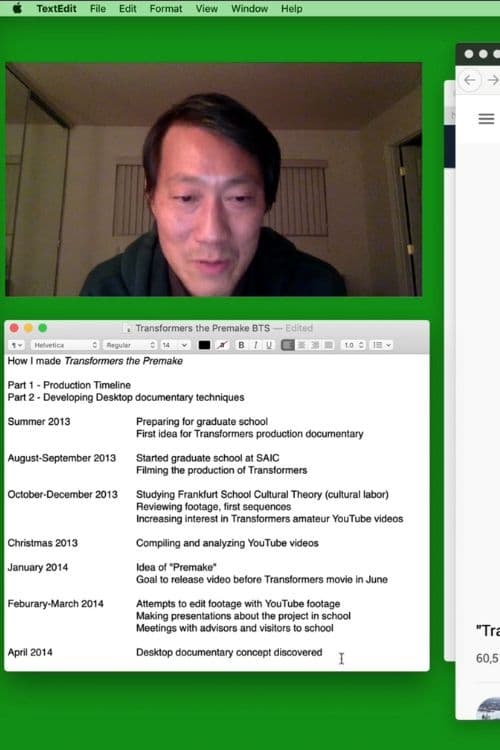
The mind process behind the film, Transformers the Premake, explained by Kevin B Lee himself.
Four filmmakers working in the region of Galicia (in the northwest of Spain) follow and portray on the screen Galician artists working in disciplines of different nature. The result is four pieces around the creative process of these artists. Lois Patiño film their parents working on their paintings in their studio in Vigo, Jaione Camborda films dancer Janet Novás rehearsing for one of her pieces, Xisela Franco follows film director Margarita Ledo revisiting the location of her latest film Nation and Alfonso Zarauza reflects on the relationship between actress-director by putting together the work of Melania Cruz in two of their collaborations.
No overview available.
A film about non-territorial office space, multi-mobile knowledge workers, Blackberries and Miles&More. A road movie discovering the working world of tomorrow. This documentary will take you on a journey through the post-industrial knowledge and services workshops, our supposed future working place. In this new world work will be handled more liberally. Time clocks cease to exist. Attention is not compulsory any more. The resource “human“ comes into focus. The film closely follows the high-tech work force – people who are highly mobile and passionate to make their work their purpose in life. Further episodes resume this topic and lead into the world of modern office architecture and into the world of Human Resource Management.
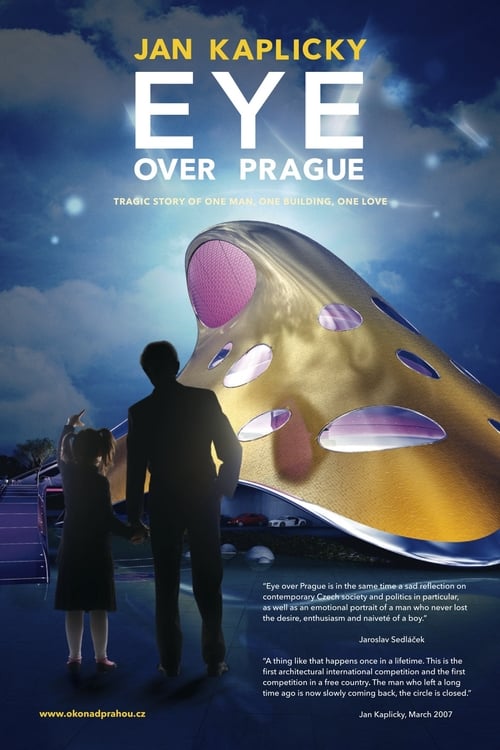
A personal and political biography of the Octopus, or the Prague National Library project, but also a biography of the last years of the life of the author of this design, Jan Kaplický, who wrote in his diary in 1998: to win the competition and have one love. With this entry, read by Eliška Kaplicky at the beginning of the film, it is as if the world-class Czech architect wrote not only the "script" for the final decade of his life, but also for a film that follows the dramatic social story of creative imagination and the intimate relationship between a man and a woman.
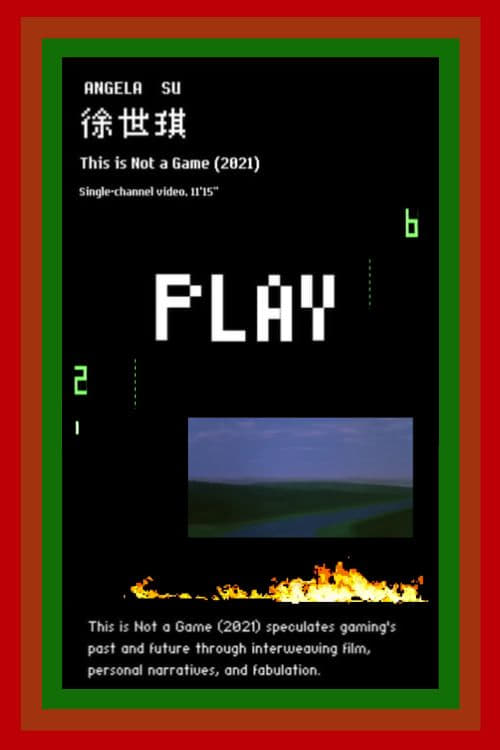
Angela Su’s fictional artist Rosie Leavers is the last remaining person to upload her consciousness to a video game. Contemplating during a pandemic year which also saw people’s resistance movements in many parts of the world, the work pinpoints the uncanny affinities between gaming and warfare strategies. They have mutually informed the infrastructure of both worlds since time immemorial when diplomatic conflicts played out on the battlefield of the 64 squares of a chess board to flight simulation technologies which were adapted to shape gaming experiences as we know it now. When the conflict is between the state and its people, she speculates that gaming strategies empower civilians in resistance movements to counter imperialism through its own operative logic. But once we upload our consciousness, are we able to return to the sensibilities and political motivation that inspired the revolution to begin with?
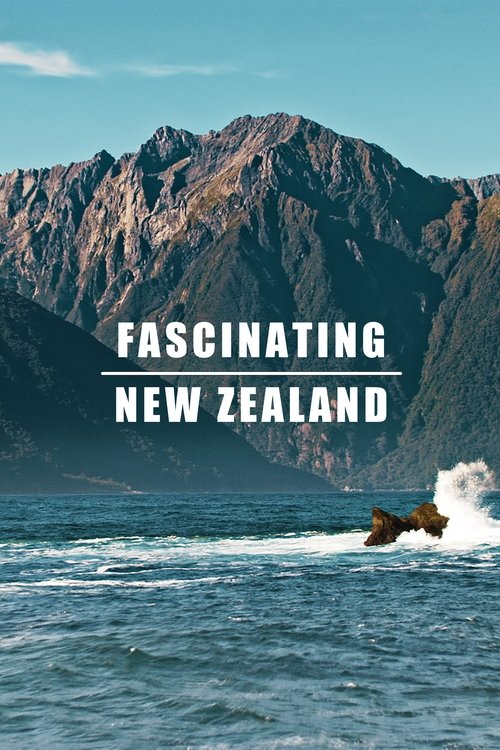
There are landscapes that hardly anyone has entered or seen: this film takes the viewer through New Zealand from the southern edge to the northernmost tip. High-quality images from the air, on land and in the water bring paradise to the other end of the world.
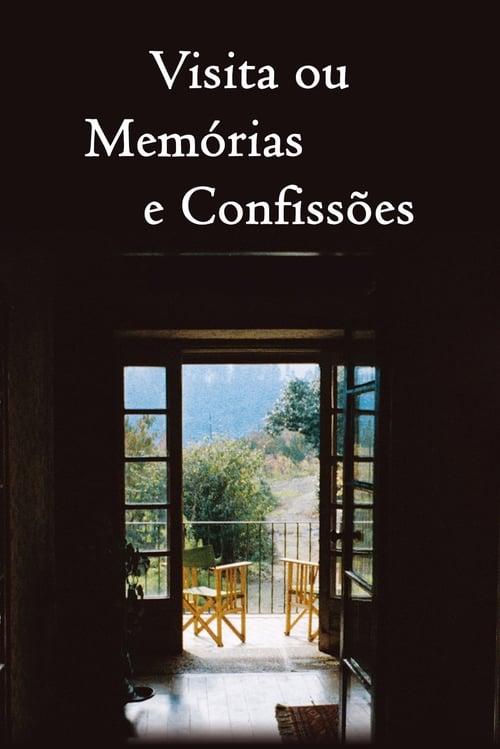
A long-hidden, personal doc about leaving a beloved house by the late, revered Portuguese director Manoel de Oliveira.
This film essay about mushrooms and their connections to other living things tries to use the structure of mushrooms to explain nature, science, and civilization, all the while searching for various analogies, such as the similarities between mycorrhiza and other structures.
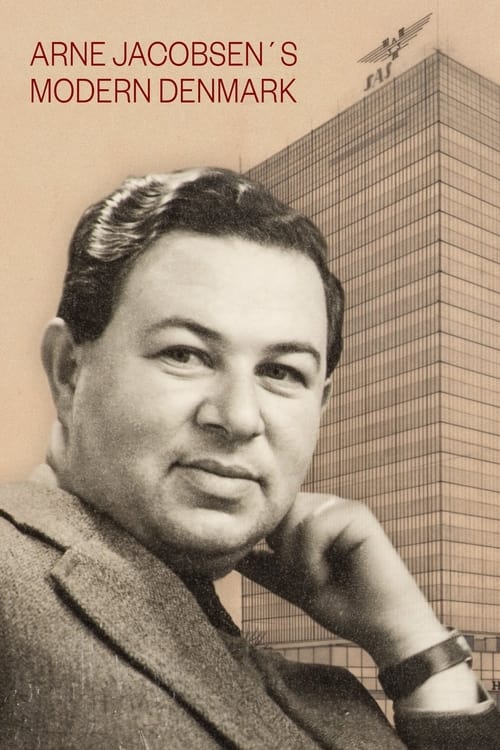
Danish documentary about the disobedient schoolboy with a talent for painting, who became one of Denmark’s greatest architects. His ideas were ahead of their time and often received criticism, but today, 50 years after his death, Arne Jacobsen's schools, town halls and libraries are still with us, and they define modern Denmark.
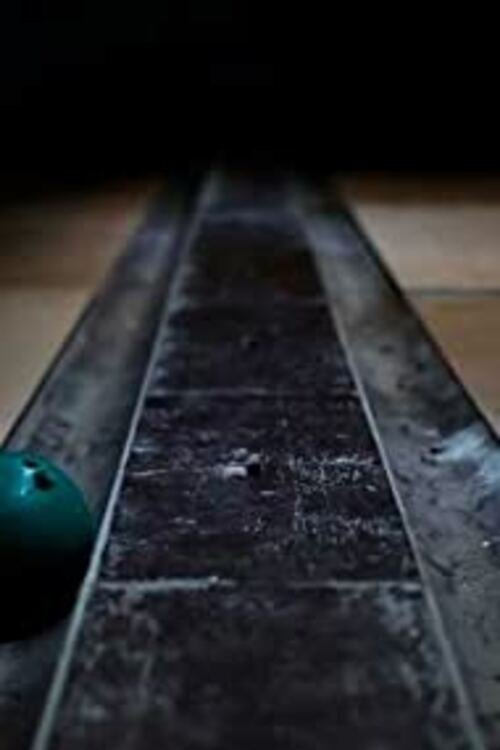
The “Bowlingtreff” is a bowling alley situated right in the centre of Leipzig opened in July 1987. At that time the quality of life in Leipzig and the whole GDR got worse. Houses collapsed because of poor conditions, public life and amusement was on a very low level. The “Bowlingtreff” was not merely an urban entertainment centre but a revolution in those days. Built with the help of hundreds of volunteers without permission of the state authorities in Berlin the building expresses a free and international architecture known as postmodernism. It is an architecture that was never seen before in Leipzig. Marble and parquet on the floor, a glass roof and beautiful pink pillars. The atmosphere was western as time witnesses remember it.
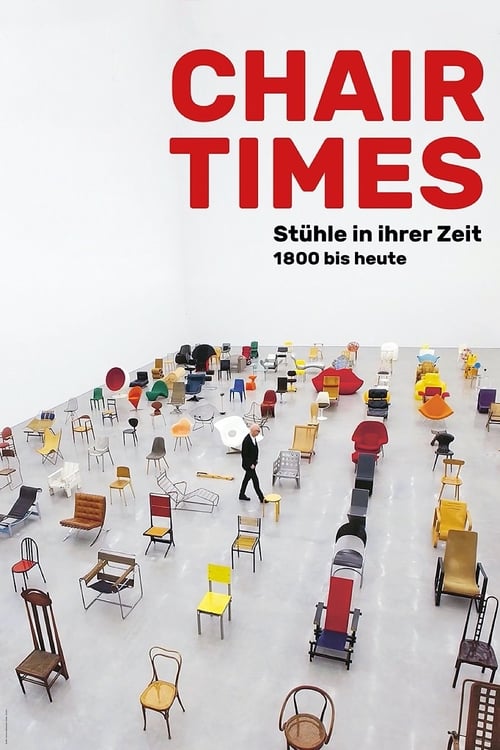
"Chair Times" charts a course through an ocean of chairs. In the focus are 125 objects from the Collection of the Vitra Design Museum. Arranged according to their year of production, they illustrate development from 1807 to the very latest designs straight off the 3D printer, forming a timeline to modern seating design. The film features many people whose vocations involve design and who are experts in the field, such as designers Hella Jongerius, Antonio Citterio and Ronan Bouroullec, architects and collectors Arthur Rüegg and Ruggero Tropeano, architect David Chipperfield, Director Emeritus of MAK Vienna/Los Angeles Peter Noever, Mateo Kries, Director of the Vitra Design Museum, Vitra Design Museum curators Amelie Klein, Jochen Eisenbrand and collection curator Serge Mauduit. And your guide through the history of chairs is Rolf Fehlbaum, Chairman Emeritus of Vitra.
A documentary following acclaimed Kiwi musician and actor Stan Walker as he opens up his world to the public, sharing his most intimate moments over the last nine months.
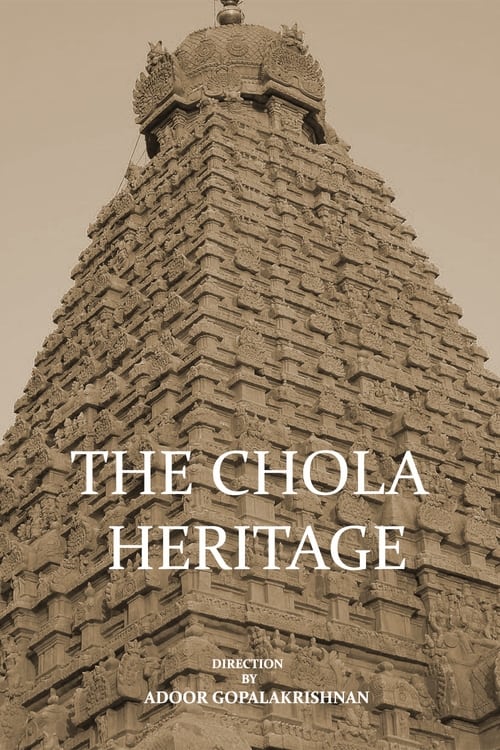
The film highlighting the Dravidian temple architecture and bronze sculpture which attained the creative pinnacle during the rule of the Cholas in the 10th and the 11th centuries. Cholas were great temple builders. The temple of Vijayalaya Cholesvara is one of the finest examples of the early Chola style. The temple of Nagesvara at Kumbakonam is remarkable for the sculptures found in the niches of its outer walls. The Brihadesvara temple at Thanjavur is a landmark in the evolution of building art in India.Among several such unique temples, Tribhuvanam is the last important temple belonging to the Cholas. Besides temple architecture,the bronze sculpture of the Cholas holds a unique place in the field of art. One of the most important and famous of all Hindu icons,that of the cosmic dance of the Nataraja is intimately associated with the Chola bronzes.
For most of America's history, sacred buildings represented our greatest feats of innovative engineering and artistic design. Unlock the elements of design that make these structures so fascinating and unveil the meaning in religious architecture, ranging from grand cathedrals and simple country churches to synagogues and mosques.
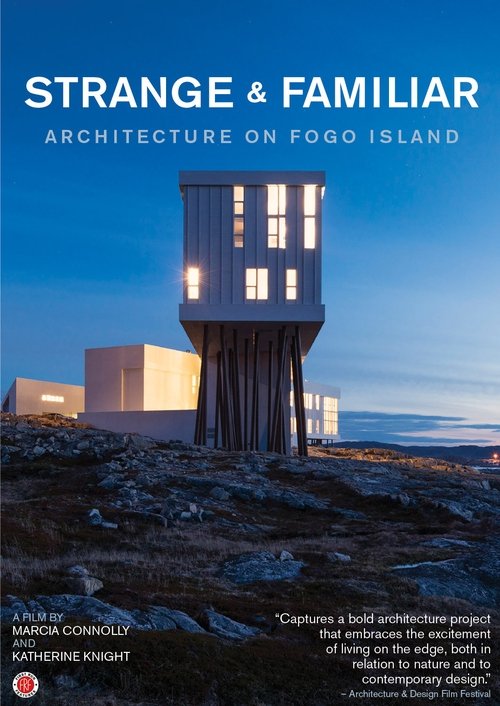
Architect Todd Saunders’s buildings on Fogo Island, Newfoundland embrace the excitement of being on the edge of nature and contemporary design while fulfilling the goal of doing ‘new things with old ways’. Saunders and commissioner, Zita Cobb, provide a personal account of the ideas and traditions that inspire this bold and socially ambitious architectural venture. Gorgeously photographed over the Island’s seven seasons, the film is a flowing, visual narrative that unfolds over time as the principal stage of the project, the Fogo Island Inn, approaches completion.
Nine part documentary series on the advantages of the Neues Bauen architectural movement, particularly in addressing housing shortages.
No Trailers found.
Narrator (voice)