An experimental journey into nostalgia, media, and ownership.
Narrator #1
Narrator #2
No Trailers found.
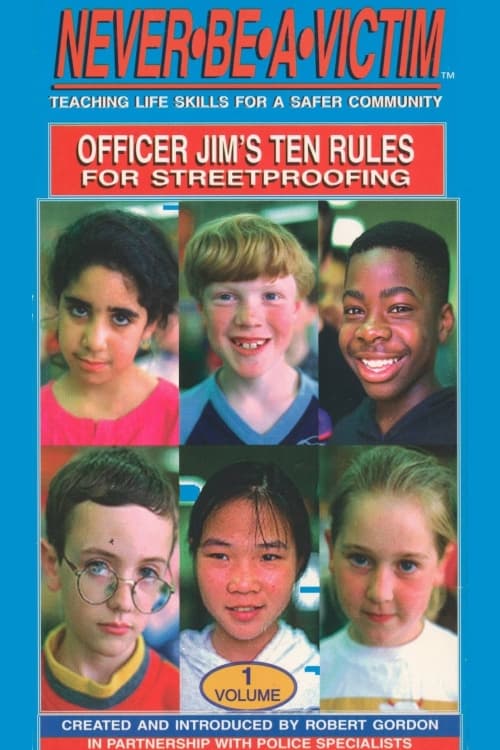
POLICE OFFICER JIM BYRNE, Canada's most honoured Safety Education Specialist brings you his famous TEN RULES, with which he has personally tested more than 25,000 students. Learn key strategies now taught in many schools and used by police working with the full NEVER BE A VICTIM Institutional Study Program. Develop your own personal streetproofing skills so you can train and test your family. Robert Gordon, who created this remarkable program in partnership with Metropolitan Police introduces this family video library against a backdrop of today's troubled society. TEACHING LIFE SKILLS FOR A SAFER COMMUNITY OFFICER JIM'S TEN RULES FOR STREETPROOFING • STRANGER MYTHS • ABDUCTION • BEING FOLLOWED • DANGEROUS PLACES • AVOIDING CARS AND VANS • GOOD TOUCHING-BAD TOUCHING
The rare short film presents a curious dialogue between filmmaker Julio Bressane and actor Grande Otelo, where, in a mixture of decorated and improvised text, we discover a little manifesto to the Brazilian experimental cinema. Also called "Belair's last film," Chinese Viola reveals the first partnership between photographer Walter Carvalho and Bressane.
Anne Bean, John McKeon, Stuart Brisley, Rita Donagh, Jamie Reid and Jimmy Boyle are interviewed about their artistic practice and the legacy of Surrealism on their work.
Using testimonies by pioneers and witnesses of the times, delve into the feverish visual culture the media generated – with far-fetched examples of canine television games, seduction manuals, aerobics class while holding a baby, among others.
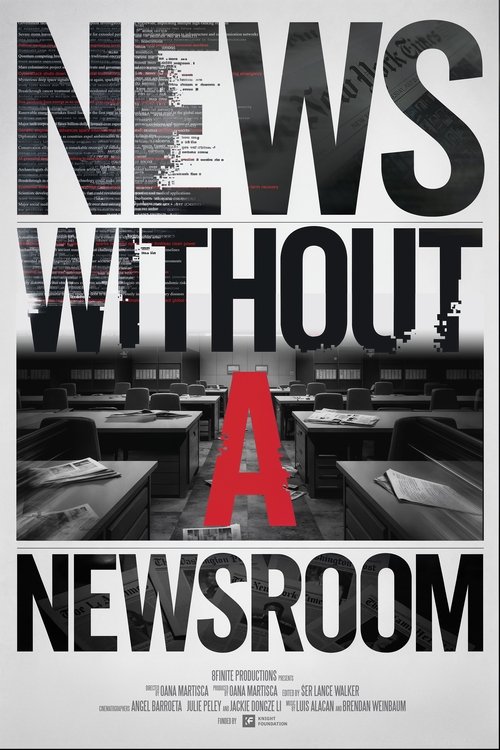
As local newsrooms vanish, "News Without a Newsroom" explores journalism's uncertain future in the digital age. Through powerful stories and expert insights, the film examines the collapse of traditional media, the rise of misinformation, and the fight to preserve truth, trust and accountability in an era of disruption.
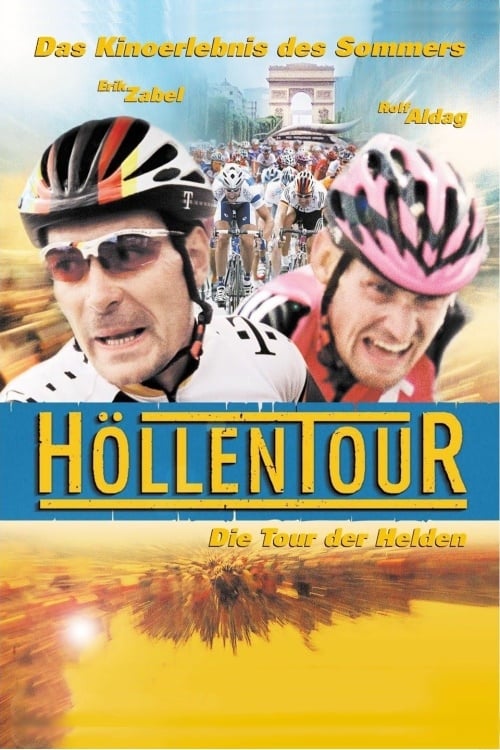
Year after year hundreds of thousands of fans line the route of the Tour de France, cheering on their heroes and willing them to victory, while millions of viewers worldwide tune in on their televisions. Academy Award-winning director Pepe Danquart, fascinated by the spectacle of the three week race, chose to focus on the courage, the pain and the fear of the riders of the Tour. Training his lens on German superstar sprinter Eric Zabel and his loyal domestique Rolf Aldag, Danquart captures the thrill of the race and the teamwork behind the stars of the peleton. He also shines light on the Tour's supporting cast - the director sportifs, masseurs, and, of course, the wildly enthusiastic fans. Reveling in the stunning landscape - from the Alps to the Pyrenees to the Massif Central to Paris - and with a nice dollop of Le Tour's history, HELL ON WHEELS transcends the sport it celebrates to reveal an astonishing human endeavor.
This experimental nature documentary by Minna Rainio and Mark Roberts depicts climate change and the wave of extinction from the point of view of our near future. Actually, it depicts the age we live in now, or rather its fateful consequences.
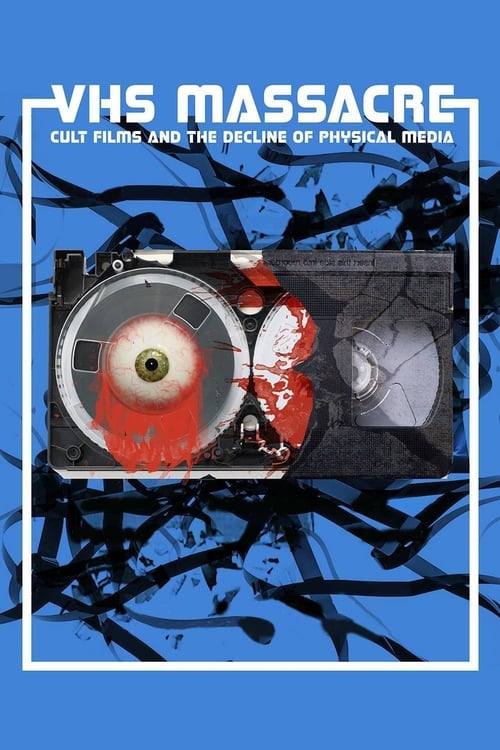
This lively documentary explores the rise and fall of physical media from the origin of film all the way through the video store era into digital media, focusing on B-movie and cult films. With icons like Joe Bob Briggs (MonsterVision), Lloyd Kaufman (Toxic Avenger), Greg Sestero (The Room), Debbie Rochon (Return to Nuke 'Em High), Deborah Reed (Troll 2), Mark Frazer (Samurai Cop), James Nguyen (Birdemic) and many others.
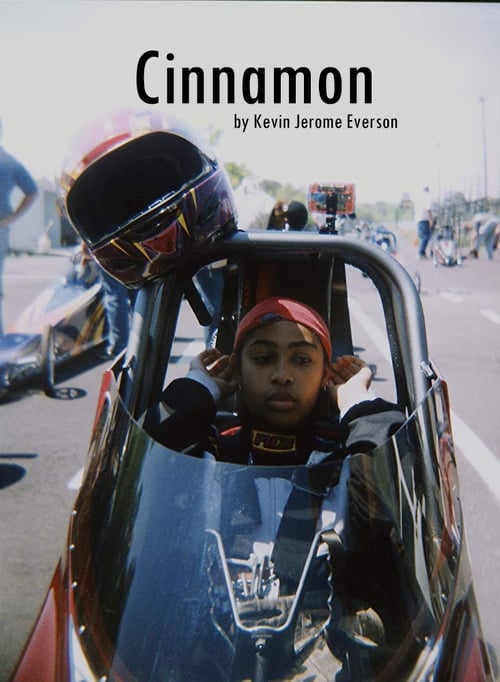
An experimental film that lifts the veil on the world of African American drag racing.
Tells a story about a blurry photo of a woman who works in the media industry in Indonesia. This movie has several perspectives. One point of view is of a woman who works in a media and the other is about the sexual minority, people who aren’t allowed to appear on television due to their sexuality.
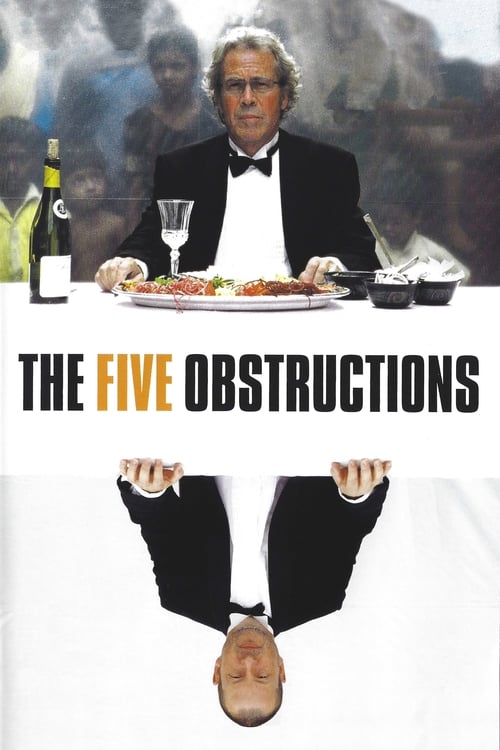
In 1967, experimental filmmaker Jorgen Leth created a striking short film, The Perfect Human, starring a man and women sitting in a box while a narrator poses questions about their relationship and humanity. Years later, Danish director Lars von Trier made a deal with Leth to remake his film five times, each under a different set of circumstances and with von Trier's strictly prescribed rules. As Leth completes each challenge, von Trier creates increasingly further elaborate stipulations.
Boogie Man is a comprehensive look at political strategist, racist, and former Republican National Convention Committee chairman, Lee Atwater, who reinvigorated the Republican Party’s Southern Strategy to increase political support among white voters in the South by appealing to racism against African Americans. He mentored Karl Rove and George W. Bush and played a key role in the elections of Reagan and George H.W. Bush.
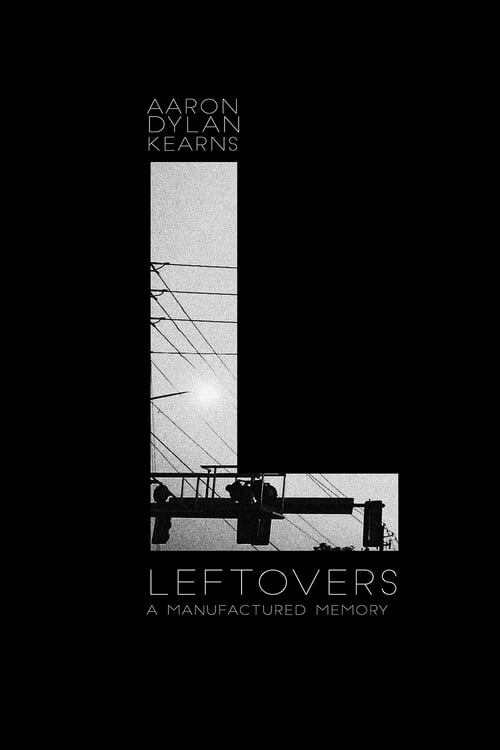
A manufactured memory.
This is a film made in Toronto, in memoriam, so to speak - a memory piece, a "piecing-together" of the experience of living there. The consciousness of the maker comes to sharply focused visual music - not to arrive at snapshots, as such, but rather to "sing" the city as remembered from daily living...complementary, then, to an earlier film, "Unconscious London Strata." Preserved by the Academy Film Archive in 2015.
Pun on "light" intended - that short preceding expulsion of breath perhaps the "subject matter" of this film which centers in consideration of death. It is the third tone poem film and did much surprise me by thus completing a trilogy of the "4 classical Elements." (SB)
Hip-Hop Culture and Graffiti Video Magazine
An experimental ethnographic documentary that criticizes the colonizer view of anthropology.
An anthology of one-minute films created by 51 international filmmakers on the theme of the death of cinema. Intended as an ode to 35mm, the film was screened one time only on a purpose-built 20x12 meter public cinema screen in the Port of Tallinn, Estonia, on 22 December 2011. A special projector was constructed for the event which allowed the actual filmstrip to be burnt at the same time as the film was shown.
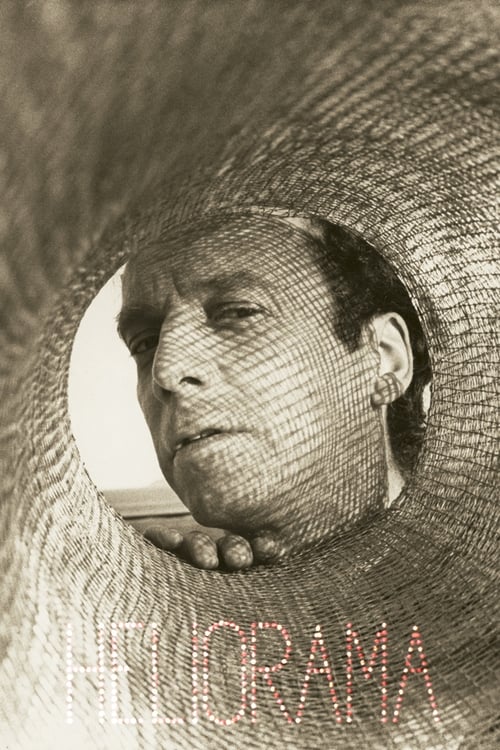
A collage of newsreels, trailers, clips and other visionary and unseen fragments of sight and sound regarding the late plastic artist Helio Oititica.
What kind of power is accessible through the discovery of a voice? Morgan Quaintance interlinks two anti-racist and anti-authoritarian liberation movements in South London and Chicago’s South Side with his own biography to explore what happens when speech is ignored, and the voice fades.