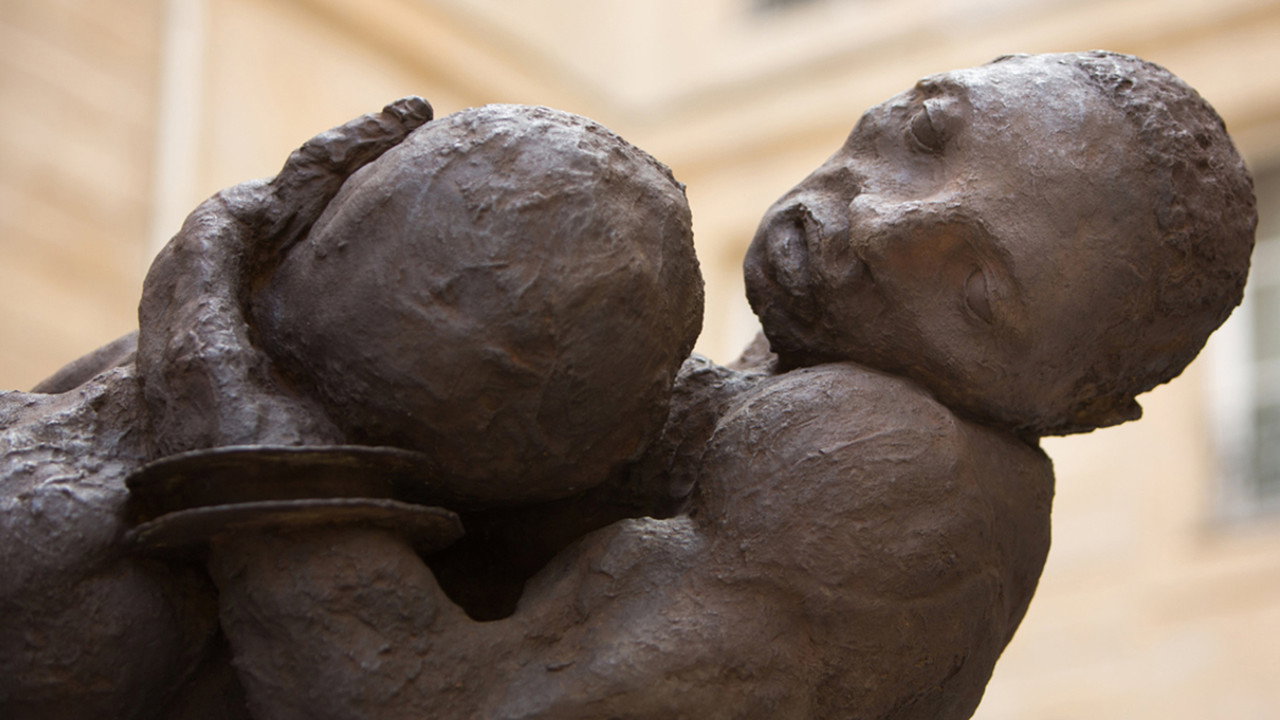
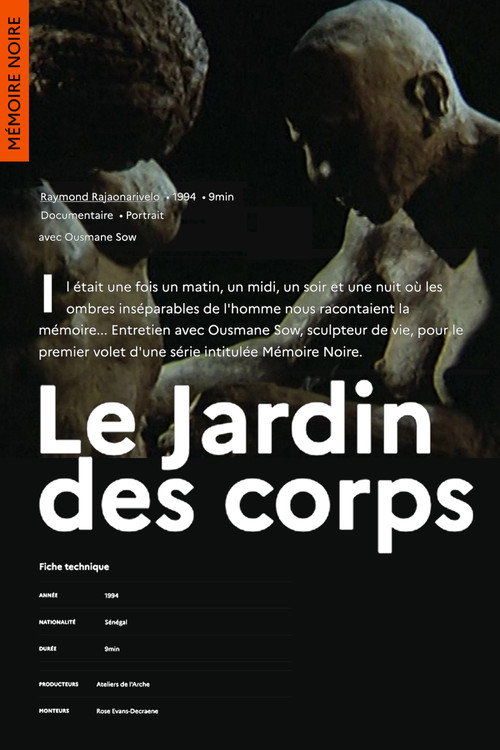
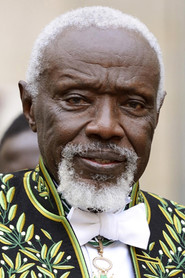
Once upon a time there was a morning, noon, evening and night when the inseparable shadows of man told us about memory... Interview with Ousmane Sow, life sculptor, for the first part of a series entitled Black Memory.
Lui-même
No Trailers found.
No overview available.
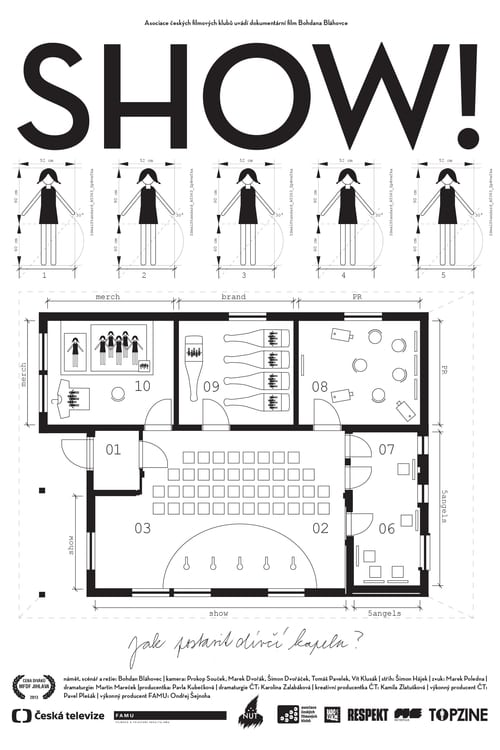
A surprisingly intimate portrait of how the dream of running one’s own business can take on monstrous contours. Managed by the father of one of the singers, over the course of five years the girl band 5Angels had reached the gates of pop fame. But it is a path paved not only with the songs of Michal David, but also with the dogged determination of a man who loses any notion of where his role as manager ends and his role as parent begins. An emotionally moved Karel Gott, five angelic girls, and one overly involved father, thanks to whom the behind-the-scenes pre-Christmas atmosphere melts away just as rapidly as the fat should disappear from the belly. “A singer can’t be a lard bucket!”
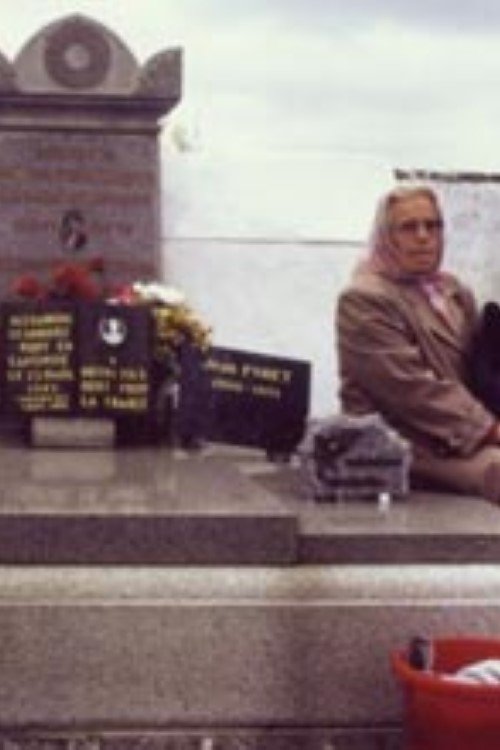
A village in Brittany. During the ten days leading up to All Souls Day, we can see it in its entirety "inhabiting" the cemetery, going from gravestone to gravestone for the rituals of cleaning, flowering and praying. Telling its story through its faces, its voices and its ambulations.
Stop for Bud is Jørgen Leth's first film and the first in his long collaboration with Ole John. […] they wanted to "blow up cinematic conventions and invent cinematic language from scratch". The jazz pianist Bud Powell moves around Copenhagen -- through King's Garden, along the quay at Kalkbrænderihavnen, across a waste dump. […] Bud is alone, accompanied only by his music. […] Image and sound are two different things -- that's Leth's and John's principle. Dexter Gordon, the narrator, tells stories about Powell's famous left hand. In an obituary for Powell, dated 3 August 1966, Leth wrote: "He quite willingly, or better still, unresistingly, mechanically, let himself be directed. The film attempts to depict his strange duality about his surroundings. His touch on the keys was like he was burning his fingers -- that's what it looked like, and that's how it sounded. But outside his playing, and often right in the middle of it, too, he was simply gone, not there."
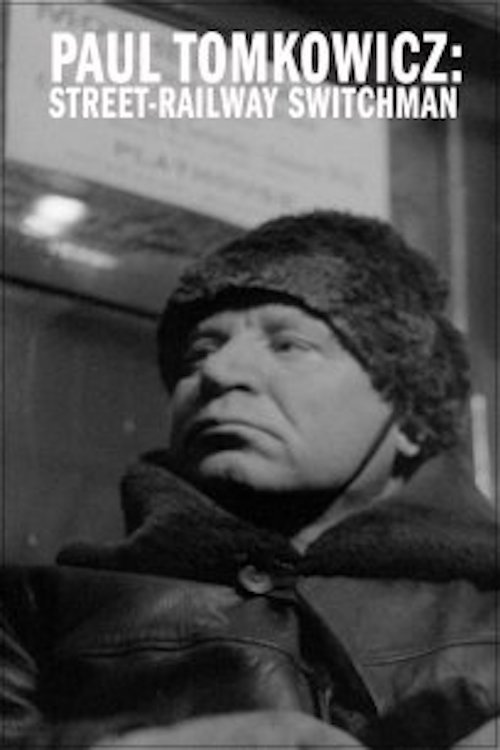
A self-narrated portrait of a Polish immigrant in Winnipeg whose unglamorous job keeping streetcar switches working reveals dignity, resilience, and pride in everyday labor.
Kirill can never see his hometown again: he fled Russia when Ukraine was attacked. His friend, Daniel, makes the journey and “cans Moscow” for him. Kirill discovers his “reconfigured” apartment; his bicycle hanging on the wall watches over his remaining comrades. In snowy Moscow, the lights are shining for the holidays. Kirill looks at the images: engulfed passers-by, war posters: “This is not my city”.
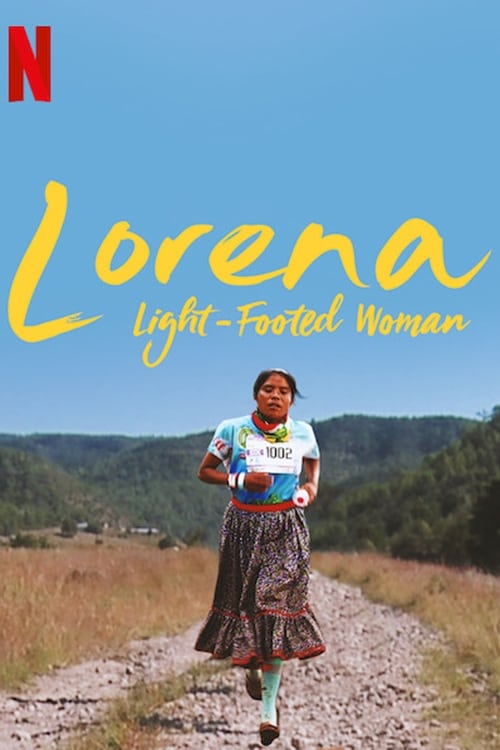
A young woman of the Tarahumara, well-known for their extraordinary long distance running abilities, wins ultramarathons seemingly out of nowhere despite running in sandals.
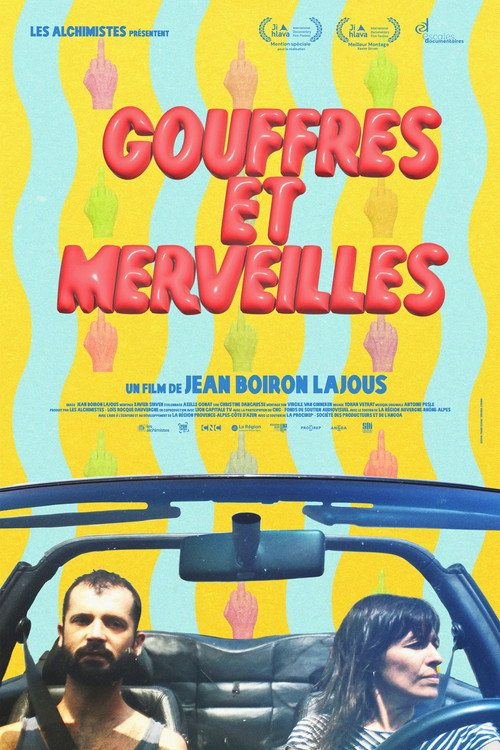
Christine’s father died when she was still a small child, and she remained in the care of her sadistic mother, who beat her and abused her psychologically. Christine is still convinced that her mother hid a farewell letter from her beloved father. Jean’s father committed suicide several years ago, and left behind a lengthy letter, but Jean never found the courage to read it. Together, Christine and Jean embark on a unique road trip across the French countryside to visit Christine’s mother, and try to confront the past.
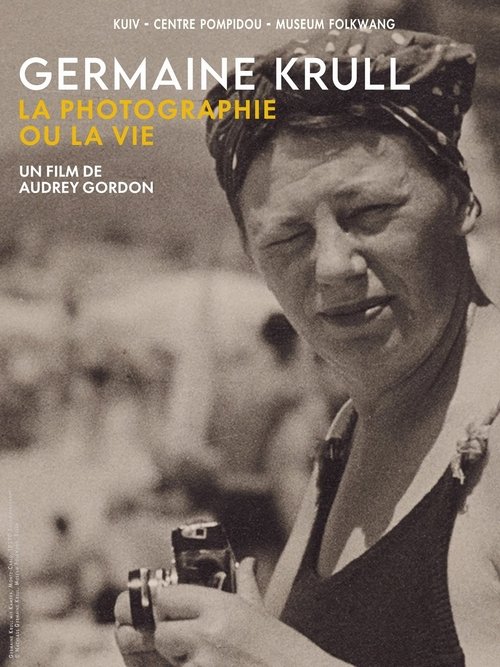
Alongside André Kertész and Man Ray, Germaine Krull invented the New Vision in photography, an innovative way of seeing and revealing the modern world. Recognized by the art world as one of the greatest photographers of the 20th century and a pioneer of photojournalism, Germaine Krull remains little known to the general public. Portrait of an artist, a great lover, and a free woman.
Fragments from a portrait of Jean-Louis Costes - sincere artist, versatile designer, poet of excess -, a man forever atoning his anguish through singing, performance, drawing and writing...
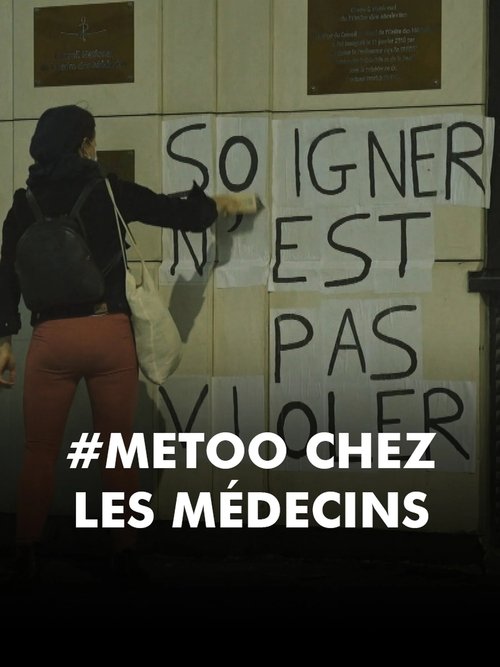
In turn, the medical community has been affected by the post #metoo movement denouncing sexual violence against women. It was about time. Assaults and rapes perpetrated behind closed doors in doctors' offices have gone unpunished for too long. For a victim, reporting them is almost as difficult as recounting incidents of incest. And the medical councils, which are mainly made up of men, have long turned a deaf ear to patients' complaints. When cases are brought before the courts, the justice system also struggles to prosecute these rapists. Recently, practices and names have been made public, complaints are multiplying, and women are daring to speak out. Could this be the end of complacency towards these criminals in white coats?
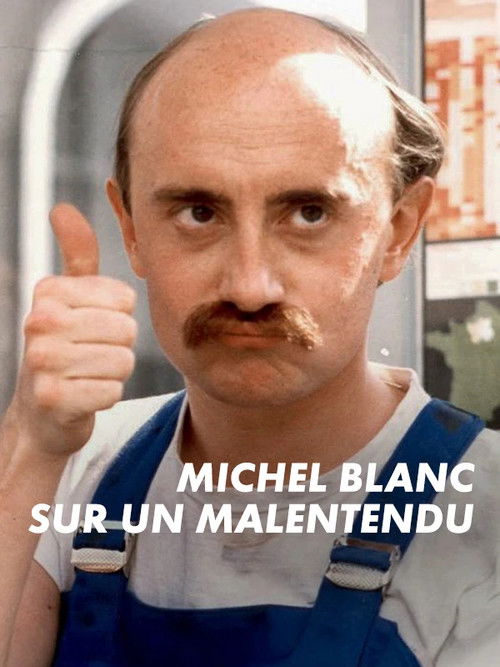
This documentary looks back on a career of a woman who, very early on, refused to accept the roles assigned to her. In the 1980s, while others were trying to please, she wrote "Les hommes préfèrent les grosses" (Men Prefer Fat Women), a manifesto ahead of its time, funny, feminist, and blunt. Later, with "Gazon maudit" (Damned Grass), she tackled homosexuality with a freedom that is still shocking today.
Documentary about what makes a house a home.
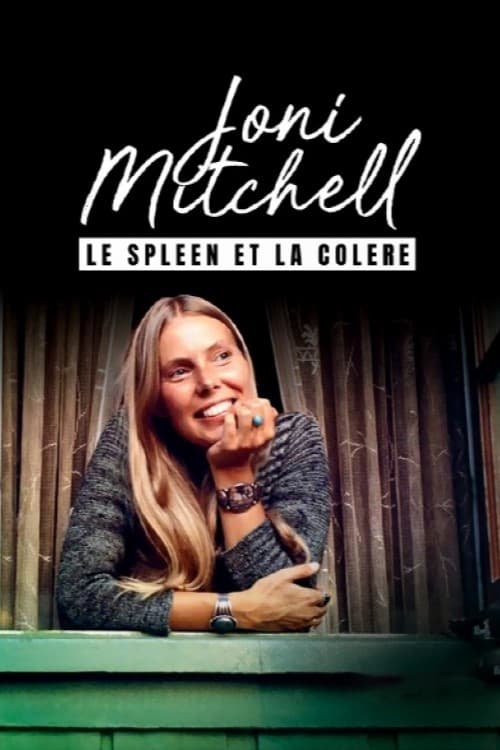
Joni Mitchell has been called the queen of folk music and one of the biggest pop stars of the 60s and 70s. Even today, her lyrics and unique guitar style continue to inspire new generations of singers and songwriters.
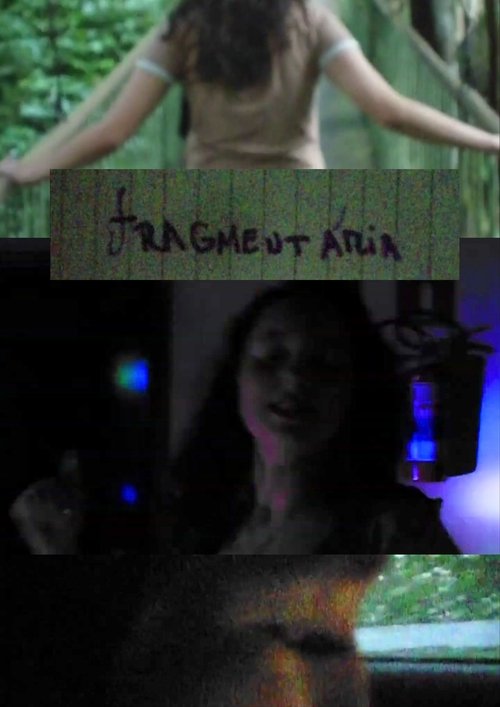
In an attempt to represent reality, the boundary between life and art blurs between fragmentary images of someone and the praxis of an essay film.
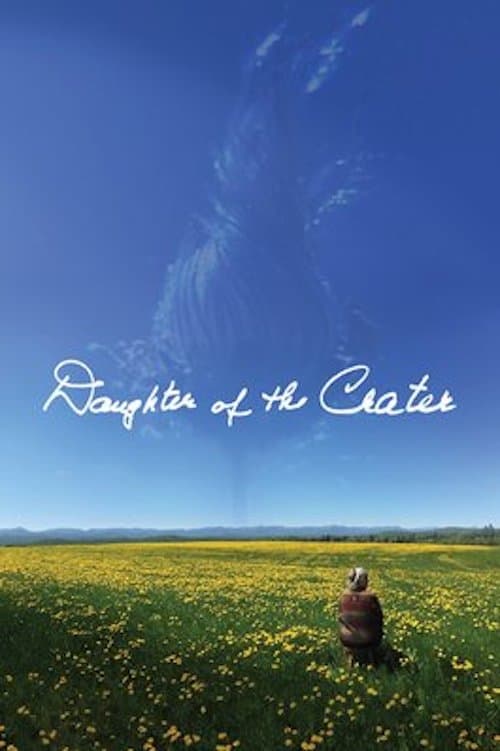
A woman with a deep love of the land, Yolande Simard Perrault sees her life as having been shaped by a planetary upheaval in Charlevoix, Quebec, millions of years ago. As enduring as the Canadian Shield, she’s a woman of strength and spirit, a child of the crater left by the meteor’s impact. This documentary portrays a determined woman who’s the reflection of a land created on an immense scale. She was the creative and life partner of filmmaker Pierre Perrault, who gave up everything to be by her side. The film charts the influence of her unquenchable dreams and her contribution to the building of a people’s collective memory. In a stream of images and words, Simard Perrault recounts the splendours of the landscape and the people who shaped it. Generous and boundless, she embarks on a quest for identity that nurtures and perpetuates the oeuvre of the man who breathed new life into Quebec cinema.