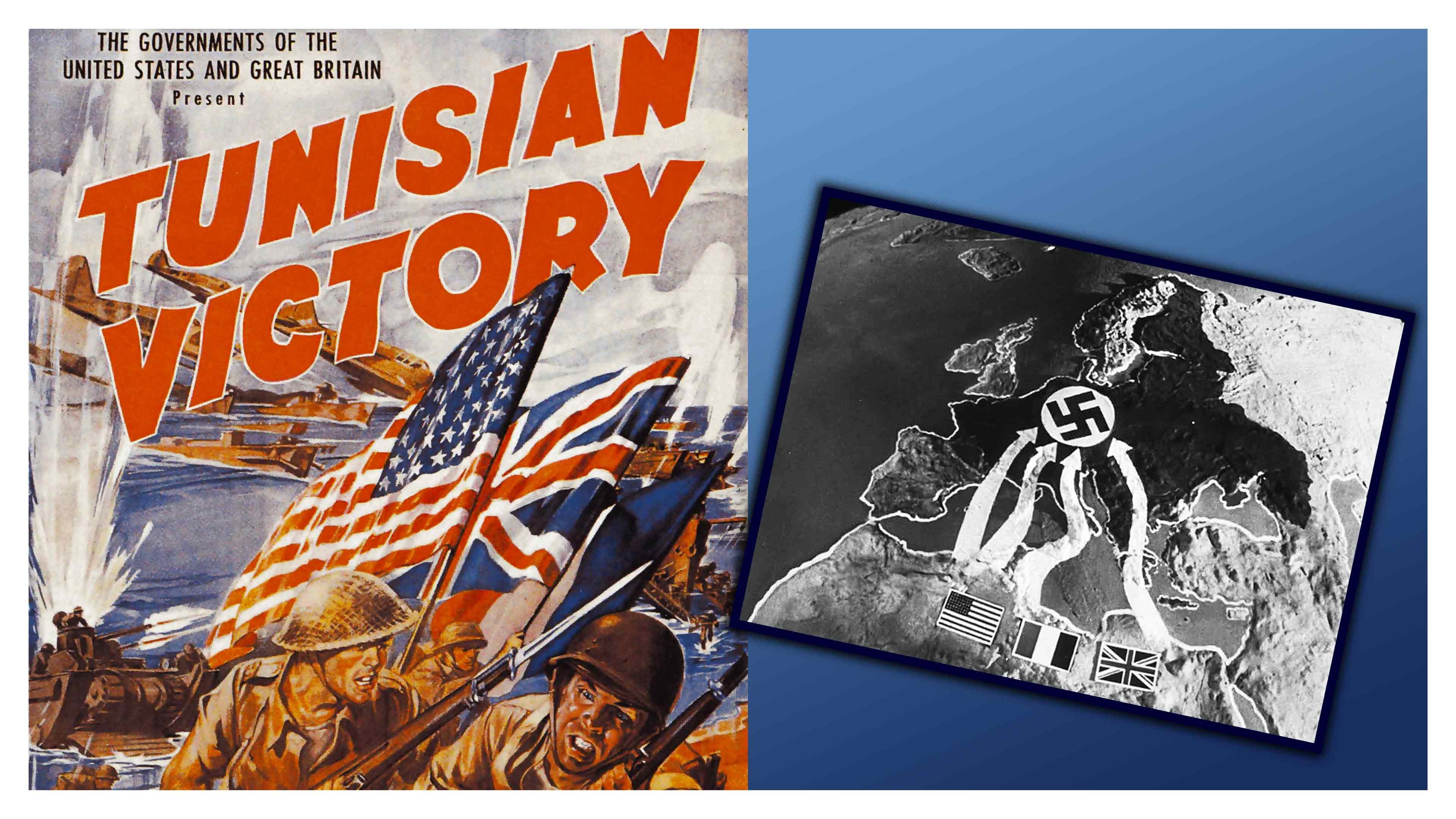
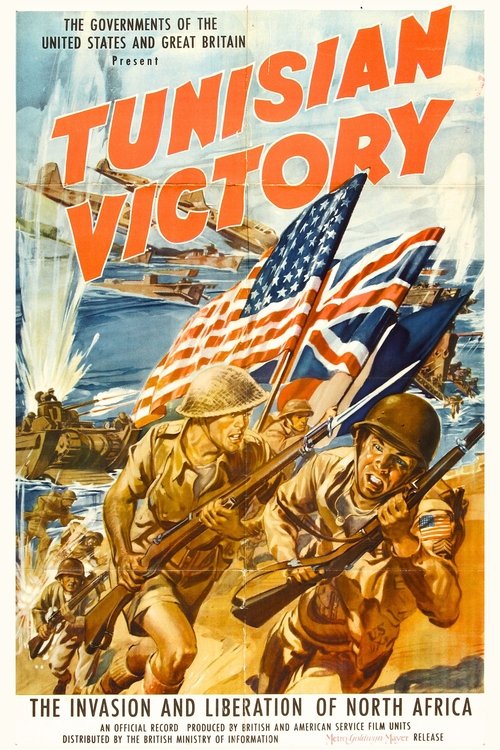
Documentary made by the U.S. Army Signal Corps after the North African campaign.
No Trailers found.
Narrator (voice)
American soldier (voice)
British soldier (voice)
Narrator (French version) / Récitant (voice)
Self (archive footage)
From growing potatoes in Green Park, London, to transforming rabbit crates into seed boxes – just a couple of the many ingenious ways of supporting the war effort which are covered in this film from the Ministry of Information.
Nazi propaganda film contrasting Germany in the days before Adolf Hitler became Chancellor with the Germany of "today" and how much better it is.
Journalist and director Hind Meddeb follows cult and controversial figures of the Tunisian rap scene as they clash with police and the ruling power. Rapper Weld El 15 (on the run from police while awaiting trial) and his friend, fellow artist Phenix, show her around their country, from working-class suburbs of south Tunis to the central regions' desert plateaux.
No overview available.
Over the past few years, Israel's ongoing military occupation of Palestinian territory and repeated invasions of the Gaza strip have triggered a fierce backlash against Israeli policies virtually everywhere in the world—except the United States. This documentary takes an eye-opening look at this critical exception, zeroing in on pro-Israel public relations efforts within the U.S.
A pragmatic U.S. Marine observes the dehumanizing effects the U.S.-Vietnam War has on his fellow recruits from their brutal boot camp training to the bloody street fighting in Hue.
Warsaw's Central Railway Station. 'Someone has fallen asleep, someone's waiting for somebody else. Maybe they'll come, maybe they won't. The film is about people looking for something.
An exploration —manipulated and staged— of life in Las Hurdes, in the province of Cáceres, in Extremadura, Spain, as it was in 1932. Insalubrity, misery and lack of opportunities provoke the emigration of young people and the solitude of those who remain in the desolation of one of the poorest and least developed Spanish regions at that time.
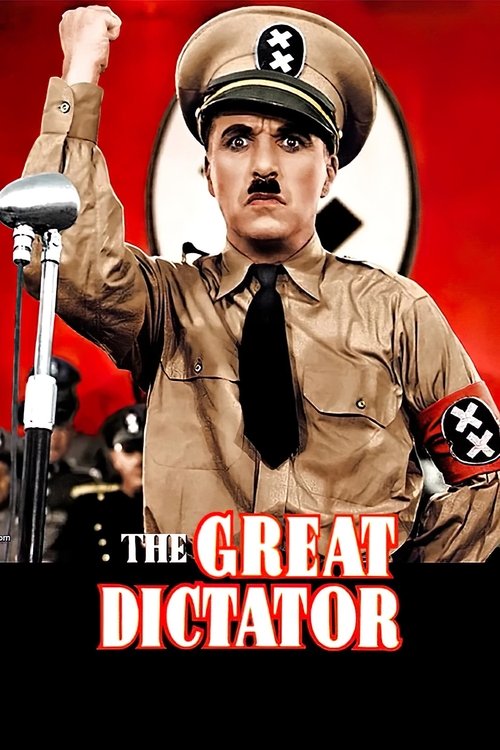
Dictator Adenoid Hynkel tries to expand his empire while a poor Jewish barber tries to avoid persecution from Hynkel's regime.
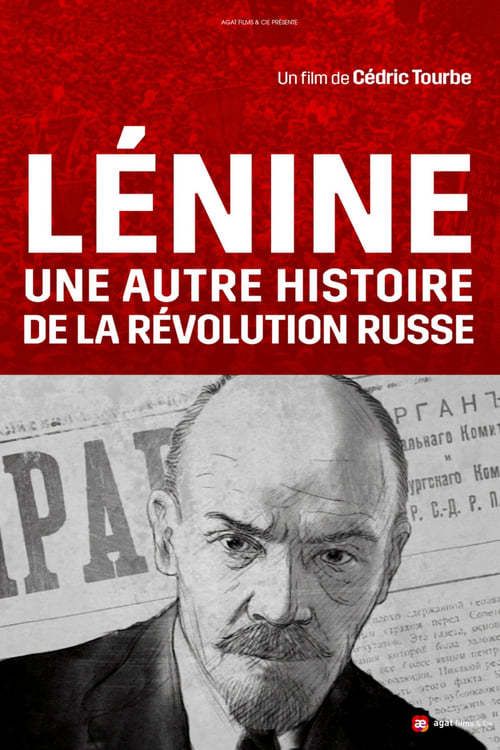
Vladimir Ilyich Ulyanov, better known as Lenin, is remembered as the instigator of the October Revolution of 1917 and, therefore, as one of the men who changed the shape of the world at that time and forever, but perhaps the actual events happened in a way different from that narrated in the history books…
Propaganda short film depicting the rise of Nazism in Germany and how political propaganda is similarly used in the United States. The film was made to make the case for the desegregation of the United States armed forces.
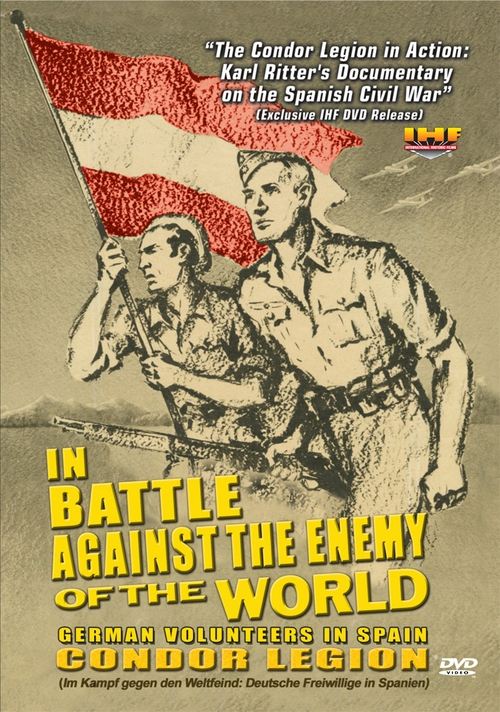
Nazi propaganda film about the Condor Legion, a unit of German "volunteers" who fought in the Spanish Civil War on the side of eventual dictator Francisco Franco against the elected government of Spain.
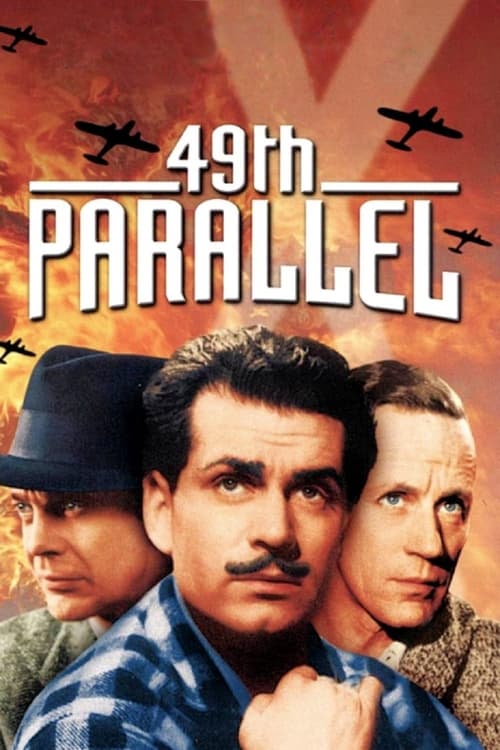
In the early days of World War II, a German U-boat is sunk in Canada's Hudson Bay. Hoping to evade capture, a small band of German soldiers led by commanding officer Lieutenant Hirth attempts to cross the border into the United States, which has not yet entered the war and is officially neutral. Along the way, the German soldiers encounter brave men such as a French-Canadian fur trapper, Johnnie, a leader of a Hutterite farming community, Peter, an author, Philip and a soldier, Andy Brock.
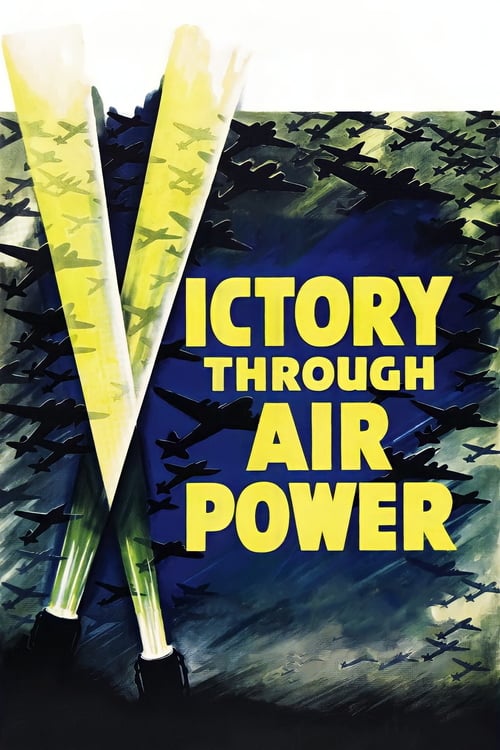
Based on the book by Major Alexander de Seversky's about his theories of the practical uses of long range strategic bombing. Using a combination of animation humorously telling about the development of air warfare, the film shows de Seversky illustrating his ideas of how air power could win World War II for the Allies.
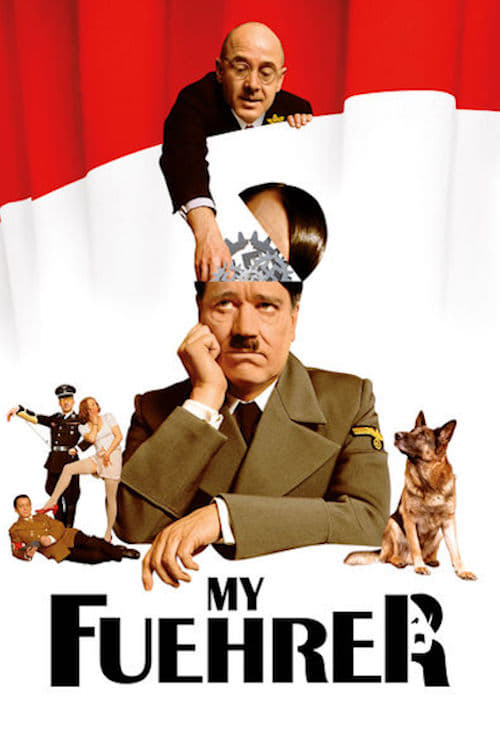
Hitler no longer believes in himself, and can barely see himself as an equal to even his sheep dog. But to seize the helm of the war he would have to create one of his famous fiery speeches to mobilize the masses. Goebbels therefore brings a Jewish acting teacher Grünbaum and his family from the camps in order to train the leader in rhetoric. Grünbaum is torn, but starts Hitler in his therapy ...
It was the biggest escape in the history of the Berlin Wall: in one historic night of October 1964, 57 East-Berliners try their luck through a tunnel into West Berlin. Just before the last few reach the other side, the East German border guards notice the escape and open fire. Remarkably, all the refugees and their escape agents make it out of the tunnel unscathed, but one border guard is dead: 21-year-old officer Egon Schultz.
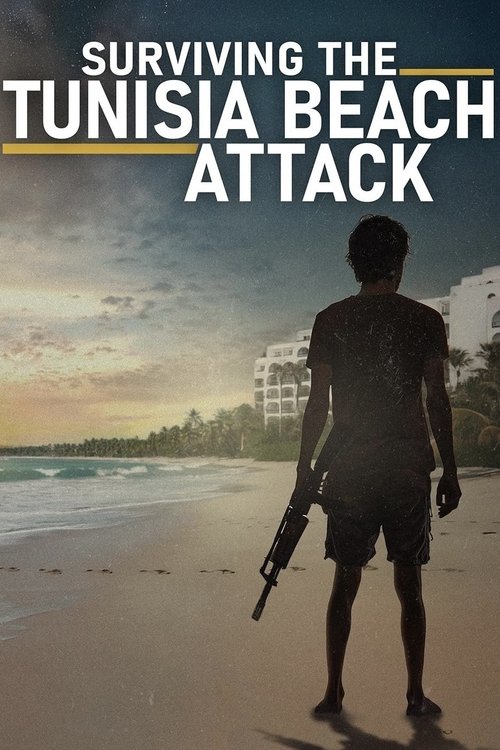
A documentary that provides an account of the tragic events that unfolded on June 26, 2015, at the Riu Imperial Marhaba Hotel in Sousse, Tunisia. This attack, carried out by a lone gunman affiliated with ISIS, resulted in the deaths of 38 people, including 30 British tourists, making it the deadliest terror attack on Britons abroad since the 2005 London bombings.
Events that took place in the capital of the Tajik SSR, the city of Dushanbe in 1929.
After the capture of Shanghai, Japanese soldiers make a trip to Suzhou.