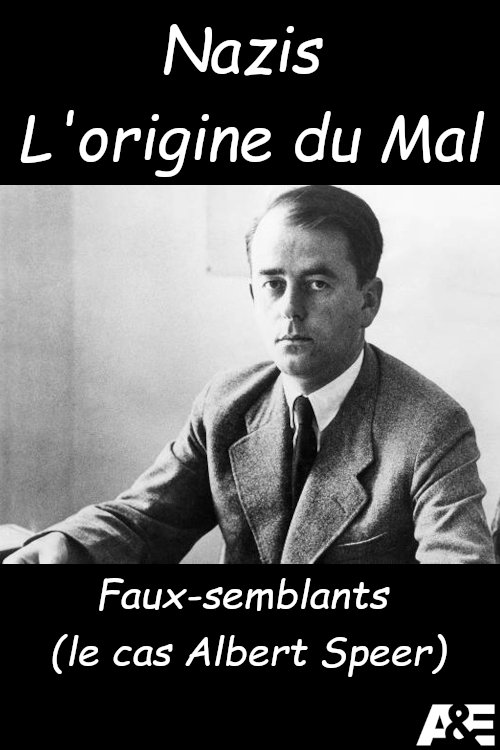
After the capture of Shanghai, Japanese soldiers make a trip to Suzhou.
No Trailers found.
No Cast found.
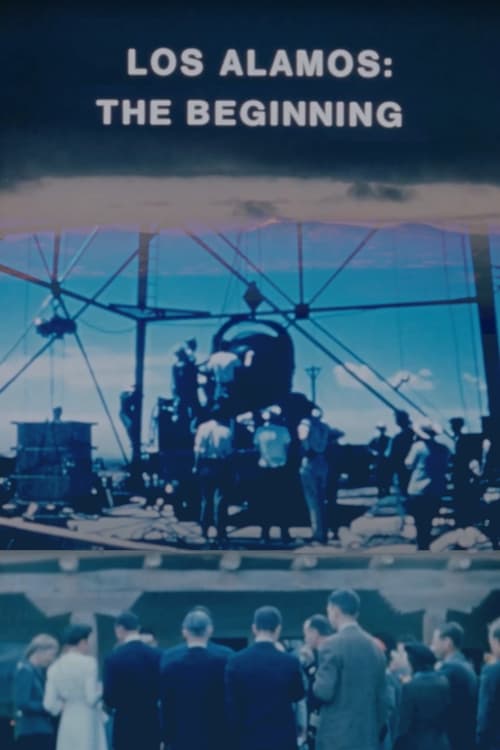
A documentary composed of historical footage and contemporary interviews from the men and women of Los Alamos, recalling their experiences of the community and the creation of the atomic bomb from the inception of the program in 1943.
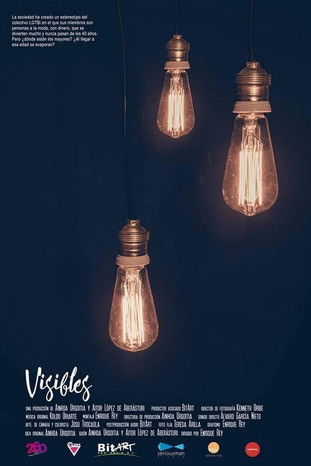
Society has created a stereotype of the LGTBQ collective in which its members are young people who are fashionable, who have money, who have a lot of fun and who never pass the age of forty. But where are the older ones? When they reach that age, do they evaporate? This documentary makes visible a little-discussed topic: old age.
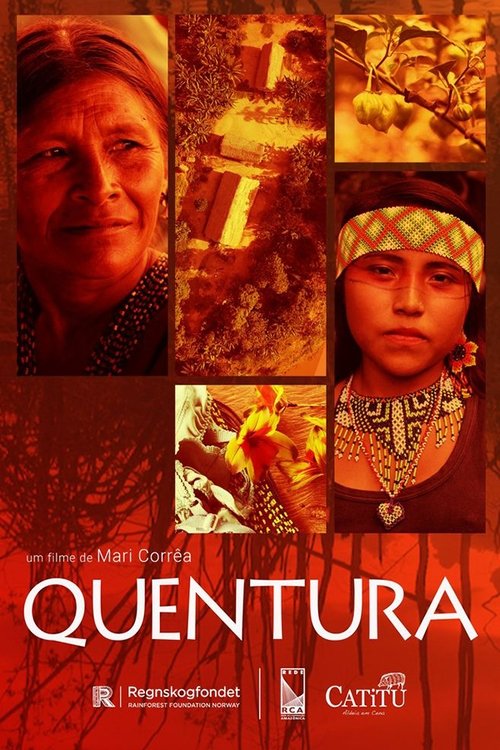
Too hot! The spawning fish do not come at the right time and the pepper plants end up dying in this heat. "This is a very different weather that not even the spirits can understand." From their gardens, homes, and backyards, the indigenous women of the Amazon involve us in their vast universe of knowledge while they observe the impacts of climate change in their ways of life.
No overview available.
A contemplation of life.
Low Kok Kee is 67. He runs a print shop in Chinatown, Kuala Lumpur, Malaysia. Foto Pak Tai has been faithfully serving the photography and printing needs of the local community since the 1940's. With the advent of the digital age and a rapidly fluctuating appetite of the young and hip, Pak Tai is a business in decline.
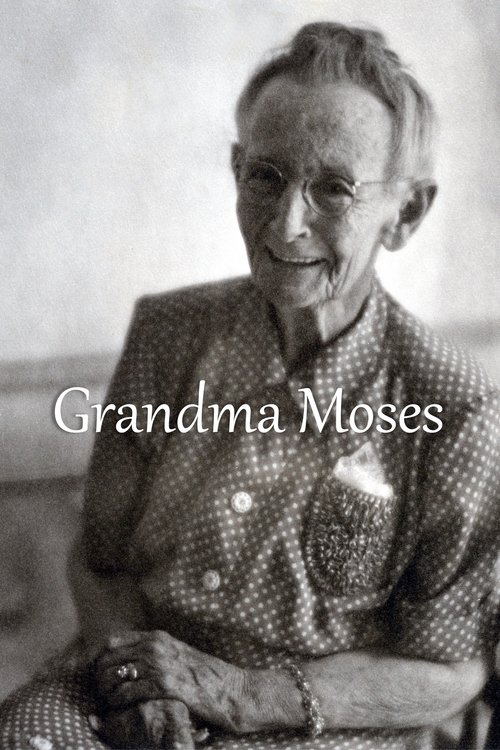
1950 short film portrait of the octogenarian folk artist. Nominated for an Oscar in the category "Best Short Subject, One-reel".
A short government funded industrial documentary showing the hard work and craftsmanship of labourers in the leather industry that otherwise goes unnoticed, (deserving as much attention as the exploits of a famous boxer).
A short documentary funded by the Belgian Ministry for foreign affairs showing the manufacturing and transportation of Belgian locomotives.
Internet comedian Carl Déman from the humor group JLC lived a life that looked glorious. But beneath the surface was a terrible gambling addiction that almost cost him his life. In 2019, he and other gambling addicts struggle to stay afloat in a contemporary age marinated in gambling advertising. Carl wants to ask those who make the advertising how they think and wonders why the advertising profiles now also come from the world of culture and entertainment.
This Warner Bros. short reviews in an often humorous way the impact of the automobile on the United States. By 1900, the horseless carriage was beginning to have an impact. Early adopters were often the object of attention by large curious crowds. There were many car manufacturers and the quality of their product varied considerably. Traffic jams, pollution and automobile racing were only a few of the outcomes.
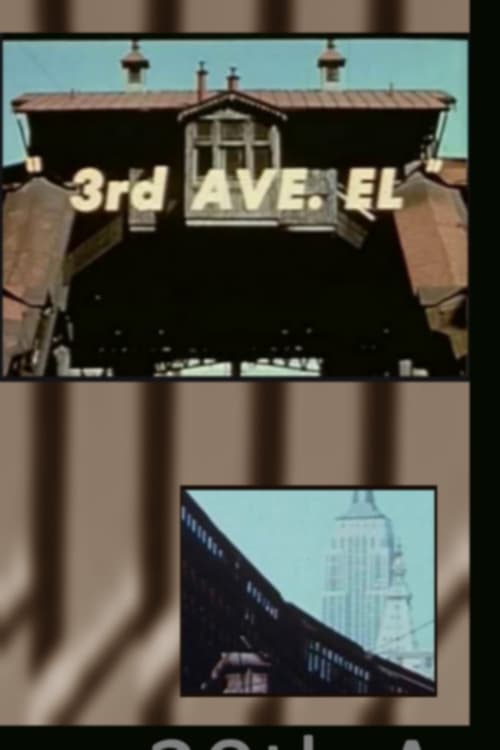
Impressionistic picture of the Third Avenue Elevated Railway in Manhattan, New York City, before it was demolished. Preserved by the Academy Film Archive in 2010.
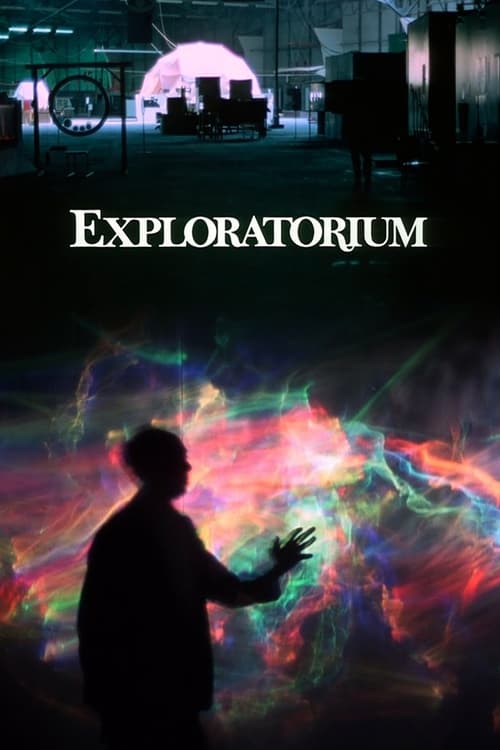
An Oscar-nominated film with no narration showing the Exploratorium (The Palace of Arts and Science) in San Francisco. It shows many of the exhibits and the reaction of visitors to many of these. Preserved by the Academy Film Archive.
Examines the mesmerising construction of clear crystal glass pieces created by the craftsmen of Waterford. The process from the intense heat of the furnace to glass blowing, shaping, cutting, honing, filling and finishing is all depicted in this celebration of the art of creation of Waterford Glass. Academy Award Nominee: Best Live Action Short - 1976.
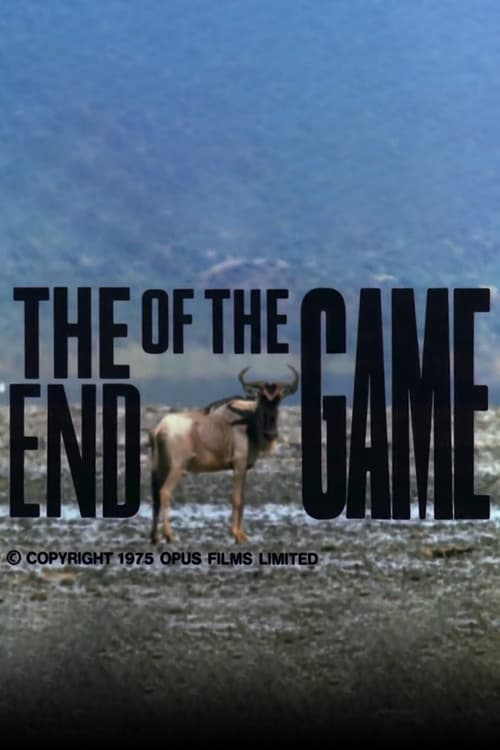
An intimate view of the panorama of African wildlife, giving a sense of what it is really like to be there, and in a dramatic climax makes a poignant plea for conservation. Filmed in Zaire, Kenya and Tanzania, the film takes the viewer from deep inside an anthill, to the majestic giraffes suckling their young. African storms, dung beetle ritual dances, duels for supremacy, feeding time, and playtime all end as the animals disappear one by one while the sound of a rifle shatters the existing magic of life. Winner of the Academy Award for Documentary Short Subject, 1976.
Longtime playwrights and performers of the Abbey Theatre share colourful reminiscences of the national institution founded by W.B. Yeats and Lady Gregory in 1904. Oscar Nominee: Best Documentary Short
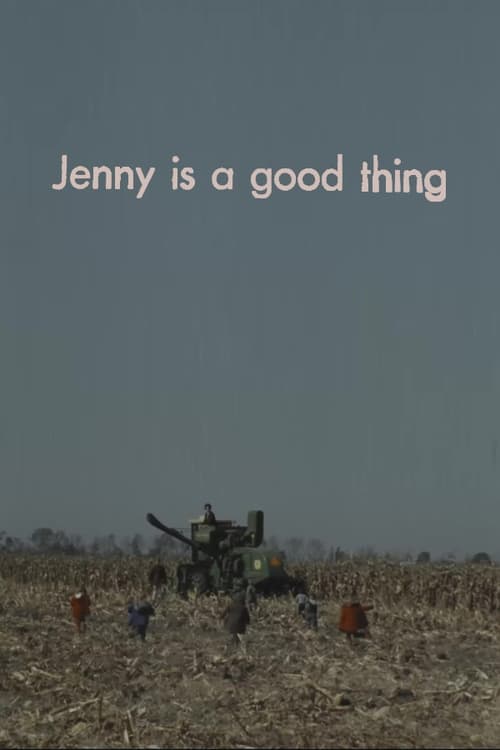
Jenny is a Good Thing is a 1969 American short documentary film about children and poverty, directed by Joan Horvath. Produced by Project Head Start, it shows the importance of good nutrition for underprivileged nursery school children. The film was nominated for an Academy Award for Best Documentary Short.