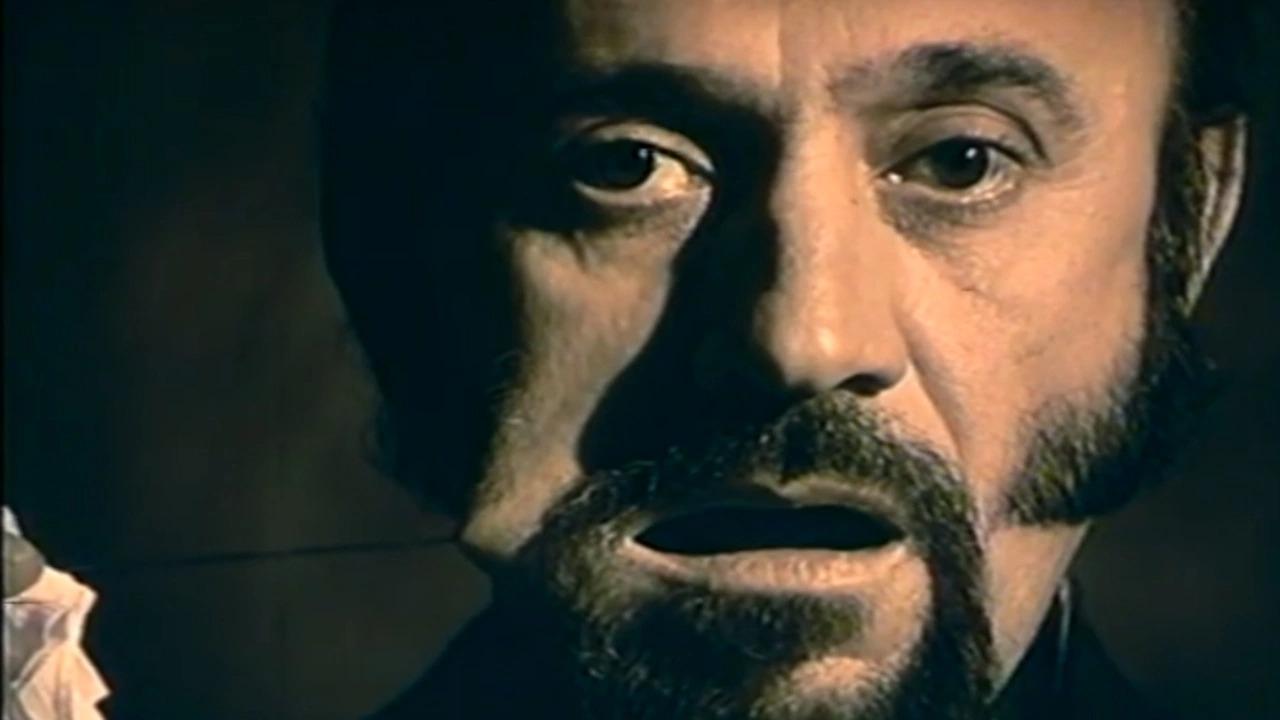
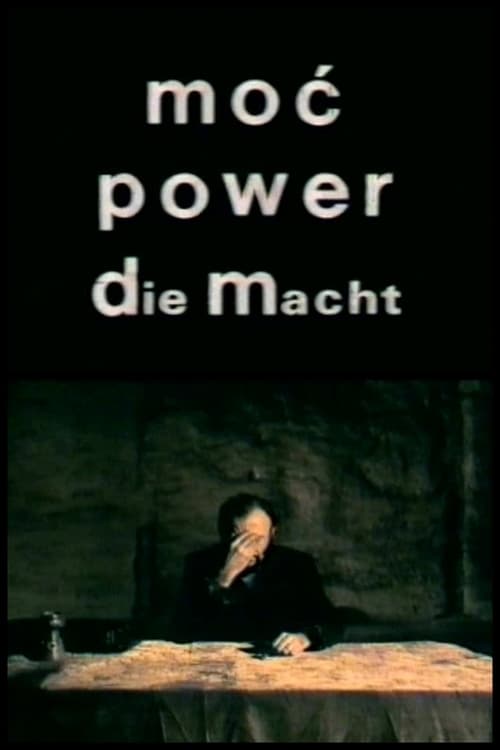
An insight into the lecture "How to rule the others" given by Mr. Slobodan Cirkovic 'Roko', a well-known Yugoslav experimentalist on telepathy and hypnosis.
Himself
No Trailers found.
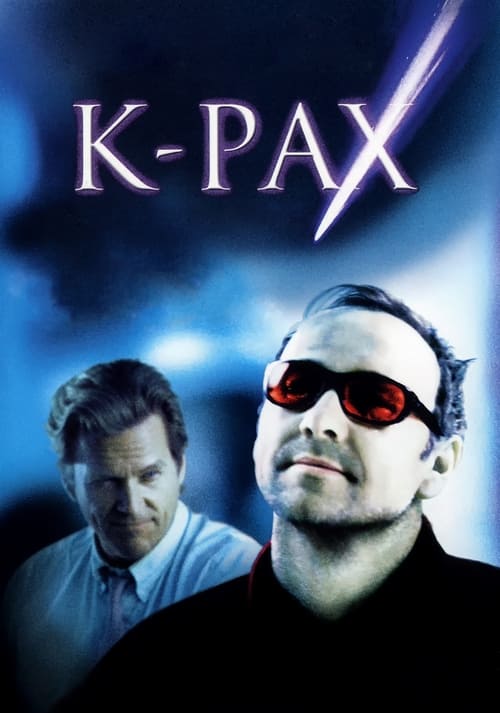
Prot is a patient at a mental hospital who claims to be from a far away planet. His psychiatrist tries to help him, only to begin to doubt his own explanations.
A day in the city of Berlin, which experienced an industrial boom in the 1920s, and still provides an insight into the living and working conditions at that time. Germany had just recovered a little from the worst consequences of the First World War, the great economic crisis was still a few years away and Hitler was not yet an issue at the time.
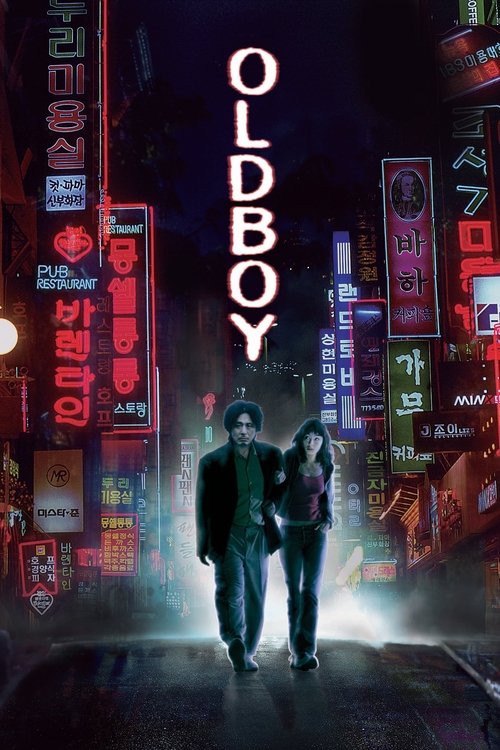
With no clue how he came to be imprisoned, drugged and tortured for 15 years, a desperate man seeks revenge on his captors.
In 1920s Chicago, Italian immigrant and notorious thug, Antonio 'Tony' Camonte, aka Scarface, shoots his way to the top of the mobs while trying to protect his sister from the criminal life.
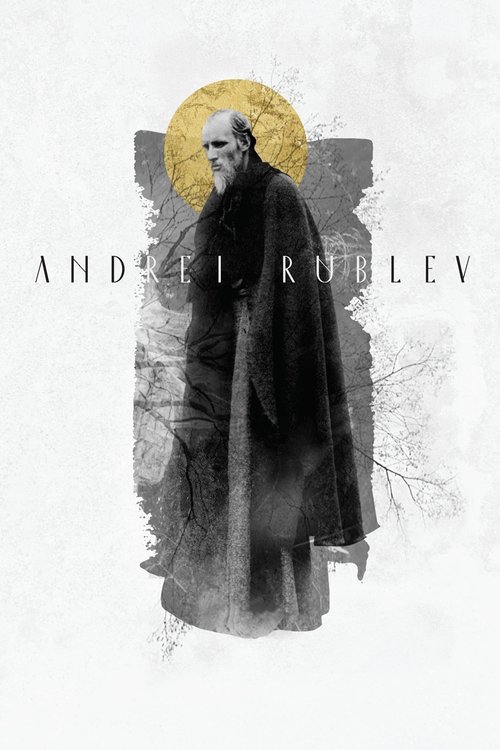
An expansive Russian drama, this film focuses on the life of revered religious icon painter Andrei Rublev. Drifting from place to place in a tumultuous era, the peace-seeking monk eventually gains a reputation for his art. But after Rublev witnesses a brutal battle and unintentionally becomes involved, he takes a vow of silence and spends time away from his work. As he begins to ease his troubled soul, he takes steps towards becoming a painter once again.
This film describes a psychological state "kin to moonstruck, its images emblems (not quite symbols) of suspension-of-self within consciousness and then that feeling of falling away from conscious thought. The film can only be said to describe or be emblematic of this state because I cannot imagine symbolizing or otherwise representing an equivalent of thoughtlessness itself. Thus the actors in the film, Jane Brakhage, Tom and Gloria Bartek, Williams Burroughs, Allen Ginsberg, Peter Olovsky and Phillip Whalen are figments of this 'Thought-Fallen Process', as are their images in the film to find themselves being photographed."
The Kuwaiti short film العاصفة (The Storm) explores Kuwait's social and economic shifts before and after the discovery of oil. Through the perspectives of an older father and his modernized son, it delves into the challenges of tradition versus rapid modernization.
Anne Bean, John McKeon, Stuart Brisley, Rita Donagh, Jamie Reid and Jimmy Boyle are interviewed about their artistic practice and the legacy of Surrealism on their work.
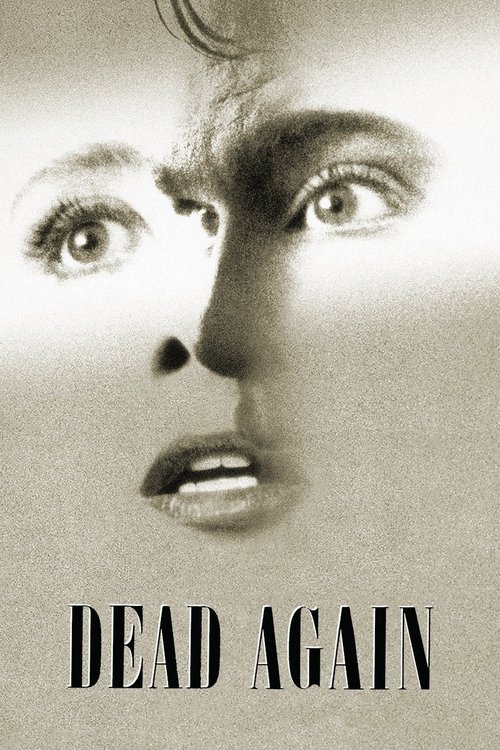
In 1949, composer Roman Strauss is executed for the murder of his wife. In 1990s Los Angeles, a detective comes across a mute amnesiac woman who is somehow linked to the Strauss murder.
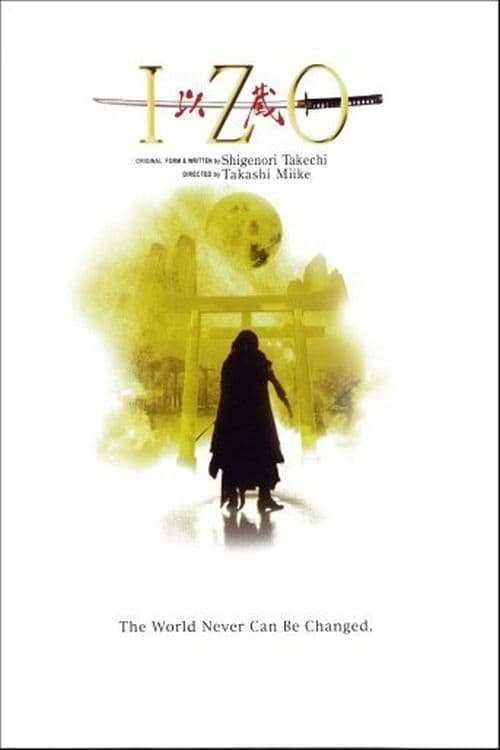
Izo is an assassin in the service of a Tosa lord and Imperial supporter. After killing dozens of the Shogun's men, Izo is captured and crucified. Instead of being extinguished, his rage propels him through the space-time continuum to present-day Tokyo. Here Izo transforms himself into a new, improved killing machine.
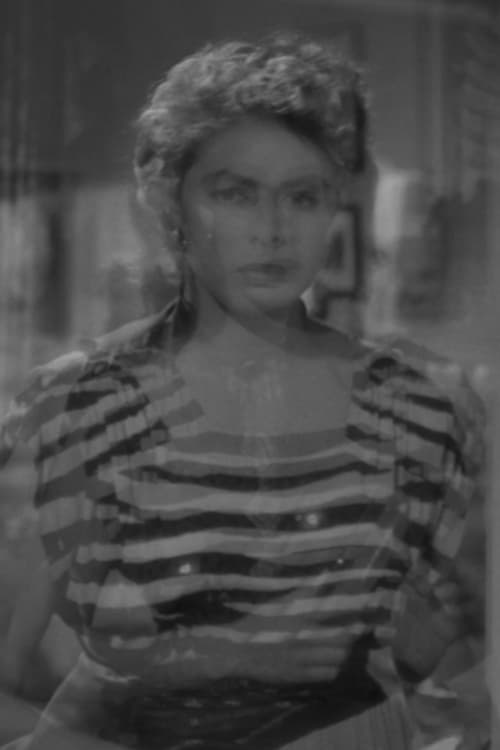
To forget about the end of a relationship, a woman fantasizes about an ideal one. Fantasy and reality begin to melt into one another, but the past finds a way to rear its head again. Films used: Notorious (1946) Gaslight (1944)
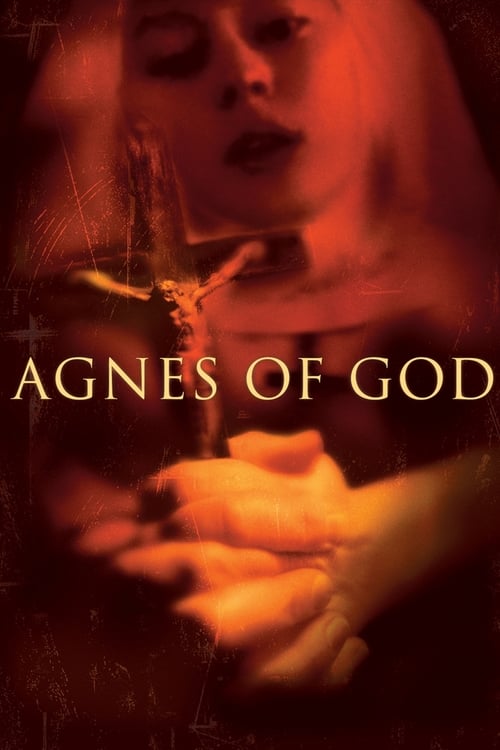
When a dead newborn is found, wrapped in bloody sheets, in the bedroom wastebasket of a young novice, psychiatrist Martha Livingston is called in to determine if the seemingly innocent novice, who knows nothing of sex or birth, is competent enough to stand trial for the murder of the baby.
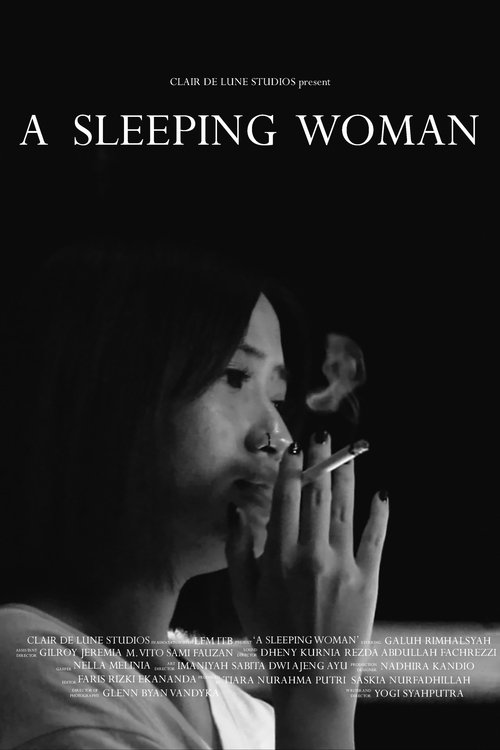
A woman returning home after having a sour day decides to sleep.
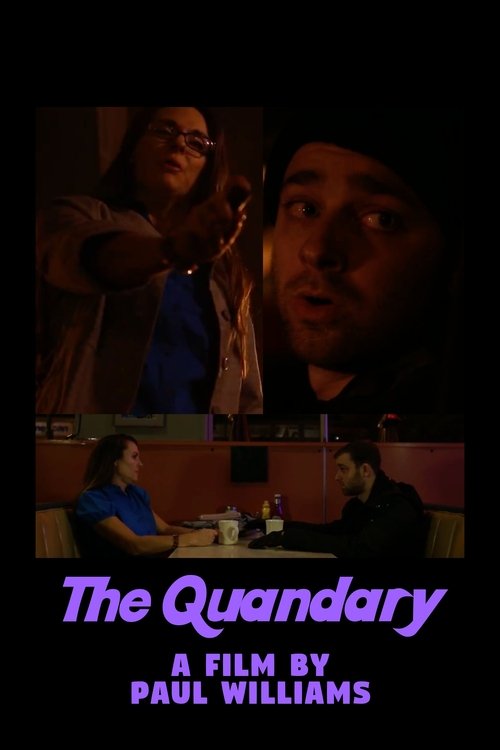
Cooper is given a decision that could help him finally make a difference or get him killed.
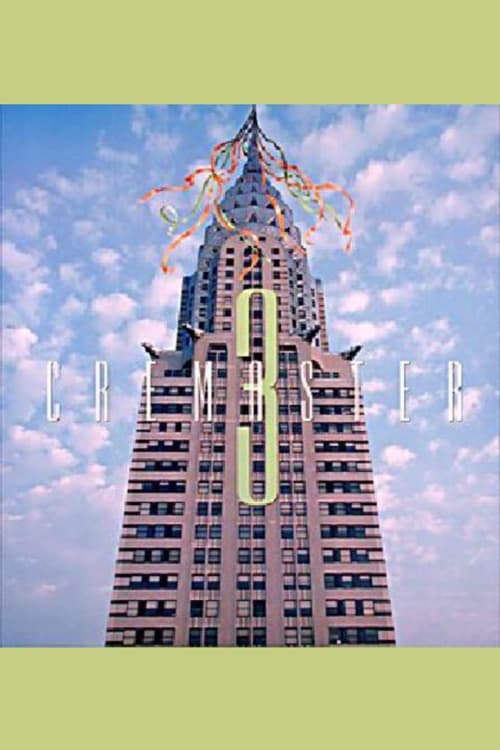
CREMASTER 3 (2002) is set in New York City and narrates the construction of the Chrysler Building, which is in itself a character - host to inner, antagonistic forces at play for access to the process of (spiritual) transcendence. These factions find form in the struggle between Hiram Abiff or the Architect ...
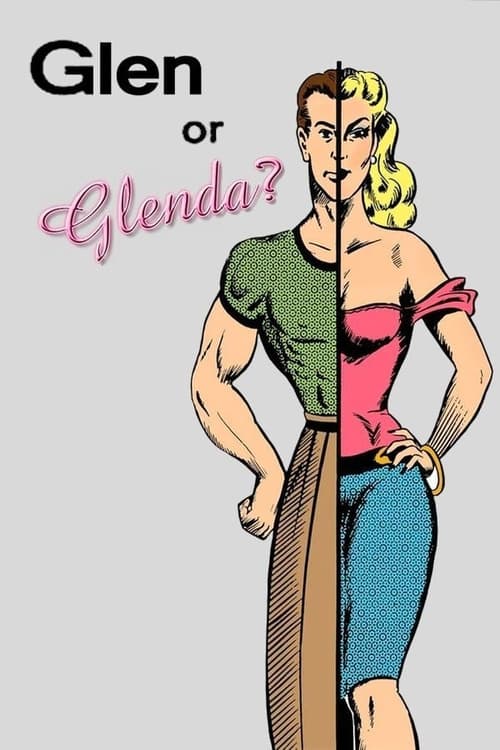
A psychiatrist tells two stories: one of a trans woman, the other of a pseudohermaphrodite.
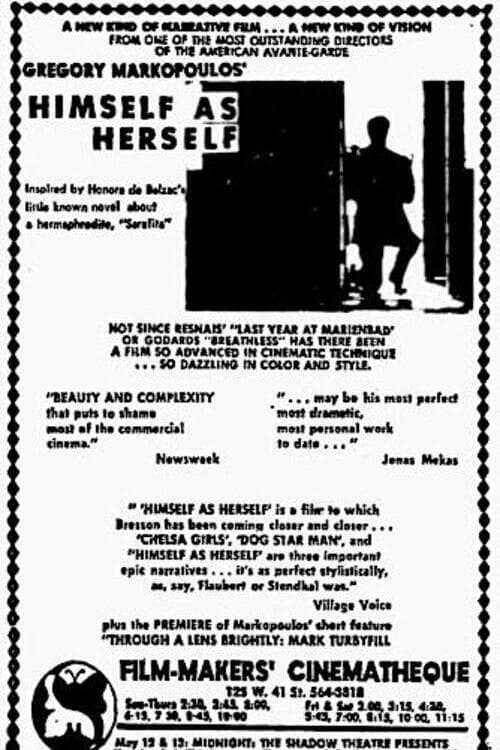
The young hero seems the essence of maleness, yet he's troubled by vaguely feminine objects. Soon his masculine and feminine selves are intercut, as each of his identities appears to look and gesture at the other. The film, at once melancholy and transcendent, consists of a shimmering, nearly plotless evocation of gender identity in flux through haunting, densely interlaced images.
Structured in nine tableaux each a study of a simple action or situation involving a lone, naked figure, the blind Eros, searching for fulfilment, for self. The objects he touches - books, paintings - can be seen as icons of the creative spirit; there is also a motor cycle and film equipment. In succeeding scenes he appears to try on identities offered by institutional doctrines of religion and social traditions of (overt) masculinity. Much of the film was constructed in-camera with a small amount of editing afterwards. An innovation was the use of in-camera fade-outs as phrase markers, not as terminal points, within a single set-up or shot.
Psyche 1947, made while a student at USC, shows Markopoulos’ developing style and his sensuous use of colour and composition. Shot in the Hollywood hills, the film was inspired by an unfinished novella by Pierre Louÿs. - Tate Modern
Markopoulos called Lysis “a study in stream-of-consciousness poetry of a lost, wandering, homosexual soul” and felt that the film foreshadowed The Illiac Passion.