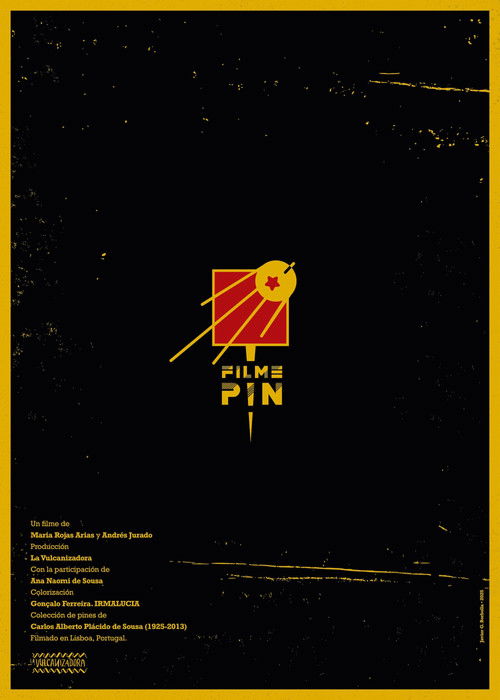
Between light, metal and silver, a collection of solidarity pins turns into an archive of another scale: spectres of exile and international struggle against Portugal’s fascist and colonial regime.
No Trailers found.
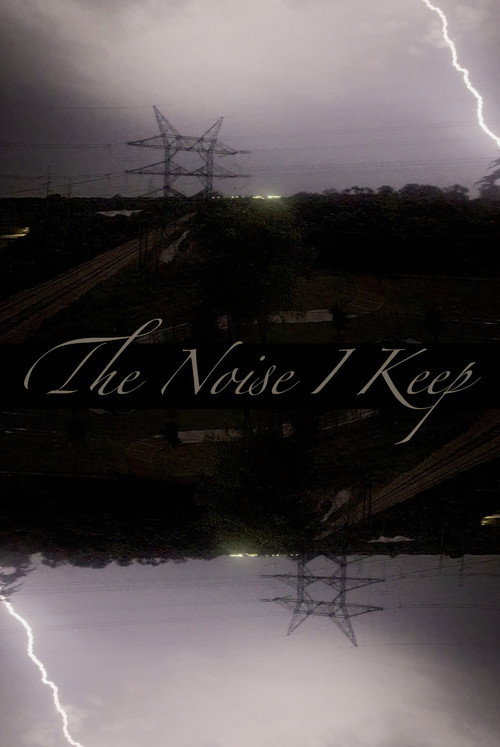
A lightning storm shot on May 19th, 2025, entirely on iPhone.
An inspiring 75min DIY documentary film on new art and the young artists behind it. It was all filmed on the heat of live action of the first NOVA Contemporary Culture Festival, July and August 2010 in São Paulo, Brazil.
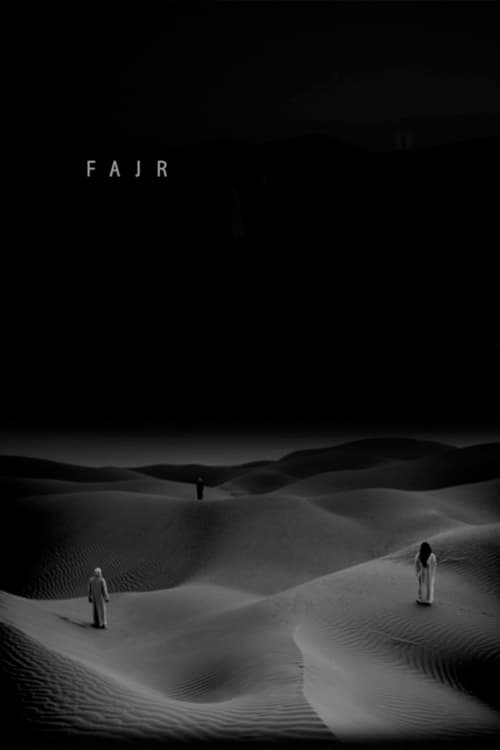
In the Moroccan desert night dilutes forms and silence slides through sand. Dawn starts then to draw silhouettes of dunes while motionless figures punctuate landscape. From night´s abstraction, light returns its dimension to space and their volume to bodies. Stillness concentrates gaze and duration densify it. The adhan -muslim call to pray- sounds and immobility, that was condensing, begins to irradiate. And now the bodies are those which dissolves into the desert.
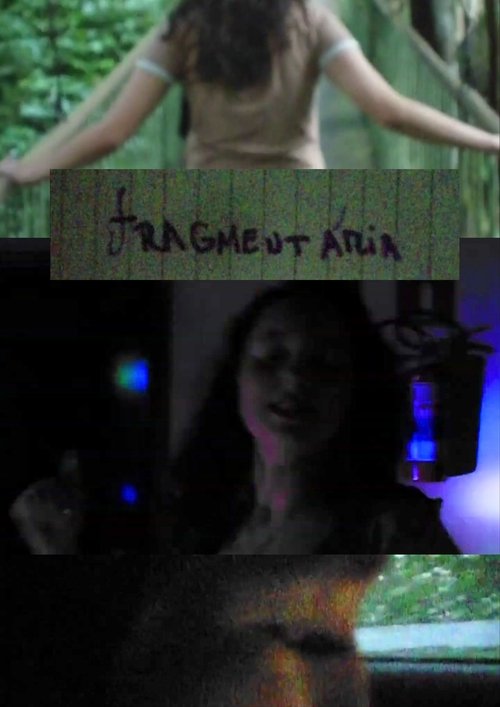
In an attempt to represent reality, the boundary between life and art blurs between fragmentary images of someone and the praxis of an essay film.
No overview available.
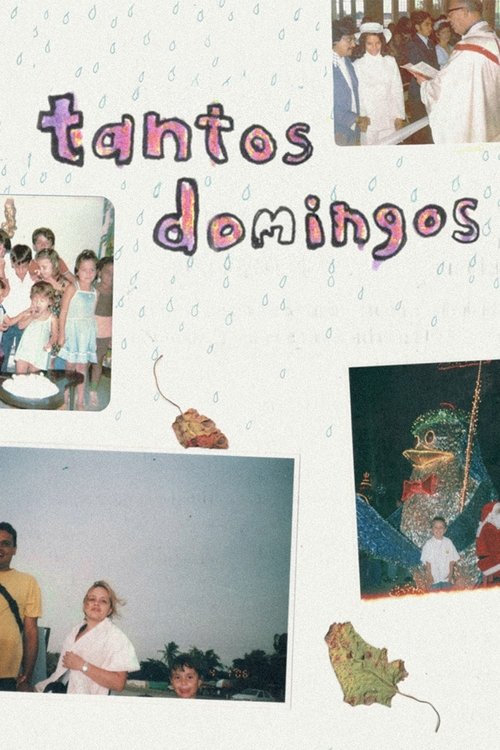
A staged birthday celebration and a visit to the director’s father’s home. From the interplay of memory and imagination, the film explores how family archives shape fictions of the past.
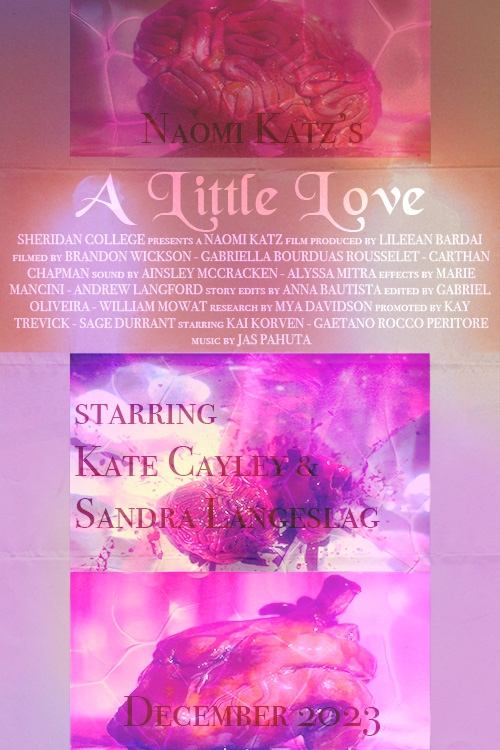
Through interspersed conversation and prose, this experimental documentary follows a poet and a neuroscientist as they explore the definition of love, what it means, and why it matters.
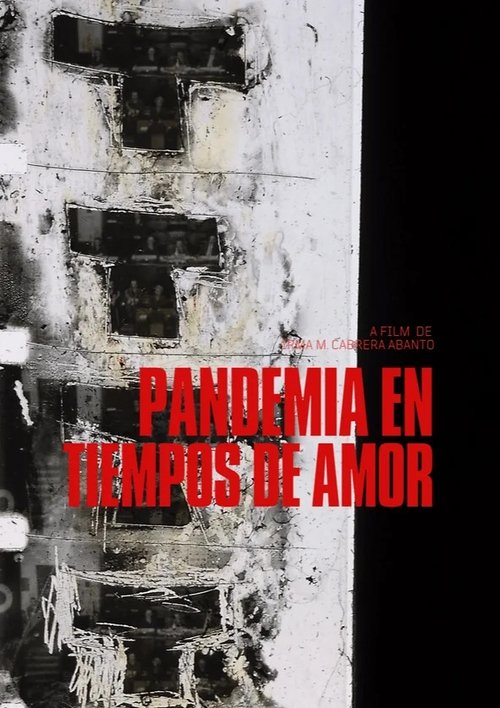
A 16mm archive from 1964 intervened as an emotional diary during the first three months of the COVID-19 pandemic is the basis of this film, reinterpreted in the montage of the sound design, in which the images are reinterpreted, emphasizing the soundscape of the protests from 2020 to 2023 in the streets of Cajamarca, Cusco and Lima, three regions of Peru, questioning the constant political and social crisis.
Migrant families experience violence, but they also keep beautiful memories when they arrive in new lands. Fantastic and intimate stories, recalled from childhood, travel across time and space, magically intermingling with the help of the four elements and breaking the boundaries of cinema.
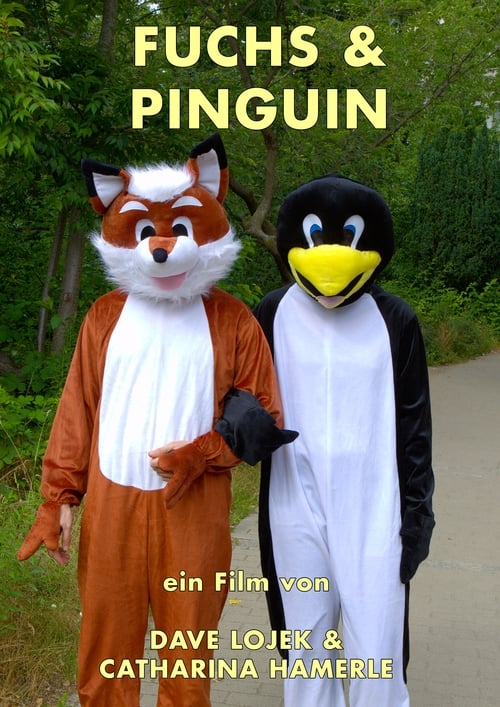
How do German couples communicate in private? What are they arguing about? Is the way to a man’s heart really through his stomach? This docu-fictional hybrid production discusses such questions with the help of authentic interview snippets that were edited under the staged plot. We get an insight into the life of an animal couple, who experience typical everyday situations on behalf of us humans. At first, our fox is emotionally contained, while the penguin lady may get wild as hell. With a wink, the filmmakers hold up a mirror to the audience in the cinema.
A quick view of three remarkable organic gardens: Le Tomple, Le jardin du Mas d’Abri in the department of Gard and Le jardin des Sambucs in the department of Hérault. The film goes over their general layout along pathways amongst the vegetation, ponds and people or animals that happen to be there at the time.
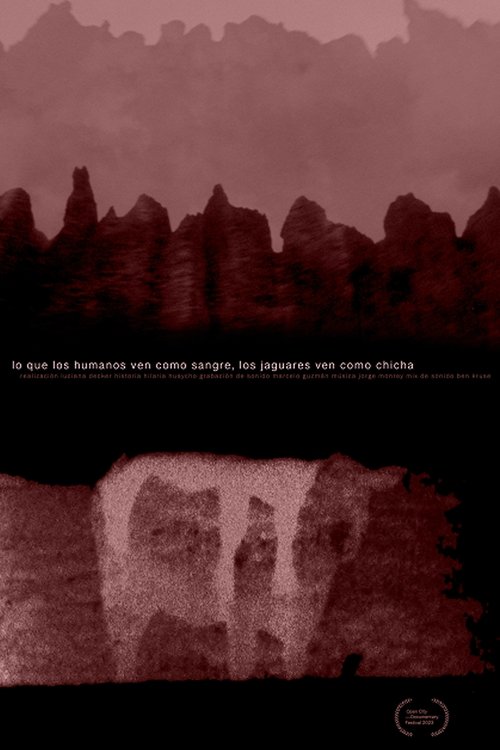
In the rural desert of Bolivia, where the most important presence is the wind moving between papa flowers and animals, the people who harvest the land, those who built the ancient artifacts and sacred objects and the musicians who play moseñada – songs linked to the first products of the harvest – on the streets of the city have one point in common: labor. With a successful inclusion of stories of enchanted lakes, legends that pass from mouth to mouth – or from orality to audiovisual, in this case – and give a fantastic aura to those lands, Luciana Decker Orozco not only manages to capture life without oscillations . field, but resorts to the incessant movement of images and sound accompaniment to define a sensory and transcendental experience for the viewer.
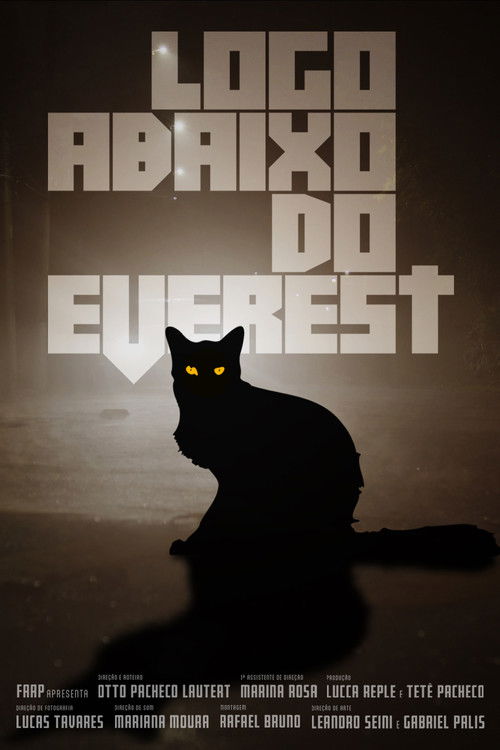
A day in the life of a group of stray cats, who live in a wealthy neighborhood
In late August 2016, the band of Floating Points travelled to the Mojave desert to rehearse and record before their tour of the Southern states of America. Whilst visiting Joshua Tree national park, they were struck not only by its physical beauty, but also of the sonic reflections from the rock formations. A unique sound of reverb, echo and phase shifting modulating the sound from its surroundings.They took advantage of this environment to write and record some new music at the base of some of these natural sculptures which was documented in this short film.
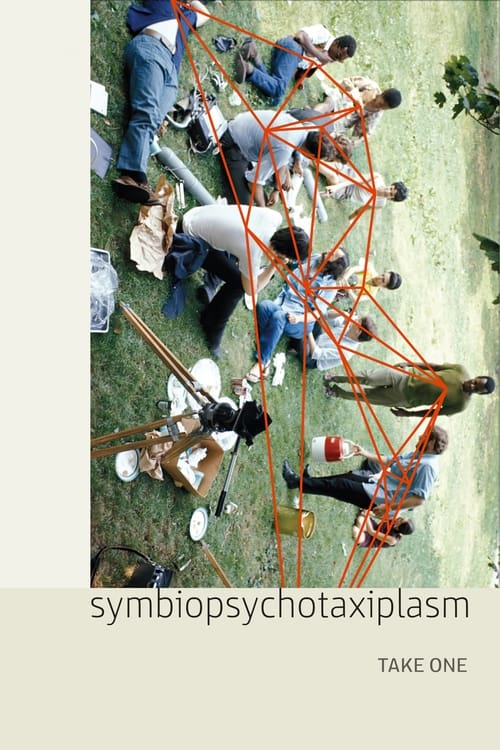
In Manhattan's Central Park, a film crew directed by William Greaves is shooting a screen test with various pairs of actors. It's a confrontation between a couple: he demands to know what's wrong, she challenges his sexual orientation. Cameras shoot the exchange, and another camera records Greaves and his crew. Sometimes we watch the crew discussing this scene, its language, and the process of making a movie. Is there such a thing as natural language? Are all things related to sex? The camera records distractions - a woman rides horseback past them; a garrulous homeless vet who sleeps in the park chats them up. What's the nature of making a movie?
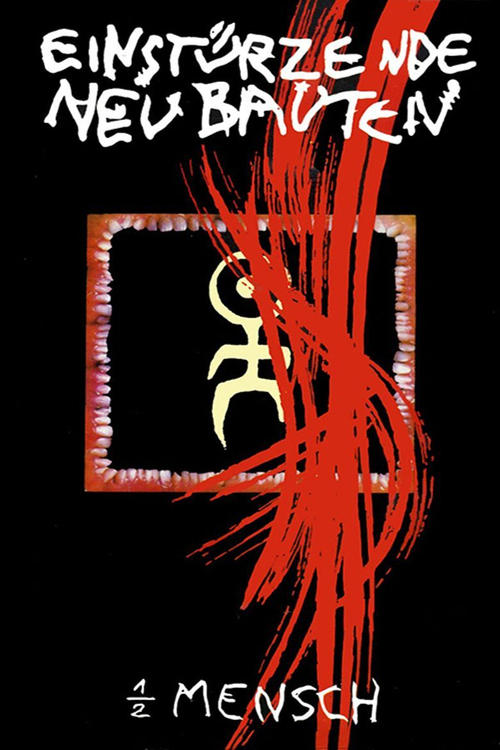
A visual documentary of Einstürzende Neubauten, the German underground band, by Japanese cult director Sogo Ishii, made during their 1985 tour of Japan. The band makes an elaborate and remarkably choreographed appearance in the ruins of an old ironworks which was scheduled for demolition; footage of same was incorporated into the movie and a brief appearance on stage.
An immersive dive into the heart of the discomfort felt by anyone struggling to sleep.
A poetic story of a proletarian couple’s relationship during the years of economic crisis and unemployment – of all the films directed by E. F. Burian, the film Chceme žít (We Want to Live, 1949) is probably his worst. The intention to create a powerful work of cinema that would combine modern means of expression with the ideological canons of socialist realism failed completely. Ježek and Tarnovski discovered these „shambles“ and tried to rebuild a structure out of the hopelessness and futility of life. Ježek has photochemically “transcribed” selected passages with the greatest possible degree of humility towards the work of the great avant-gardist, Tarnovski similarly makes the soundtrack visible. The improvised encounter of sound and image in dialogic mode can lead to various misunderstandings resulting in ambiguous compromise.
No Cast found.