Narrador
No Trailers found.
No overview available.
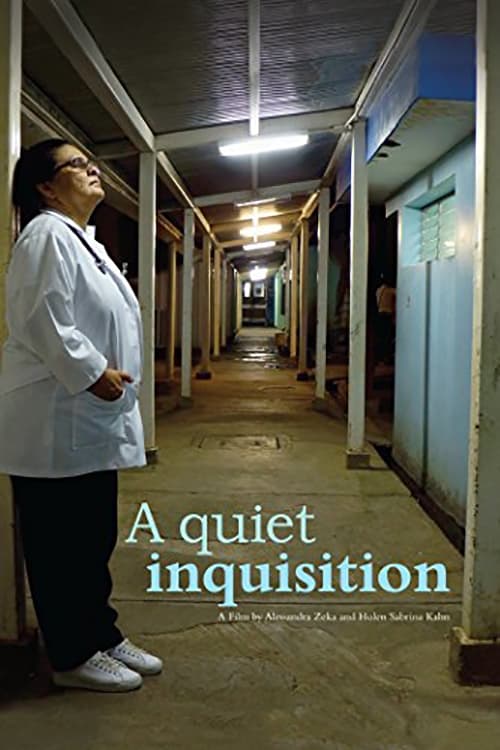
At a public hospital in Nicaragua, Ob/Gyn Dr. Carla Cerrato must choose between following a law that bans all abortions and endangers her patients or taking a risk and providing the care that she knows can save a woman's life. In 2007, Dr. Cerrato’s daily routine took a detour. The newly elected government of Daniel Ortega, a former Marxist revolutionary who converted to Catholicism to win votes, overturned a 130-year-old law protecting therapeutic abortion. The new law entirely prohibits abortion, even in cases of rape, incest, or when a woman’s life is at stake. As Carla and her colleagues navigate this dangerous dilemma, the impact of this law emerges—illuminating the tangible reality of prohibition against the backdrop of a political, religious, and historically complex national identity. The emotional core of the story—the experiences and situations of the young women and girls who are seeking care—illustrate the ethical implications of one doctor's response.
In 1967, Beulah struck Reynosa. Family survives through images from memory circling the wreck. Rituals of celebration and violence like hurricane, shift between dancing, cyanotypes, blue fire and lost family archive. We have come to see the damage that was done and the treasures that prevail. Thus invent colors that burn the eyelid like 火藥.
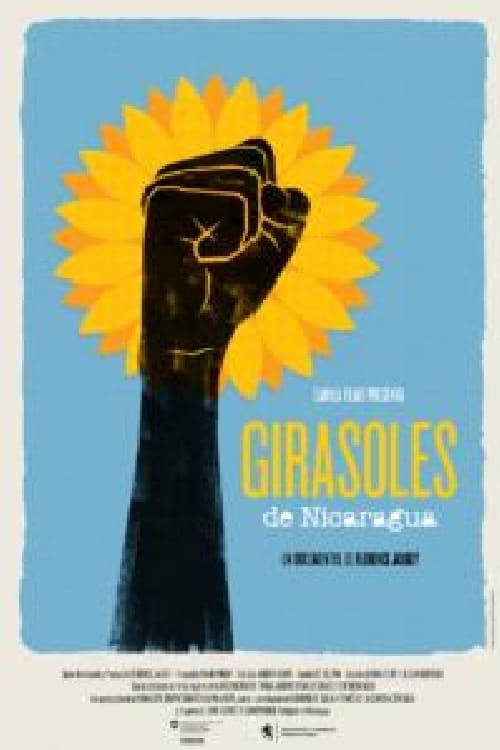
Sixteen female sex workers have been named judicial aides by Nicaragua’s Supreme Court to facilitate the resolution of conflicts that come up in their work. It is the first time in the world that sex workers have had access to this function. The film accompanies some of these women in their mediation work and in the actions they promote through their association, Girasoles (Sunflowers) of Nicaragua, to gain recognition and regulations for autonomous sex work.
Juan “Accidentes” Dominguez is on his biggest case ever. On behalf of twelve Nicaraguan banana workers he is tackling Dole Food in a ground-breaking legal battle for their use of a banned pesticide that was known by the company to cause sterility. Can he beat the giant, or will the corporation get away with it?
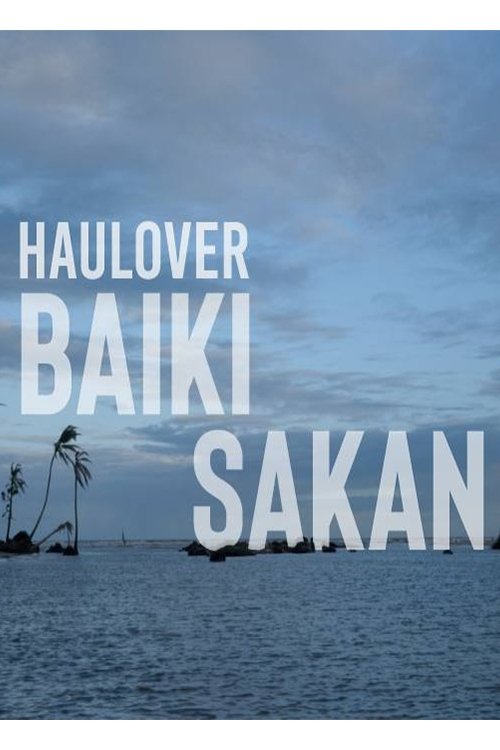
Halouver is a small community in the Northern Caribbean of Nicaragua. In November of 2020, two hurricanes divided the village in two and destroyed its infrastructure. Now, its villagers must decide between coming back and rebuilding their homes from the rubbles in spite of the risks that conveys or starting their lives somewhere else, leaving behind their lives in front of the sea. This documentary was made by Hora Cero.
A portal, a sorceress, a fictional device to portray existence as a moment encapsulated inside an instantaneous photograph to present fragmented biographical elements —family disintegration, rootlessness, scars, two loyal companions, the promises of a new land—subverting the notion of a home-movie and transform it into a pilgrimage tool of self-discovery, mirroring the fragile nature of memories.
The 1974 coup d'état set in motion a revolutionary process in which the radical transformation of the relationships that had previously existed within the family, in the workplace, and throughout society has never allowed for a return to the past.
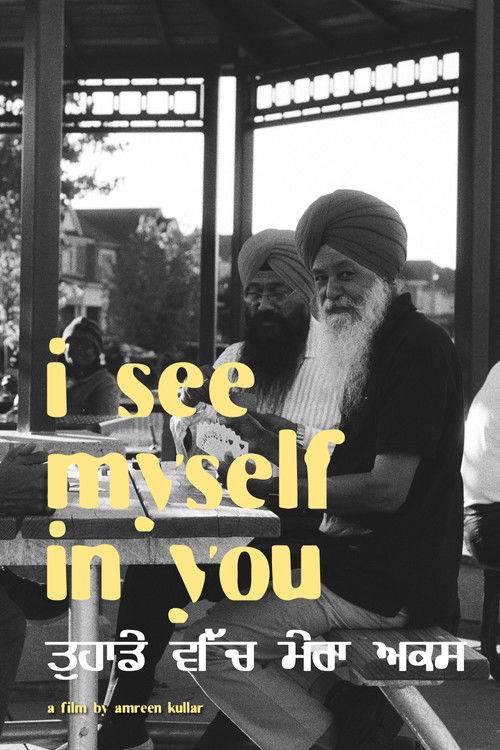
Amidst rising xenophobia, three South Asian settlers paint a more holistic picture of what Brampton is today. The film acts as a fleeting memory, creating vignettes of the ever changing cultural pocket, through multi language prose and 16mm film.
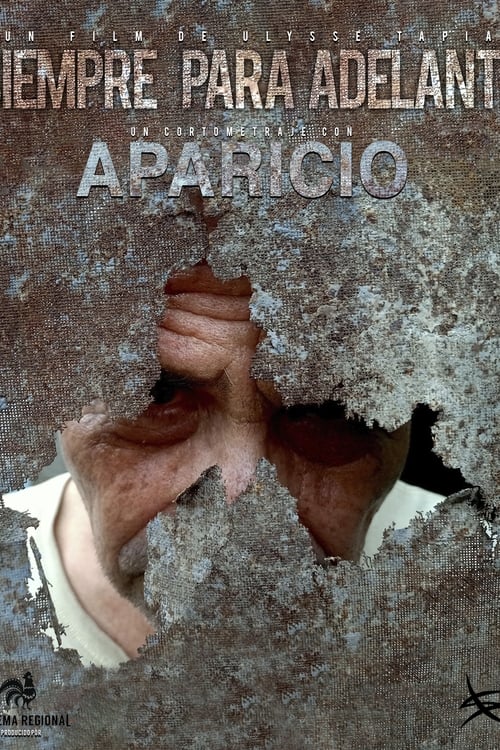
Plastic artist Aparicio Arthola talks with his student about the catarsis in his creative process, the loss, death and uncertainty of art life in Nicaragua
A filmmaker revisits her childhood, interweaving 16mm vignettes and her old child services documents, uncovering the truth she couldn't voice as a child.
¡Las Sandinistas! uncovers the disappearing stories of women who shattered barriers to lead combat and social reform during Nicaragua’s 1979 Sandinista Revolution, and who continue to lead Nicaragua’s current struggle for democracy and equality.
A seagull, a dog, a child, a call to prayer; Looking through a window, the corridor of a train, the wall of a medina; Everyday life is momentarily paused through the eyes of a stranger in an unknown land.
The Nicaraguan revolutionaries, determined to overthrow the bloody dictatorship of Anastasio Somoza, enjoyed the semi-clandestine support of the Panamanian government and popular organizations from 1974 onward. Following the Sandinista Front's victory, which toppled a dynasty that had ruled for over 45 years, General Omar Torrijos visited that sister nation to strengthen ties between the two peoples.
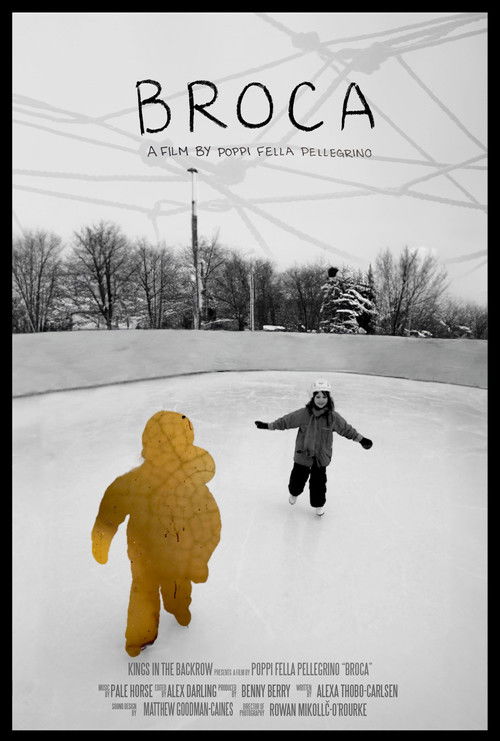
Using poetry, interviews with psychologists and survivors, and corporeal imagery, Broca is an experimental documentary hybrid that explores how the mind-body connection is altered after trauma. The Broca’s Area in the brain is involved primarily in speech production. During a traumatic event or when trying to recall a traumatic event, this area shuts down. This makes it harder for a survivor to talk about what’s happened. Our project is an experimental documentary hybrid that offers a platform for survivors to tell their stories both verbally and non-verbally.
Images from 2000s music videos are transferred onto the film strip, torn and abstracted until the visuals convulse and shift—a tactile, poetic exploration of materiality, memory, and medium.
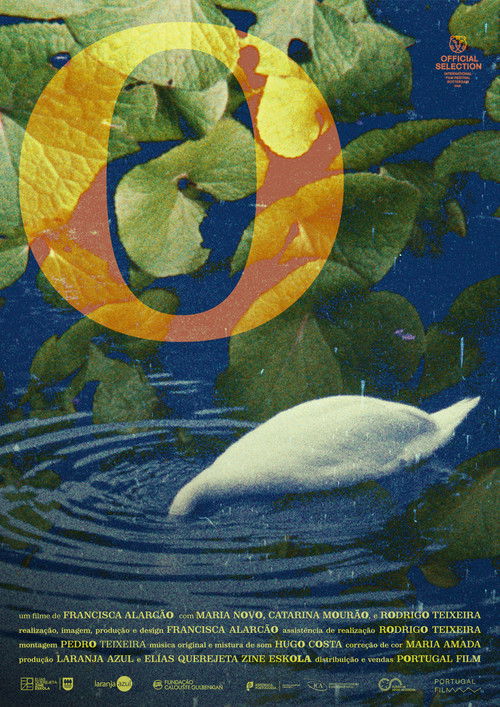
For as long as she remembers, Francisca lives with an inexplicable and uncontrollable aversion to belly buttons. Nothing makes her more anxious than this simple part of the body and the shapes in the world that resemble it. When therapy isn't enough to solve her cherished phobia , Francisca turns to other types of methods - without any scientific basis and not recommended for anyone who suffers from the same condition.
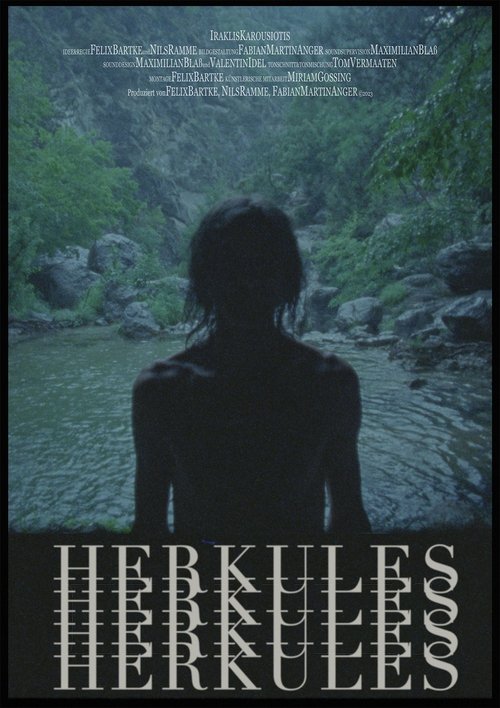
Hercules travels by bicycle from Krefeld on the Lower Rhine to Olympus, the throne of ancient deities. The Hercules myth, as a primal myth of male power, is questioned through biographical reflections and the staging of mythological echoes. The dramaturgical structure of the hero's journey disintegrates in a multi-material perspective into questions about male identity, ideals and remorse.
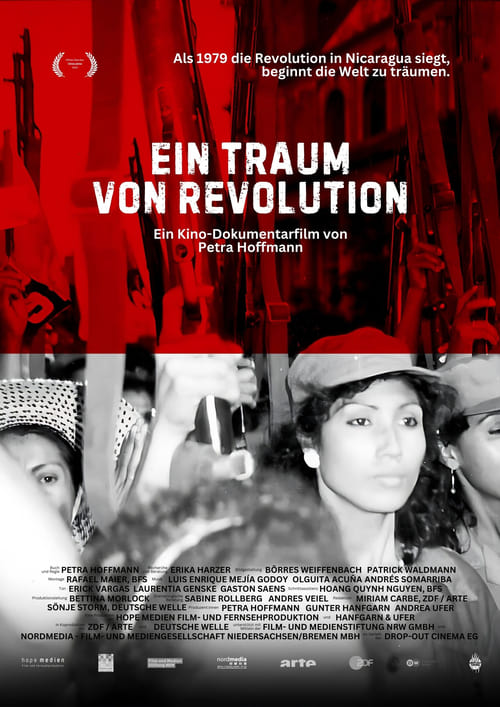
When the revolution in Nicaragua won its victory nearly 40 years ago, the world began to dream. A young generation was taking the reins in a country of grand utopias. From West Germany alone, 15,000 “brigadists” travelled to help rebuild the war-torn country: liberals, greens, unionists, social democrats, leftists and church representatives harvested coffee and cotton, built schools, kindergartens and hospital wards. No movement has mobilised so many people. What became of the hopes and dreams of the revolutionaries and their supporters?