A golden sunrise brings light to the foggy hills and meadows of late summer.
On the edge of the Namibian desert, cattle farmers are looking for new land to graze their animals. The lions, who occupied these previously wild spaces, are hunted by herd guards, or even slaughtered when they attack cows. Will and Lianne Steenkamp lived for two years in a territory occupied by a 17-year-old lioness - a "queen" -, her two daughters and their five lion cubs. This film traces the process of empowering the young: after learning to hunt alone, they will have to leave the family pack and find young females to reproduce. A necessity all the greater as their species seems threatened.
The desert wilderness of New Mexico's Jemez Mountains
California Golde is a movie. One about riding bikes in California and all the hardships that come with big, hard, ambitious tours.
A short film by Encyclopedia Pictura.
The search for the right partner, place, and moment to start a family is one of nature's most crucial journeys. This breathtaking story of love, survival, and perseverance follows Caribbean flamingos through one of the most fragile stages of their lives. With Julieta Venegas’ voice and Bryce Dessner’s music setting the tone, this film offers a unique and immersive cinematic experience, capturing the beauty and struggles of these extraordinary birds.
A documentary of insect life in meadows and ponds, using incredible close-ups, slow motion, and time-lapse photography. It includes bees collecting nectar, ladybugs eating mites, snails mating, spiders wrapping their catch, a scarab beetle relentlessly pushing its ball of dung uphill, endless lines of caterpillars, an underwater spider creating an air bubble to live in, and a mosquito hatching.
No overview available.
A contemplation of art and adventure in the southern wilds of New Zealand by both a landscape photographer and an adventure filmmaker. This film is the unexpected result of their two unique perspectives.
The study of extreme physics brought us the bomb. It has taken us inside the violent death of a star. Now, it has brought us face to face with the most destructive force in Nature: a supermassive black hole. How large, how powerful, can these monsters get? What can they tell us about the extremes of time and space?
Riding Giants is story about big wave surfers who have become heroes and legends in their sport. Directed by the skateboard guru Stacy Peralta.
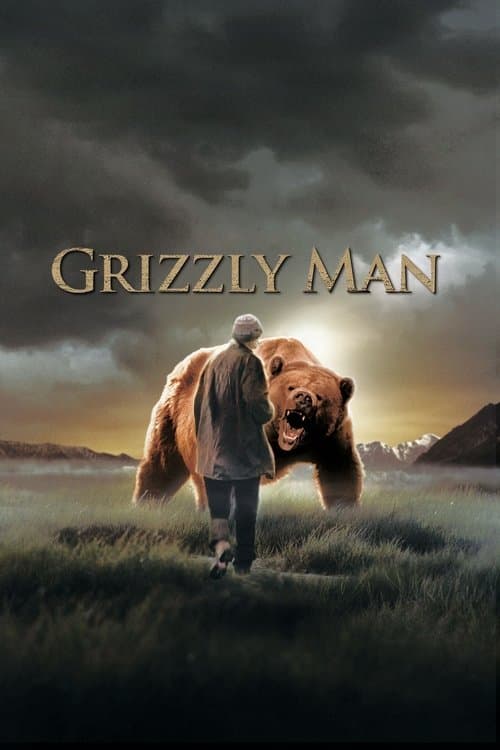
Follows the story of "Grizzly Man" Timothy Treadwell and what the thirteen summers in a National Park in Alaska were like in his attempt to protect the grizzly bears. The film is full of unique images and a look into the spirit of a man who sacrificed himself for nature.
In today's climate debate, there is only one factor that cannot be calculated in climate models - humans. How can we nevertheless understand our role in the climate system and manage the crisis? Climate change is a complex global problem. Increasingly extreme weather events, rising sea levels, and more difficult living conditions - including for us humans - are already the order of the day. Global society has never faced such a complex challenge. For young people in particular, the frightening climate scenarios will be a reality in the future. For the global south, it is already today. To overcome this crisis, different perspectives are needed. "THE UNPREDICTABLE FACTOR" goes back to the origins of the German environmental movement, accompanies today's activists in the Rhineland in their fight against the coal industry and gives a voice to scientists from climate research, ethnology and psychology.
Too hot! The spawning fish do not come at the right time and the pepper plants end up dying in this heat. "This is a very different weather that not even the spirits can understand." From their gardens, homes, and backyards, the indigenous women of the Amazon involve us in their vast universe of knowledge while they observe the impacts of climate change in their ways of life.
Our world is the home of millions of plant as well as animal species and provides several territories, each with its own geological and climatic conditions: steep mountains, deep forests, wide oceans and arctic ice deserts. The inhabitants have adapted to its different conditions and are still developing new strategies to survive. “Wonderful World 3D” not only takes a look at the interesting creatures of our planet, but also highlights cosmological circumstances, which made our world unique, diversified and above all so adorable.
Long Gone Wild focuses on the plight of captive orcas, picking up where the acclaimed documentary Blackfish left off while telling a uniquely new and different story...
Every year, thousands of Antarctica's emperor penguins make an astonishing journey to breed their young. They walk, marching day and night in single file 70 miles into the darkest, driest and coldest continent on Earth. This amazing, true-life tale is touched with humour and alive with thrills. Breathtaking photography captures the transcendent beauty and staggering drama of devoted parent penguins who, in the fierce polar winter, take turns guarding their egg and trekking to the ocean in search of food. Predators hunt them, storms lash them. But the safety of their adorable chicks makes it all worthwhile. So follow the leader... to adventure!!
Out of love for Huskies, nature and cold winters Dave and Kristen Olesen moved from Minnesota to the North West Territories in Canada 25 years ago to create their own little universe on the magnificent East arm of Great Slave Lake. With their two daughters Annika 15 and Liv 12 and their 37 dogs, the Olesens enjoy a unique lifestyle in the wide open wilderness far away from civilization. One winter they all leave their self-built homestead with ten dogs on a two and a half thousand mile family expedition allowing Annika to run the Junior Iditarod in Alaska. As unexpected obstacles all along the trip culminate in three heavily injured dogs the whole endeavor is at risk. Optimism, love and loyalty prevail on this exciting epic family voyage.
Trailer
No Cast found.