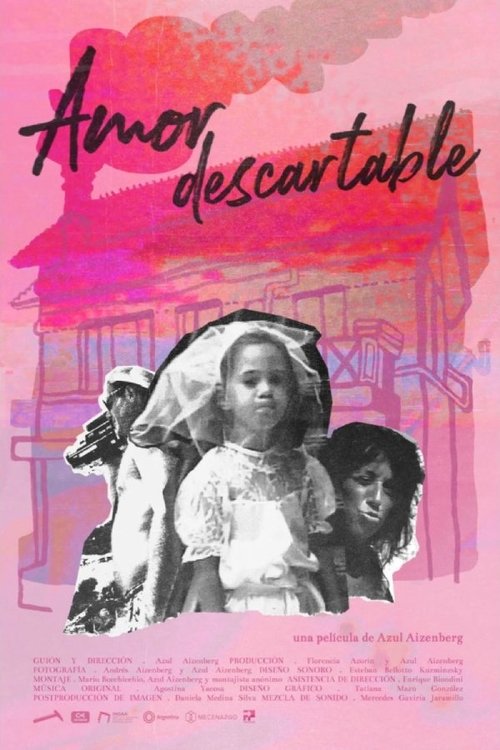
In home-movies shot in the ‘90s by her father, the filmmaker discovers in these inherited images powerful fictions of the Argentinian middle class and the country’s recent history.
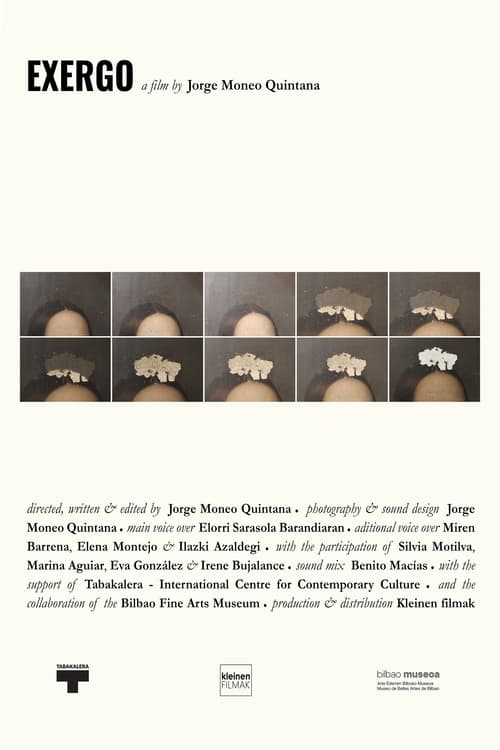
Departing from peripheral details of some paintings of the Bilbao Fine Arts Museum, a female narrator unravels several stories related to the economic, social and psychological conditions of past and current artists.
In July of 2021 there was a flood of catastrophic scope in the Ahrtal Region of Germany. 135 people lost their lives and countless others lost their possessions, their homes, their most treasured mementos. Three years later the reconstruction is progressing slowly. This is an attempt at exploring, what it means to irretrievably lose a part of ones’ past.
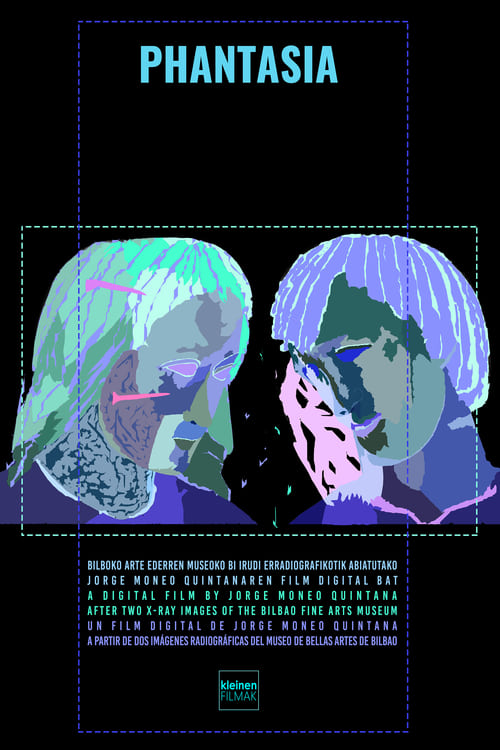
X-ray images were invented in 1895, the same year in which the Lumière brothers presented their respective invention in what today is considered to be the first cinema screening. Thus, both cinema and radiography fall within the scopic regime inaugurated by modernity. The use of X-rays on two sculptures from the Bilbao Fine Arts Museum generates images that reveal certain elements of them that would otherwise be invisible to our eyes. These images, despite being generally created for technical or scientific purposes, seem to produce a certain form of 'photogénie': they lend the radiographed objects a new appearance that lies somewhere between the material and the ethereal, endowing them with a vaporous and spectral quality. It is not by chance that physics and phantasmagoria share the term 'spectrum' in their vocabulary.
"The prevailing stigmatization of the 'villero' universe is fed back by the images. In order to dismantle this stigmatization, other images must be presented or we need to reveal what the existing ones seek to cover up. The slum is usually represented from a limited and deceitful visual panorama. This representation has an intention. Cinema and television are two image-producing devices that strengthen the stereotypes that we have about the people who inhabit these spaces. And what happens in the field of painting? Do clichés reign there too? This visual essay seeks to confront various works by national painters and sculptors, belonging to the Palais collection, with the kinetic images of current cinema and television, to reflect on both the differences and the similarities in the meanings and discourses that both regimes of images can produce." César González
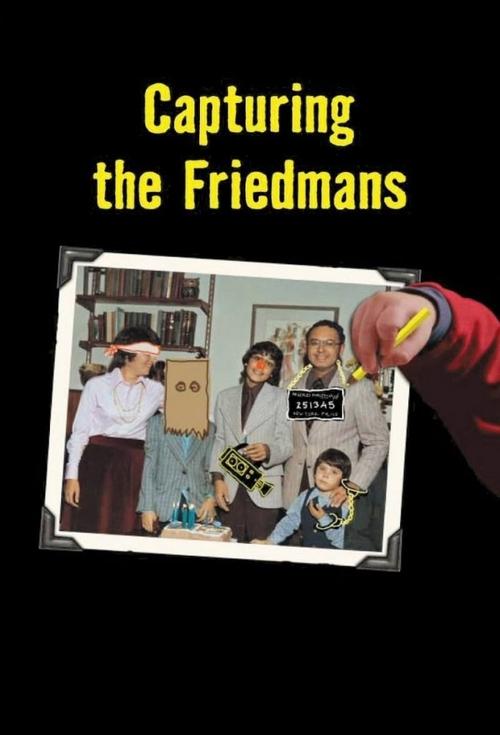
An Oscar nominated documentary about a middle-class American family who is torn apart when the father Arnold and son Jesse are accused of sexually abusing numerous children. Director Jarecki interviews people from different sides of this tragic story and raises the question of whether they were rightfully tried when they claim they were innocent and there was never any evidence against them.
An embodied rumination of both male and female power, healing and haunting, all within an apocalyptic world. A transformation that courses through unknown terror to untamed collective joy.
Twenty-five films from twenty-five European countries by twenty-five European directors.
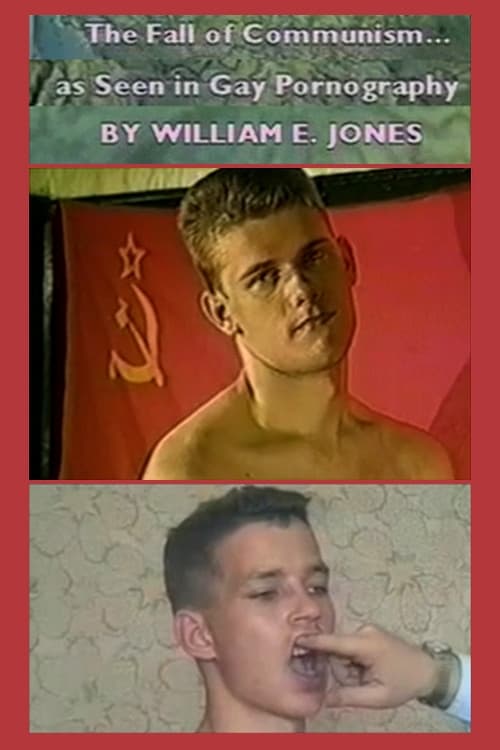
Every image in The Fall of Communism as Seen in Gay Pornography comes from gay erotic videos produced in Eastern Europe since the introduction of capitalism. The video provides a glimpse of young men responding to the pressures of an unfamiliar world, one in which money, power and sex are now connected.
Director Peter Judson's semifictitious tale opens a revealing window into the indie filmmaking process, capturing the trivialities, aggravations and enthusiasm that go into completing a picture. Using footage from an indie movie set, e-mails constructing a plotline about distributor difficulties and interviews with indie mainstays such as Steve Buscemi and Sam Rockwell, the film provides a riveting look at one producer's rejections and rewards.
A film essay that intertwines the director's gaze with that of her late mother. Beyond exploring mourning and absence as exclusively painful experiences, the film pays tribute to her mother through memories embodied by places and objects that evidence the traces of her existence. The filmmaker asks herself: What does she owe her mother for who she is and how she films? To what extent does her film belong to her?
No overview available.
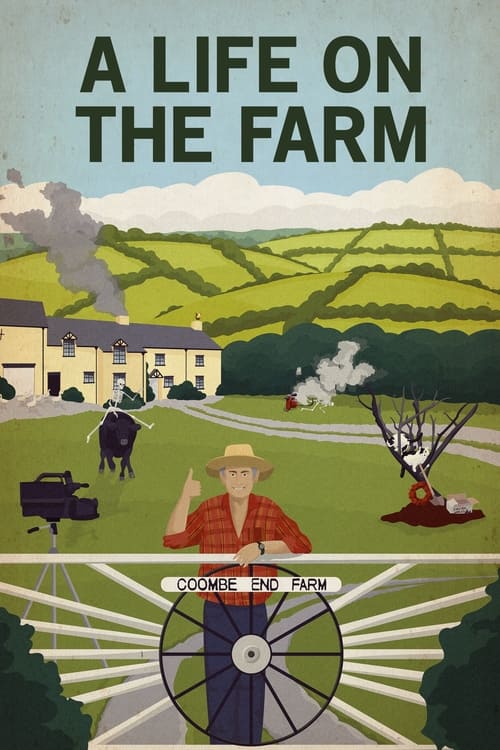
A strange story from Somerset, England about a filmmaking farmer and the inspiring legacy of his long-lost home movies.
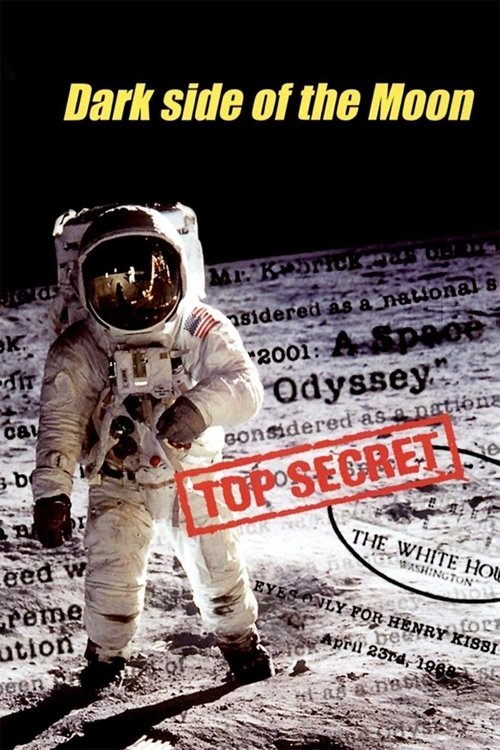
A French documentary or, one might say more accurately, a mockumentary, by director William Karel which originally aired on Arte in 2002 with the title Opération Lune. The basic premise for the film is the theory that the television footage from the Apollo 11 Moon landing was faked and actually recorded in a studio by the CIA with help from director Stanley Kubrick.
One man's journey into the world of the so-called 'Bloodline' conspiracy, at the heart of Dan Brown's The Da Vinci Code, where a secret society, the Priory of Sion, claims to have guarded evidence of the marriage of Mary Magdalene and Jesus Christ, their children and their descendants down through the centuries.
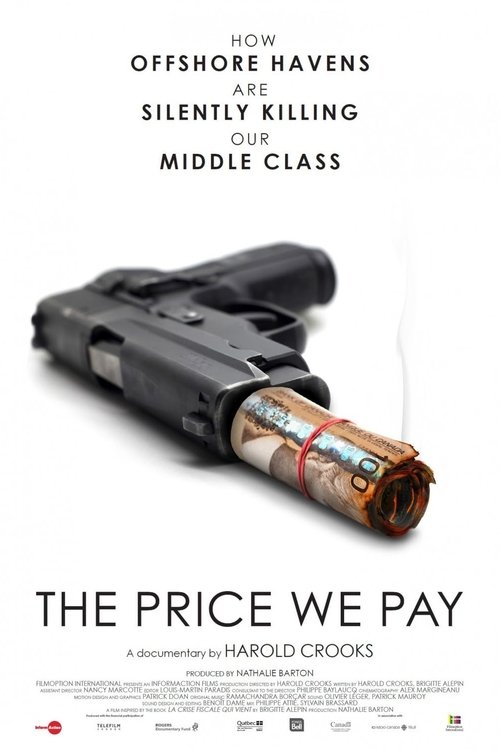
A documentary on the history and present-day reality of big-business tax avoidance, which has seen multinationals depriving governments of trillions of dollars in tax revenues by harboring profits in offshore havens.
Rob Grant and Mike Kovac receive a disturbing fan video inspired by their previous horror movie Mon Ami, motivating them to investigate the responsibility of filmmakers in portraying violence in movies. In their pursuit of the truth they are unwittingly introduced to the real world of violent criminals and their victims.
A youngster writes a letter to his grandmother about his last trip to Donosti (Spain). This city inspires him to ponder about the language of cinema, time, cities, and sharing memories with our loved ones.
Four filmmakers working in the region of Galicia (in the northwest of Spain) follow and portray on the screen Galician artists working in disciplines of different nature. The result is four pieces around the creative process of these artists. Lois Patiño film their parents working on their paintings in their studio in Vigo, Jaione Camborda films dancer Janet Novás rehearsing for one of her pieces, Xisela Franco follows film director Margarita Ledo revisiting the location of her latest film Nation and Alfonso Zarauza reflects on the relationship between actress-director by putting together the work of Melania Cruz in two of their collaborations.
No Trailers found.
No Cast found.