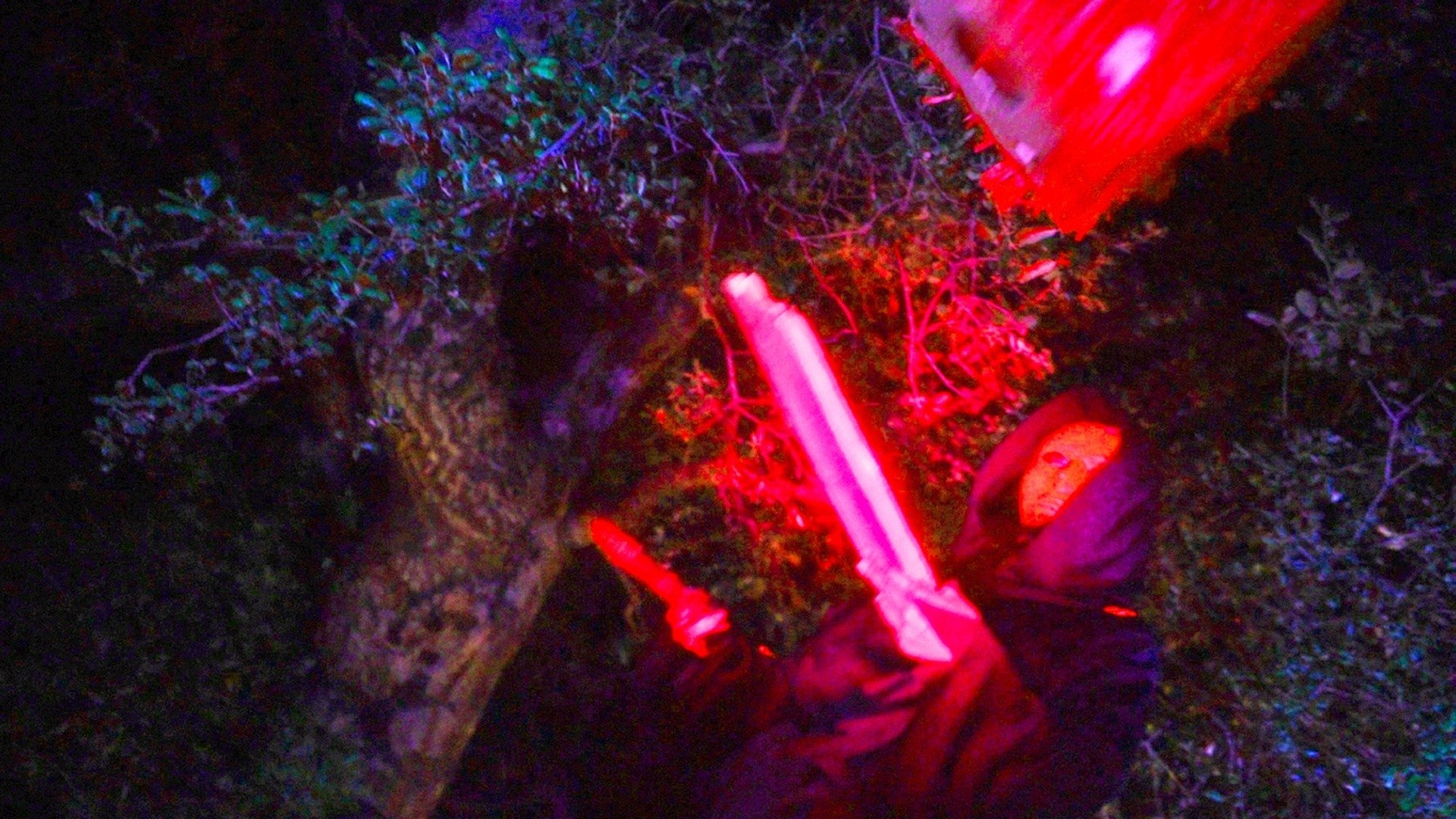
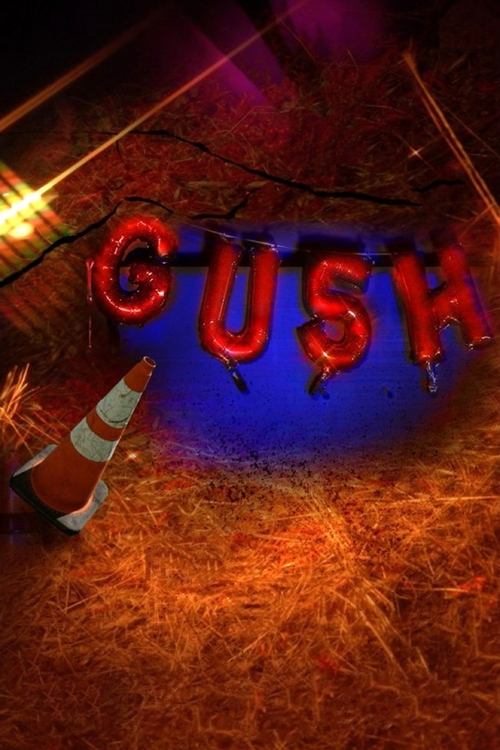
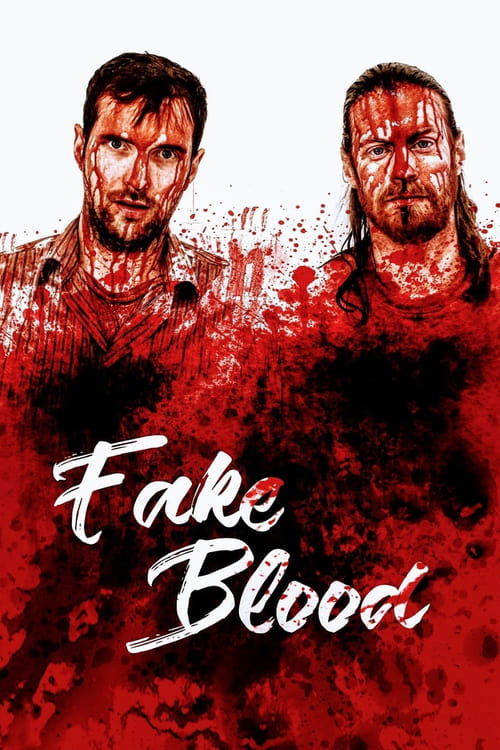
An embodied rumination of both male and female power, healing and haunting, all within an apocalyptic world. A transformation that courses through unknown terror to untamed collective joy.
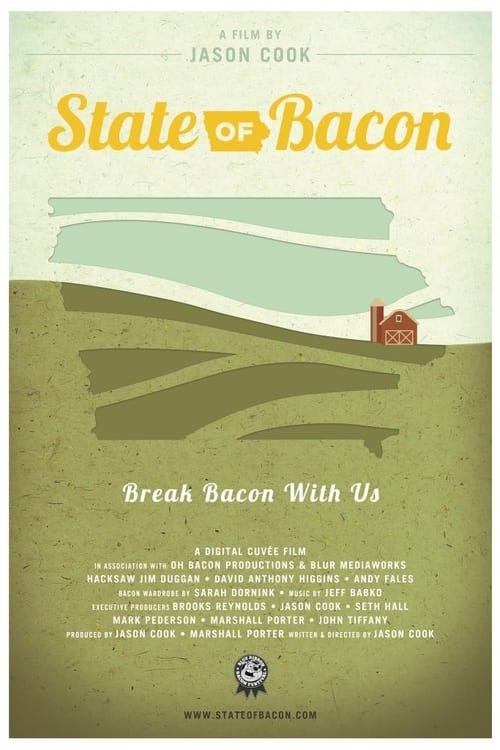
State of Bacon tells the kinda real but mostly fake tale of an oddball group of characters leading up to the annual Blue Ribbon Bacon Festival. Bacon-enthusiasts, Governor Branstad, a bacon queen, Hacksaw Jim Duggan, members of PETA, and an envoy of Icelanders are not excluded from this bacon party and during the course of the film become intertwined with the organizers of the festival to show that bacon diplomacy is not dead.
Banksy is a graffiti artist with a global reputation whose work can be seen on walls from post-hurricane New Orleans to the separation barrier on the Palestinian West Bank. Fiercely guarding his anonymity to avoid prosecution, Banksy has so far resisted all attempts to be captured on film. Exit Through the Gift Shop tells the incredible true story of how an eccentric French shop keeper turned documentary maker attempted to locate and befriend Banksy, only to have the artist turn the camera back on its owner.
No overview available.
Delve into the minds of serial killers Leonard Lake and Charlie Ng with this horrifying found footage film, spanning the 1983-1984 killing spree that shocked California and the nation.
A nightmarish essay film on the history of the doorbell, tracing its invention and constant reinventions through 19th century labor struggles, the nascent years of narrative cinema, and contemporary surveillance cultures.
One man's journey into the world of the so-called 'Bloodline' conspiracy, at the heart of Dan Brown's The Da Vinci Code, where a secret society, the Priory of Sion, claims to have guarded evidence of the marriage of Mary Magdalene and Jesus Christ, their children and their descendants down through the centuries.
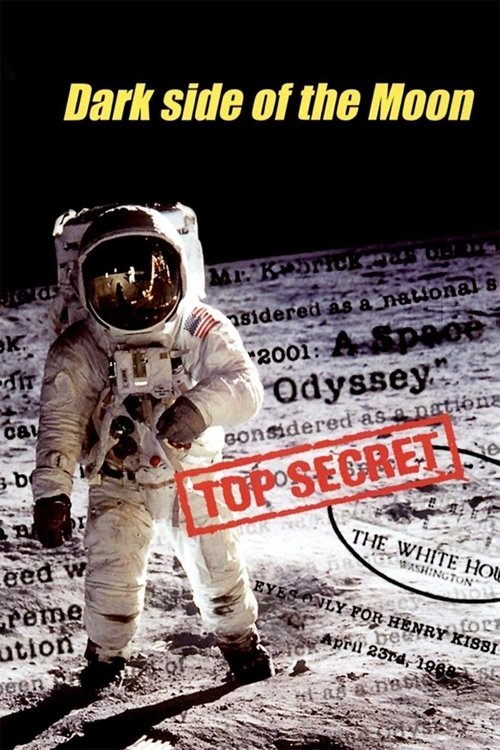
A French documentary or, one might say more accurately, a mockumentary, by director William Karel which originally aired on Arte in 2002 with the title Opération Lune. The basic premise for the film is the theory that the television footage from the Apollo 11 Moon landing was faked and actually recorded in a studio by the CIA with help from director Stanley Kubrick.
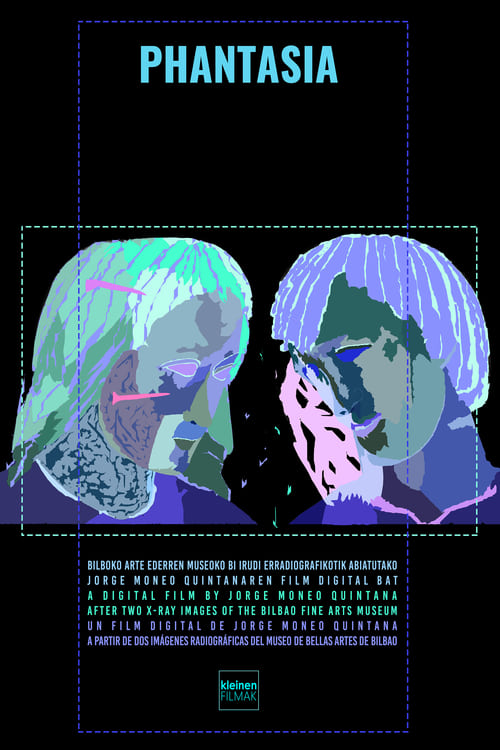
X-ray images were invented in 1895, the same year in which the Lumière brothers presented their respective invention in what today is considered to be the first cinema screening. Thus, both cinema and radiography fall within the scopic regime inaugurated by modernity. The use of X-rays on two sculptures from the Bilbao Fine Arts Museum generates images that reveal certain elements of them that would otherwise be invisible to our eyes. These images, despite being generally created for technical or scientific purposes, seem to produce a certain form of 'photogénie': they lend the radiographed objects a new appearance that lies somewhere between the material and the ethereal, endowing them with a vaporous and spectral quality. It is not by chance that physics and phantasmagoria share the term 'spectrum' in their vocabulary.
Director Peter Judson's semifictitious tale opens a revealing window into the indie filmmaking process, capturing the trivialities, aggravations and enthusiasm that go into completing a picture. Using footage from an indie movie set, e-mails constructing a plotline about distributor difficulties and interviews with indie mainstays such as Steve Buscemi and Sam Rockwell, the film provides a riveting look at one producer's rejections and rewards.
A young woman's life takes a series of unexpected turns after she leaves the Buddhist temple where she has lived most of her adult life.
Filmmaker Bill Howard follows up on a letter from a deceased government insider that brings him to some startling information regarding aliens and the United States government.
A collection of death scenes, ranging from TV-material to home-made super-8 movies. The common factor is death by some means.
One of the 20th century Belgian artists who was the most idolized, exhibited, published, sold... Yet the artist himself, Jean-Michel Folon (1934-2005), whose work became controversial because deemed insipid, with its mannerisms, pastel tones and colors, remains little-known. Through previously unseen archive footage, Gaëtan de Saint-Rémy offers him a voice.
Brief scenes of death related material: mortuaries, accidents and police work are filmed by TV crews and home video cameras. Some of it is most likely fake, some not as much.
The third installment of the infamous "is it real or fake?" mondo series sets its sights primarily on serial killers, with lengthy reenactments of police investigations of bodies being found in dumpsters, and a staged courtroom sequence.
Follows the same pattern of the other Faces of Death movies. In this one we see many staged and not so staged looking deaths ranging from bungee jumping accidents and magic tricks gone bad.
A direct-to-video compilation of the highlights of the earlier films in the Faces of Death series.
Rob Grant and Mike Kovac receive a disturbing fan video inspired by their previous horror movie Mon Ami, motivating them to investigate the responsibility of filmmakers in portraying violence in movies. In their pursuit of the truth they are unwittingly introduced to the real world of violent criminals and their victims.
No Trailers found.