No Trailers found.
No Cast found.
No overview available.
Marcelo was taken to Paris, where he has lived since he was 12. After the sudden death of his mother in 1992, he returns for the first time to the place where he was born. As he walks through the city of his childhood, a series of memories unfolds, revealing a story of friendship torn apart by tragedy and the social tensions that marked Brazil in the 1960s, leading him to question his identity and his place in the world.
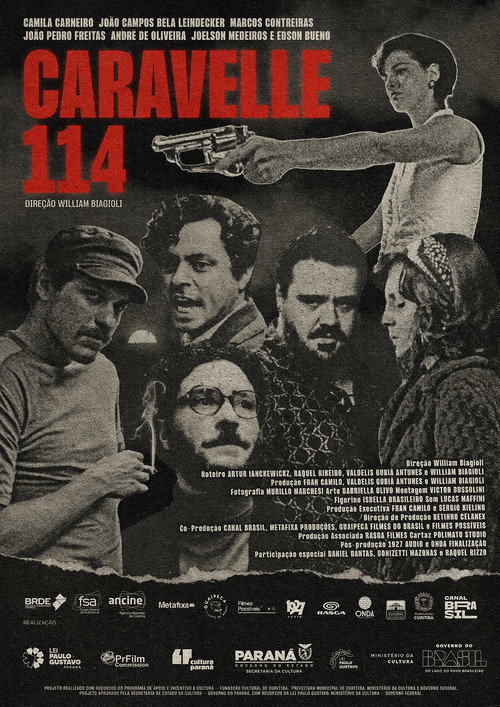
At the height of Brazil’s military dictatorship, a flight would change the fate of everyone on board. Among the passengers were a mother, her two young children, and militants from VAR-Palmares with a daring plan: to divert Flight 114 to Cuba. Caravelle 114 reconstructs, in fiction, the events behind the hijacking that defied the Brazilian dictatorship.
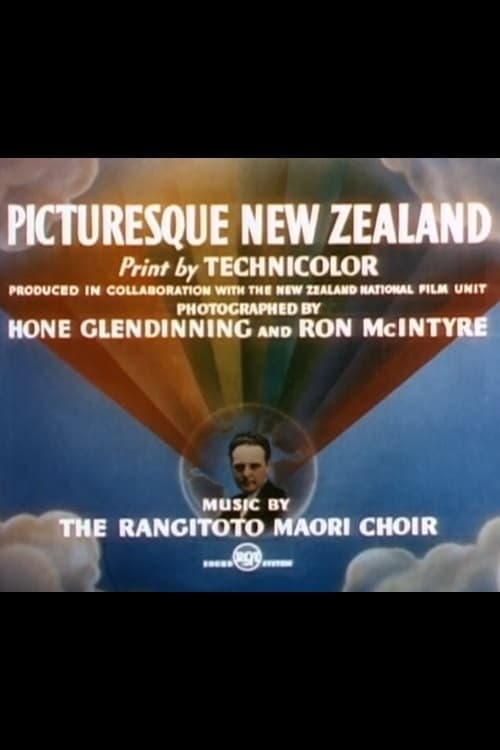
This Traveltalk series short visit to New Zealand starts in Auckland, a bustling, modern city. Next is Christchurch, home of Canterbury University, where rowing teams participate in a regatta. Nearby is Lake Wakatipu, which inspires artists to put their impressions on canvas. We then visit Rotorua, a city famous for its geysers, hot springs, bubbling mud pools, and other geothermal activity. At Ferry Springs there is lots of trout for fishing. Later, a group of natives performs a canoe dance.
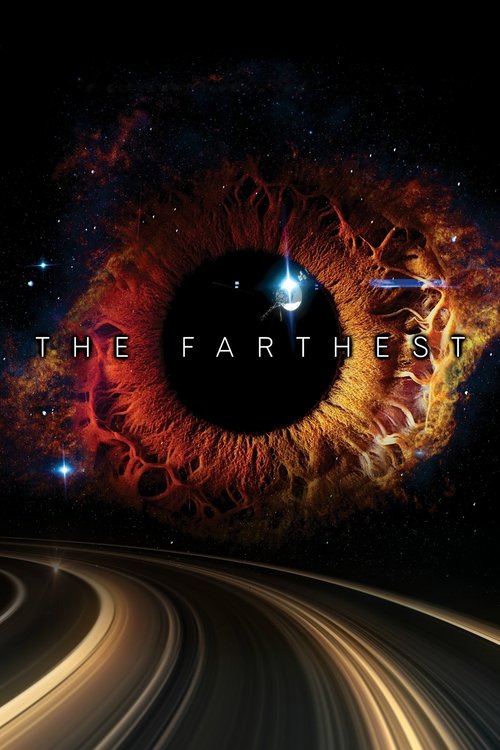
The captivating tales of the people and events behind one of humanity's greatest achievements in exploration: NASA's Voyager mission.
'Miriam: Home Delivery' is a feature length documentary following one of the longest-practicing midwives in New York City. Miriam has a 'voice and a mission'. We are with her as she drives through the city, enabling those women who have made choices about how and where they give birth, against the cultural norm.
Portrait of Augustinas Baltrušaitis, film and theatre director, as well as actor, who fell into obscurity and has now been relegated to the margins of society, as a result of specific political circumstances. Countdown is a film about the limits of memory, the effects of the implacable passage of time, and a hope that surpasses time.
Karel Plicka was also cinematographer of this short movie. Editor in charge was Alexander Hackenschmied. There is an extraordinary emotional charge, every shot is working on its own, such as photographs, paintings and poetic complement intertitles in this short. From the perspective of nature and the perspective is shifting to the people and their habits, work and clothes. Peculiar documentary shots underscore Ruthenians (men, women and children) who are interested in looking into the camera and the curious "eye" showing off their habits.
An isolated village in the Lithuanian countryside. Seated in her house, an elderly woman recites an old folk story. Then she climbs up the tall ladder that takes her to the rooftop of the church.