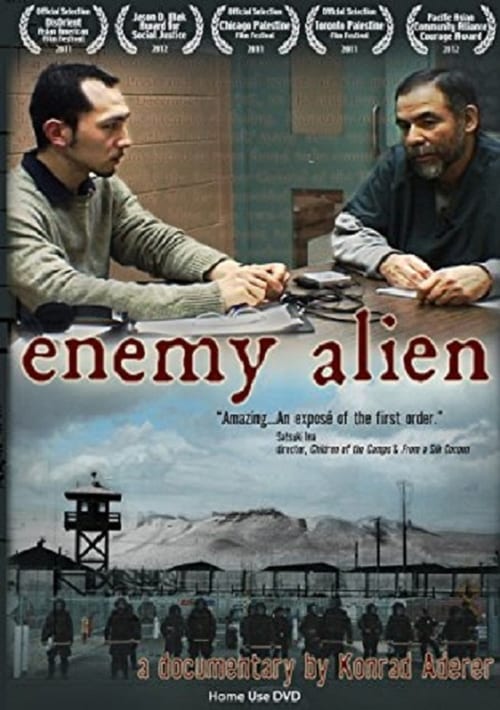
A Palestinian activist's fight for freedom draws a Japanese American filmmaker into confrontation with detention regimes of past and present.
No Cast found.
Trailer
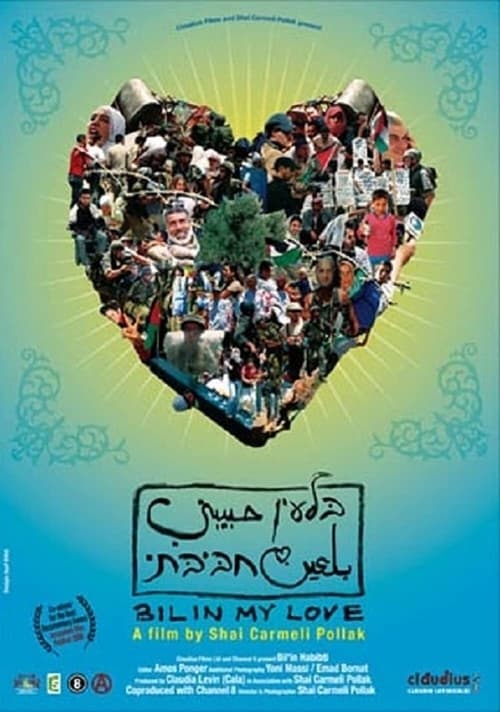
The Israeli filmmaker Shai Corneli Polak records the building of the 'security wall' through Palestinian territory at the village of Bil'in. The villagers protest mostly peacefully, while the Israeli army doesn't react peacefully. By now the Israeli High Court has ruled that the building of the wall was illegal.
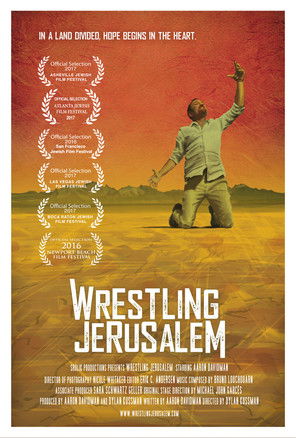
Writer-actor Aaron Davidman embodies seventeen different characters in and around the sacred city of Jerusalem as he takes us on an eye-opening journey into the heart of the Israeli-Palestinian story. Exploring universal questions of identity and human connection, the film is about one man's effort to embrace a multiplicity of conflicting viewpoints, chronicling a brave exploration of the complex humanity at the heart of one of the world's most troubling conflicts.
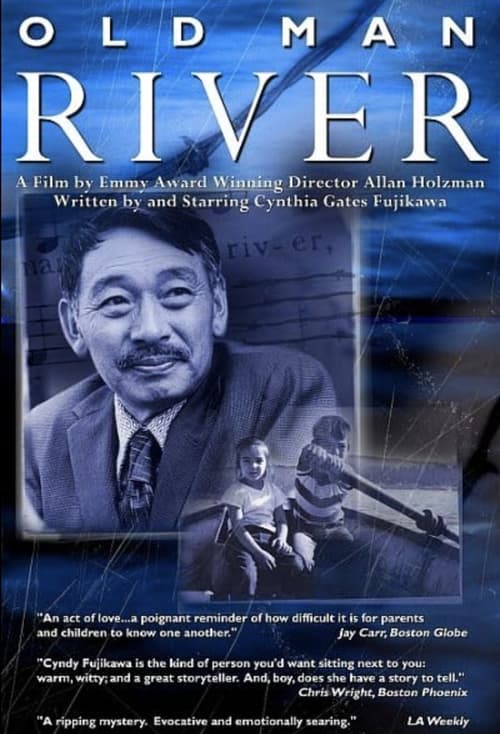
Documentary film version of the stage show in which actress Cynthia Gates Fujikawa explores the story of her father, actor Jerry Fujikawa, who had a long career in films and television, most often as a stereotyped Asian. The daughter, in the course of searching out her late father's history, discovers many things that she had not known, among them that her father had spent time in Manzanar, the internment camp for Japanese-Americans during World War II, that he had had a family prior to hers, and that somewhere out there was a sister she had never known existed.
Through real-time bodycam and phone footage, frontline activists take audiences along on their audacious raids to tear down arms factories around the UK. Since 2020, direct action group Palestine Action have documented their operations to dismantle the companies and infrastructure supplying weapons to the ongoing genocide in Gaza.
No overview available.
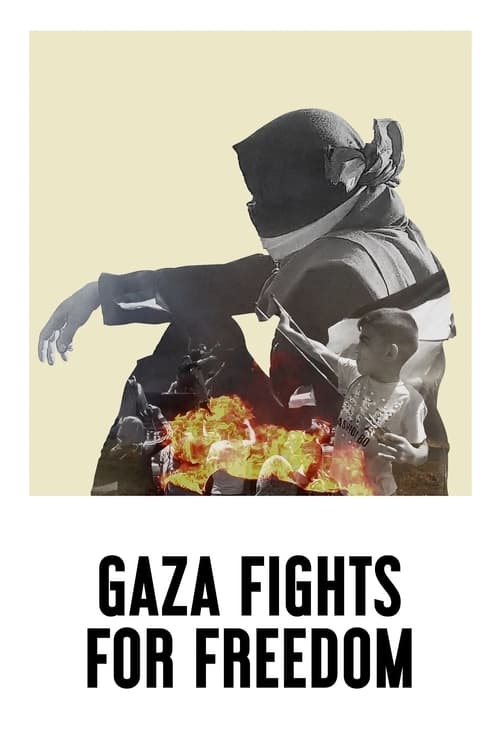
Gaza Fights for Freedom depicts the ongoing Great March of Return protests in the Gaza Strip, occupied Palestine, that began in 2018.
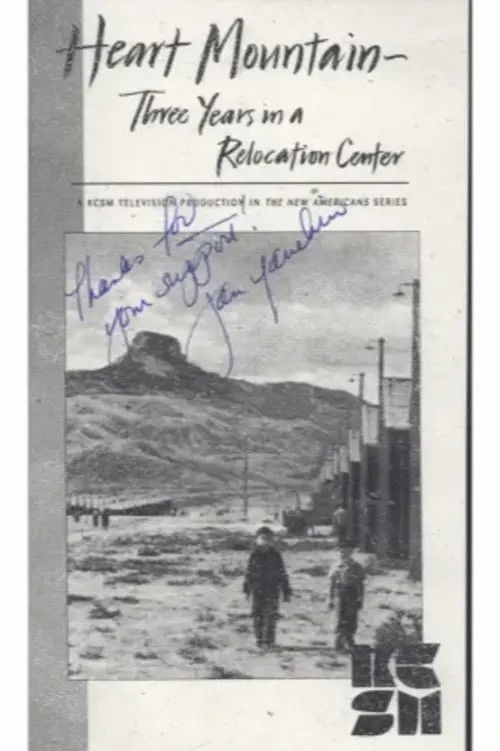
A documentary film about the internment of Japanese Americans at Heart Mountain, Wyoming during World War II. The program, hosted by Jan Yanehiro, proceeds in part as a series of interviews. It also includes archival film footage of Heart Mountain and Japanese Americans during World War II, as well as present day footage of the Heart Mountain landscape.
From Race Track to Assembly Center documents life for San Francisco Bay Area residents of Japanese ancestry incarcerated at the Tanforan Race Track in San Mateo County after being evicted from their homes during World War II.
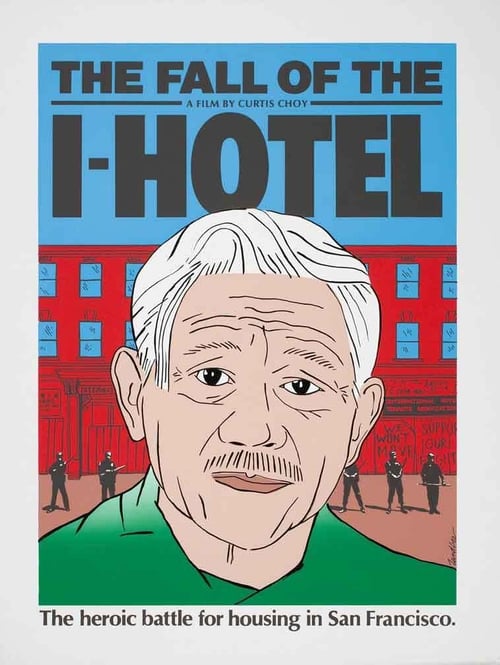
The Fall of the I-Hotel brings to life the battle for housing in San Francisco. The brutal eviction of the International Hotel's tenants culminated a decade of spirited resistance to the razing of Manilatown. The Fall of the I-Hotel works on several levels. It not only documents the struggle to save the I-Hotel, but also gives an overview of Filipino American history.
Since the war in Gaza and the expanding occupation of the West Bank, a peaceful resolution to the conflict between Israelis and Palestinians feels more distant than ever. In this three-part series, the reporter Matthew Cassel travels along the 1949 Armistice border, or ‘Green Line’, once seen as the best hope for a resolution. He meets Palestinians and Israelis living just kilometres apart, but shaped by vastly different realities.
Greek internal migrants in Athens, after the Greek Civil War colonize the tops of the Tourkovounia hills.
In this modern, coming of age documentary, Naomi, Jojo and Arham grapple with economic divides, gender roles, and family dynamics while competing in the fastest growing high school sport in the country: girl’s wrestling.
At America's elite MIT, a Ghanaian alum follows four African students as they strive to graduate and become agents of change for their home countries Nigeria, Rwanda, Tanzania, and Zimbabwe. Over an intimate, nearly decade-long journey, all must decide how much of America to absorb, how much of Africa to hold on to, and how to reconcile teenage ideals with the truths they discover about the world and themselves.
A forensic investigation into the impact of Israeli military operations on Gaza’s healthcare system. This urgent documentary examines evidence of widespread destruction across the territory’s medical infrastructure, where all 36 main hospitals have reportedly been damaged or destroyed. Hundreds of healthcare workers — including doctors and surgeons — are known to have been killed, injured or detained, with some alleging imprisonment and mistreatment
Lebanese/Canadian artist Jayce Salloum and Elia Suleiman, a Palestinian filmmaker living in New York, have taken on our accumulated (mis)impressions of the Palestinian Intifada by tracing their genesis in film and television.
In 1947, the Assisted Passage Scheme began, devised by the Australian government to bring in white British settlers. For just 10 pounds, they could start a new life in a sun-drenched land of opportunity, and over the next 25 years, more than a million people took up the offer. The scheme's pioneers tell their story.
Rosa is a Mexican woman who, at the age of 17, migrated illegally to Austin, Texas. Some years later, she was jailed under suspicion of murder and then taken to trial. This film demonstrates how the judicial process, the verdict, the separation from her family, and the helplessness of being imprisoned in a foreign country make Rosa’s story an example of the hard life of Mexican migrants in the United States.
Accompanying from a place to another the poet who spent years in exile far from his native land of al-Birwa, in Haifa, Cyprus, Tunis, Amman, Paris, Cairo and Ramallah.
The only thing colder than a Canadian winter is Canadian bureaucracy (probably). Based on five real life stories, Romy Boutin St-Pierre and Joe Nadeau pay homage to the nation-wide stress headache of phone calls with the government in this surprising short.