No Trailers found.
self
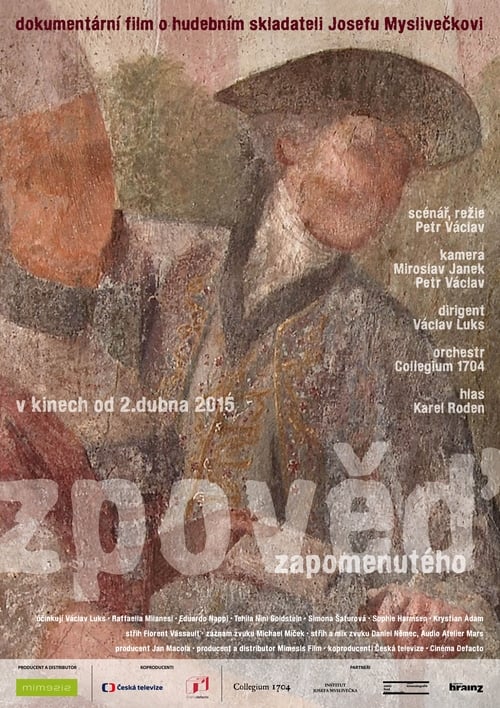
The film follows the staging of the opera Olimpiade while at the same time exploring the dramatic life of its composer Josef Mysliveček, a friend and teacher of W. A. Mozart.
A prominent Russian ballet dancer and teacher Alexander Shiryaev had another talent hidden for almost a century. Archive materials that date back to 1906 reveal his bold experiments at stop-motion and paper animation.
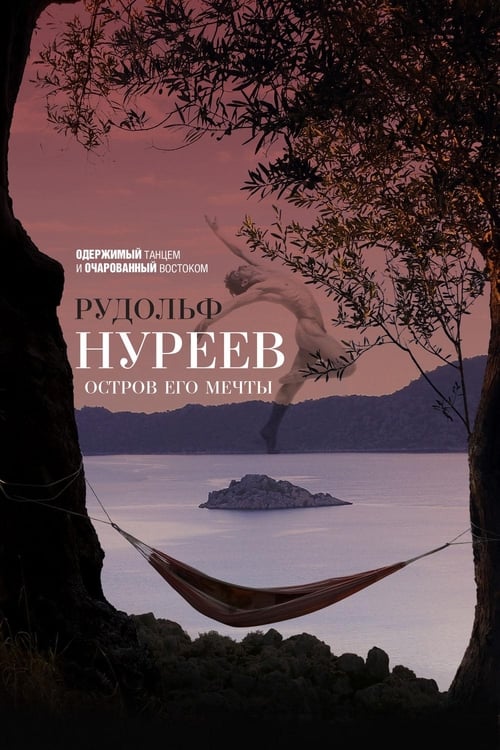
The film tells the story of the regular visits that the legendary Russian ballet dancer Rudolf Nureyev made to Turkey between 1980 and 1990.
Love Opera provides an inside look at Brisbane’s world-class Lisa Gasteen National Opera Program as it prepares a production of Carmen with the Queensland Symphony Orchestra. Nestled inside Griffith University on Brisbane’s South Bank, the Lisa Gasteen National Opera Program is the brainchild of its eponymous leader, whose singular qualities as an opera singer have taken her from The Met to Covent Garden and all across Europe.
No overview available.
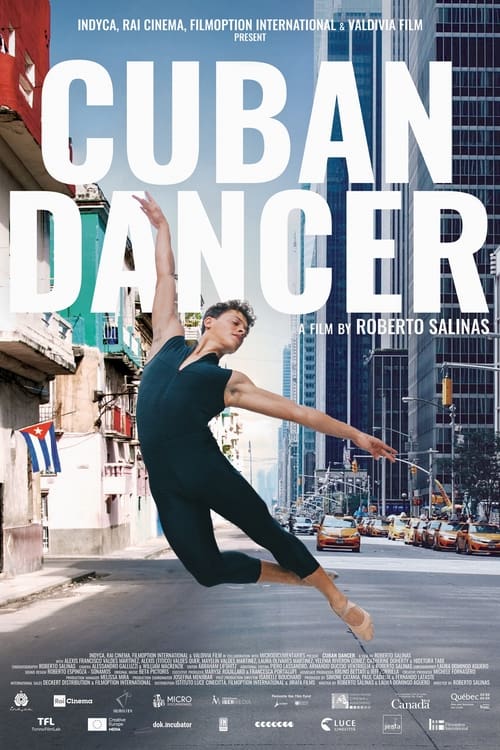
Alexis, a talented and proud student of the National Ballet School of Cuba, spends his life practicing chassé and entrechats with his girlfriend and dance partner Yelenia. However, when his family moves to Florida to be reunited with his sister, he must adjust his expectations and dreams to a radically new environment. Alexis, facing rejection and homesick for his native Cuba, feels lost and alone. He must find his way in the world of American ballet while remaining faithful to his roots.
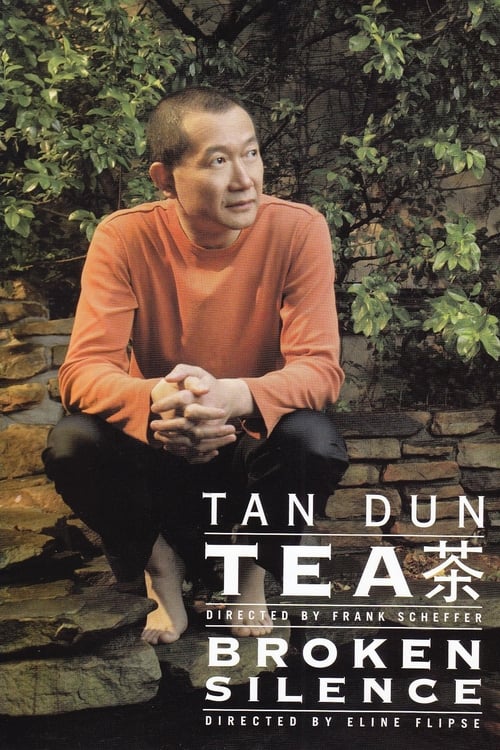
Director Scheffer registered a performance of the Tea Opera by Chinese composer Tan Dun (who won an Oscar in 2001 with his score for Crouching Tiger, Hidden Dragon). Scheffer interlaces the images with interviews with Dun, stage director Pierre Audi and librettist Xu Ying, about the opera and the role tea and oriental philosophy play in this work. Using monochrome, sometimes abstract images (in yellow, blue, red and green), close-ups of plants and flowers and images of the Chinese nature and people (sometimes accelerated or decelerated, sometimes in black-and-white), he mirrors the stylised opera performance and Dun's reflective music.
Poetic documentary about works of several artists from ideas to “births” of works of art.
The Parténope is a baroque opera directed by the prestigious opera and theatre director, Gustavo Tambascio. This documentary tells the story of the preparations and premieres in various cities of this production, which won the Campoamor prize for the best lyric production of the year.
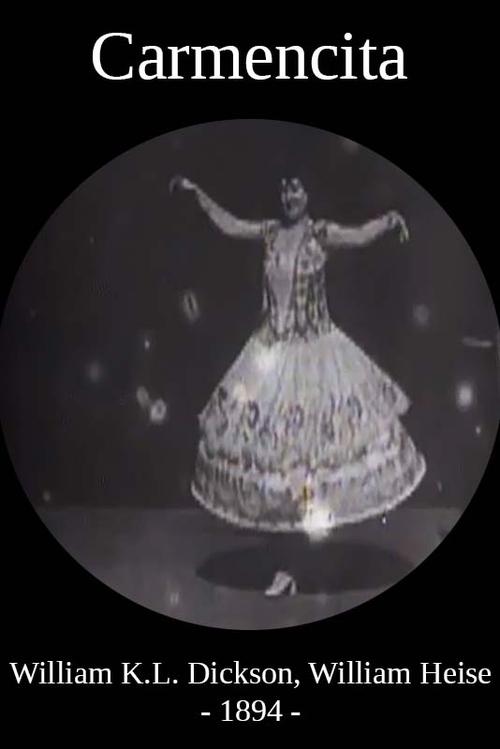
The first woman to appear in front of an Edison motion picture camera and possibly the first woman to appear in a motion picture within the United States. In the film, Carmencita is recorded going through a routine she had been performing at Koster & Bial's in New York since February 1890.
During his thirty-year career, Walter Hus, a Belgian composer and pianist, has taken a thousand musical faces. While he wanted to compose a new work, a crisis blocked his creation. During an exchange with his therapist, he comes to an existential question: "Who am I musically? » Through the portrait of this composer, as abundant as it is fascinating, the film aims to give access to his creative process and thus to the endurance and beauty of creation.
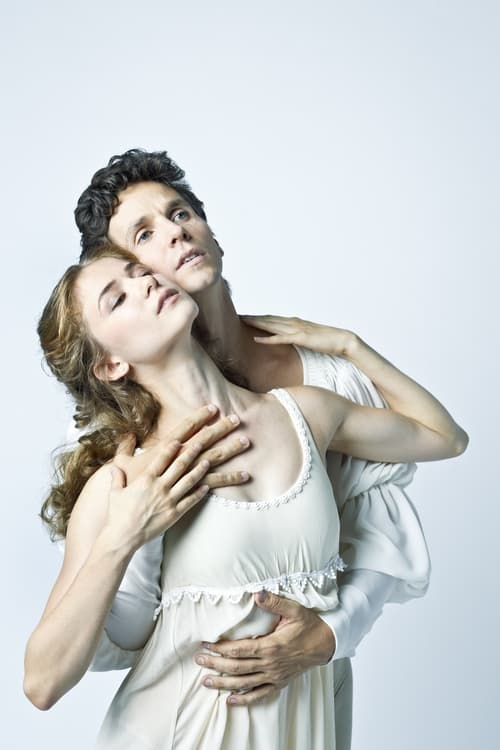
From grueling rehearsals to the world premiere, Romeos & Juliets offers an unprecedented behind-the-curtain look at the National Ballet of Canada as ten dancers vie to perform the lead roles on the coveted opening night of "Romeo and Juliet," as envisioned by acclaimed choreographer Alexei Ratmansky in celebration of the company's 60th anniversary.
Chet Baker silently wanders through an Antonioniesque landscape in a Felliniesque state of wonderment as his improvised trumpet solos alternate between earnestly offering the obvious and mocking the artiness of the whole affair.
Ballet Boys takes you through disappointments, victories, forging of friendship, first loves, doubt, faith, growing apart from each other, finding your own way and own ambitions, all mixed with the beautiful expression of ballet.
Giulia Tonelli, principal dancer at the Zurich Opera House, returns from maternity leave. She has to fight to find her place and a new balance, between the competitive and extremely demanding world of an elite ballet company and her new family life.
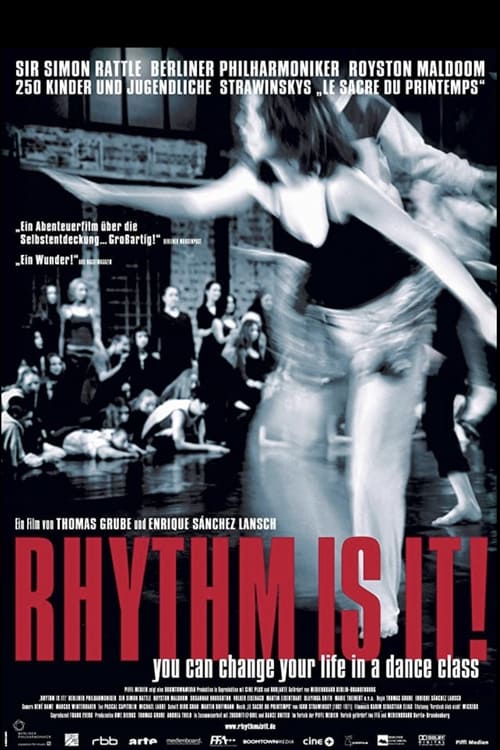
RHYTHM IS IT! records the first big educational project of the Berlin Philharmonic Orchestra under Sir Simon Rattle. The orchestra ventured out of the ivory tower of high culture into boroughs of low life for the sake of 250 youngsters. They had been strangers to classical music, but after arduous but thrilling preparation they danced to Stravinsky's 'Le Sacre du Printemps' ('The Rite of Spring'). Recorded with a breathtaking fidelity of sound, this film from Thomas Grube and Enrique Sánchez Lansch documents the stages of the Sacre project and offers deep insights into the rehearsals of the Berlin Philharmonic Orchestra.
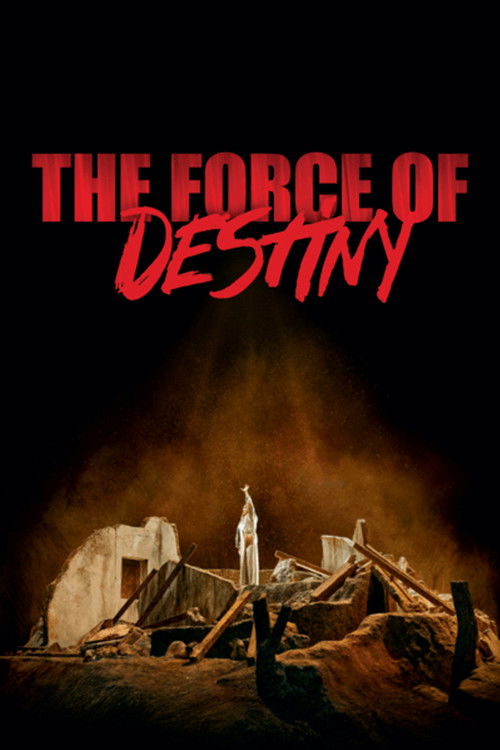
Legendary opera house, La Scala is more than just a stage— it’s a dream factory. And this year, over the course of four intensive months, 900 people will work relentlessly to incarnate Verdi’s opera masterpiece, ‘‘The Force of Destiny”. Under the masterful eyes of director Léo Muscato, we will follow set designer Federica Parolini, as her sketches evolve into towering architectural marvels crafted by dedicated artisans. In the costume workshop, Silvia Peroni and her team weave magic with fabric and thread through their expert hands. Then, a stellar international cast of virtuosos arrives in Milan, ready to fill La Scala’s hallowed halls with their soaring voices. But with the clock ticking, and expectations going through the roof, tensions unfold like an opera of its own. As Milan holds its breath for the legendary Prima on the 7th of December, the stakes couldn’t be higher. Will they be ready in time for curtain rise?
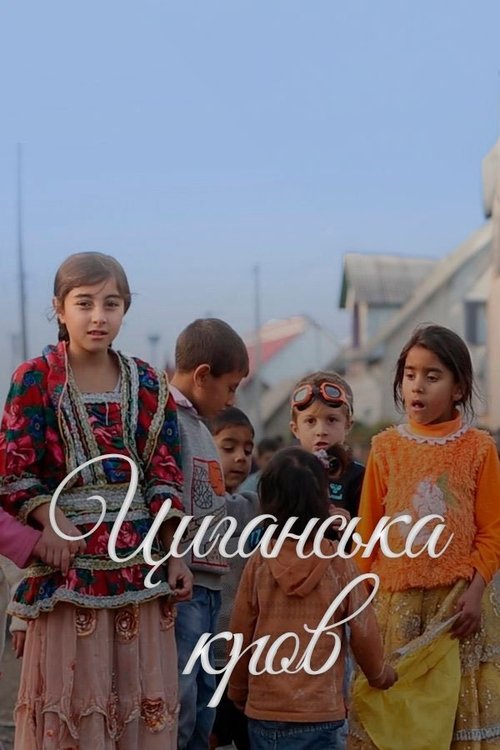
Roma are an important part of Ukraine's population. There are quite a large number of them living in the country—between fifty and one hundred thousand. This documentary shows the peculiarities of the Gypsy people's life in modern society. You will see the stories of five Gypsy barons who will talk about the traditions of their people and reveal some secrets that were previously known only to the Roma.