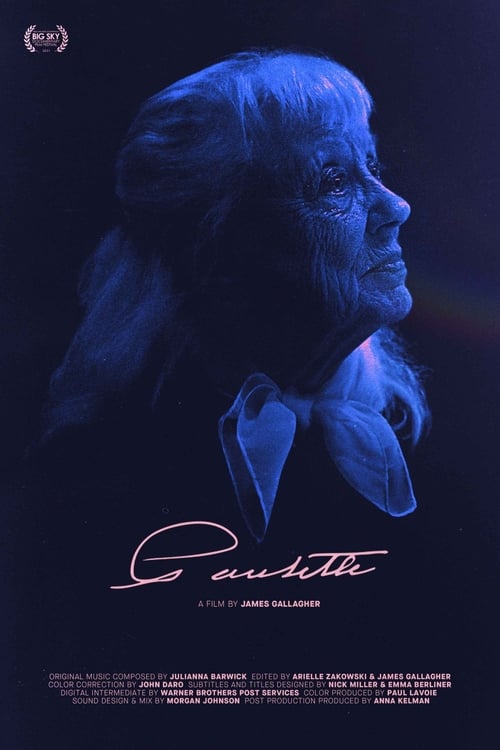
A short documentary following Paulette Harwood, a 90-year-old former Radio City Music Hall Corps de Ballet soloist, as she teaches the final classes in a school she's run for sixty years.
Trailer
Self
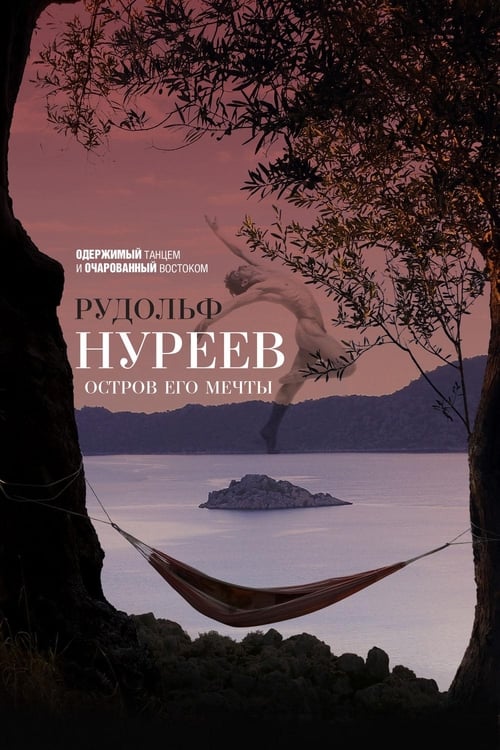
The film tells the story of the regular visits that the legendary Russian ballet dancer Rudolf Nureyev made to Turkey between 1980 and 1990.
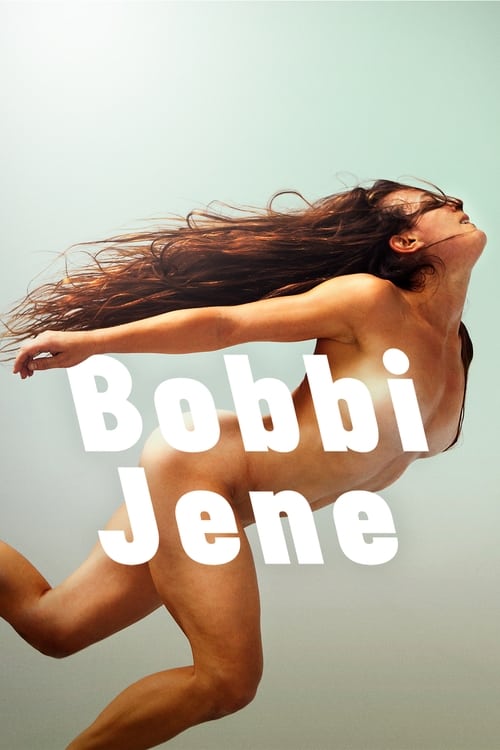
A love story, portraying the dilemmas and inevitable consequences of ambition. It is a film about a woman's fight for independence, a woman trying to succeed with her own art in the extremely competitive world of dance.
No overview available.
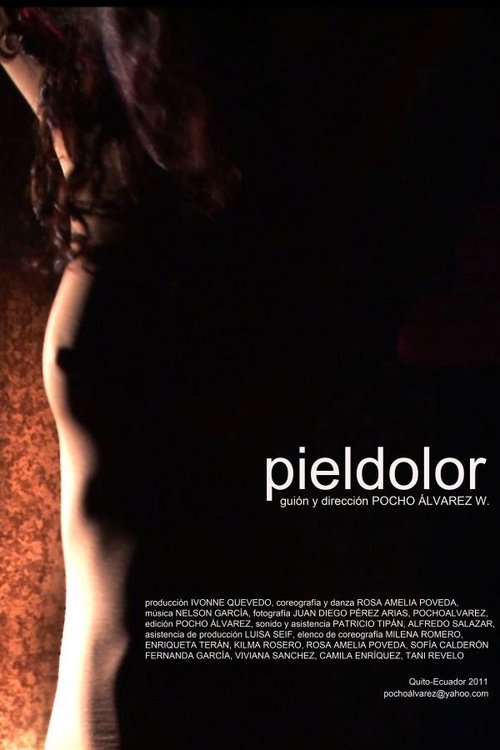
Piel dolor (Skin Pain) explains how power is structurally sustained in violence. Its nature and the relationships it establishes in society are based more on the imposition and use of force than on building consensus, dialogue, and respect for diversity. In that sense, power is a behavior that seeks dominance through force and man as a gender, becomes an instrument of violence that is exercised against the weakest. Extinguishing the socially constructed violence means eliminating the current power and its historical sustenance, questioning the source of origin, religion, ideology, the system and its values. Is that utopia possible?
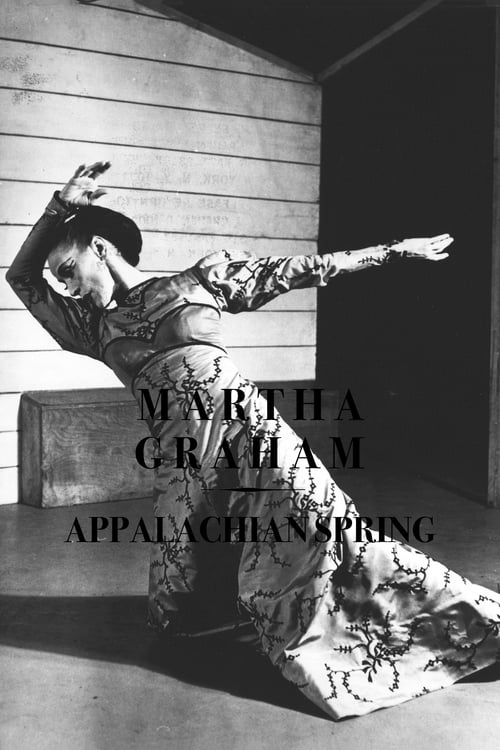
A filmed version of Aaron Copland's most famous ballet, with its original star, who also choreographed.
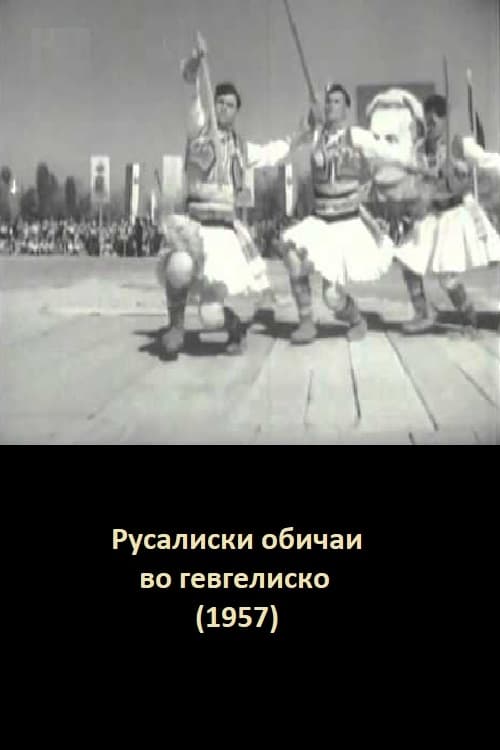
A testimony to the performance of ritual dances. Although they were performed only during the so-called “unbaptized days”, the 12 days between Christmas and Epiphany in the Orthodox Christianity, these dances are associated by some researchers with the Roman rosaries, the cult of the dead. Ritual clothing and the use of wooden swords to disperse the demons are important props in the dances that are believed to protect the folks from temptations and demons until they are baptized.
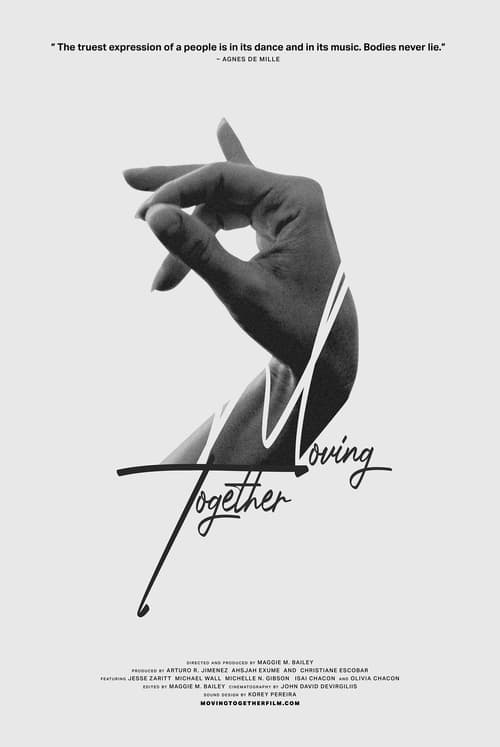
Moving Together is a celebratory love letter to music and dance that brims with kinetic life and energy. This documentary explores the intricate collaboration between dancers and musicians, moving seamlessly between Flamenco, Modern, and New Orleans Second Line.
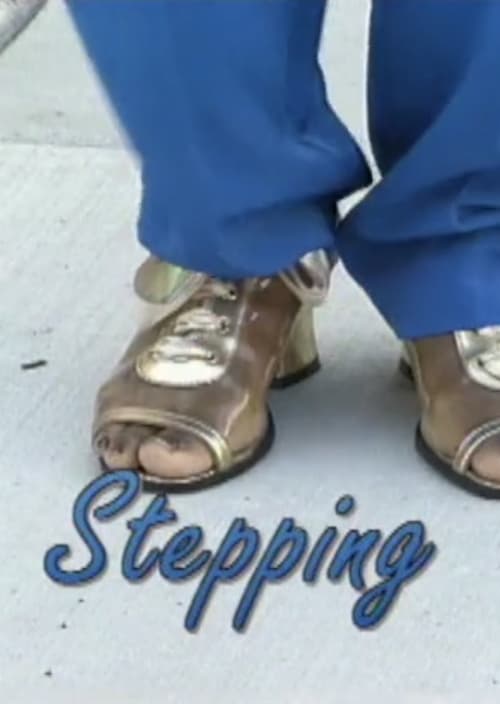
Stepping is a dance form that can be found across the country at virtually every college with a substantial African American enrollment. Stepping is performed informally during parties as well as more formally during organized step shows. This film explores this tradition, its historical roots as well as its contemporary forms, styles and uses, to understand how students construct various levels of identity through this dance form…African American identity, fraternity or sorority identity, gendered identity and personal identity. The film goes behind the scenes with the Alpha Phi Alphas as they prepare for a step show that is only a few hours away. Cutting between this show and interviews with current and past steppers as well as footage from previous shows, the film provides a broad picture of this vibrant and dynamic dance form.
Poetic documentary about works of several artists from ideas to “births” of works of art.
A prominent Russian ballet dancer and teacher Alexander Shiryaev had another talent hidden for almost a century. Archive materials that date back to 1906 reveal his bold experiments at stop-motion and paper animation.
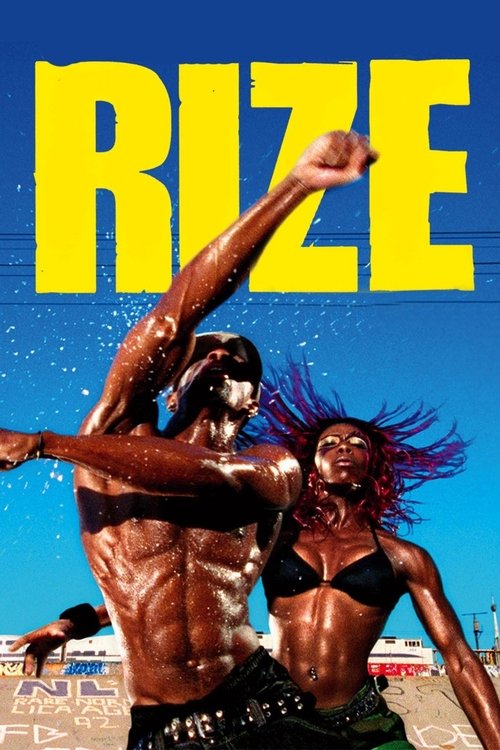
A documentary film that highlights two street derived dance styles, Clowning and Krumping, that came out of the low income neighborhoods of L.A.. Director David LaChapelle interviews each dance crew about how their unique dances evolved. A new and positive activity away from the drugs, guns, and gangs that ruled their neighborhood. A raw film about a growing sub-culture movements in America.
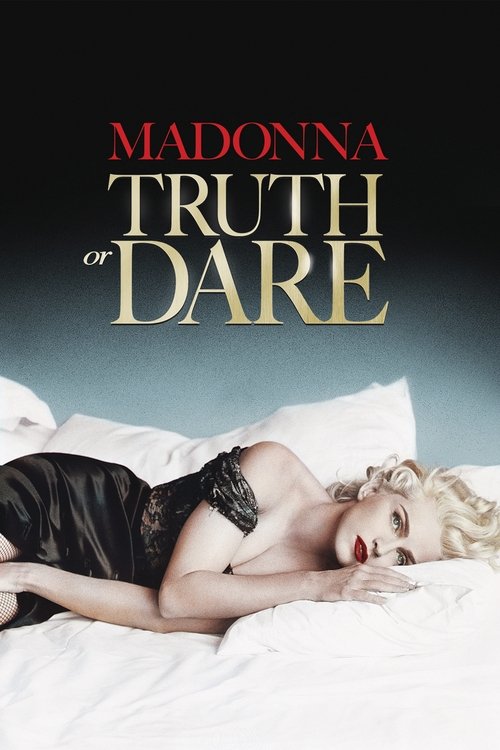
From the rains of Japan, through threats of arrest for 'public indecency' in Canada, and a birthday tribute to her father in Detroit, this documentary follows Madonna on her 1990 'Blond Ambition' concert tour. Filmed in black and white, with the concert pieces in glittering MTV color, it is an intimate look at the work of the icon, from a prayer circle before each performance to bed games with the dance troupe afterwards.
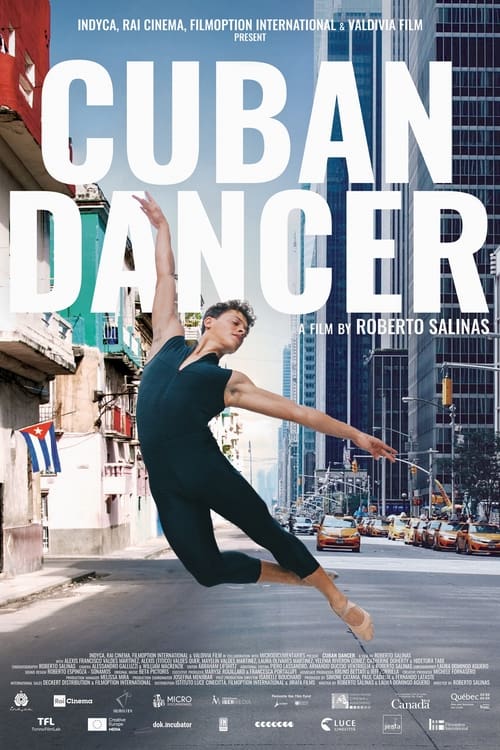
Alexis, a talented and proud student of the National Ballet School of Cuba, spends his life practicing chassé and entrechats with his girlfriend and dance partner Yelenia. However, when his family moves to Florida to be reunited with his sister, he must adjust his expectations and dreams to a radically new environment. Alexis, facing rejection and homesick for his native Cuba, feels lost and alone. He must find his way in the world of American ballet while remaining faithful to his roots.
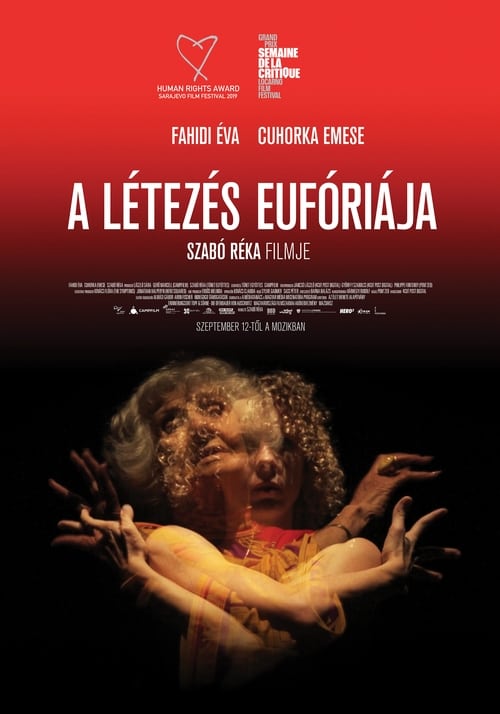
Alone, Eva Fahidi returned home to Hungary after WWII. At 20 years of age, she had survived Auschwitz Birkenau, while 49 members of her family were murdered, including her mother, father, and little sister. Today, at age 90, Eva is asked to participate in a dance theatre performance about her life's journey. This would be her first experience performing on a stage. Reka, the director, imagines a duet between Eva and a young, internationally acclaimed dancer, Emese. Reka wants to see these two women, young and old, interact on stage, to see how their bodies, and stories, can intertwine. Eva agrees immediately. Three women - three months - a story of crossing boundaries. Whilst the extraordinary moments of Eva's life are distilled into theater scenes, a truly wonderful and powerful relationship forms among the three women.
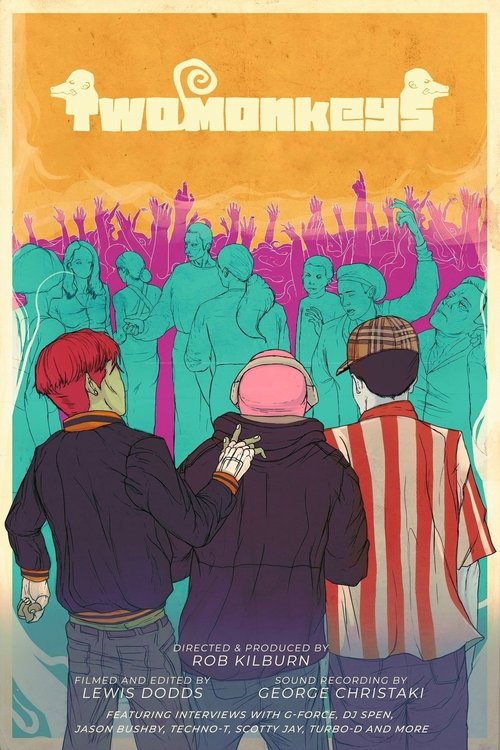
An independent documentary focusing on the Blue Monkey and New Monkey nightclubs in Sunderland. The dawn of the rave scene in the late 80s and early 90s changed the face of music forever and left a legacy that still continues to this day. Hear the stories of those who lived through it and were involved in the North East scene at the beggining. From raid to ruins, we shed light on the rise and fall of the Blue Monkey and New Monkey nightclubs investigating the music and the controversy that came with the all night rave clubs.
A documentary following the conscious evolution of electronic music culture and the spiritual movement that has awakened within.
This Christmas, step into the magical world of The Nutcracker. For the first time in many years, the Royal Ballet has given full access behind the scenes for a landmark 90-minute documentary as they prepare for this season's yuletide production.
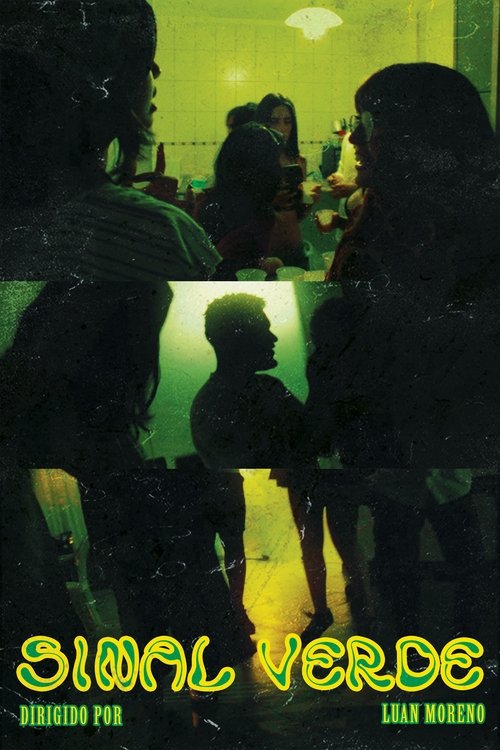
Moments of a group of high school students at a party, before the college admission tests start.