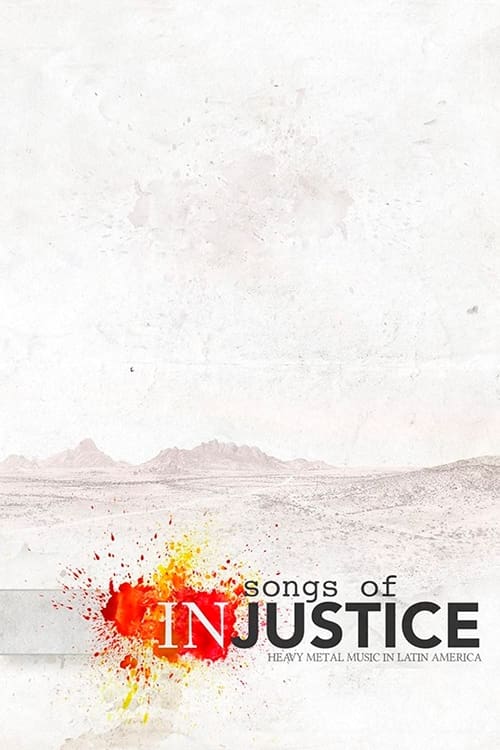
In this documentary film a team of researchers examine the social contexts that influenced the emergence and permanence of heavy metal music in Chile, Argentina, Mexico and Peru. Colonialism, dictatorships, terrorism and neoliberal exploitation serve as points of reference for how heavy metal in the region has been directly linked to each country's social and political context.
No overview available.
In Argentina, a woman dies every week as the result of illegal abortions. In 2018, for the seventh time, a motion supporting legal, secure and free abortion was presented to the national congress of Argentina. The project provoked a fierce debate, revealing a society divided more than ever between the pro-life and freedom to choose positions. Through an assemblage of passionate testimonies, Let It Be Law documents the determination of women fighting bravely to secure the right to physical self-determination, and bears witness to their massive mobilization in the streets of Buenos Aires.
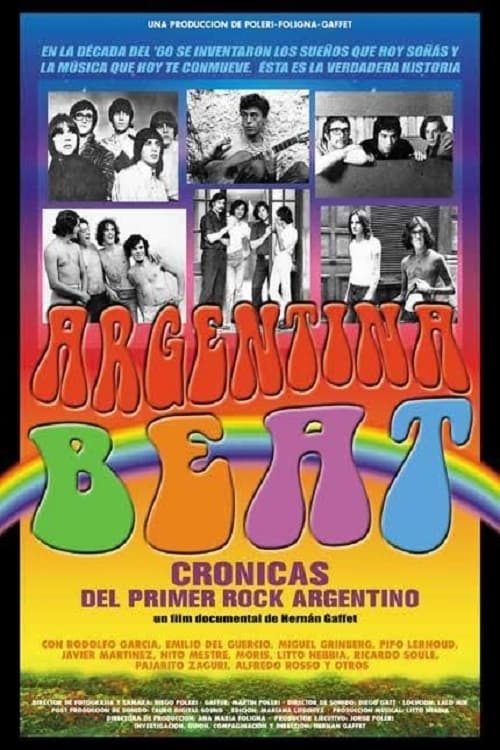
Through the second half of the 1960's the Beat movement and the first National Rock were the flagship of the youth, leaders as never before of a society in transformation. The formation of the first bands, the venues for concerts, the difficulties to sing rock in Spanish and interact with other artists create new ways to communicate previously unavailable. This documentary presents the story of these first pioneers of the Argentinean rock music.
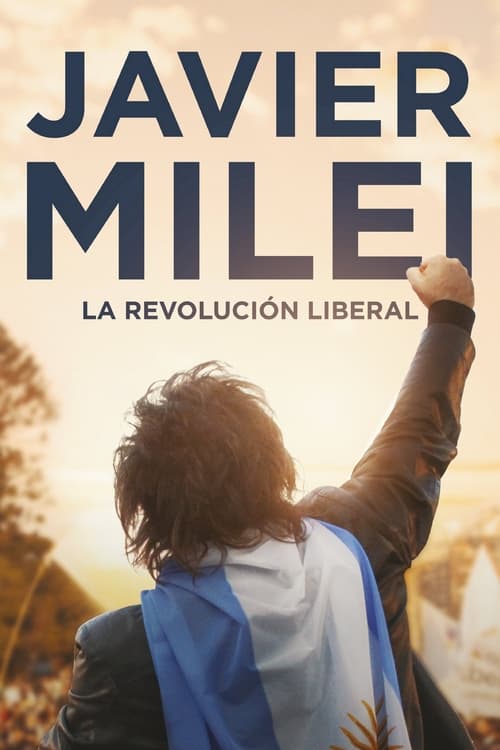
A portrait of Argentine libertarian politician Javier Milei.
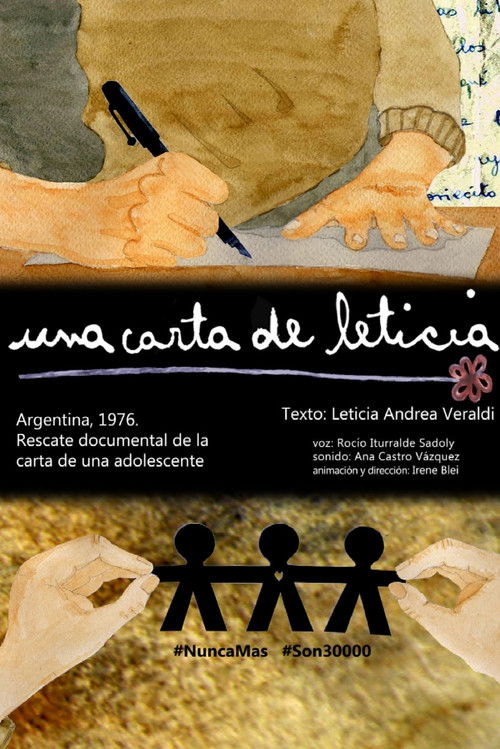
Leticia was 17 years old when she was kidnapped from school. She had arrived in Cipolletti a year earlier from the Vicente López National School in Buenos Aires. This letter was found while searching for photos and testimonies from those days.
A captivating story that takes you inside the heart of the Argentina national team camp of "La Albiceleste". Witness the incredible moments since they added a third star to their iconic jersey. Listen to their unique perspectives as they reflect on an unforgettable tournament, sharing the deep sense of connection that winning has forged between them and a nation behind them. A story about passion, dedication, and unity that make Argentina's victory truly memorable.
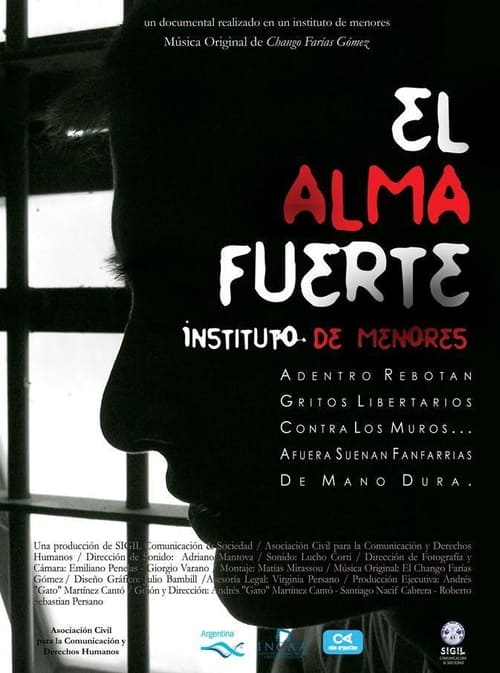
The youngsters housed in the "Almafuerte" Maximum Security Juvenile Institute have their first approach to audiovisual recording. A film and documentary video workshop serves as an excuse for them to make a short film inside the prison. The camera is a rabid toy that generates fascination in them and rescues a sheltered, innocent smile that seemed forgotten under the shadows. While inside libertarian cries bounce against the walls, outside sounds fanfares of an iron fist.
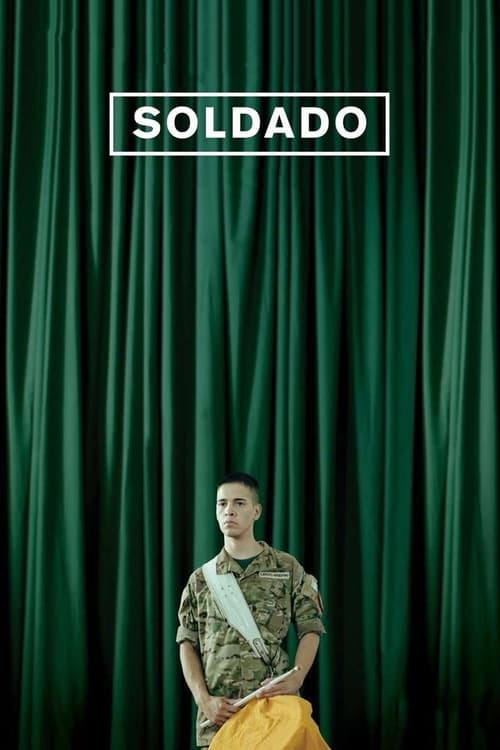
A young man decides to join the army. He becomes the drummer in the military band, and his everyday life is now a combination of military training and music. What does the Argentine Army do these days, more than thirty years after the dictatorship? What does it mean to be a soldier in a country without wars?
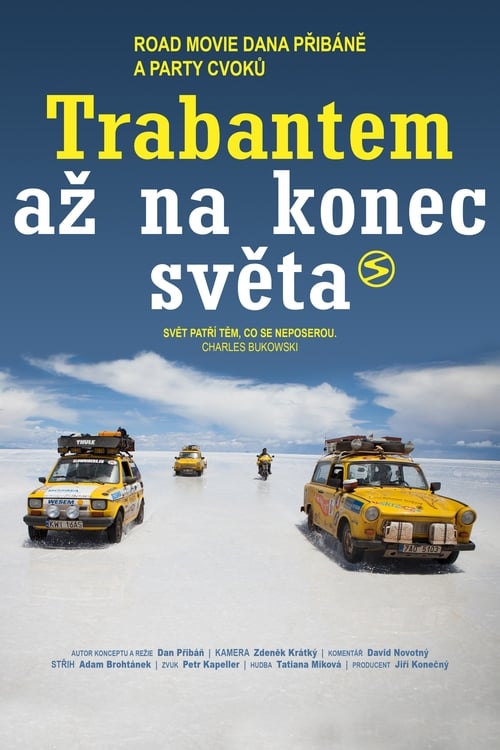
The third installment in Dan Přibáň's series of travel documentaries describes the author's journey with his friends across South America in vehicles that are often notorious but cult in their own way. The charming dynamics of the group on screen are further enhanced by the high-quality craftsmanship.
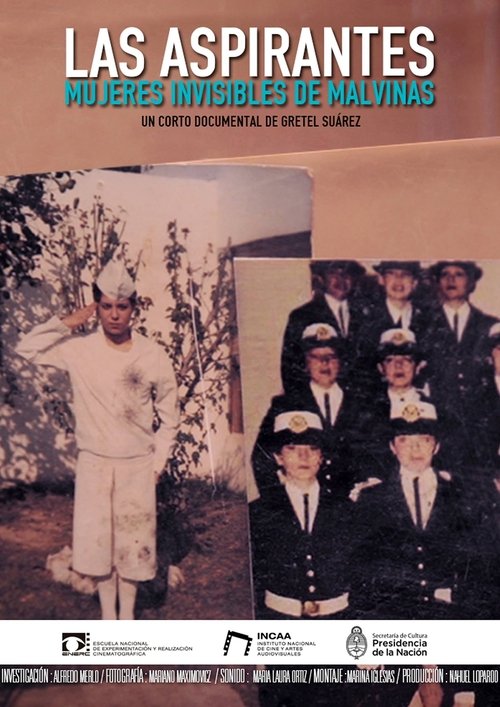
A story that explores the role of women in the Malvinas War. The protagonist, leader of a group of veteran nurses, commits suicide while this documentary is being filmed. Her companions took on her legacy and continue the fight for recognition in the face of the silence of history and the Argentine Navy.
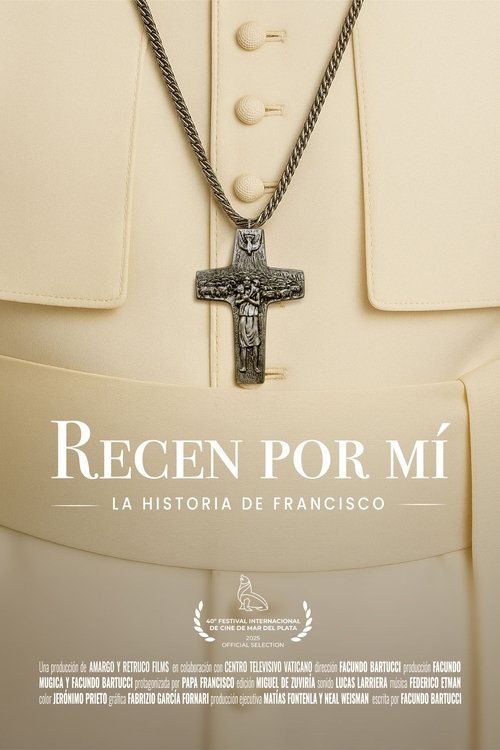
Pray for me: Pope Francis’ story is a documentary that follows the life journey of Pope Francis, with a particular focus on his social and humanitarian work. The film portrays a man deeply devoted to the causes of the poor, the marginalised, and the forgotten: from his early years in Argentina to his role as a spiritual leader on the global stage. Blending archival footage, personal testimonies, and a thoughtful, ethical perspective, the documentary offers an intimate and timely portrait of one of the most influential figures of our time.
Documentary about the life and work of Jorge Luis Borges, from his own memories and reflections.
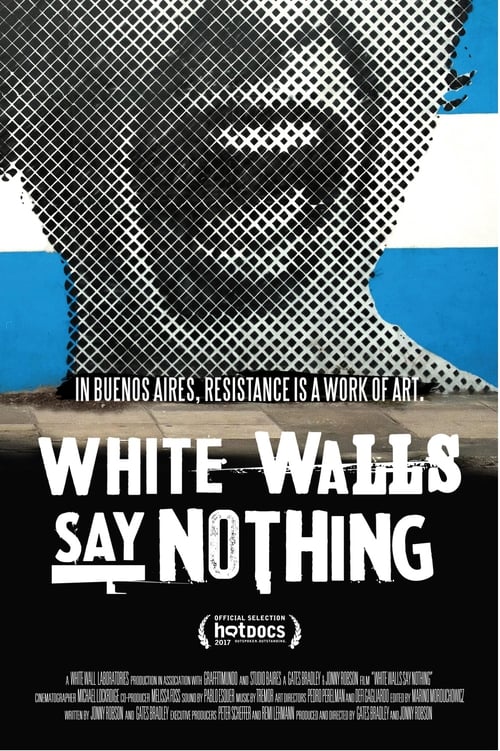
Buenos Aires is a complex, chaotic city. It has European style and a Latin American heart. It has oscillated between dictatorship and democracy for over a century, and its citizens have faced brutal oppression and economic disaster. Throughout all this, successive generations of activists and artists have taken to the streets of this city to express themselves through art. This has given the walls a powerful and symbolic role: they have become the city’s voice. This tradition of expression in public space, of art and activism interweaving, has made the streets of Buenos Aires into a riot of colour and communication, giving the world a lesson in how to make resistance beautiful.
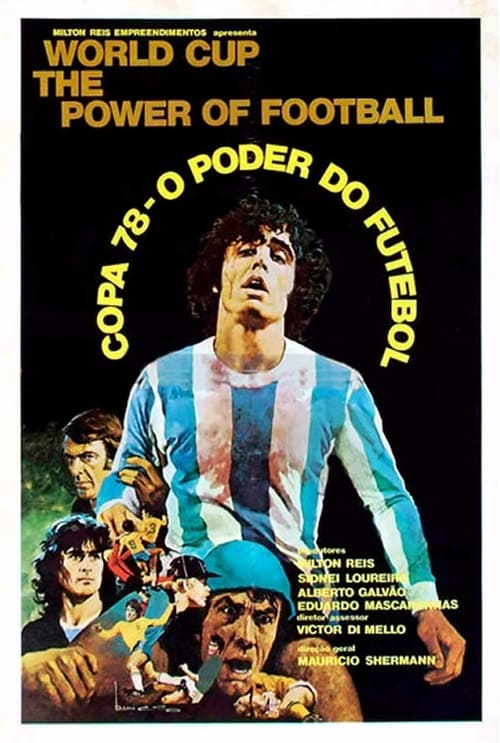
Documentary about the Football World Cup held in Argentina in 1978, focusing on the competition and behind the scenes of the most important soccer competition in the world. Two versions of the 1978 official film exist, the first "Copa 78 - O Poder do Futebol" was made by Brazilian directors Maurício Sherman and Victor di Mello in 1979 but was later withdrawn by FIFA because of its controversial content. The film includes an interview with Rodolfo Galimberti, one of the leaders of the Montoneros guerrilla group and also made accusations that the Argentinian competition organisation committee had deliberately hindered Brazilian chances of success by tampering with the pitch at Mar del Plata.
A documentary following the day life of fans in Brazil on July 13, 2014: the day when Germany and Argentina met up in the finals of FIFA World Cup.
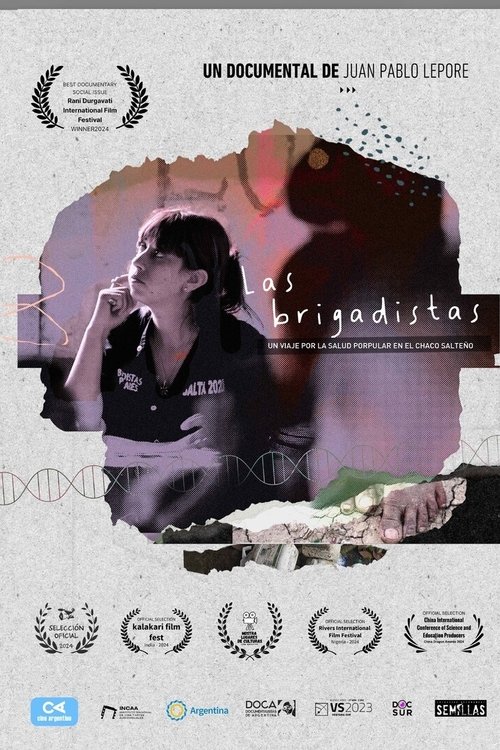
tells the experience of a group of medical students who travel to the north of Argentina to assist different indigenous communities that suffer the dispossession of their lands and structural poverty.
The villagers of El Dorado, Argentina, shy away from doctors. Then again, they hardly need one. They have almost as many cures for ailments and illnesses as there are residents in the village. 65 year old Jorge can also cure the most dreaded ailment of them all, the much feared espanto.
No Trailers found.