No Trailers found.
Himself
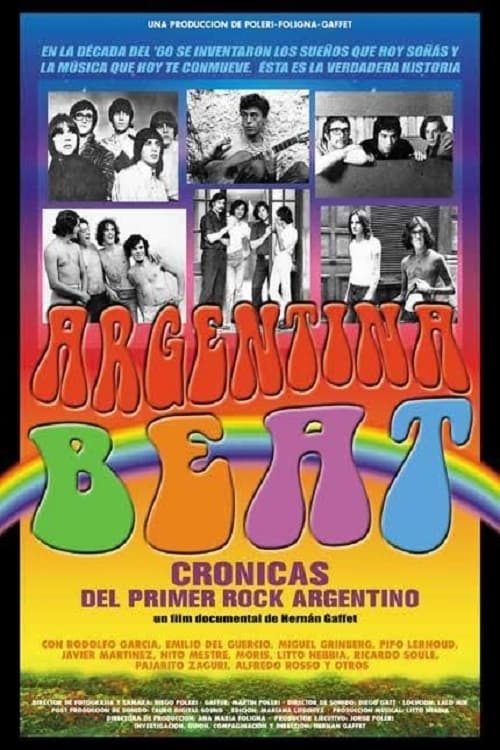
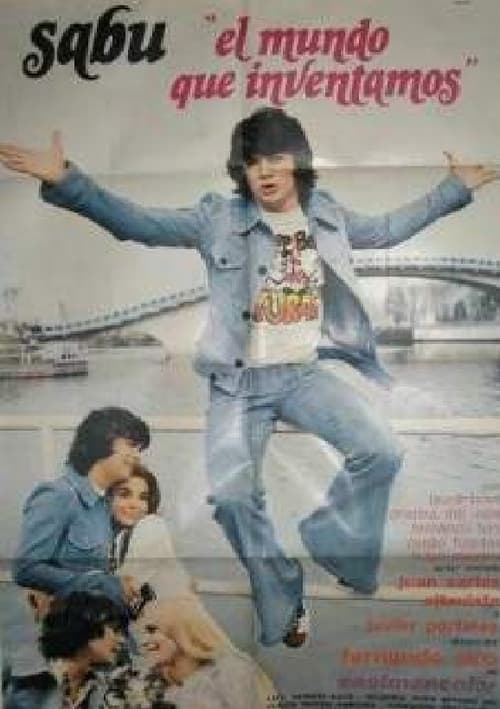
Through the second half of the 1960's the Beat movement and the first National Rock were the flagship of the youth, leaders as never before of a society in transformation. The formation of the first bands, the venues for concerts, the difficulties to sing rock in Spanish and interact with other artists create new ways to communicate previously unavailable. This documentary presents the story of these first pioneers of the Argentinean rock music.
No overview available.
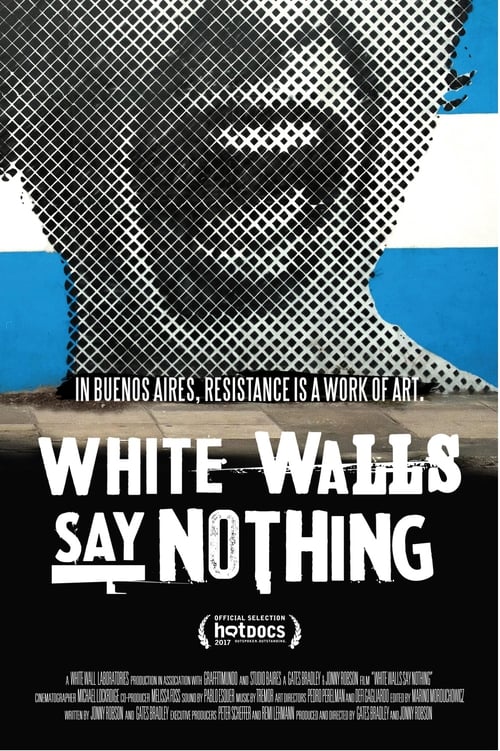
Buenos Aires is a complex, chaotic city. It has European style and a Latin American heart. It has oscillated between dictatorship and democracy for over a century, and its citizens have faced brutal oppression and economic disaster. Throughout all this, successive generations of activists and artists have taken to the streets of this city to express themselves through art. This has given the walls a powerful and symbolic role: they have become the city’s voice. This tradition of expression in public space, of art and activism interweaving, has made the streets of Buenos Aires into a riot of colour and communication, giving the world a lesson in how to make resistance beautiful.
After the fall of the military dictatorship in 1983, successive democratic governments launched a series of reforms purporting to turn Argentina into the world's most liberal and prosperous economy. Less than twenty years later, the Argentinians have lost literally everything: major national companies have been sold well below value to foreign corporations; the proceeds of privatizations have been diverted into the pockets of corrupt officials; revised labour laws have taken away all rights from employees; in a country that is traditionally an important exporter of foodstuffs, malnutrition is widespread; millions of people are unemployed and sinking into poverty; and their savings have disappeared in a final banking collapse. The film highlights numerous political, financial, social and judicial aspects that mark out Argentina's road to ruin.
After the end of the military dictatorship in Argentina in 1983, Floreal is released from prison. Instead of returning to his wife, he wanders through the night of Buenos Aires. He meets some people from his past–most of which are only imaginary–and remembers the events of his imprisonment.
An all-girl band flees to Argentina to avoid their creditors. Comedy with songs.
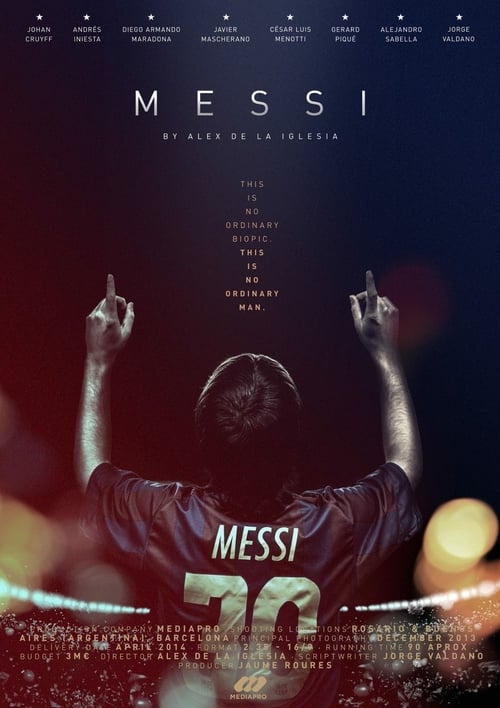
His teachers, coaches, childhood friends and Barça teammates, together with journalists, writers and prominent figures from the history of football, come together in a restaurant to analyze and pick apart Messi's personality both on and off the field, and to look back at some of the most significant moments in his life. Viewed from Álex de la Iglesia's unique perspective, Messi recreates the player's childhood and teenage years, from his very first steps, with a football always at his feet, through to the decision to leave Rosario for Barcelona, the separation from his family, and the role played in his career by individuals such as Ronaldinho, Rijkaard, Rexach and Guardiola.
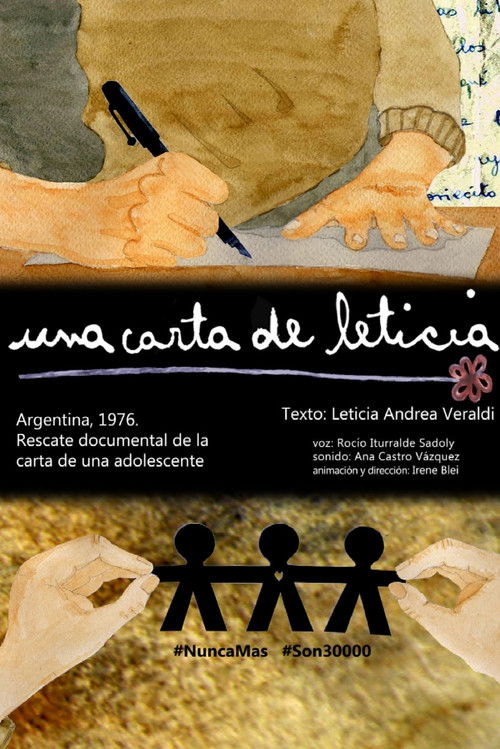
Leticia was 17 years old when she was kidnapped from school. She had arrived in Cipolletti a year earlier from the Vicente López National School in Buenos Aires. This letter was found while searching for photos and testimonies from those days.
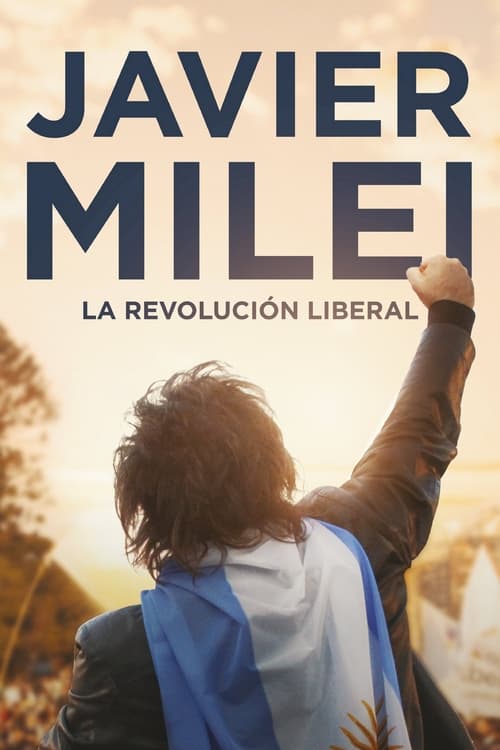
A portrait of Argentine libertarian politician Javier Milei.
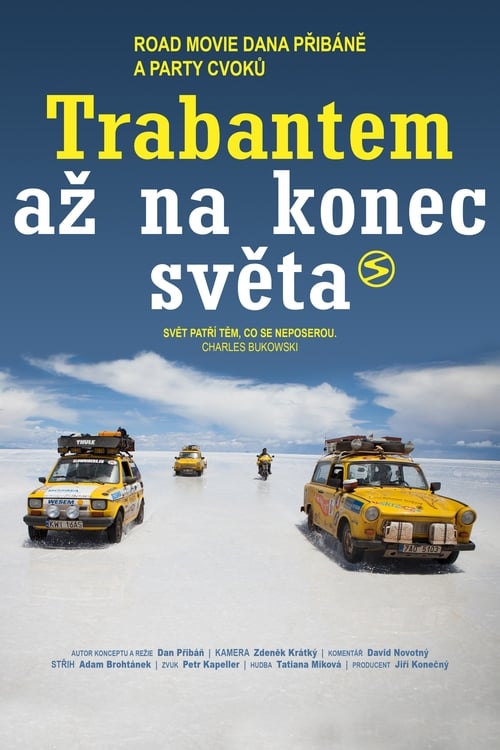
The third installment in Dan Přibáň's series of travel documentaries describes the author's journey with his friends across South America in vehicles that are often notorious but cult in their own way. The charming dynamics of the group on screen are further enhanced by the high-quality craftsmanship.
Documentary film about the then longest range bombing mission in history, which changed the outcome of the Falklands War.
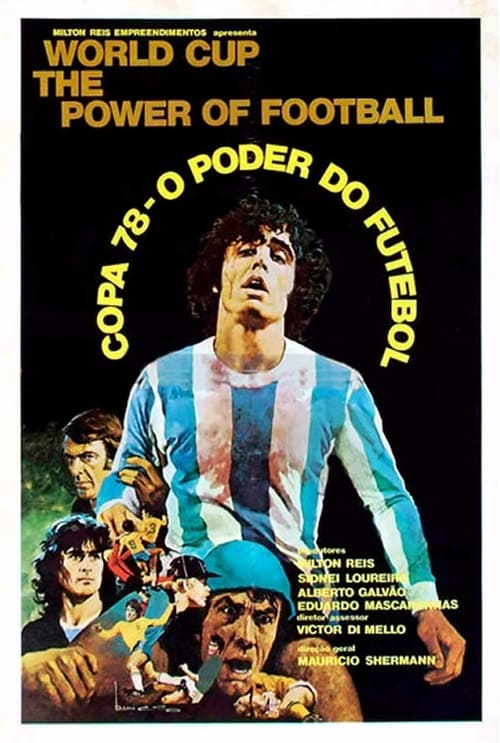
Documentary about the Football World Cup held in Argentina in 1978, focusing on the competition and behind the scenes of the most important soccer competition in the world. Two versions of the 1978 official film exist, the first "Copa 78 - O Poder do Futebol" was made by Brazilian directors Maurício Sherman and Victor di Mello in 1979 but was later withdrawn by FIFA because of its controversial content. The film includes an interview with Rodolfo Galimberti, one of the leaders of the Montoneros guerrilla group and also made accusations that the Argentinian competition organisation committee had deliberately hindered Brazilian chances of success by tampering with the pitch at Mar del Plata.
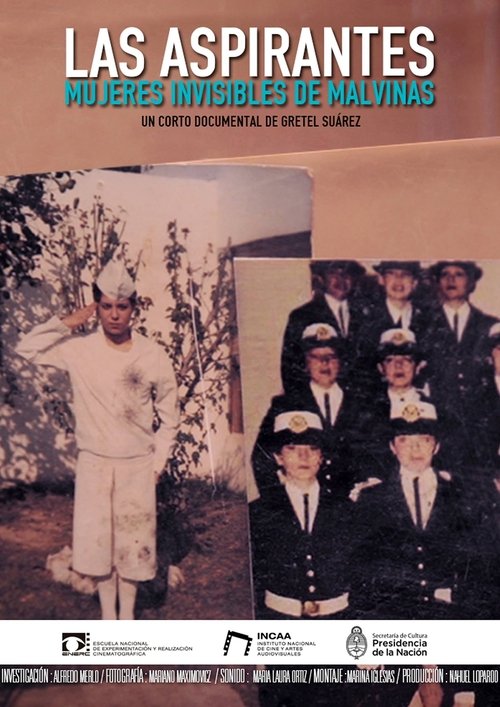
A story that explores the role of women in the Malvinas War. The protagonist, leader of a group of veteran nurses, commits suicide while this documentary is being filmed. Her companions took on her legacy and continue the fight for recognition in the face of the silence of history and the Argentine Navy.
A provincial man comes to the big city and finds true love.
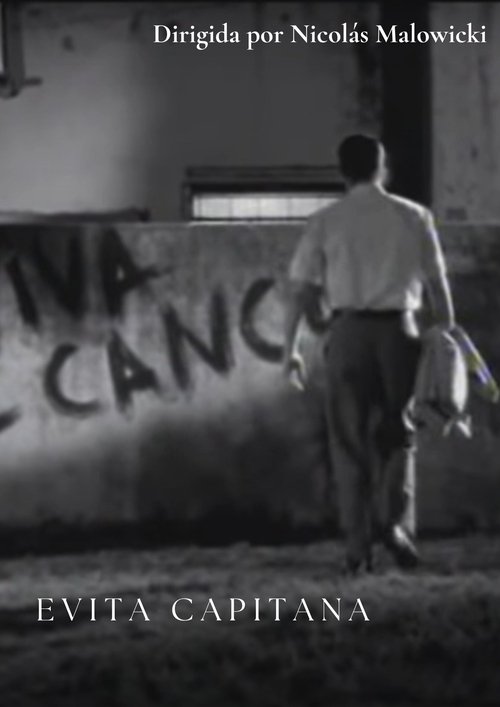
A mix of fiction and documentary, "Evita Capitana" takes place in the final of the 1951 Argentina's soccer championship, where Banfield faced the then imposing Racing Club. An important political figure sides with Banfield, representing the humble and needed, but power thinks otherwise.
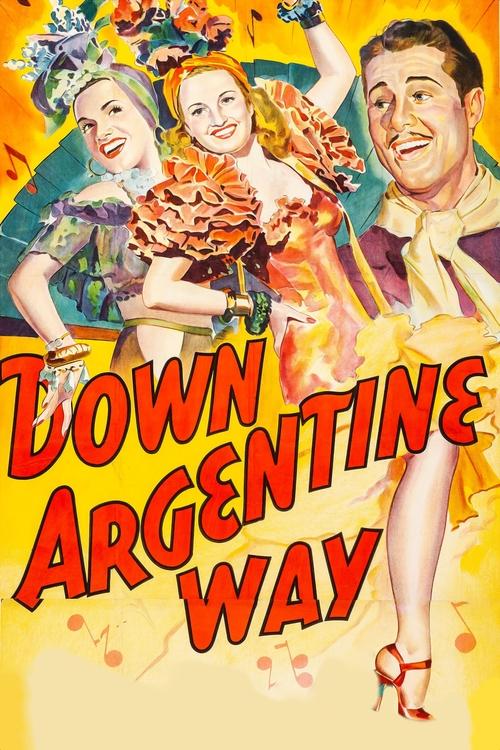
The story—in which an American heiress on holiday in South America falls in love with an Argentine horse breeder against the wishes of their families—takes a backseat to the spectacular location shooting and parade of extravagant musical numbers, which include the larger-than-life Carmen Miranda singing the hit “South American Way” and a showstopping dance routine by the always amazing Nicholas Brothers.