tells the experience of a group of medical students who travel to the north of Argentina to assist different indigenous communities that suffer the dispossession of their lands and structural poverty.
On the night of July 19, 1977, Inés was traveling by bus when a military patrol detained all the passengers. That morning, almost everyone was released except Inés. Her father began a never-ending search that led him to the very center of Argentina's repressive apparatus. The judicial path and the love of a family that never stops.
No overview available.
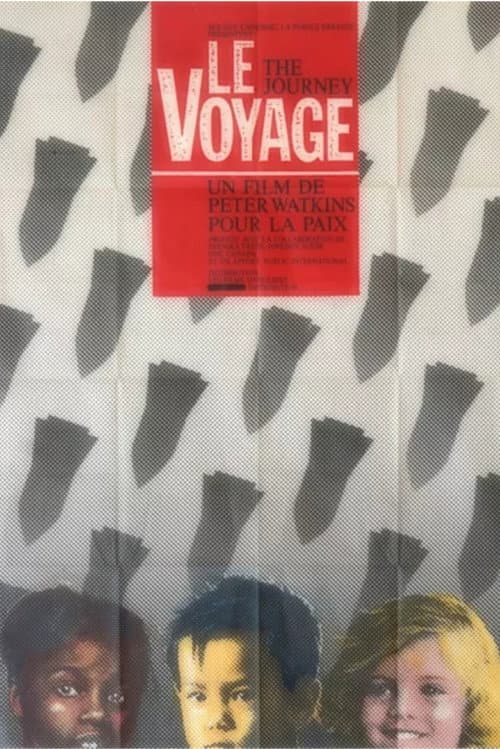
Peter Watkins' global look at the impact of military use of nuclear technology and people's perception of it, as well as a meditation on the inherent bias of the media, and documentaries themselves.
Documentary following Serbian football coach Zoran Đorđević as he helps form South Sudan's first national football team.
Documentary film about the then longest range bombing mission in history, which changed the outcome of the Falklands War.
The story of Severino, a man who tries to escape the misery and the drought prevailing in the rural backcountry of the Northeast of Brazil. He heads for Recife, passing through desert and forest regions, expecting to find a better life.
In the ‘poor crescent’ around Brussels one child in three lives on the poverty line. But they can find refuge with BX Brussels of Vincent Kompany – a sports and social project. Stranger follows recent immigrant Senegalese football coach Moussa as he struggles to give them hope in their sport … and in their life.
Following four Lakota families over three years, Homeland explores what it takes for the Lakota community to build a better future in the face of tribal and government corruption, scarce housing, unemployment, and alcoholism. Intimate interviews with a spiritual leader, a grandmother, an artist, and a community activist from South Dakota’s Pine Ridge Indian Reservation reveal how each survives through family ties, cultural tradition, humor, and a palpable yearning for self-reliance and personal freedom.
As police and DEA agents battle sophisticated cartels, rural, economically-disadvantaged users and dealers–whose addiction to ICE and lack of job opportunities have landed them in an endless cycle of poverty and incarceration–are caught in the middle.
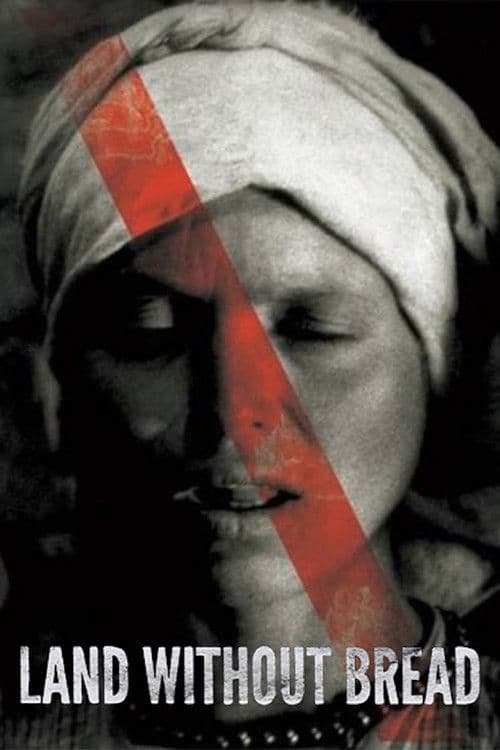
An exploration —manipulated and staged— of life in Las Hurdes, in the province of Cáceres, in Extremadura, Spain, as it was in 1932. Insalubrity, misery and lack of opportunities provoke the emigration of young people and the solitude of those who remain in the desolation of one of the poorest and least developed Spanish regions at that time.
Megacities is a documentary about the slums of five different metropolitan cities.
The Fall of the I-Hotel brings to life the battle for housing in San Francisco. The brutal eviction of the International Hotel's tenants culminated a decade of spirited resistance to the razing of Manilatown. The Fall of the I-Hotel works on several levels. It not only documents the struggle to save the I-Hotel, but also gives an overview of Filipino American history.
A young man decides to join the army. He becomes the drummer in the military band, and his everyday life is now a combination of military training and music. What does the Argentine Army do these days, more than thirty years after the dictatorship? What does it mean to be a soldier in a country without wars?
After the waning of the protests in Sanrizuka, Ogawa Pro started questioning the future of the collective and looking for other subjects to film. Following the method developed in the previous films, the filmmakers moved to the slum of Kotobuchi in the port city of Yokohama, where more than 6000 people were struggling to get by without any means of survival, exposed to industrial accidents and diseases. The result is one of the most moving films produced by the collective, a series of beautifully filmed portraits, voicing the silenced stories and songs of a group of people living in this community. Credit: ICA London
Documentary about the life and work of Jorge Luis Borges, from his own memories and reflections.
A stranger arrives in a remote Himalayan valley seeking to provide access to education to the community.
When the 2004 tsunami hit the coast of Sri Lanka, 65-year-old Anton Ambrose's wife and daughter were killed. "In five minutes," he says, "I lost everything." A year later, Anton returns to Sri Lanka. With him is his nephew, award-winning filmmaker Rohan Fernando. A Tamil, Anton moved to California in the 1970s and became a very successful gynecologist. His daughter, Orlantha, made the opposite journey, returning to Sri Lanka where she ran a non-profit group that gave underprivileged children free violin lessons. Blood and Water is the story of one man's search for meaning in the face of overwhelming loss, but it is also filled with improbable characters, unintentional comedy and situational ironies.
Gangstresses, a documentary by Harry Davis, tells the story of violence, poverty, and survival in the streets from a female perspective. Over a two-year period, Davis interviews female hustlers, drug dealers, rappers, porn stars, prostitutes, mothers, and daughters. Among them are Champagne, a well-known African American porn star who has a small child; Mama Mayhem, a street hustler; Uneek, a rapper from the Bronx; and Vanessa Del Rio, a famous porn actress. Musicians Lil' Kim, Mary J. Blige, Ice T, and Tupac Shakur also share personal stories of survival. The documentary conducts follow-up research on the women's complicated lives, offering glimpses of both tragic reality and hopeful recovery.
The third installment in Dan Přibáň's series of travel documentaries describes the author's journey with his friends across South America in vehicles that are often notorious but cult in their own way. The charming dynamics of the group on screen are further enhanced by the high-quality craftsmanship.
No Trailers found.
No Cast found.