Experimental video art compiled from video taken on an LG Env3 flip phone circa 2009-2010
No Trailers found.
This audio-visual tone poem uses the language of filmmaking to offer a first-hand evocation of the turbulent psychological effects one can experience due to prolonged lack of sunlight.
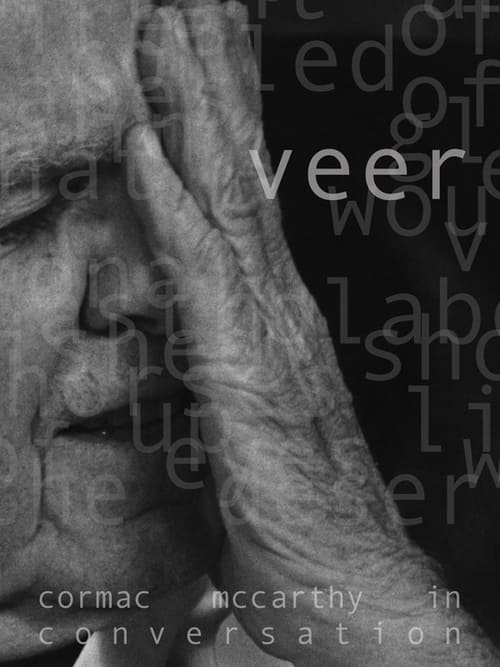
Cormac McCarthy has spent the last 25 years writing his novels at the mountain top retreat of the Santa Fe Institute (SFI) in New Mexico. An institute dedicated to the formal analysis of complex systems. In this documentary filmed at the library at SFI (and in the desert), Cormac in conversation with his colleague David Krakauer, reflects on isolation, mathematics, character, and the nature of the unconscious
The artist stalks and serenades Joe Dimaggio in her car as he strolls the docks unaware that she is videotaping his every step.
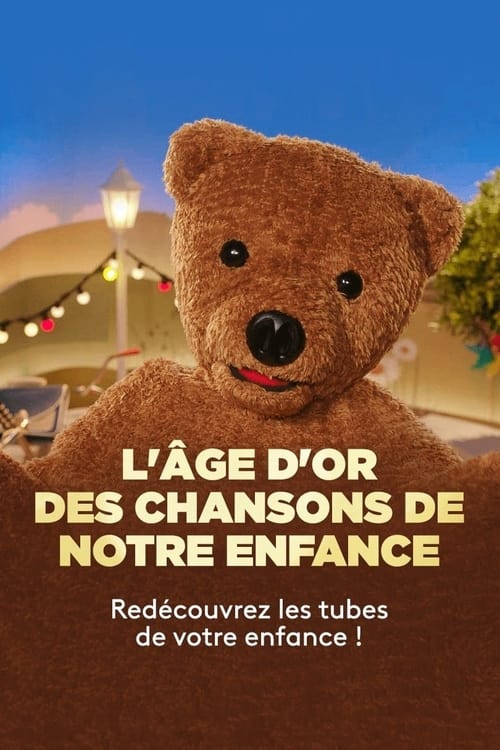
This 135-minute documentary offers to reopen this magical parenthesis which has seen the birth of a whirlwind of artists with very different styles. From Chantal Goya to Annie Cordy, from Pierre Perret to Carlos. They knew how to bring each in their own way generations of children into their poetic universe.
A memorial mourns as time passes
No overview available.
An experimental documentary looking at the transgender experience around the world over two hemispheres, three continents and with four interviewees. The film employs limited B roll shots or edits during the interviews, instead opting to have the interviews mostly uncut, with the goal of creating both a level of sincerity and a conversational narrative between any one of the interviewees and the audience.
An experimental short film about wind and sunlight sweeping across tree leaves.
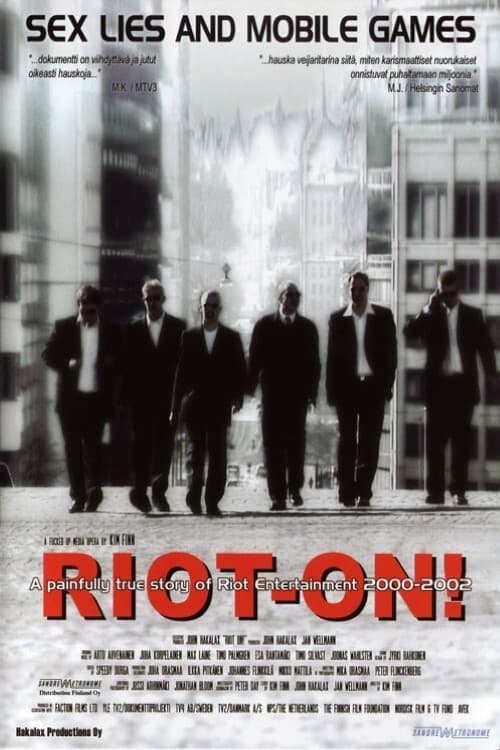
The year is 2000 and investors are going crazy about a new mobile phone company called Riot Entertainment. Many high profile companies, like Nokia, invest millions on this unknown firm. Two years later, when all the money has been spent and the company is bankrupt, the fun is over. What happened?
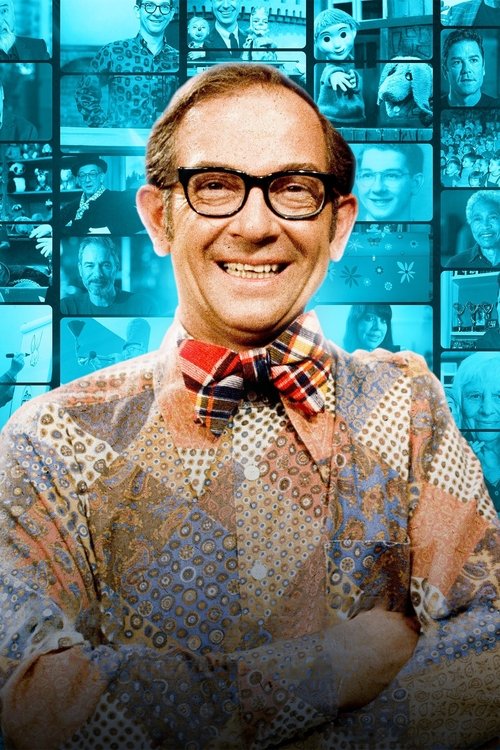
Kindness, creativity, inclusivity, and a touch of magic makes the world a brighter place. Explore the story and impact of Canadian entertainer Ernie Coombs and his iconic series, Mr. Dressup, which enriched the lives of five generations.
As he reflects on routine and the frenetic pace of modern life, Laureano recalls a cartoon character from the 1990s: the Pigeon Man, a solitary, sensitive figure who lived apart from the world, caring for pigeons on a rooftop. That memory becomes the starting point for this documentary, which slowly turns into a journey of self-discovery.
Unconventional portrayal of mining in the Swedish Lapland ore fields, a powerful image and sound symphony that can be experienced both as a documentary and symbolic work.
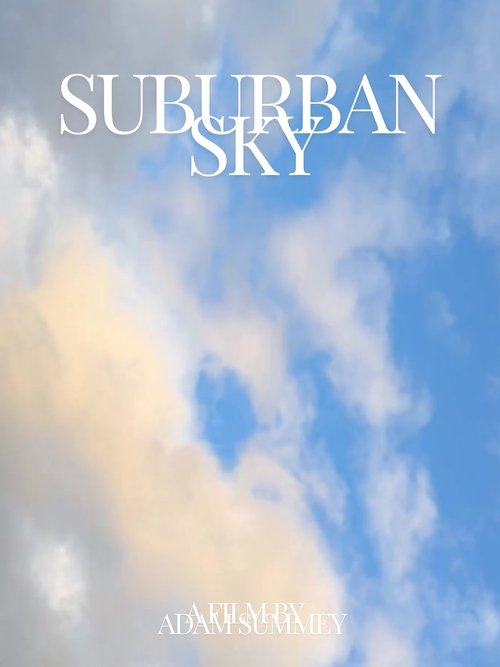
A series of suburban skies and the feeling of there being something else, intangibly out of reach.
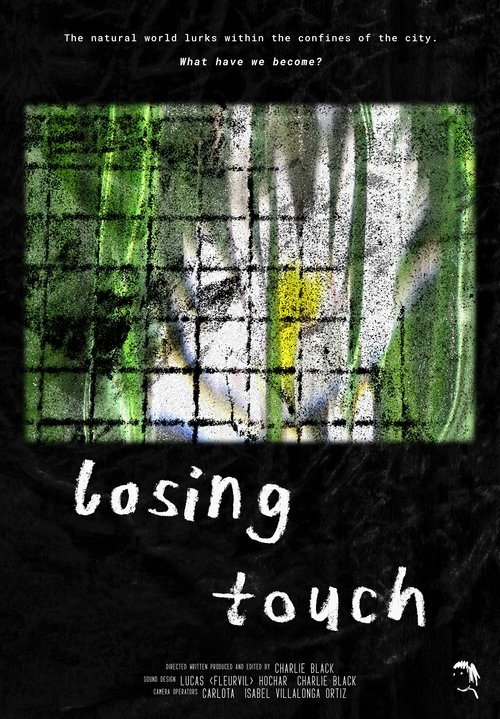
Searching for life in daily rituals, Losing Touch undertakes a shift in perception and presents the city as an ugly yet ecologically rich landscape. The film depicts the internal dialogue on coping with the grief and fear of ecological degradation, using the local streets of Berlin as a means to materialise and confront these emotions. As both the body and mind begin to wander, encounters with the landscape over a 24 hour period are transformed into an overstimulating and emotionally charged journey. Camcorder footage, film developed in beer and cyanotype create sensational and playful depictions of the surroundings, joining the rats scurrying on the ground and fleeing the night lights with the moths. Creatures of metal and flesh interact within and between the frames, coming together as an ugly yet vibrant community. Subverting the nature-culture dichotomy, a new image of nature is formed, not only as a romantic, distant place, but rather a dirty, omnipresent force.
Set against a vibrant tapestry of music and movement, Tem Fé poetically explores female energy, resilience, and ancestral roots. Through striking visuals and soundscapes, the film celebrates the strength of women and their spiritual bond across generations.
Shot by a reported “1,001 Syrians” according to the filmmakers, SILVERED WATER, SYRIA SELF-PORTRAIT impressionistically documents the destruction and atrocities of the civil war through a combination of eye-witness accounts shot on mobile phones and posted to the internet, and footage shot by Bedirxan during the siege of Homs. Bedirxan, an elementary school teacher in Homs, had contacted Mohammed online to ask him what he would film, if he was there. Mohammed, working in forced exile in Paris, is tormented by feelings of cowardice as he witnesses the horrors from afar, and the self-reflexive film also chronicles how he is haunted in his dreams by a Syrian boy once shot to death for snatching his camera on the street.
A Experimental Docu-Drama about the Red Army Faction's formation, and events leading up to their imprisonment and death, from 1970 to 1977.
A stop motion/collaged based independent short film plays with the recontextualisation of memories and how time distorts them.
A frenetic found-footage documentary made entirely from “lost” unlabeled media on YouTube - weaving together nearly a thousand raw videos, each mistakenly or mindlessly uploaded under a generic filename (e.g., IMG 1326, IMG 5493…).
Self