Herself
Himself
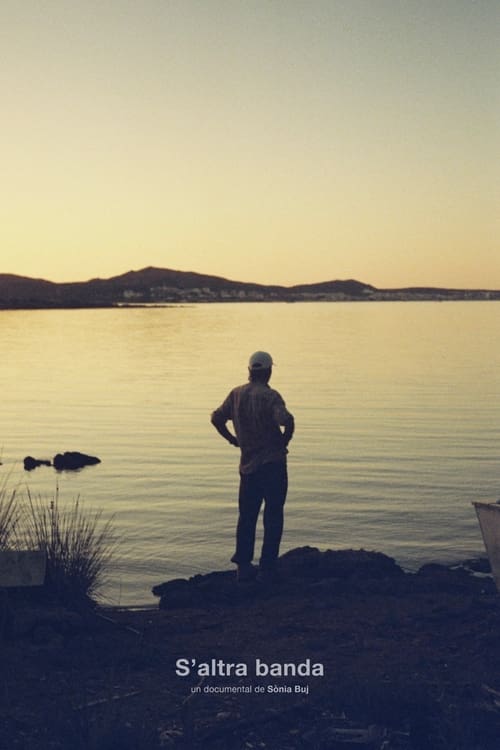
What's on the other side of Fornells bay? Pepe el Malo is an urban legend or he really existed? This documentary doesn't try to shed light on the dark; it rather plays deftly with the ambiguities of a character that is part of the Menorcan imaginary.
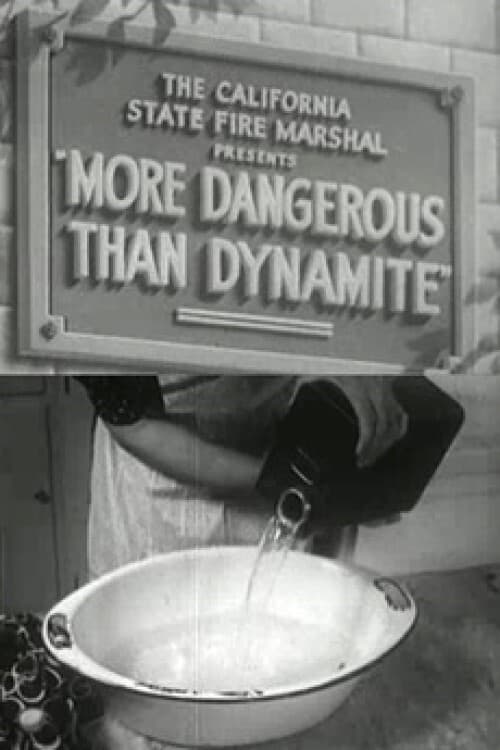
A short film warning the unaware housewife of the dangers of “dry cleaning” with gasoline at home.
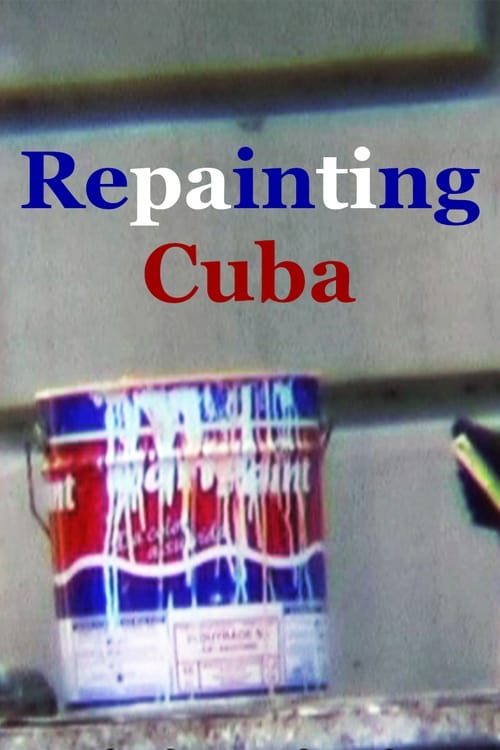
Repainting Cuba takes a critical look at communist Cuba, where both the facades and the aging regime were given a coating of colorful paint in connection with the 50 year anniversary of the revolution. Two young Cubans under house arrest talk about being imprisoned for dealing with foreign tourists in a society where gossip and backstabbing is endemic, and where the heavy varnish can’t conceal the cracks.
A B'nai B'rith delegation visits the town of Oberammergau to meet with its mayor and the monk who is responsible for the passion play which is presented every ten years. The group discusses their efforts to eliminate the antisemitic tone of the play.
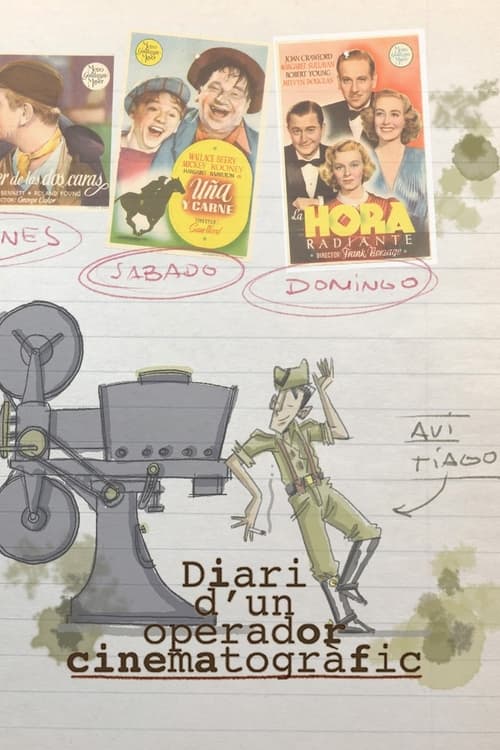
This is the story of my grandfather, Tiago Florit, who for 50 years was a film operator at the Teatre Principal de Maó, in Menorca. It is a review of his life, from his birth to his death, in a cinematographic key. A true love story to cinema.
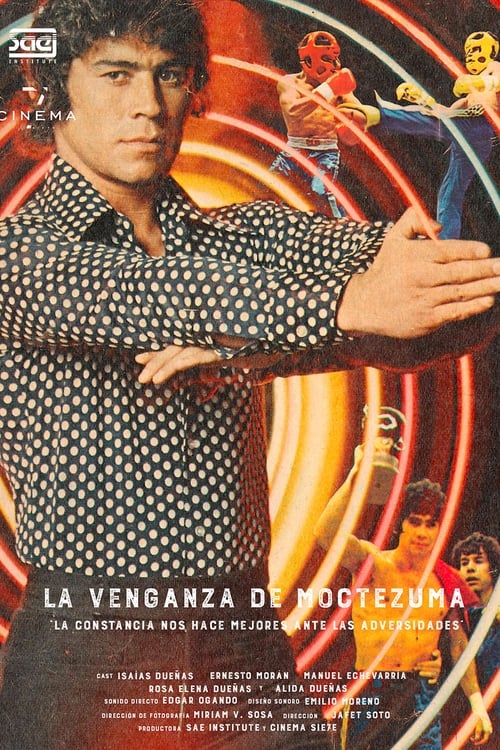
One day, Isaías Dueñas had the dream of becoming part of the Martial Arts Universe, but to achieve this, he had to face to different situations and competitions that would make him challenge himself as a competitor but much more as a person. One of this competitions was Full Contact. Isaías tells us the story of his life.
At various points in its history, tiny St. John's Island was where Singapore's colonial founder Sir Stamford Raffles docked his ship upon arrival, a quarantine centre for immigrants and pilgrims returning from Mecca, a penal colony for political detainees and secret society leaders, and a sleepy holiday resort. Unlike its neighbouring islands, however, St. John's was never fully developed. It occupies an in-between space, the vestiges of its history scattered around the land. Its indeterminacy stands in sharp contrast to Singapore, where land use is meticulously planned to fulfil economic and social functions. In this film, St. John's Island - otherwise known as 'Bukit Orang Salah', a nickname coined by the people who were quarantined there - becomes a site of and for reflection, prompting questions about our history, heritage and identity.
Mickey and his friends take a close look at important street safety situations and tips.
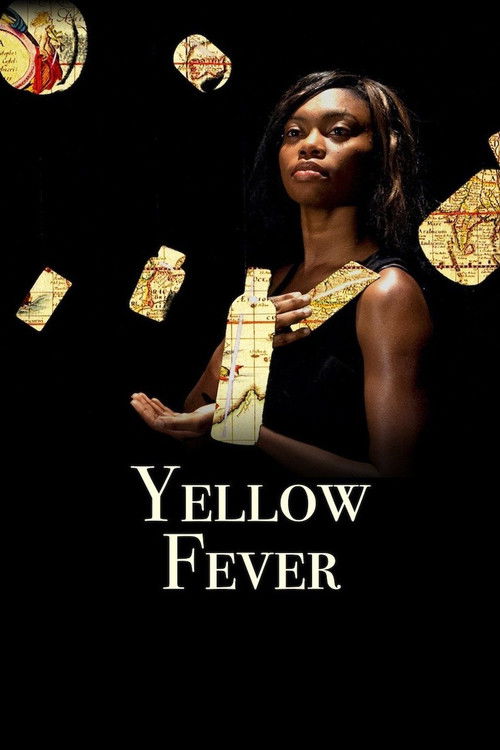
What does beauty look like? In this award-winning short, Kenyan filmmaker Ng’endo Mukii combines animation, performance, and experimental techniques to create a visually arresting and psychologically penetrating exploration of the insidious impact of Western beauty standards and media-created ideals on African women’s perceptions of themselves. From hair-straightening to skin-lightening, YELLOW FEVER unpacks the cultural and historical forces that have long made Black women uncomfortable, literally, in their own skin.
A method soldier boys have for amusing themselves in their leisure moments. New comrades are frequently initiated by the old-fashioned sport of tossing in a blanket. The newly arrived recruit, who is the victim of their sport, enjoys himself, perhaps, less than the other participants.
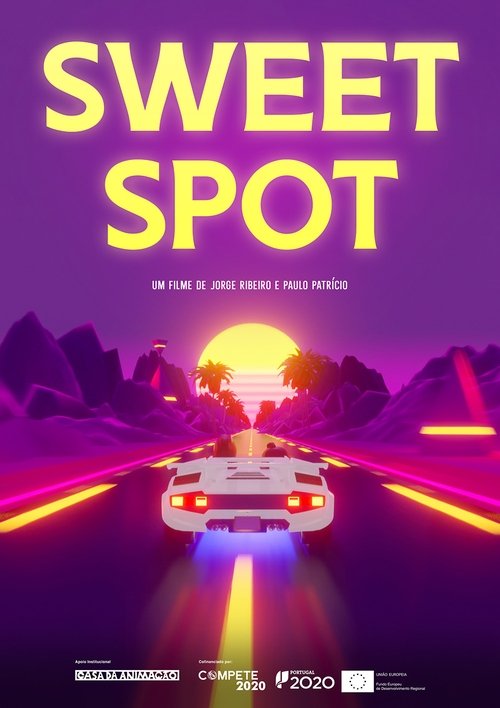
“Sweet Spot” is an experimental animated short film that uninhibitedly explores the dialog between the work and its authors, Jorge Ribeiro and Paulo Patrício, whose points of view and creative approaches, both in terms of cinematographic language and ways of being, are quite different. Through this duality, and starting from a shared but at the same time individual process, the directors seek to understand at what point the short film they are making together reaches its “sweet spot”. In other words, the ideal point at which the work is considered finished.
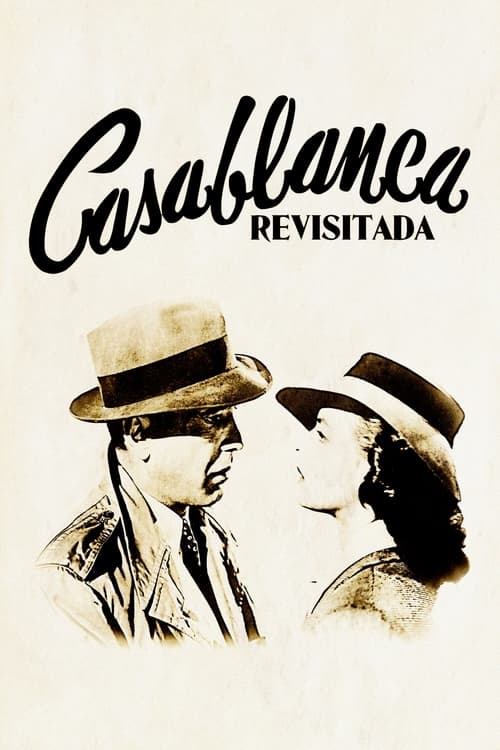
A lyrical and nostalgic analysis of how Casablanca, the mythical film directed by Michael Curtiz in 1942, has influenced both film history and pop culture.
No overview available.
An exodus of migrants settled in Tijuana and they hope to cross each day regardless of the consequences, the children tell us what they see, want and what they are willing to pay.
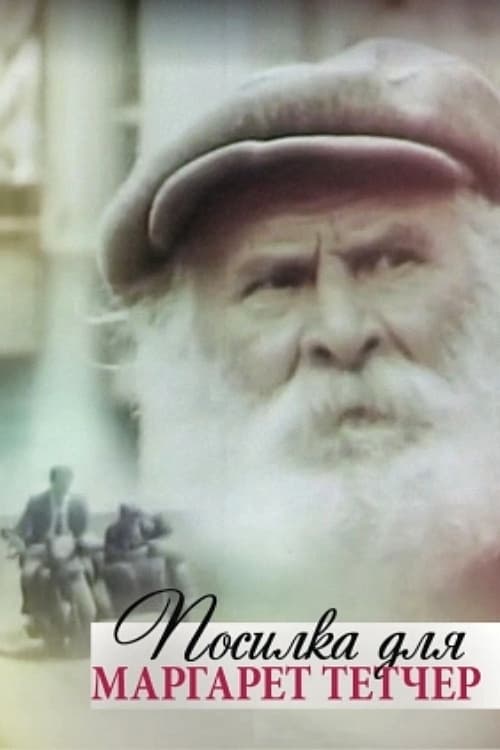
The film was created in the genre of an anecdote, where it is about a grandfather from a Ukrainian village who painted wooden eggs and decided to send them to the "iron lady". At the post office workers told him: "You can't!". But the grandfather showed character, did not give up on the plan, and, overcoming many obstacles, still sent the parcel.
She now lives many miles away from her mother, who is waiting to hear from her. It is a bittersweet, restless, nostalgic moment, and she remembers those vanished years.
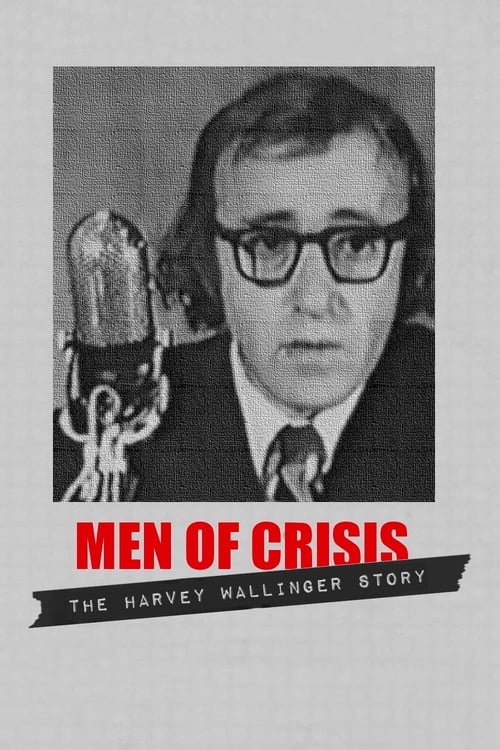
Dr. Harvey Wallinger is one of Nixon's aides who rises through the ranks to become the "real" power behind the president. This short was produced as a television special for PBS in 1971 and was scheduled to air in February 1972, but it was pulled from the schedule shortly before its airdate as PBS officials reportedly feared it might adversely affect their government funding. The special never aired, but it can now be viewed in The Paley Center for Media and has been widely bootlegged online.
A short featurette available on the DVD for Once Upon a Time in Mexico (2003), released in January 2004.
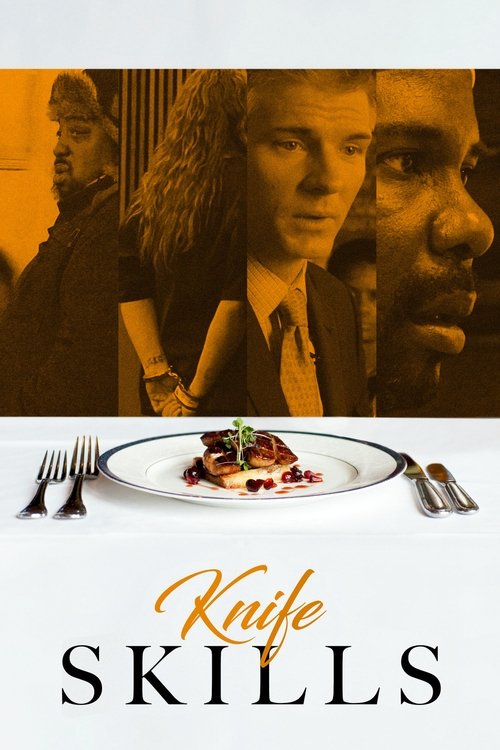
Edwin’s Restaurant is determined to become one of America’s top French restaurants, with a staff unlike any other in the country. Brandon Edwin Chrostowski prepares to open his Cleveland, Ohio fine dining establishment with a staff composed nearly entirely of recently released prisoners in search of an opportunity to get their lives back on track. They sign up for a classical French food boot camp to learn the ins and outs of fine wine, sauces, and more.
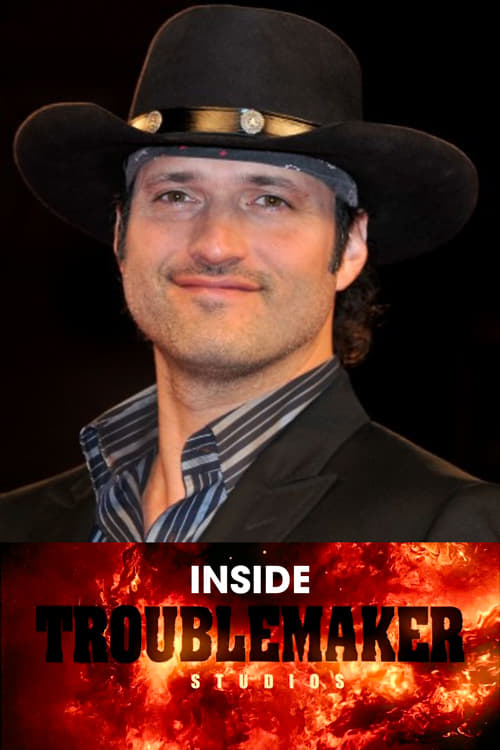
Robert Rodriguez shares how he makes home movies with this kids.
No Trailers found.