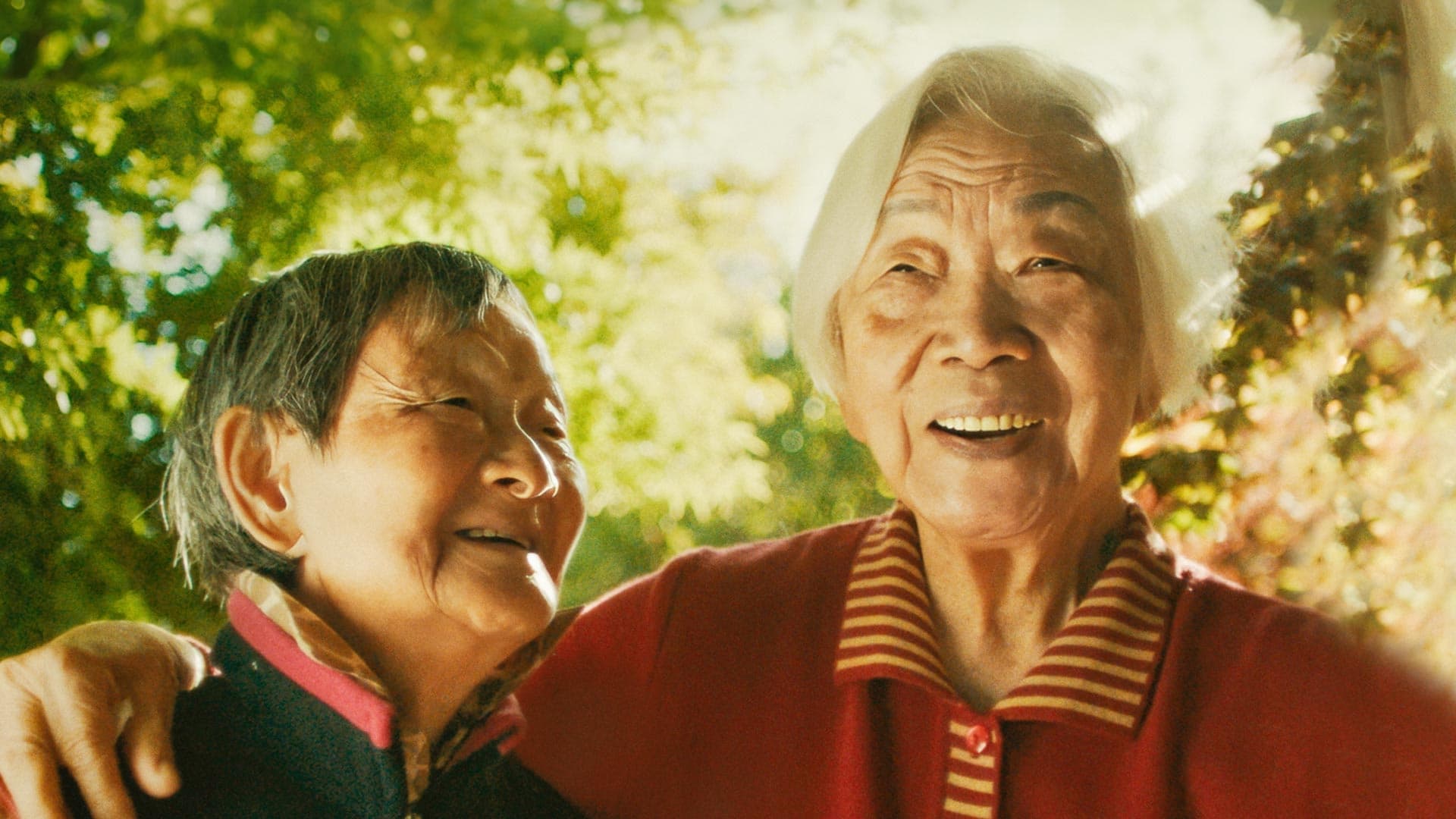
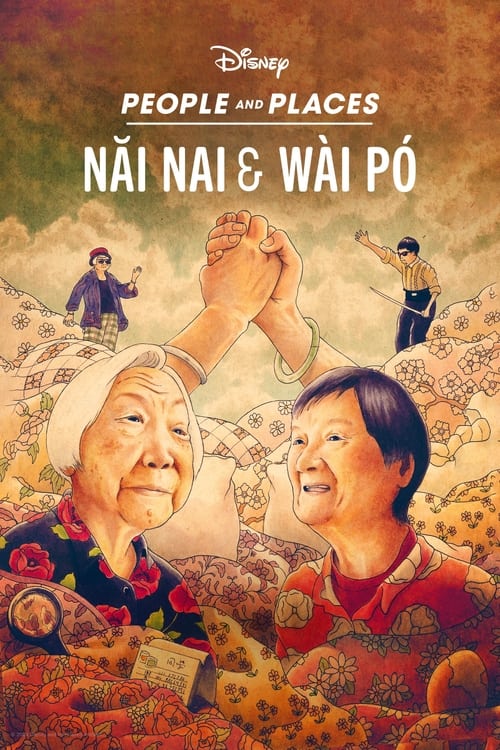
A multigenerational story celebrating director Sean Wang's two grandmothers, one on his father's side and the other on his mother's side.
Trailer
Self
Faced with an assignment to film something personal, Cem begins a quiet search for what that really means. A casual conversation with a close friend leads him to turn the camera toward the people who already shape his life. Through moments with his grandmother, spontaneous talks about family, and reflections on his dream of becoming a filmmaker, MozikMoro slowly transforms into a portrait of connection and self discovery. Between the ordinary and the intimate, Cem captures a world that is both deeply personal and universally human.
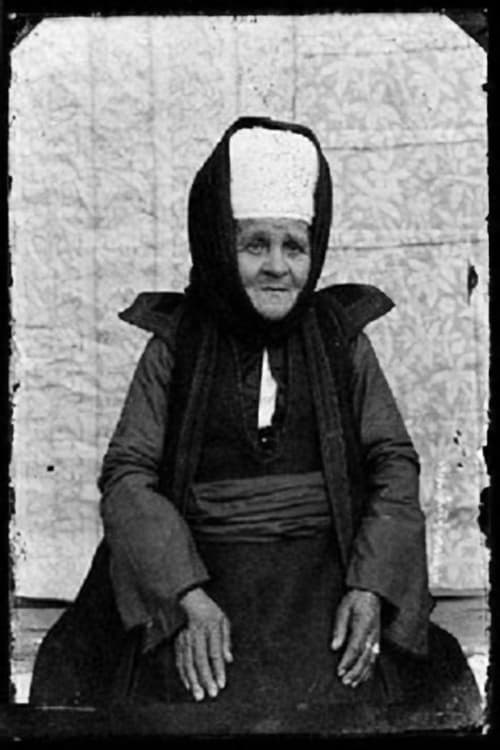
This scene is a part of the very first film shot produced by the Manaki Brothers. Despina, the Janaki and Milton Manaki's grandmother, was recorded weaving in one high-angle shot. For no apparent reason, the first shot made in Macedonia, in the Balkans in fact, made by these two cinematography pioneers, contains peculiar symbolics: at the moment when the grandmother Despina spins the weaving wheel, film starts rolling in our country.
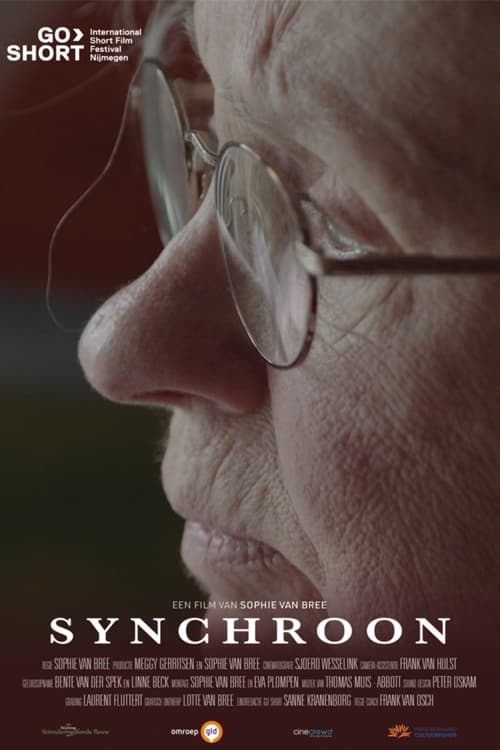
SYNCHRONOUS is an intimate portrait of love and the reverse side of love: mourning. The granddaughter/maker looks idealistically at the endless love between her grandfather and grandmother. When her grandfather dies, she decides to look for answers by filming her grandmother. What happens when you've been together all your life and your great love dies? Where is the love then?
No overview available.
Mona Achache delivers a delicious portrait of her grandmother, Suzanne Achache–Wiznitzer, affectionately nicknamed "Mamé". Short film from the Grandmas Project, a collaborative web documentary that invites filmmakers from across the world to document their grandmothers’ signature recipes.
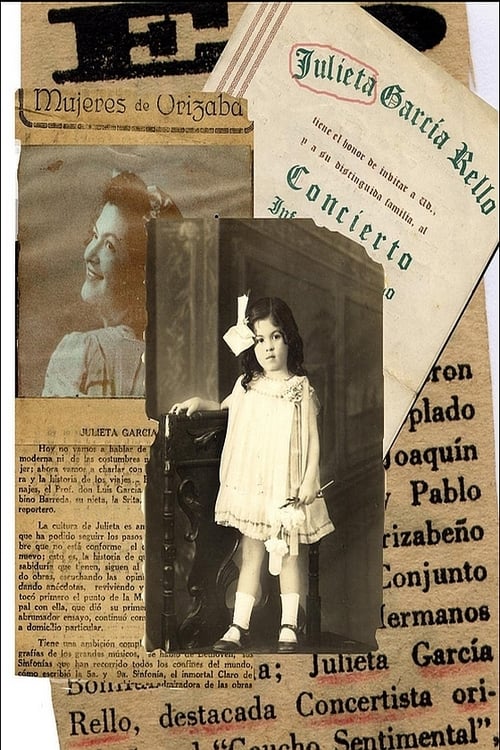
The life and times of the mexican pianist Julieta García Rello, as told by her granddaughter.
A short documentary on a grandson returning home to visit his aging grandmother who was crying to see him on the phone.
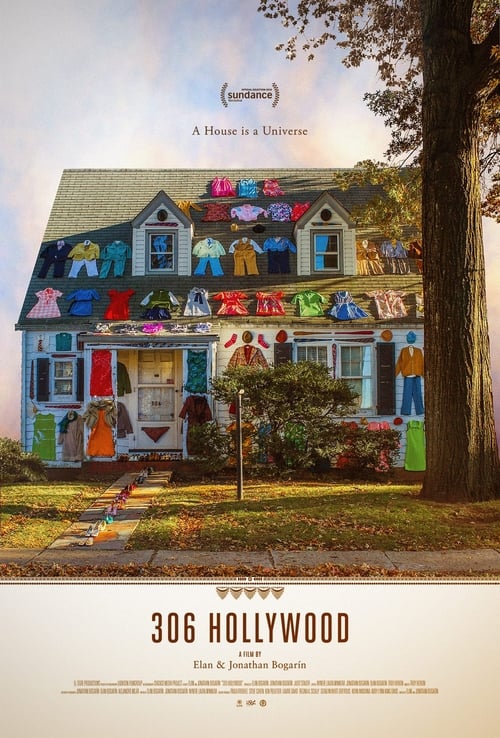
When two siblings undertake an archaeological excavation of their late grandmother’s house, they embark on a magical-realist journey from her home in New Jersey to ancient Rome, from fashion to physics, in search of what life remains in the objects we leave behind.
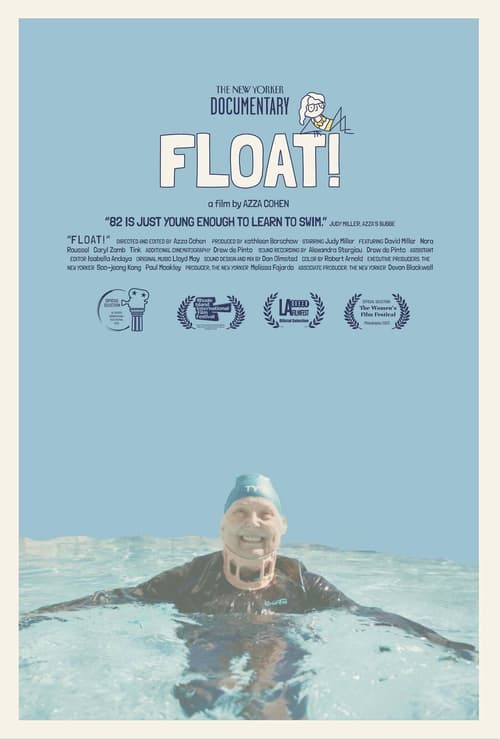
With depth, intimacy, and humor, FLOAT! captures filmmaker Azza Cohen's magnetic grandma’s life-affirming journey learning to swim at 82, inspiring audiences to defy societal expectations of aging and to boldly look forward at every stage.
Before her memory disorder develops, a Vietnamese grandmother maps out her life in a memoir.
A filmmaker follows her grandparents’ daily life after her chain-smoker and alcoholic grandmother is forced to stop drinking beer for a month.
My grandmother has dementia! And I live with my grandmother. Conflicts between the younger brother and the grandmother begin due to the grandmother's repeated behavior. Among the disappearing memories, what kind of memories should we live with?
Dos Islas is a poetic story about old age, family and the bond between a granddaughter and a grandmother. The woman, who just turned 102, tells stories about her past and childhood. In a literary and visual way she describes the most minute details. The film dazzles the viewer with love and optimism, the time passes slowly between the two islands, which might be real people, real places or the products of the main character’s imagination.
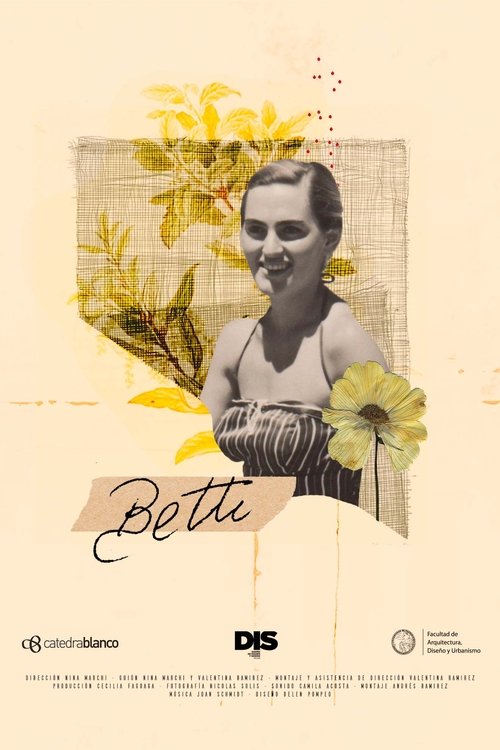
A year after Betti's passing, her children and grandchildren are still clearing out a house full of objects. Through them, they begin to remember and tell her story. This way, the family leaves behind the sad memory of a terminal illness and replaces it with the joyful person that Betti was and meant to them.
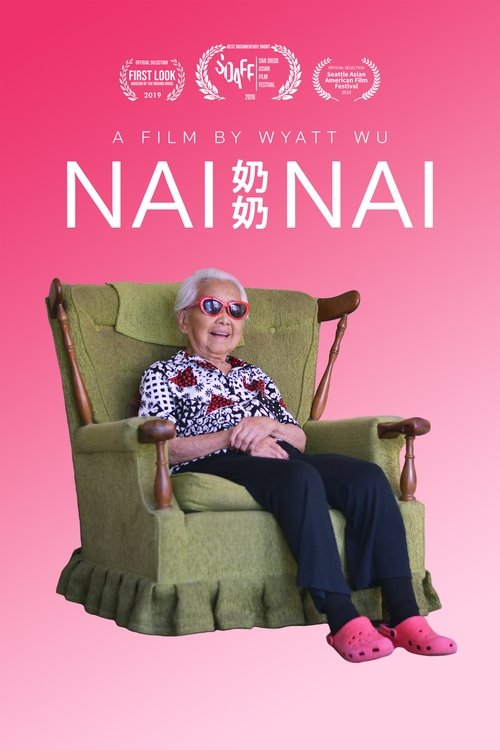
Nai Nai follows the story of a Chinese immigrant grandmother, Chu-Ming Wu. Known as “Nai Nai,” Chu-Ming has always been a woman of control. But her grasp of reality and the control of her own mind is slipping away. Told through the lens of her grandson, the film focuses on the joyful, heartbreaking and intimate moments in the last chapters of her life.
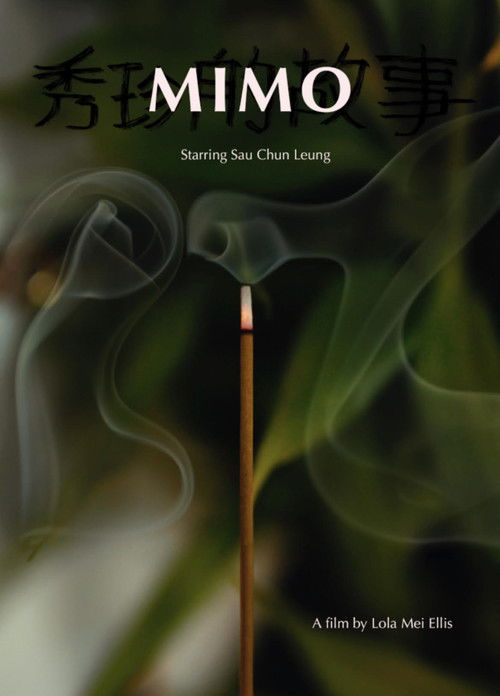
Growing up, I heard many tales of my grandmother's life, before she was known as Mimo, and each narrative she told stuck with me and still impact my thinking to this day. I wanted to celebrate Mimo's wisdom and character, as well as capture the extraordinary within the ordinary. Hopefully I can inspire others to reflect on their own relationships with their elders and the untold stories that shaped their lives.
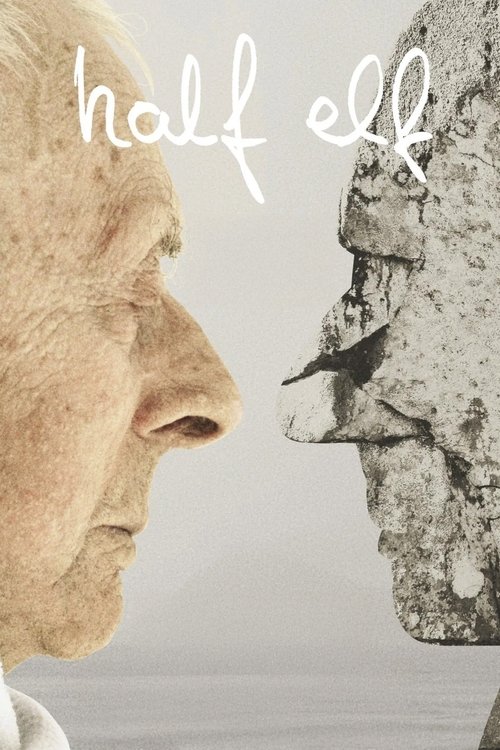
A lighthouse keeper prepares his earthly funeral while trying to reconnect with his inner elf. Hulda and Trausti have shared a roof on the Icelandic coast for over seventy years. Her love of books is matched by his love of stones. When he tells her he wants to change his name to Elf she warns him that the family will reject him. Now, as his one hundredth birthday nears and Trausti senses the hand of death upon him, he is searching for an elf’s coffin…
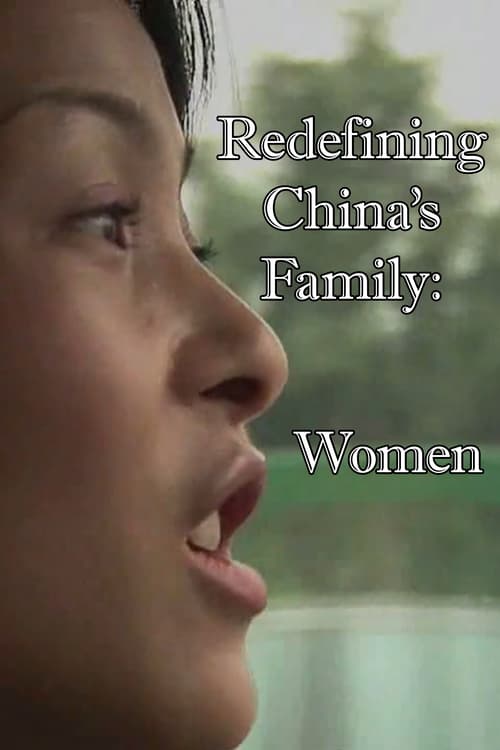
10 May 2007 - China's staggering economic growth has overshadowed a more subtle shift in Chinese society. In domestic life, many women are now ignore the advice of their mothers and grandmothers, turning instead to counselling hotlines and, increasingly, divorce.
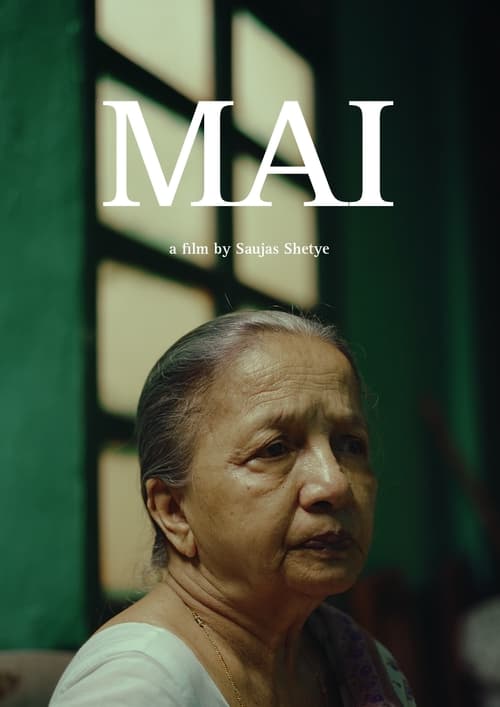
As the months pass through her, Mai gives us a glimpse into old age that explores between being abandoned and being belonged, passing the time and living the time.
Twenty-five years after she moved away, Canadian filmmaker Kristina Wagenbauer (a participant in the 2019 Talent Lab) returns to her native Russia to visit her grandmother – her Babushka – with whom she spent part of her childhood, in this film brimming with tenderness and humour. The two women reflected in the mirror bear an undeniable resemblance, and each seeks to recognize herself in the other. Plumbing her memories, Wagenbauer hopes to re-establish a lost bond of intimacy and to confront the wounds of the past. Babushka has survived the Second World War, the break-up of the Soviet Union, the void that her daughter and granddaughter left behind when they moved abroad, and, more recently, the death of the love of her life. Despite all of this, she holds to life with a strong spirit of resilience.