With depth, intimacy, and humor, FLOAT! captures filmmaker Azza Cohen's magnetic grandma’s life-affirming journey learning to swim at 82, inspiring audiences to defy societal expectations of aging and to boldly look forward at every stage.
Trailer
Bubbe
Filmmaker Alain Resnais documents the atrocities behind the walls of Hitler's concentration camps.
Director James Nguyen will release his short documentary film, CLIMATE FIX which suggests how carbon removal technology can be used to fix climate change-global warming.
Timid bank clerk Stanley Ipkiss discovers a magical mask infused with the spirit of the Norse god Loki. Donning it transforms him into an unrestrained, green-faced, cartoon-like wild man. While the mask grants him the confidence to woo a local singer, it also makes him the target of a ruthless mobster.
When a Jamaican sprinter is disqualified from the Olympic Games, he enlists the help of a dishonored coach to start the first Jamaican bobsled team.
When single parents (and total strangers) Nick and Angie are called into the principal’s office to deal with their kids’ bad behaviour, sparks fly - and not in a good way. But when the pair are forced to attend a ‘progressive’ (read: ‘bullshit’) parenting workshop, an unlikely bond is formed.
An anthology of eleven vignettes featuring star-studded casts of extremely unique individuals who all share the common activities of conversing while drinking coffee and smoking cigarettes.
On the morning of her birthday, eight-year-old Katja learns what she has been afraid of for a long time: her parents want to separate. Instead of going to school, she takes the train into town to visit her older sister. Her sister tries to explain to Katja why everything happened and how things might continue.
Fanny meets her high school friends at home for the annual Switch & Bitch. A ton of clothes, girls, alcohol and old grudges are at stake during this reunion.
Ray discovers his La-Z-Boy recliner is a one-minute time machine. Will he learn from his mistakes or is he destined to repeat them forever?
The event of the century is about to take place, a spectacular total solar eclipse. A girl is going to witness it with her grandmother and, despite her happiness, she will have to face her fear of the dark to enjoy the moment when it gets dark in the middle of the day. But when that happens, both of them will understand that sometimes the mind is also overshadowed by a reality that can erase all its memories.
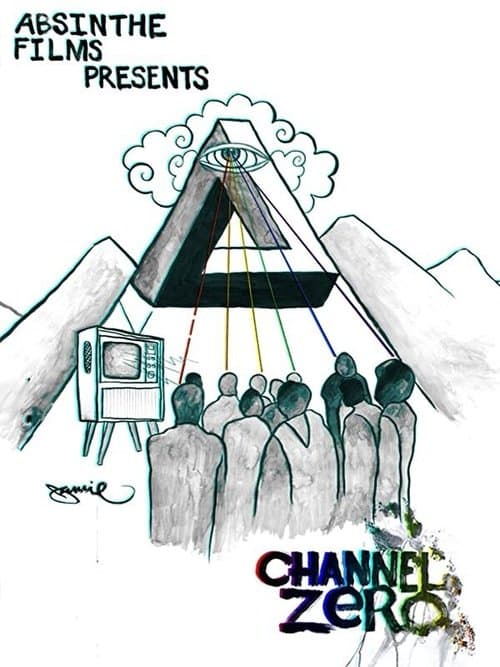
It’s the channel that’s not on your television, you need to go out into nature to tune into this frequency.
Greek internal migrants in Athens, after the Greek Civil War colonize the tops of the Tourkovounia hills.
In conversations with passionate sociologist and political thinker Jean Pichette, the filmmaker views the forced downtime stemming from the current crisis as an opportunity to rethink our modes of existence and our relationship to others, nature, science, the economy, art, politics—in short, everything that makes us human.
Lightning McQueen, a hotshot rookie race car driven to succeed, discovers that life is about the journey, not the finish line, when he finds himself unexpectedly detoured in the sleepy Route 66 town of Radiator Springs. On route across the country to the big Piston Cup Championship in California to compete against two seasoned pros, McQueen gets to know the town's offbeat characters.
In 2001, satellite imagery captured a mysterious “thermal anomaly” on an unexplored volcano at the ends of the Earth. What lies inside could provide new clues to help predict volcanic eruptions around the globe. But the island is so remote with conditions that are so extreme. No one has ever been able to reach the top to investigate what lies inside.. until now.
Survival, motherhood and movies all collide in a backyard pool.
A traffic warden runs into a surprising argument with a persisting customer.
Five women trapped in an elevator confess their bitter life experiences caused by evil men and society.
Jeff heads home to rest before cooking for an important person. When he is lured to a pool by an amorous mermaid, he has to choose between satisfying his libido or staying focused on the future.
The annual Student Body President election at wildly eclectic and diverse West Beach High pits the quirky, much-beloved incumbent Sissy Frenchfry against handsome, charismatic -- and socially intolerant -- transfer student Bodey McDodey, who enacts a devious plan to restore the "status quo."