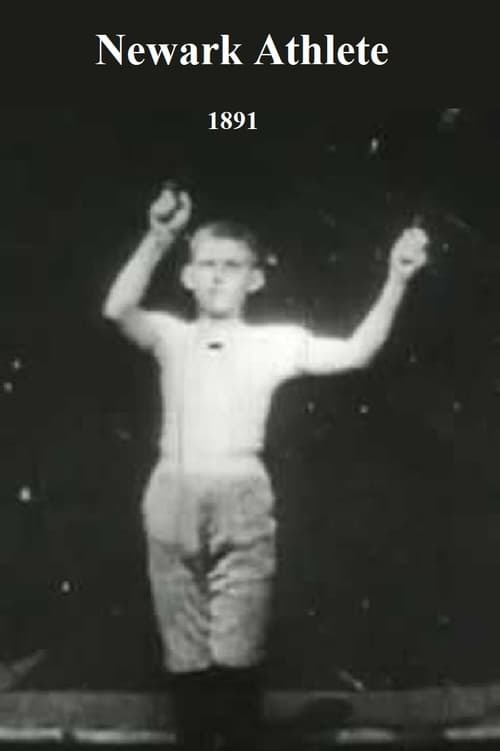
Experimental film fragment made with the Edison-Dickson-Heise experimental horizontal-feed kinetograph camera and viewer, using 3/4-inch wide film.
No Trailers found.
No Cast found.
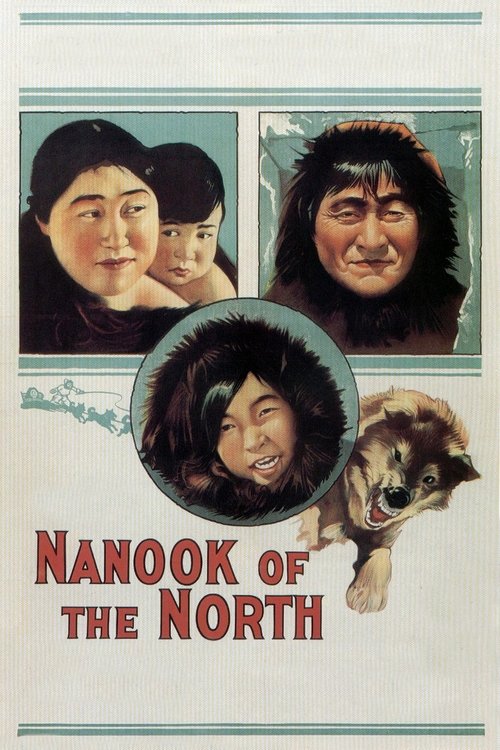
This pioneering documentary film depicts the lives of the indigenous Inuit people of Canada's northern Quebec region. Although the production contains some fictional elements, it vividly shows how its resourceful subjects survive in such a harsh climate, revealing how they construct their igloo homes and find food by hunting and fishing. The film also captures the beautiful, if unforgiving, frozen landscape of the Great White North, far removed from conventional civilization.
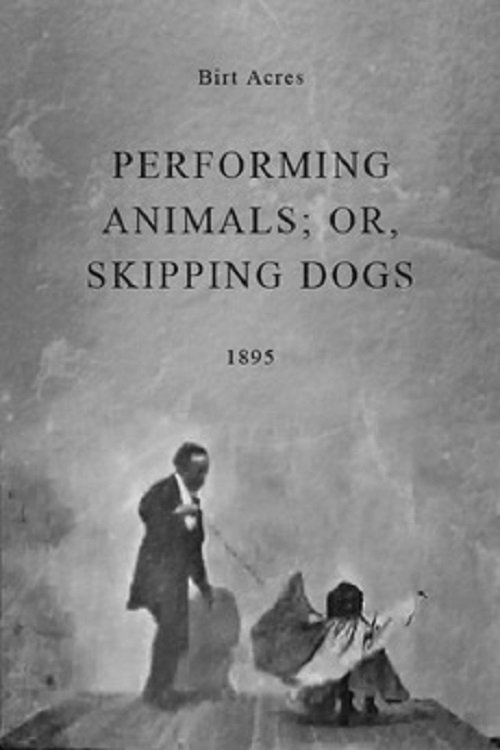
A short black-and-white silent documentary film featuring one dog jumping through hoops and another dancing in a costume, which was considered lost until footage from an 1896 Fairground Programme was identified as being from this film.
Gilles Groulx's first film shot in 1955 with a camera borrowed from his brother and edited during his spare time when he worked as an editor at the Radio-Canada news service a few years before he joined the NFB. Silent film, presented as its author left it, where the soil and the dialectic of Groulx's work are already there: documentary realism, the social space to be explored, daily life, the relationship between individual and society, social disparities, the consumer society, seduction and happiness.
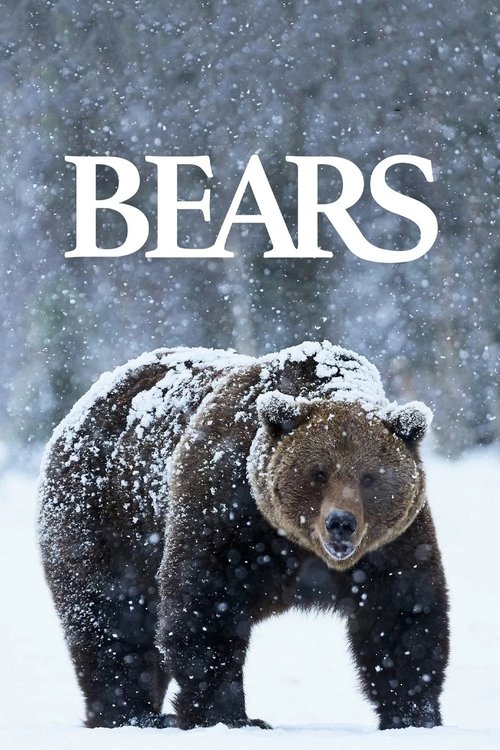
From polar bears in the arctic tundra to black bears in the Northern Rockies, you'll see some of the most spectacular footage ever shot of these enterprising omnivores. Catch salmon with a group of hungry grizzlies on the McNeil River in Alaska. Crawl inside a den with a mother black bear and her cubs. Learn about the challenges facing each of these species as their habitat diminishes.
Anne Bean, John McKeon, Stuart Brisley, Rita Donagh, Jamie Reid and Jimmy Boyle are interviewed about their artistic practice and the legacy of Surrealism on their work.
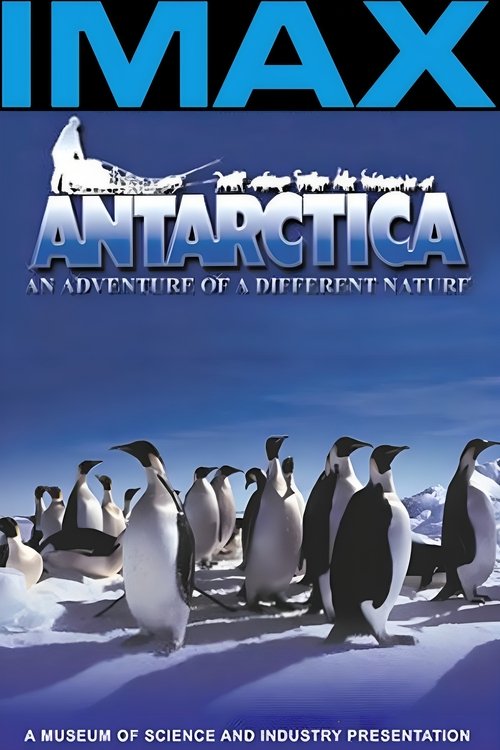
This large format film explores the last great wilderness on earth. It takes you to the coldest, driest, windiest continent, Antarctica. The film explores the life in Antarctica, both for the animals that live their and the scientist that work there.
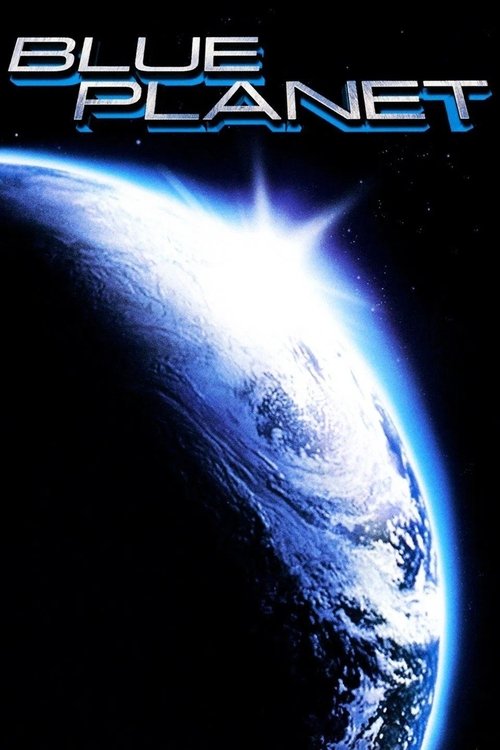
From the unique vantage point of 200 miles above Earth's surface, we see how natural forces - volcanoes, earthquakes and hurricanes - affect our world, and how a powerful new force - humankind - has begun to alter the face of the planet. From Amazon rain forests to Serengeti grasslands, Blue Planet inspires a new appreciation of life on Earth, our only home.
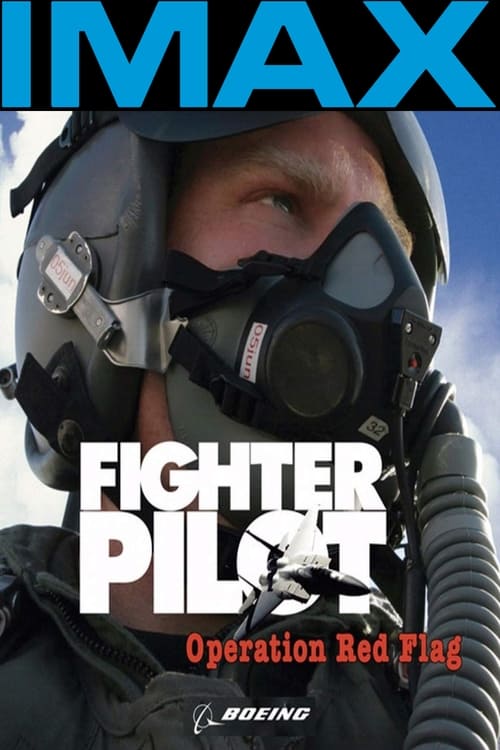
Fighter Pilot: Operation Red Flag follows American F-15 Eagle pilot John Stratton as he trains with some of the world’s best pilots. The movie depicts Stratton’s progression through the challenging and dangerous exercises of Operation Red Flag, the international training program for air forces of allied countries.
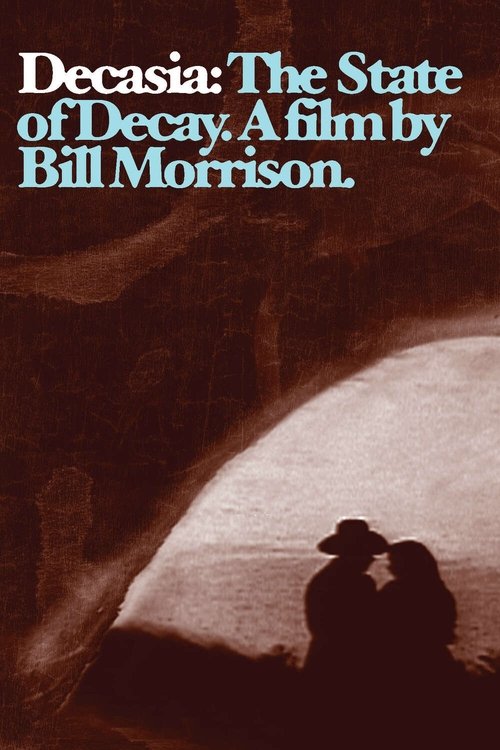
A meditation on the human quest to transcend physicality, constructed from decaying archival footage and set to an original symphonic score.
A manufactured memory.
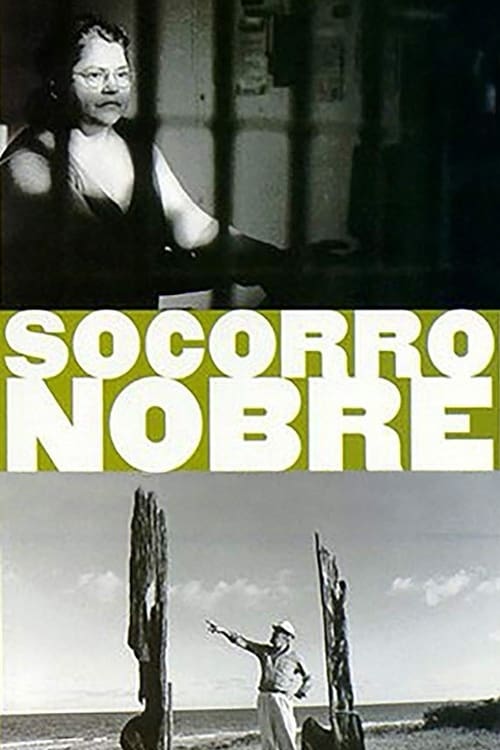
When the inmate Maria do Socorro Nobre reads an article about the Polish artist Franz Krajcberg in Veja magazine, she decides to write a letter to him. Socorro was sentenced to more than twenty-one years in a prison for women in Salvador, Bahia, while Franz is a tormented artist that lost his family and lived his childhood in a ghetto in Poland but survived the Holocaust. Franz moved to Brazil and recovered life wish living close to nature and inspires Socorro to dream with life again.
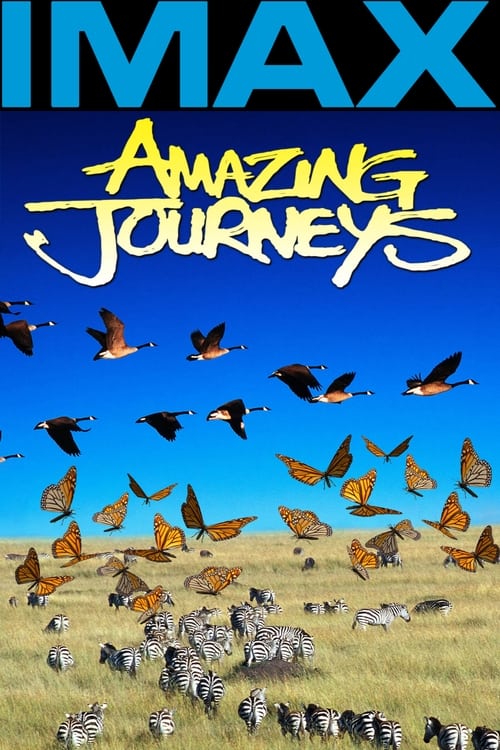
By land, by air, and by sea, viewers can now experience the struggle that millions of creatures endure in the name of migration as wildlife photographers show just how deeply survival instincts have become ingrained into to the animals of planet Earth. From the monarch butterflies that swarm the highlands of Mexico to the birds who navigate by the stars and the millions of red crabs who make the perilous land journey across Christmas Island, this release offers a look at animal instinct in it's purest form.
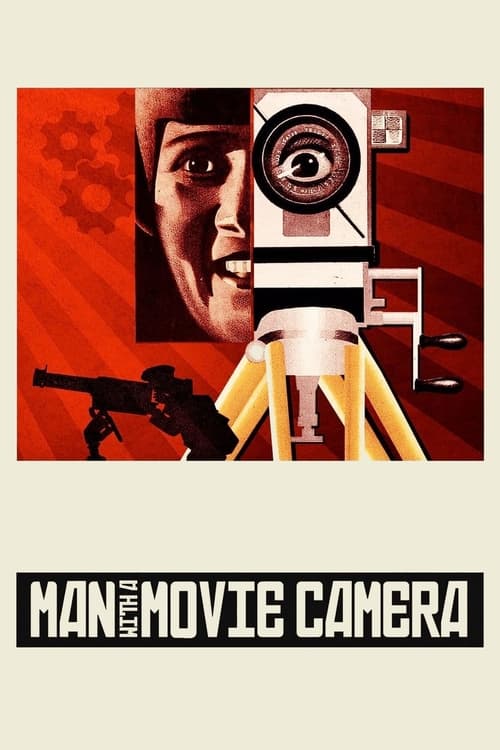
A cameraman wanders around with a camera slung over his shoulder, documenting urban life with dazzling inventiveness.
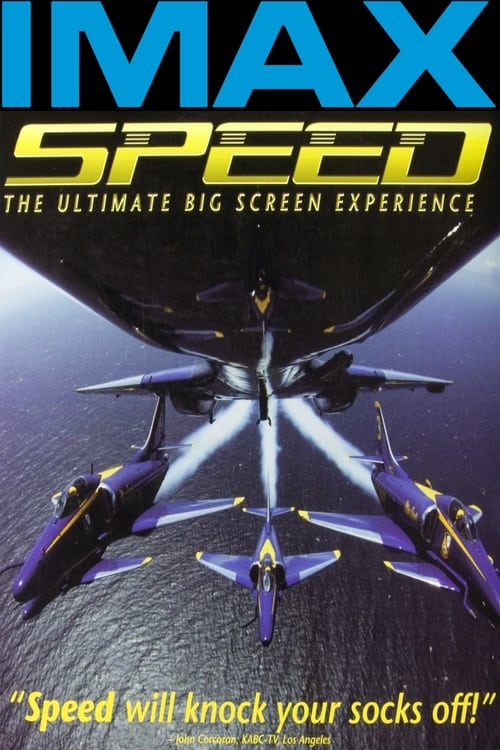
A documentary on the history on mankind's attempts to reach high speeds. Starting with the invention of the bicycle, going on to sports cars, cars with jet engines, rocket-powered cars, attempts to break the sound barrier, and rocket-engine airplanes. Each achievement is documented by title card indicating the speed reached in miles per hour.
Nature, gymnastic movements, a cat...
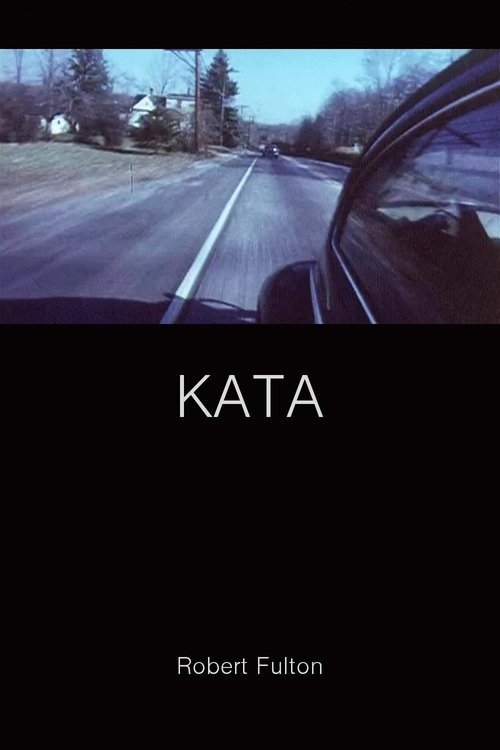
Glen Denny observed: "This film is not ocean, it is panther stalking jungle." Camera flows because it is free to move through space.
Fluidity of stone. Subatomic motion asserting a surface. Mind loop wandering. Visitation of sound matrix. Liquid solid. Nature transforms a planetary cycle. Relations of a timeless void.
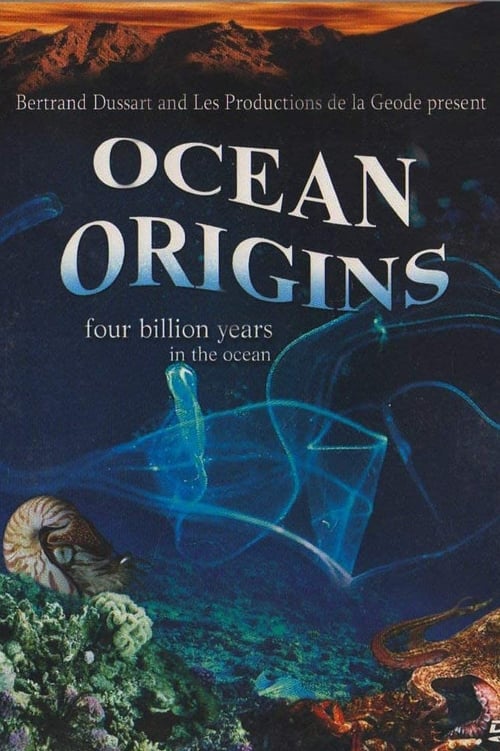
A documentary that explores the natural world of the sea, from the single-celled organism to more complex forms of life, OCEAN ORIGINS was originally filmed in the IMAX large format, which adds a crispness and clarity to the images. This documentary film seeks to examine the process of evolution by looking at the many creatures of the sea that can illustrate the way multi-cellular life emerged over the course of four billion years. OCEAN ORIGINS is a creative film that uses fascinating documentary footage to look at scientific theories and principles in an interesting manner
This film describes a psychological state "kin to moonstruck, its images emblems (not quite symbols) of suspension-of-self within consciousness and then that feeling of falling away from conscious thought. The film can only be said to describe or be emblematic of this state because I cannot imagine symbolizing or otherwise representing an equivalent of thoughtlessness itself. Thus the actors in the film, Jane Brakhage, Tom and Gloria Bartek, Williams Burroughs, Allen Ginsberg, Peter Olovsky and Phillip Whalen are figments of this 'Thought-Fallen Process', as are their images in the film to find themselves being photographed."
This short film documents Australian composer Richard Meale’s homage to the young French poet, Arthur Rimbaud. Meale composed a music piece for woodwind, percussion and strings which he titled “Incredible Floridas”.