Documentary looking at both burger chains and how they have grown to become world-dominating fast food brands.
No Cast found.
No Trailers found.
Morgan Spurlock subjects himself to a diet based only on McDonald's fast food three times a day for thirty days without exercising to try to prove why so many Americans are fat or obese. He submits himself to a complete check-up by three doctors, comparing his weight along the way, resulting in a scary conclusion.
No overview available.
Milk - an essential food for our wellbeing? The highly processed white industrial product we are supposed to consume on a daily basis is suspected of causing numerous diseases of civilization. We take a closer look at the ongoing debate.
Filmmaker Connor Luke Simpson explores the underground-and often misunderstood-subculture known as feederism. A community where the fatter you are, the sexier you are.
King Corn is a fun and crusading journey into the digestive tract of our fast food nation where one ultra-industrial, pesticide-laden, heavily-subsidized commodity dominates the food pyramid from top to bottom – corn. Fueled by curiosity and a dash of naiveté, two college buddies return to their ancestral home of Greene, Iowa to figure out how a modest kernel conquered America. With the help of some real farmers, oodles of fertilizer and government aide, and some genetically modified seeds, the friends manage to grow one acre of corn. Along the way, they unlock the hilarious absurdities and scary but hidden truths about America’s modern food system in this engrossing and eye-opening documentary.
The documentary traced the fast food company's journey from Route 66 diner to planet-conquering giant.
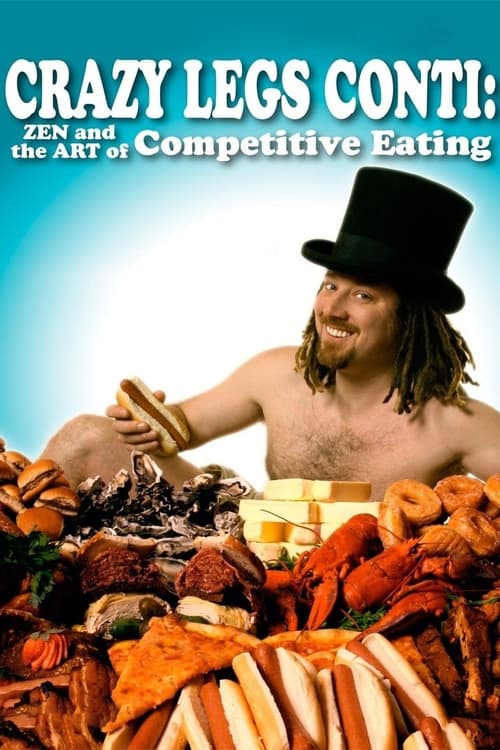
Crazy Legs Conti is an eccentric New York window washer, nude model and sperm donor, and huge fan of the annual July 4th hot dog eating competition. When he casually breaks the world oyster eating record in New Orleans, he decides to dedicate himself to fulfilling his lifelong dream of becoming a professional competitive eater.
A bare-knuckled critique of corporate America told through the powerful true story of a toxic CEO who evolves from a profits-over-people, philandering executive to an unorthodox leader, populist messenger, and mentor to American influencers. It’s a story of growth, redemption and the impact of self-awareness on leadership and life.
A team of journalists investigate how human trafficking and child labor in the Ivory Coast fuels the worldwide chocolate industry. The crew interview both proponents and opponents of these alleged practices, and use hidden camera techniques to delve into the gritty world of cocoa plantations.
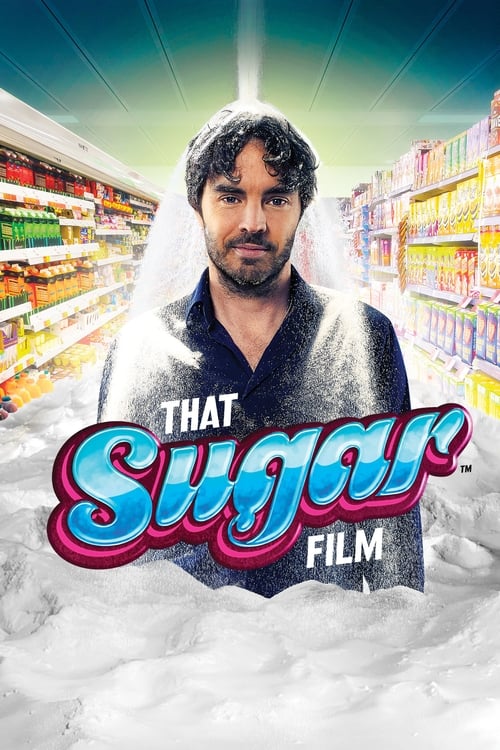
One man's journey to discover the bitter truth about sugar. Damon Gameau embarks on a unique experiment to document the effects of a high sugar diet on a healthy body, consuming only foods that are commonly perceived as 'healthy'. Through this entertaining and informative journey, Damon highlights some of the issues that plague the sugar industry, and where sugar lurks on supermarket shelves.
The story of government chemist Dr. Harvey Wiley who, determined to banish dangerous substances from dinner tables, took on the powerful food manufacturers and their allies.
Juan “Accidentes” Dominguez is on his biggest case ever. On behalf of twelve Nicaraguan banana workers he is tackling Dole Food in a ground-breaking legal battle for their use of a banned pesticide that was known by the company to cause sterility. Can he beat the giant, or will the corporation get away with it?
Obesity rates in the United States have reached epidemic proportions in recent years. Killer at Large shows how little is being done and more importantly, what can be done to reverse it. Killer at Large also explores the human element of the problem with portions of the film that follow a 12-year old girl who has a controversial liposuction procedure to fix her weight gain and a number of others suffering from obesity, including filmmaker Neil Labute.
Chris van Tulleken takes a personal view at why ultra-processed foods are so irresistible and how they have come to dominate food culture.
The moral dimension of humanity's interaction with nonhuman animals and the industries that profit from their exploitation, as informed by world religions. A historical explanation of how the current global situation came to be.