logologo
MovieVerse© 2024
Privacy PolicyTerms of ServiceContact Us
Made with ❤️ by Thathsara
movie poster
El amanecer de una nueva era en España
Sign in to create your own watchlist

El amanecer de una nueva era en España

Apr 14, 1931
0h 23m
★ 0.0

Overview

A chronicle of the demonstrations and public events held on the occasion of the proclamation of the Second Spanish Republic on April 14, 1931 (Sound newsreel shot by Fox Movietone News discovered in 2009.)

Genres

Documentary

Production Companies

Fox Movietone News

Cast

Niceto Alcalá-Zamora

Self - Politician

Niceto Alcalá-Zamora

Ramón Franco

Self - Aviator

Ramón Franco

Miguel de Unamuno

Self - Writer

Miguel de Unamuno

Fernando de los Ríos

Self - Politician

Fernando de los Ríos

Victoria Kent

Self - Politician

Victoria Kent

Indalecio Prieto

Self - Politician

Indalecio Prieto

Pedro Rico López

Self - Politician

Pedro Rico López

Salvador de Madariaga

Self - Diplomat

Salvador de Madariaga

Adela Anaya

Self - Composer

Adela Anaya

El amanecer de una nueva era en España Trailers

No Trailers found.

You may also like

Land Without Bread
7.1

Land Without Bread

Dec 1, 1933

An exploration —manipulated and staged— of life in Las Hurdes, in the province of Cáceres, in Extremadura, Spain, as it was in 1932. Insalubrity, misery and lack of opportunities provoke the emigration of young people and the solitude of those who remain in the desolation of one of the poorest and least developed Spanish regions at that time.

Antonio García-Trevijano: Transición e historia política de España en primera persona
4.0

Antonio García-Trevijano: Transición e historia política de España en primera persona

Jul 26, 2021

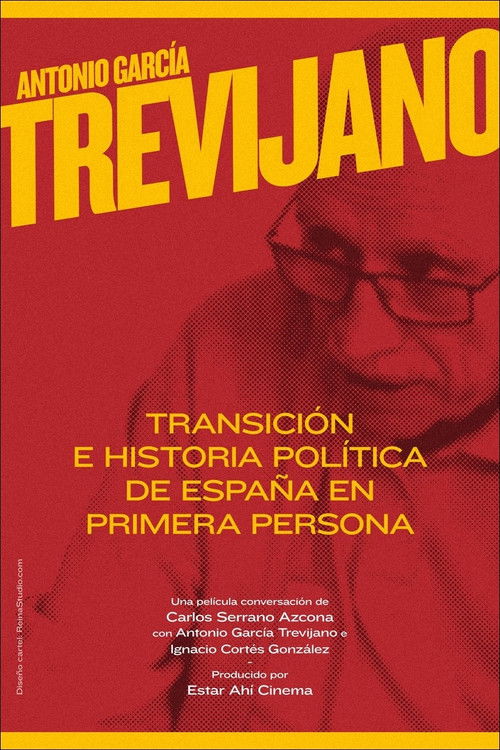
Spanish jurist and republican thinker Antonio García-Trevijano (1927-2018) expounds his political thought and reflects on the recent political history of Spain.

Heroes' War in Snow and Ice
0.0

Heroes' War in Snow and Ice

Sep 12, 1917

Heroic Struggle in Snow and Ice is a 1917 Austro-Hungarian propaganda newsreel film produced by Sascha-Film for the Imperial and Royal War Press Headquarters. The film is hand-colored and presented in two parts. It depicts the fighting on the Alpine Front between Italy and Austria-Hungary.

The Road to the Tokyo Olympics
0.0

The Road to the Tokyo Olympics

Feb 8, 1963

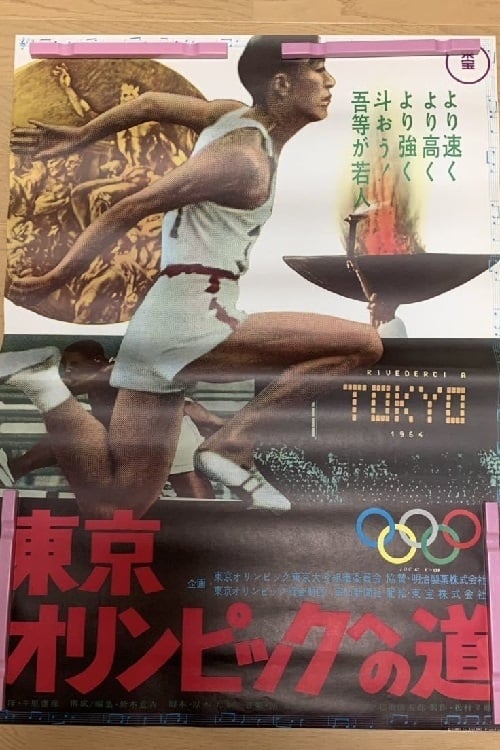
A documentary film that includes footage of past Olympics held in different countries with an particular emphasis on the activities and successes of Japanese athletes and how they are currently (circa 1963) improving themselves.

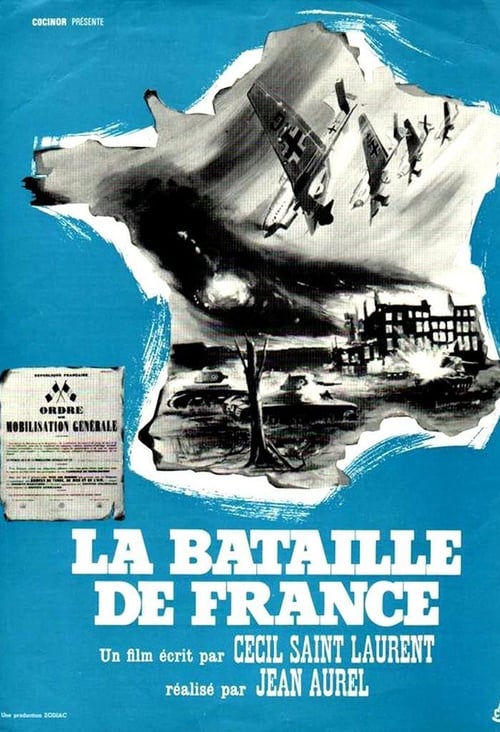
The Battle of France
8.0

The Battle of France

Jun 3, 1964

A montage of newscasts tracing the events of the "damned war" and the German invasion of 1940.

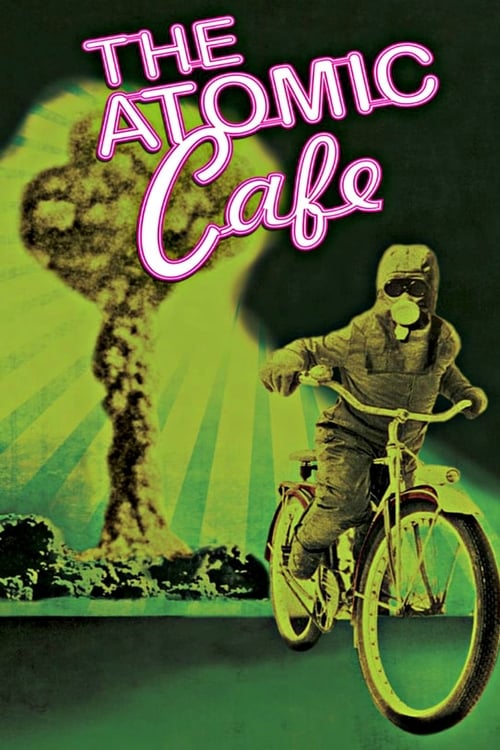
The Atomic Cafe
7.3

The Atomic Cafe

Mar 17, 1982

A disturbing collection of 1940s and 1950s United States government-issued propaganda films designed to reassure Americans that the atomic bomb was not a threat to their safety.

Carceller, the Man Who Died Twice
7.5

Carceller, the Man Who Died Twice

Oct 24, 2021

The life story of Vicente Miguel Carceller (1890-1940), a Spanish editor committed to freedom who, through his weekly magazine La Traca, connected with the common people while maintaining a dangerous pulse with the powerful.

Swastika
6.7

Swastika

Jan 17, 1974

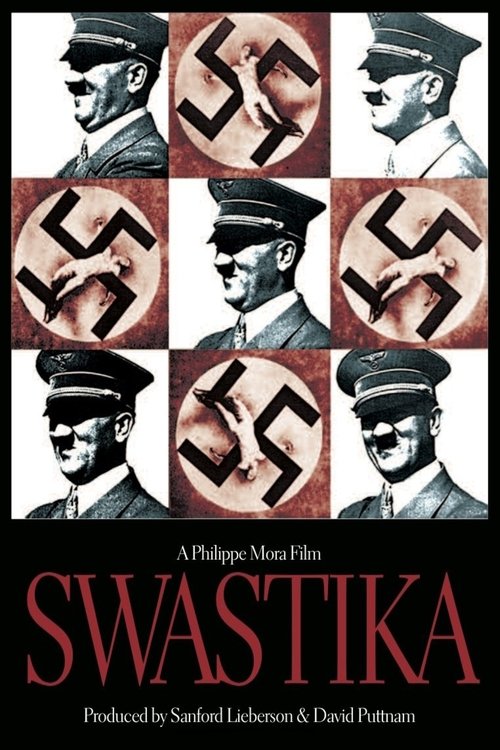
Comprised of video shot during the Nazi regime, including propaganda, newsreels, broadcasts and even some of Eva Braun's colorized personal home movies, we explore the way in which the Third Reich infiltrated the lives of the German population, from 1933 to 1945.

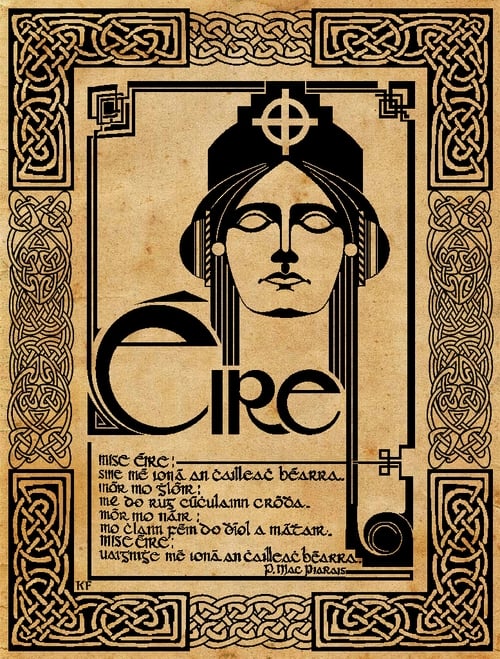
I Am Ireland
5.8

I Am Ireland

Sep 1, 1959

Inspired by Patrick Pearse’s poem Mise Éire (“I Am Ireland”), this documentary assembles archival footage from across Europe to trace the rise of Irish nationalism from the 1890s through the 1916 Easter Rising. Directed by George Morrison, the film chronicles key figures and events of the independence movement, with Irish-language narration and a score by Seán Ó Riada.

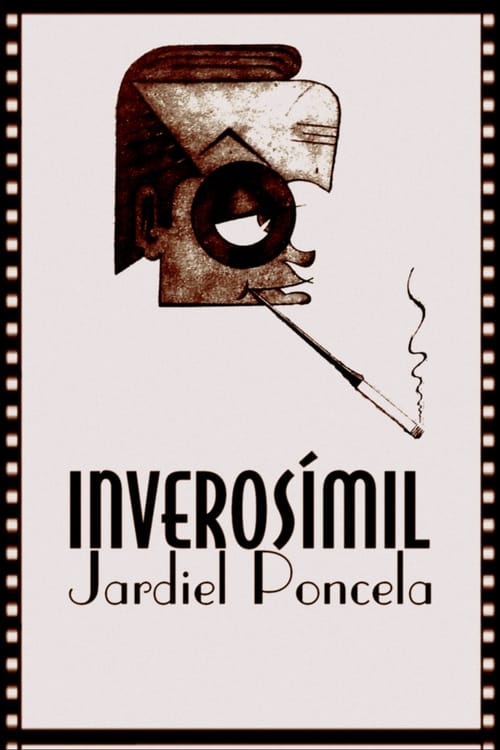
Inverosímil Jardiel Poncela
6.0

Inverosímil Jardiel Poncela

Dec 19, 2014

The Spanish author Enrique Jardiel Poncela (1901-1952) was one of the best comedy writers of all time, a novelist and newspaper columnist, misunderstood, even censored, both by the Second Republic government and Francoism, an outsider ahead of his time; also a filmmaker and screenwriter in Hollywood, architect of a revolutionary theatrical building and scenographer, cartoonist and illustrator. An implausible genius.

That Justice Be Done
5.0

That Justice Be Done

Oct 18, 1945

Newsreel footage from both sides of World War II make a case for convicting Nazi war criminals.

Experiment Stuka
6.0

Experiment Stuka

Nov 8, 2018

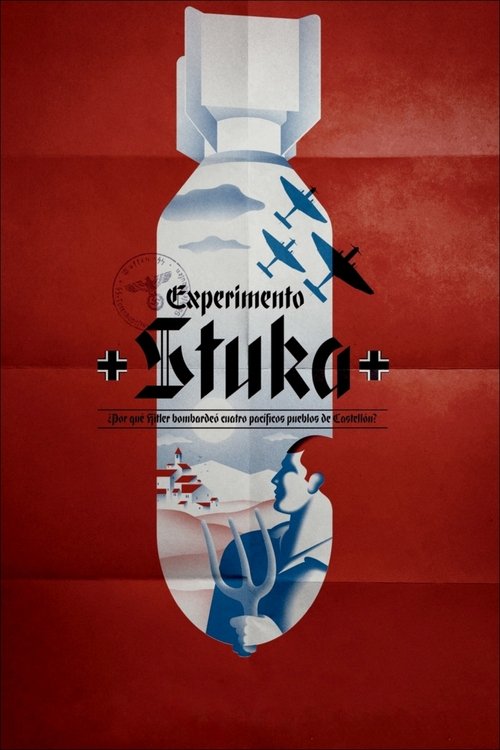
Spanish Civil War, May, 1938. Four villages in Castellón, Benassal, Albocàsser, Ares del Maestrat and Vilar de Canes, were bombed from the sky and ravaged. 38 people died. Inhabitants never knew for sure who piloted the planes responsible for such atrocity, although the rebel propaganda attributed the act to the republican side. Now, 80 years later, the truth is finally exposed.

Words for an End of the World
6.7

Words for an End of the World

Nov 13, 2020

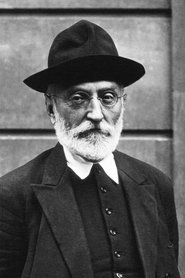
Spain, April 14, 1931. The Second Republic is born. From the beginning, the writer Miguel de Unamuno is considered one of the ethical pillars of the new regime. Five years later, on December 31, 1936, a few months after the outbreak of the Spanish Civil War (1936-39), Unamuno dies at his home in Salamanca, capital of the rebel side, led by General Francisco Franco, and main center of dissemination of its propaganda apparatus.

No Image Available
7.5

Hindenburg Disaster Newsreel Footage

Dec 31, 1937

The airship Hindenburg, arriving from Europe, was being led to its mooring at Lakehurst, New Jersey when suddenly disaster struck. The hydrogen-filled zeppelin ignited, and was almost instantly transformed into an enormous fireball. In less than a minute, the entire ship had been consumed by flames. The Hindenburg explosion marked the end of the budding airship travel industry.

A War in Hollywood
6.8

A War in Hollywood

Oct 16, 2009

The Spanish Civil War (1936-1939) caused a great impression on the lives of most of the American artists of that era, so many movies were made in Hollywood about it. The final defeat of the Spanish Republic left an open wound in the hearts of those who sympathized with its cause. The eventful life of screenwriter Alvah Bessie (1904-1985), one of the Hollywood Ten, serves to analyze this sadness, the tragedy of Spain and its consequences.

Israel Palestine on Swedish TV 1958-1989
9.0

Israel Palestine on Swedish TV 1958-1989

Oct 4, 2024

Archival film maestro Göran Hugo Olsson has assembled—from a vast catalogue of footage in the vaults of Sweden’s national television service SVT—accounts of the Israeli-Palestinian conflict as witnessed and represented by Swedish journalists. Stories of the beginning of the Israeli state interwoven with the Palestinian struggle for independence. News coverage with Yasser Arafat and interviews with Israeli foreign minister Abba Eban during a visit to Sweden unseen since first broadcast. From the tenth anniversary of Israel’s founding to the First Intifada, perspectives and encounters with statesmen, civilians, revolutionaries, and intellectuals tell the story from myriad angles of an evolving media landscape, revivifying a history of the ongoing conflict.

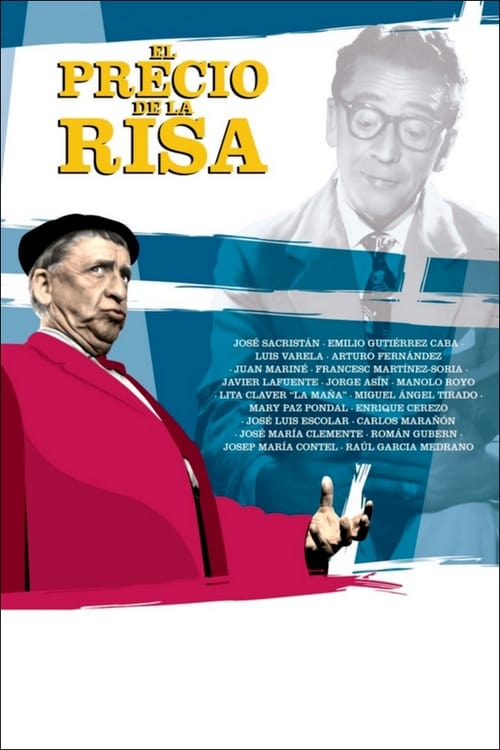
El precio de la risa
6.0

El precio de la risa

Sep 19, 2017

The life of Paco Martínez Soria (1902-1982), one of the most famous and beloved Spanish actors, both on stage and screen; a comedian, a theatrical producer, an idol for the masses. A celebration of the uncommon gift of making people laugh.

Manda huevos
8.0

Manda huevos

Sep 30, 2016

A look at the different masculinities portrayed in Spanish cinema through time. (A sequel to “Barefoot in the Kitchen,” 2013.)

Suspense Story: Nat'l Press Club Hears Hitchcock
0.0

Suspense Story: Nat'l Press Club Hears Hitchcock

Mar 19, 1963

National Press Club hears a speech from Alfred Hitchcock.

Barefoot in the Kitchen
6.0

Barefoot in the Kitchen

Jun 14, 2013

What was the role of women in Spanish cinema from the 1930s to the present explained through fragments of different films, both fiction and non-fiction. (Followed by “Manda huevos,” 2016.)