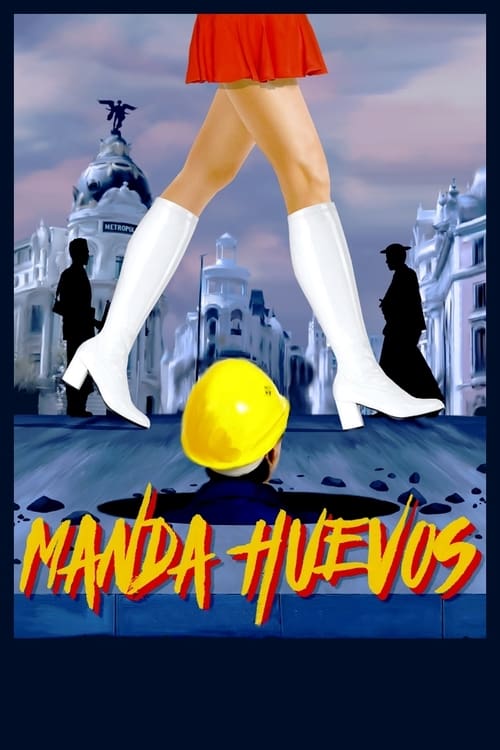
A look at the different masculinities portrayed in Spanish cinema through time. (A sequel to “Barefoot in the Kitchen,” 2013.)
No Trailers found.
An exploration —manipulated and staged— of life in Las Hurdes, in the province of Cáceres, in Extremadura, Spain, as it was in 1932. Insalubrity, misery and lack of opportunities provoke the emigration of young people and the solitude of those who remain in the desolation of one of the poorest and least developed Spanish regions at that time.
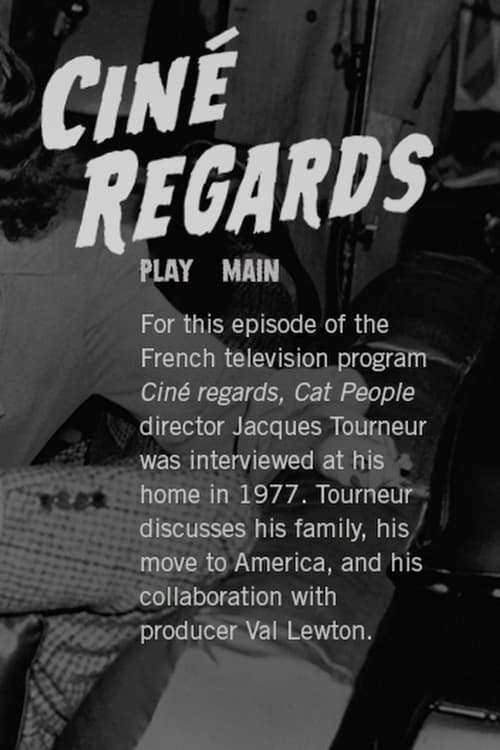
Interview with film director Jacques Tourneur which first appeared on the French television series "Ciné regards".
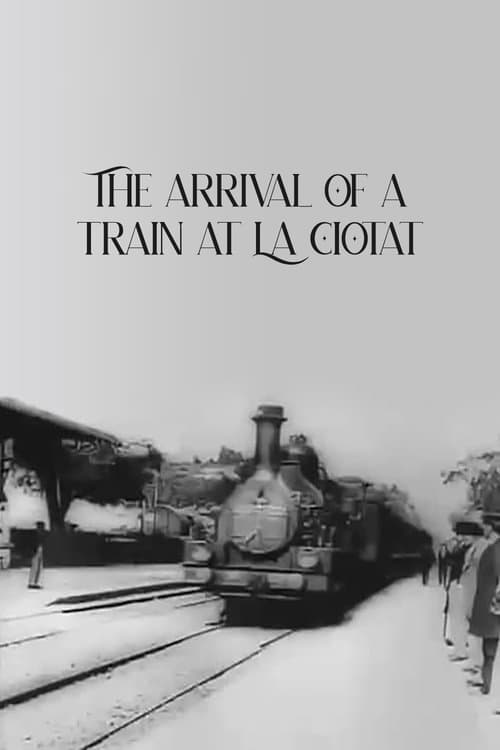
A group of people are standing along the platform of a railway station in La Ciotat, waiting for a train. One is seen coming, at some distance, and eventually stops at the platform. Doors of the railway-cars open and attendants help passengers off and on. Popular legend has it that, when this film was shown, the first-night audience fled the café in terror, fearing being run over by the "approaching" train. This legend has since been identified as promotional embellishment, though there is evidence to suggest that people were astounded at the capabilities of the Lumières' cinématographe.
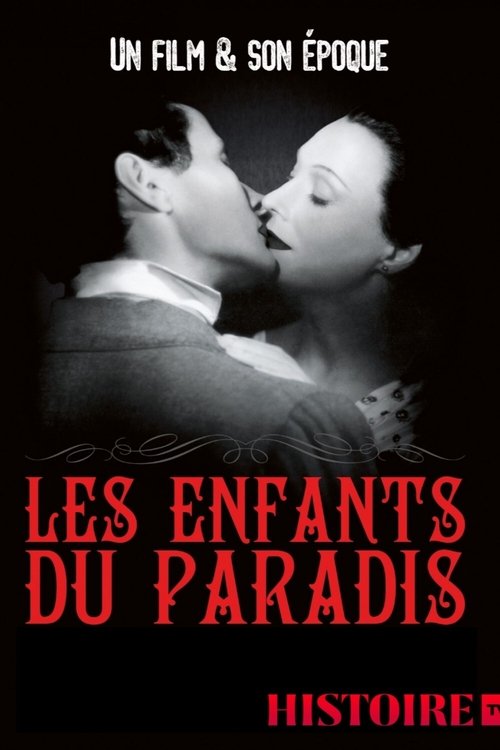
Television documentary about the making of Marcel Carné's 1945 film "Children of Paradise"
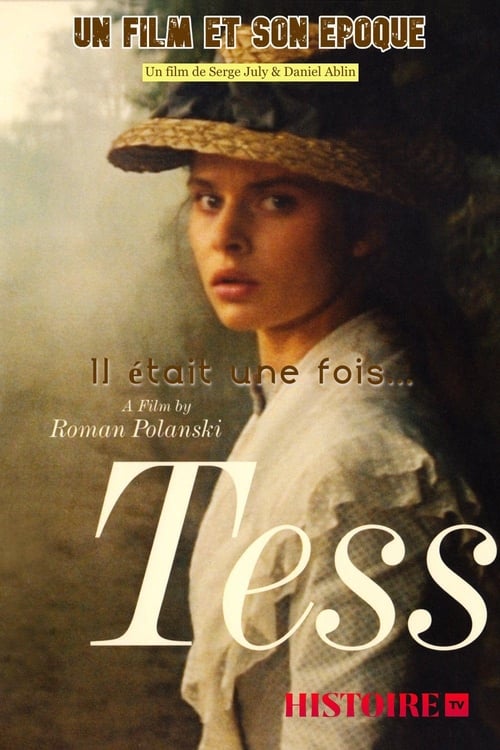
Television documentary about the making of Roman Polanski's 1979 film "Tess."
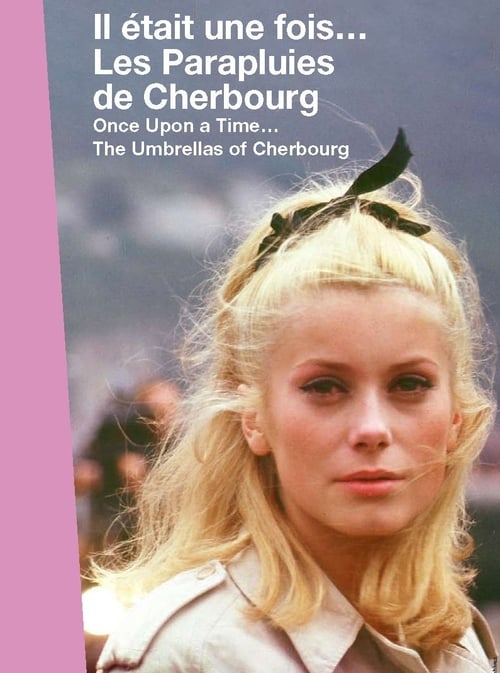
Television documentary about the making of Jacques Demy's 1964 film "The Umbrellas of Cherbourg".
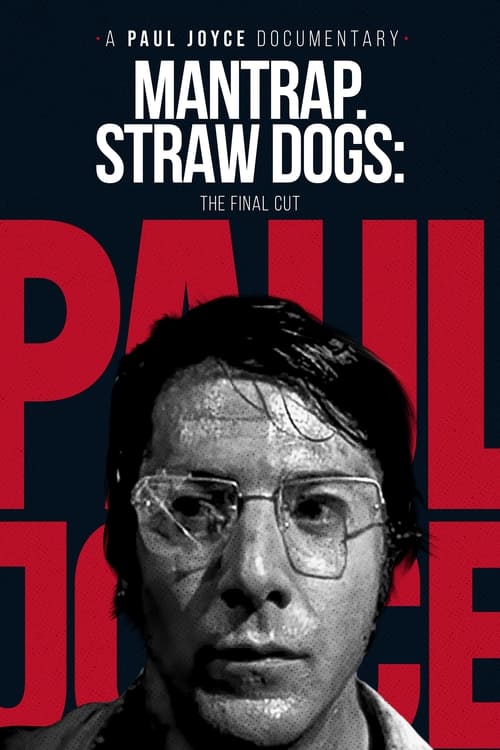
Documentary about the making of Sam Peckinpah's 1971 film "Straw Dogs."
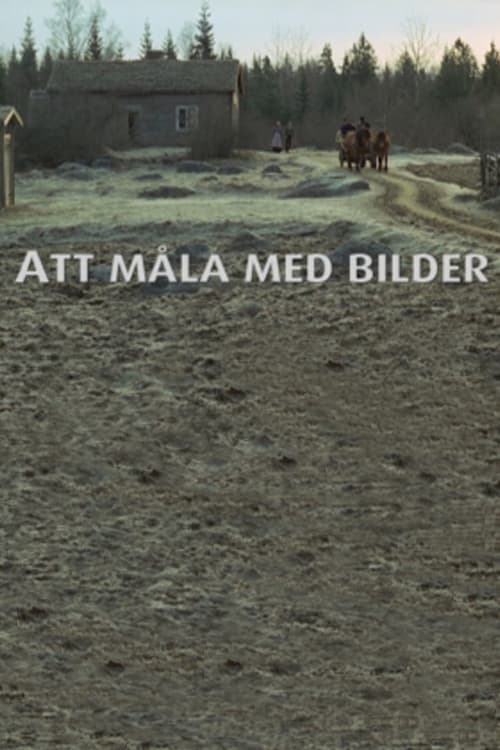
Documentary about the making of Swedish film director Jan Troell's "The New Land" (1971) and "The Emigrants" (1972).
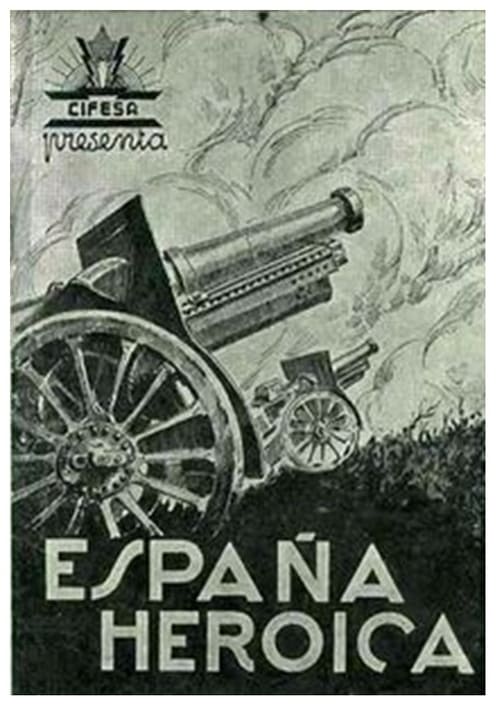
Documentary produced by Falange and edited in Berlin, in response to the international success of the Republican production "Spain 1936" (Le Chanois, 1937).
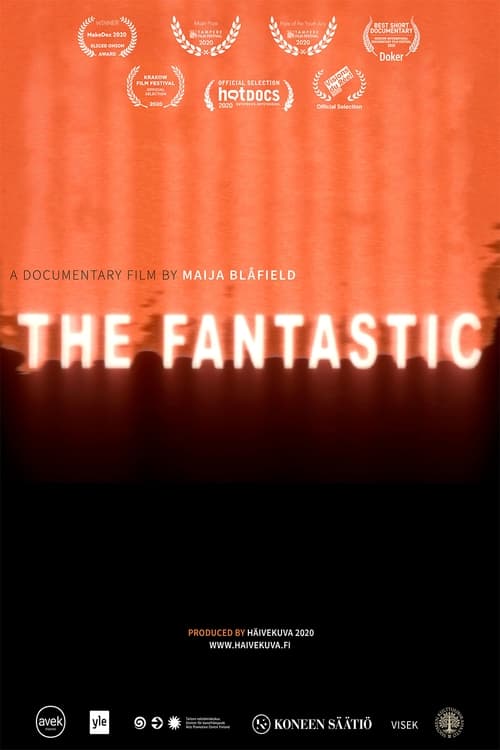
In Maija Blåfield’s documentary, eight former North Koreans talk about what it was like to watch illegal films in a closed society. In addition to the 'waste videos', South Korean films were also smuggled into the country via China.
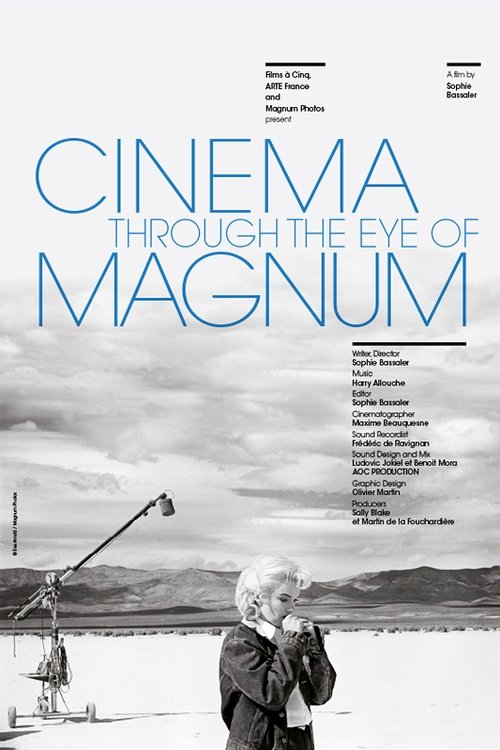
The film tells the story of the intimate and unprecedented encounter between the photojournalists of the Magnum Agency and the world of cinema. The confrontation of two seemingly opposite worlds – fiction and reality. For 70 years their paths crossed: a family of photographers, amongst them the biggest names in photography, and a family of actors and filmmakers who helped write the history of cinema, from John Huston to Marilyn Monroe to Orson Welles, Kate Winslet and Sean Penn.
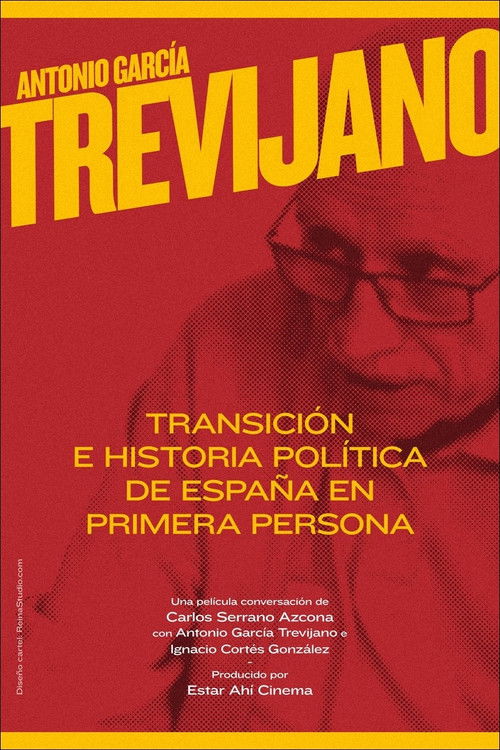
Spanish jurist and republican thinker Antonio García-Trevijano (1927-2018) expounds his political thought and reflects on the recent political history of Spain.
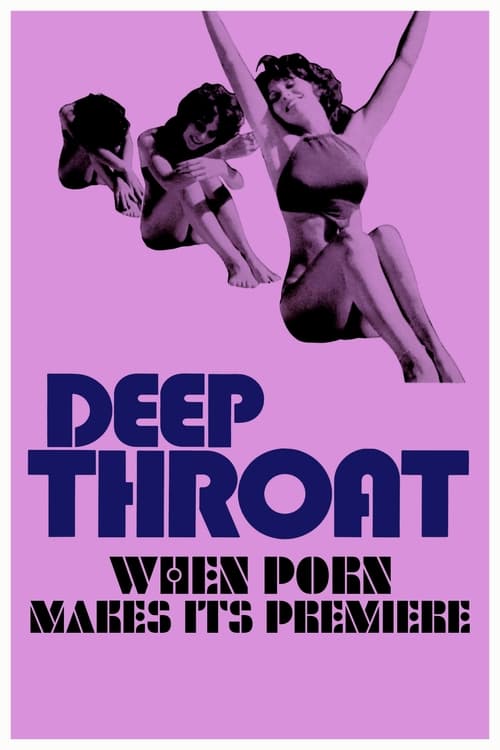
Deep Throat, a pornographic film directed by Gerard Damiano, a film-loving hairdresser, and starring Linda Lovelace, a shy girl manipulated by a controlling husband, was released in 1972 and divided audiences, who began to talk openly about sex, desire and female pleasure; but also about violence and abuse; and about pornography, until then an almost clandestine industry, as a revolutionary cultural phenomenon.
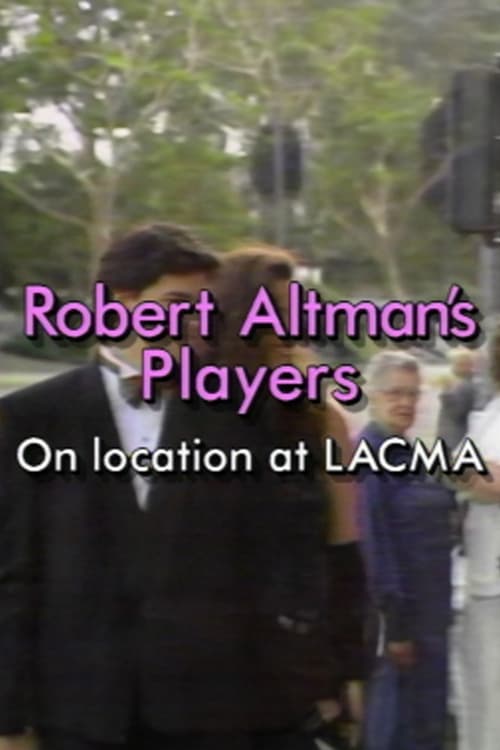
Behind-the-scenes documentary about a fundraiser which was staged for Robert Altman's film "The Player" (1992).
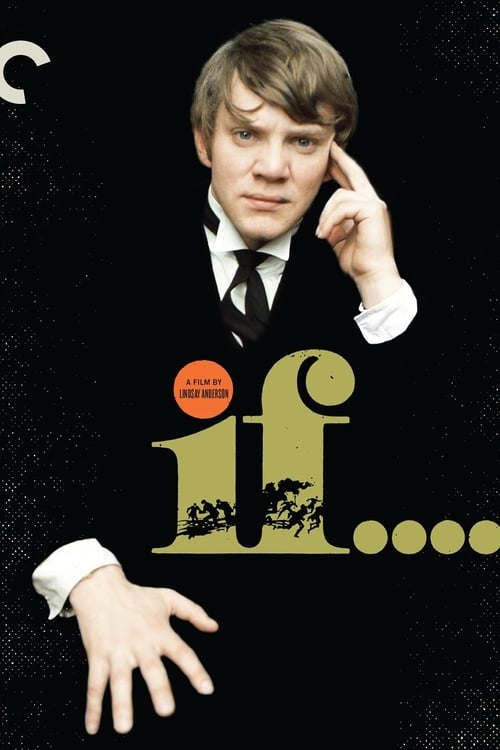
Episode of the BBC Scotland television series focusing on Lindsay Anderson's 1968 film "If...", featuring interviews with star Malcolm McDowell, cinematographer Miroslav Ondříček, assistant editor Ian Rakoff, director’s assistant Stephen Frears, producer Michael Medwin, and screenwriter David Sherwin
Documentary about the making of Louis Malle's 1963 film "The Fire Within".
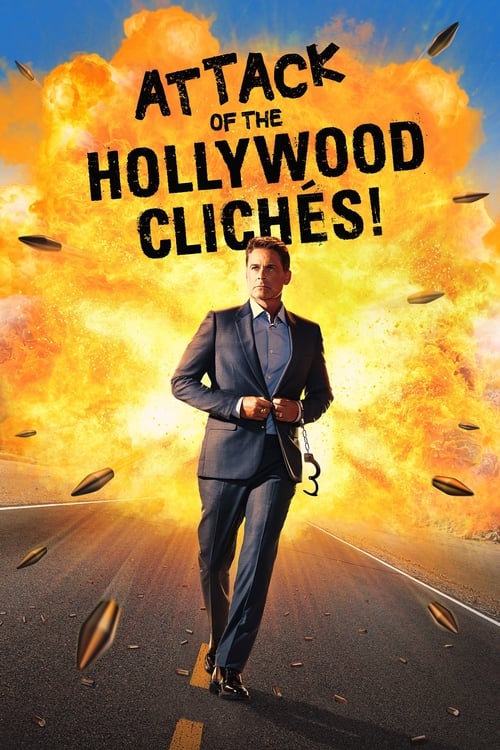
One-man armies, meet-cutes, casual strolls away from huge explosions — stars and industry insiders toast and roast these cinematic chestnuts and more.
On January 31, 1857, the French writer Gustave Flaubert (1821-80) took his place in the dock for contempt of public morality and religion. The accused, the real one, is, through him, Emma Bovary, heroine with a thousand faces and a thousand desires, guilty without doubt of an unforgivable desire to live.
A journey through Swedish queer film history.
A thirty-three-minute documentary featuring interviews with director Pier Paolo Pasolini, actor-filmmaker Jean-Claude Biette, and Pasolini friend Ninetto Davoli.
Herself - Narrator (voice)