Environmental Short Film
One Earth is an environmental short film created and edited to help raise awareness about our impact on our environment day to day.
No Cast found.
Trailer
From space, our planet appears as a tiny blue dot in the vastness of space. Blue, because 99% of all living space on Earth occurs in the Ocean. But the seas are under threat. The industrialization that has occurred in the oceans over the last century mirrors the events that triggered mass extinctions on land. As we learn of the ecological crimes occurring worldwide, we also uncover the shocking truths happening on our own shorelines.
A documentary about the life of wild animals.
What starts as a desire to experience nature more intimately develops into a relatable conversation on alternative pathways through life. Two friends go on a two-year road trip through Latin America. Presenting an insight into long term travel and how engaging in new cultures and environments can help widen our perspective and deepen our understanding of the world we live in. Pacifico forms a discussion around the pros and cons of living in the moment; Showing how slowing down and observing the world mindfully can aid in gaining perspective and broaden an understanding of what is important in life.
Two very different men are brought together by New Brunswick's decision to hand the management of millions of acres of Crown land to six multinationals. One man is an Acadian woodlot owner retired after nearly 40 years in a pulp mill; the other is a painter and winemaker with homes in France and New Brunswick. They travel to Finland to urge officials at one of the largest licence holders of New Brunswick Crown lands to practise responsible forestry, then go head-to-head with the provincial government to secure a new community-based forestry policy that is environmentally sustainable and produces more jobs than the highly mechanized techniques used today.
Twenty-five films from twenty-five European countries by twenty-five European directors.
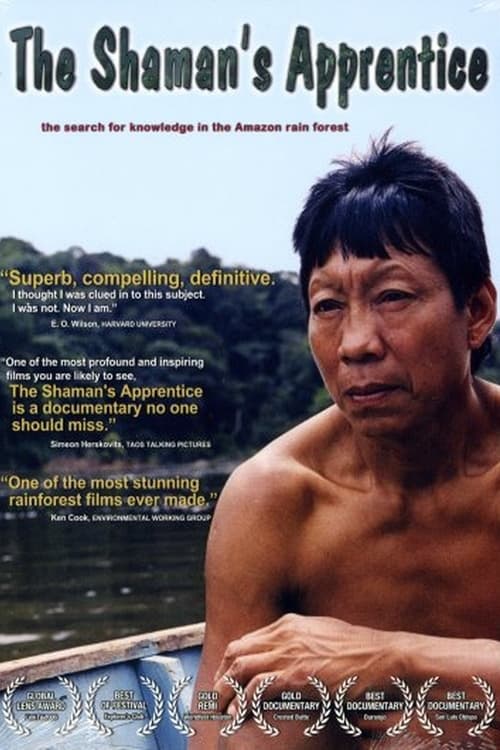
Scientist Mark Plotkin races against time to save the ancient healing knowledge of Indian tribes from extinction.
Documentary about human impact on the world.
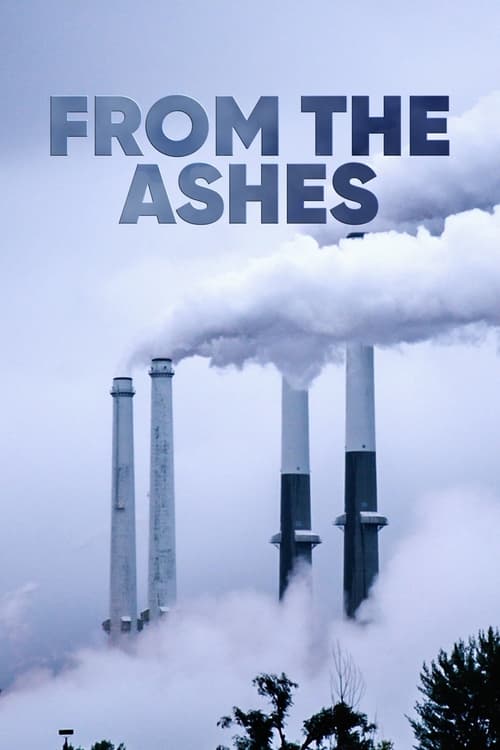
Capturing Americans in communities across the country as they wrestle with the legacy of the coal industry and what its future should be under the Trump Administration. From Appalachia to the West’s Powder River Basin, the film goes beyond the rhetoric of the “war on coal” to present compelling and often heartbreaking stories about what’s at stake for our economy, health, and climate.
Five years ago Kisilu, a Kenyan farmer, started to use his camera to capture the life of his family, his village and the damages of climate change. When a violent storm throws him and a Norwegian filmmaker together we see him transform from a father, to a community leader and activist on the global stage.
A new uranium mill -- the first in the U.S. in 30 years -- would re-connect the economically devastated rural mining community of Naturita, Colorado, to its proud history supplying the material for the first atomic bomb. Some view it as a greener energy source freeing America from its dependence on foreign oil, while others worry about the severe health and environmental consequences of the last uranium boom.
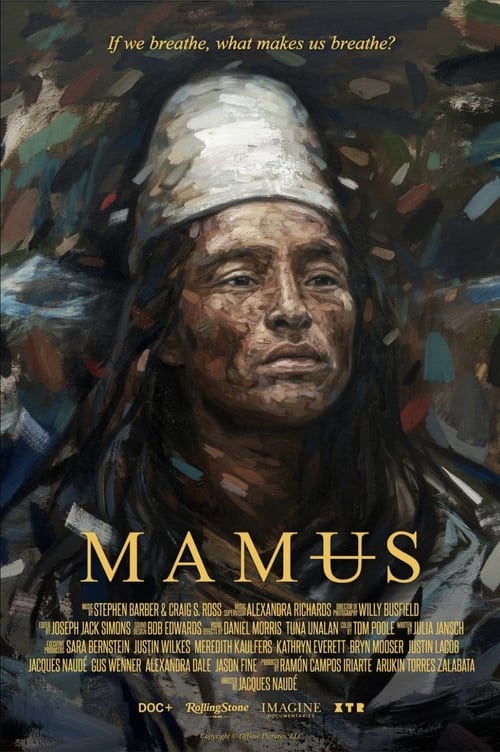
A stunning and intimate portrait of the Arhuaco indigenous community in Colombia. In 1990, in a celebrated BBC documentary, the Arhuaco made contact with the outside world to warn industrialized societies of the potentially catastrophic future facing the planet if we don’t change our ways. Now, three decades later, with the advances of audio/visual technology, we go back to the Snowy Peaks of Sierra Nevada de Santa Maria to illuminate their ethos against the backdrop of an increasingly fragile world.
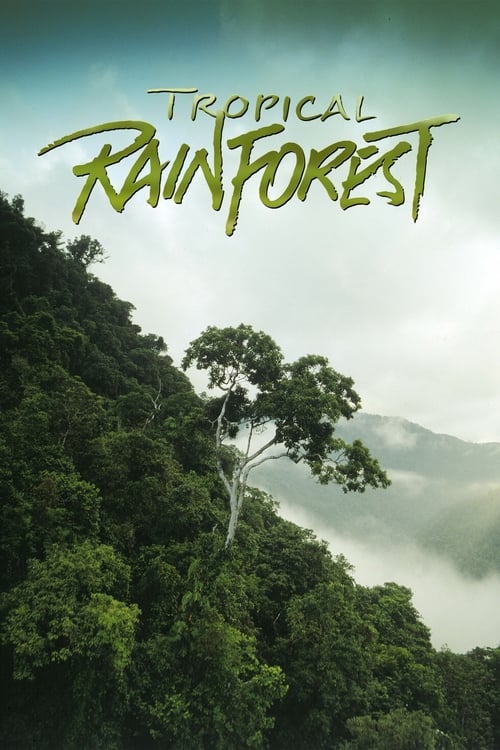
The story of the evolution of tropical rain forests, their recent and rapid destruction, and the intense efforts of scientists to understand them even as they disappear. This film gives viewers a better appreciation of the importance of tropical rain forests on a global scale.
Most people were first exposed to Michael C. Ruppert through the 2009 documentary, Collapse, directed by Chris Smith. Apocalypse, Man is an intimate portrait of a man convinced of the imminent collapse of the world, but with answers to how the human spirit can survive the impending apocalypse.
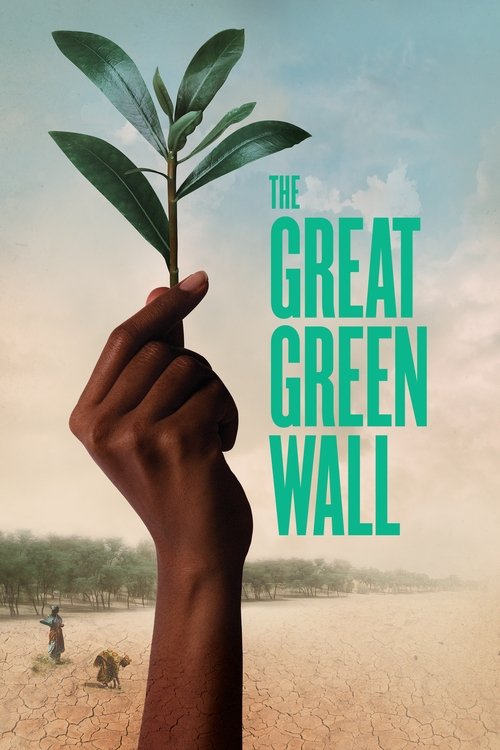
An epic journey along Africa's Great Green Wall — an ambitious vision to grow a wall of trees stretching across the entire continent to fight against increasing drought, desertification and climate change.
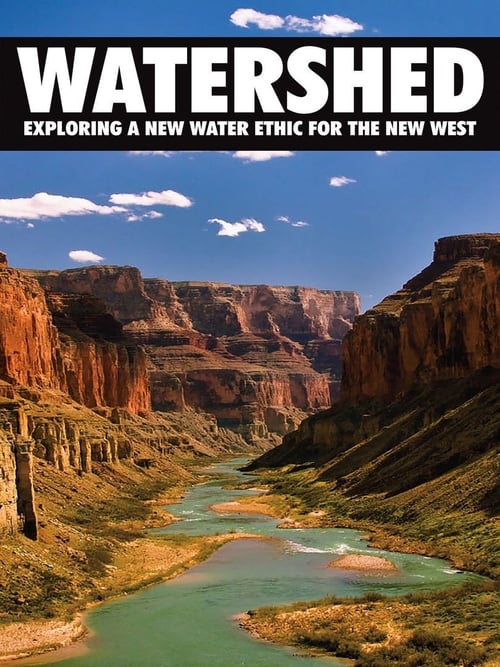
As the most dammed, dibbed, and diverted river in the world struggles to support thirty million people and the peace-keeping agreement known as the Colorado River Pact reaches its limits, WATERSHED introduces hope. Can we meet the needs of a growing population in the face of rising temperatures and lower rainfall in an already arid land? Can we find harmony amongst the competing interests of cities, agriculture, industry, recreation, wildlife, and indigenous communities with rights to the water? Sweeping through seven U.S. and two Mexican states, the Colorado River is a lifeline to expanding populations and booming urban centers that demand water for drinking, sanitation and energy generation. And with 70% of the rivers’ water supporting agriculture, the river already runs dry before it reaches its natural end at the Gulf of California. Unless action is taken, the river will continue its retreat – a potentially catastrophic scenario for the millions who depend on it.
As more and more of us use and replace electronic devices, manufacturers have failed to offer solutions for how to deal with the resulting waste. Much of it is exported to a toxic dump in Ghana, where scavengers do their best to salvage what they can.
A feature documentary about the journey of mankind to discover our true force and who we truly are. It is a quest through science and consciousness, individual and planetary, exploring our relationships with ourselves, the world around us and the universe as a whole.
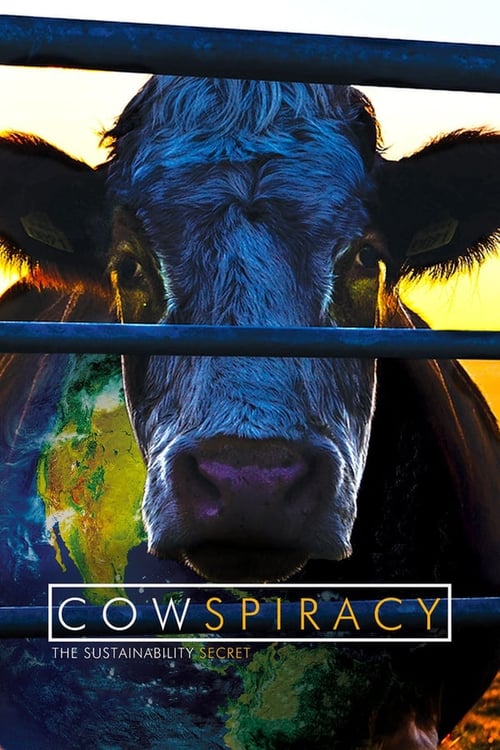
Follow the shocking, yet humorous, journey of an aspiring environmentalist, as he daringly seeks to find the real solution to the most pressing environmental issues and true path to sustainability.
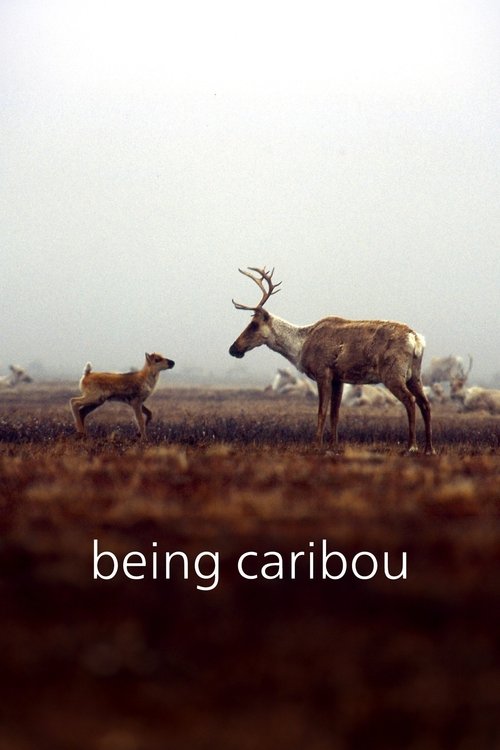
Wildlife biologist Karsten Heuer and his wife, environmentalist Leanne Allison follow a herd of 120,000 caribou on foot across 1500 km of Arctic tundra, hoping to raise awareness of the threats to the caribou's survival. Along this journey, they brave torrid conditions, dangerous wildlife and treacherous terrain all in the hopes of learning the truth about this epic migration.
Made for screening at the U.S. Pavilion at the 1974 World's Fair in Spokane Washington, USA, which had a Native-American environmental theme, MAN BELONGS TO THE EARTH depicts the history of air, water, and earth pollution, and how environmentalists are trying to solve these problems using various technologies.