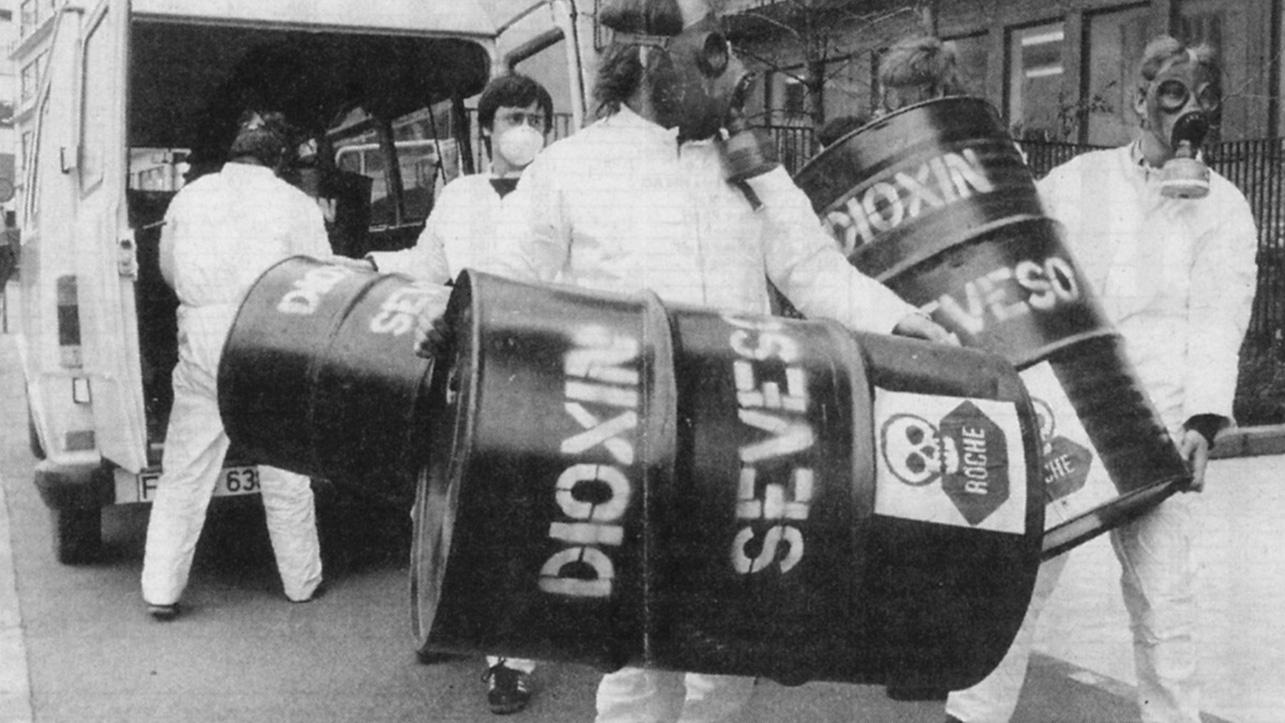
In 1976, a nuclear reactor near the Italian town of Seveso explodes, leaking highly poisonous dioxin into the atmosphere.
No Trailers found.
self
800 million units circulate around the globe. It is the largest contributor to air pollution worldwide and accounts for 8,300 deaths every day. And every night it sleeps in your garage.
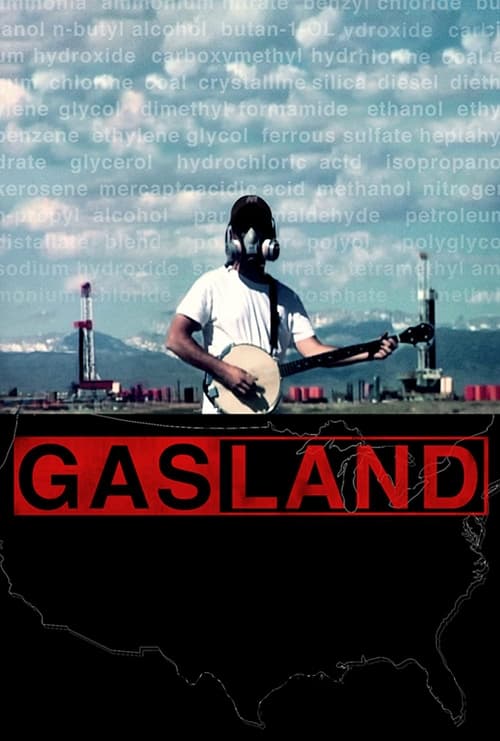
It is happening all across America-rural landowners wake up one day to find a lucrative offer from an energy company wanting to lease their property. Reason? The company hopes to tap into a reservoir dubbed the "Saudi Arabia of natural gas." Halliburton developed a way to get the gas out of the ground-a hydraulic drilling process called "fracking"-and suddenly America finds itself on the precipice of becoming an energy superpower.
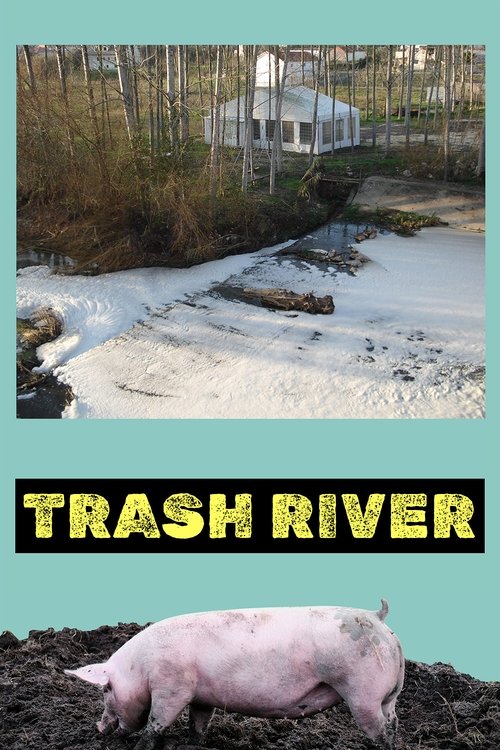
River Lis runs polluted through Leiria. It's been 50 years since the first pig farm was installed in the region. Since then, people have lived with the consequences of countless crimes against the environment and a shocking lack of justice. The children that remember when the water was clean, now grandparents, share their story of resistance and fight against pollution.
David Attenborough and scientist Johan Rockström examine Earth's biodiversity collapse and how this crisis can still be averted.
Earth's environmental crisis--brought about by uncontrolled technological progress--is endangering life on a global scale. At the core of the threats to the planet - wars, overpopulation, pollution, and the depletion of natural resources - is the inadequacy of the nation state to come to terms with the surmounting problems of twentieth century living. What is urgently needed is the kind of international cooperation where nation states relinquish part of their sovereignty to a world body entrusted with the management of mankind's future.
A cartoon film about the whole heterogeneous mixture of Canada and Canadians, and the way the invisible adhesive called federalism makes it all cling together. That the dissenting voices are many is made amply evident, in English and French. But this animated message also shows that Canadians can laugh at themselves and work out their problems objectively.
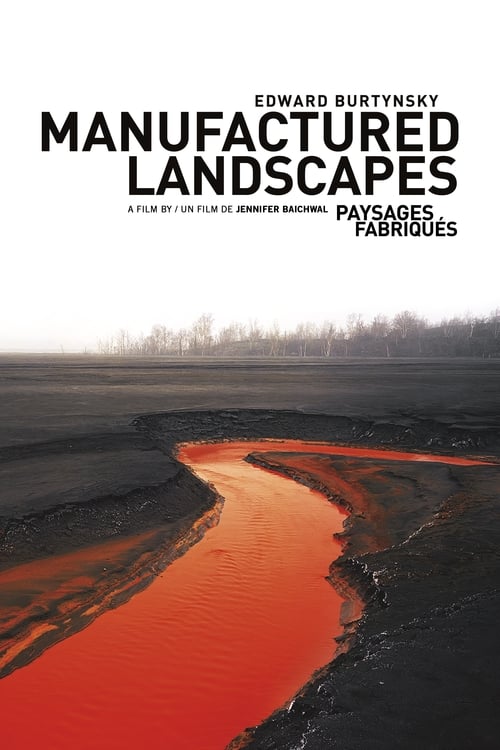
MANUFACTURED LANDSCAPES is the striking new documentary on the world and work of renowned artist Edward Burtynsky. Internationally acclaimed for his large-scale photographs of “manufactured landscapes”—quarries, recycling yards, factories, mines and dams—Burtynsky creates stunningly beautiful art from civilization’s materials and debris.
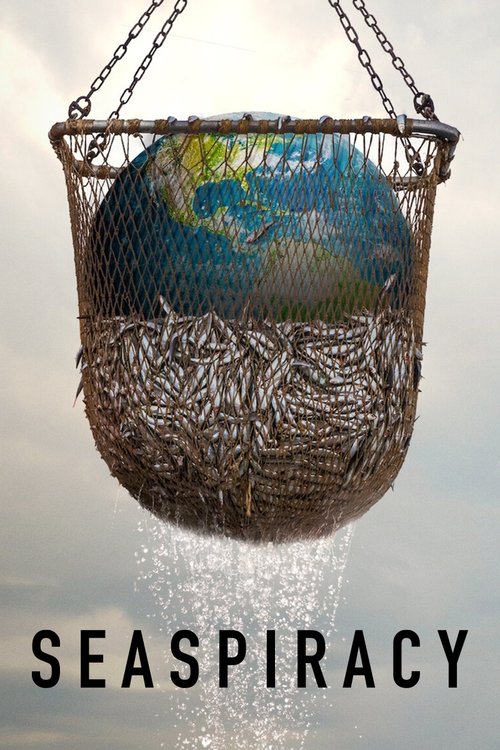
Passionate about ocean life, a filmmaker sets out to document the harm that humans do to marine species — and uncovers an alarming global conspiracy.
The third installment in one of the most disturbing shockumentary series ever made, and it gets even more sick! Includes an autopsy of an unfortunately real dead infant, a cooking tutorial on road-kill, a walk-through of an abandoned house cleared after the homicide of an exchange-student, and a video of re-enactments of workplace incidents.
The environmental problems caused by fracking in America have been well publicized but what's less known are the gas industry's plans for expansion in other countries. This investigation, filmed in Botswana, South Africa and North America, reveals how gas companies are quietly invading some of the most protected places on the planet.
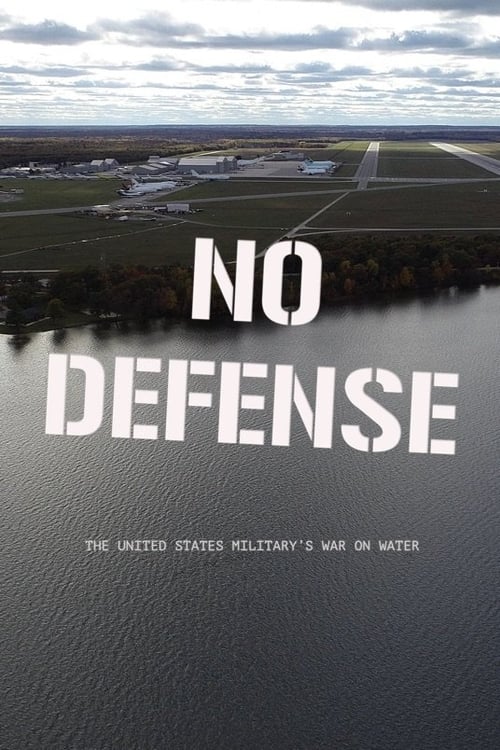
The story of the Americans who are fighting against one of the largest- known polluters in the country - the United States military.
No overview available.
A compilation of conferences/debates between renowned designers, environmental activists, and students on the concept of design. Held in Aspen, Colorado, USA.
Something is bad wrong as everyday Americans fight to protect their air, water and blood from pollution.
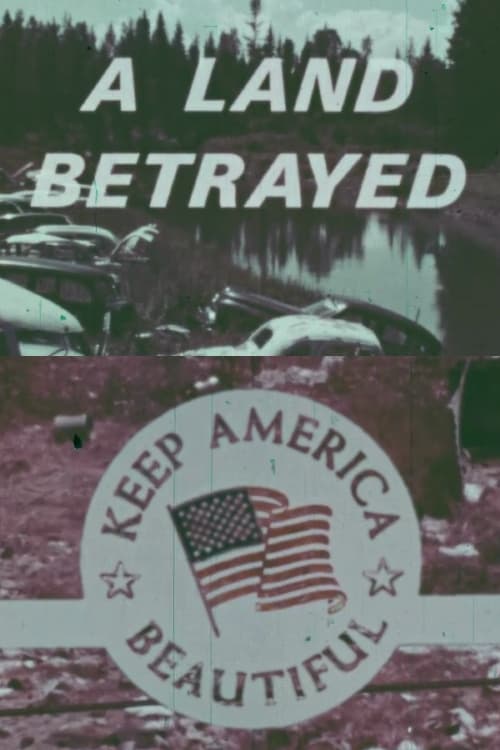
Produced by Alfred Higgins Productions with assistance from the University of Missouri-Columbia’s Academic Support Center Film Library, Keep America Beautiful, Inc., and Keep Los Angeles Beautiful, Inc., the 1963 short film A Land Betrayed examines the various ways people have spread the “cancer of ugliness” across America and offers call-to-action solutions to combat the nation-wide problem.
Yannick Bellon's documentary paints a portrait of a city torn between the problem of unsanitary housing, pollution corroding walls and statues, and the recurring and increasing floods—all consequences of human activity. Faced with job shortages and rampant speculation, the overarching question arises of how industries can coexist with the city of Venice. Allowing them to develop risks destroying it; driving them out risks turning it into a museum, causing its inhabitants, and thus its soul, to leave.
In the cobalt mining areas of Katanga in the Democratic Republic of the Congo (DRC), babies are being born with horrific birth defects. Scientists and doctors are finding increasing evidence of environmental pollution from industrial mining which, they believe, may be the cause of a range of malformations from cleft palate to some so serious the baby is stillborn. More than 60% of the world’s reserves of cobalt are in the DRC and this mineral is essential for the production of electric car batteries, which may be the key to reducing carbon emissions and to slowing climate change. In The Cost of Cobalt we meet the doctors treating the children affected and the scientists who are measuring the pollution. Cobalt may be part of the global solution to climate change, but is it right that Congo’s next generation pay the price with their health? Many are hoping that the more the world understands their plight, the more pressure will be put on the industry here to clean up its act.
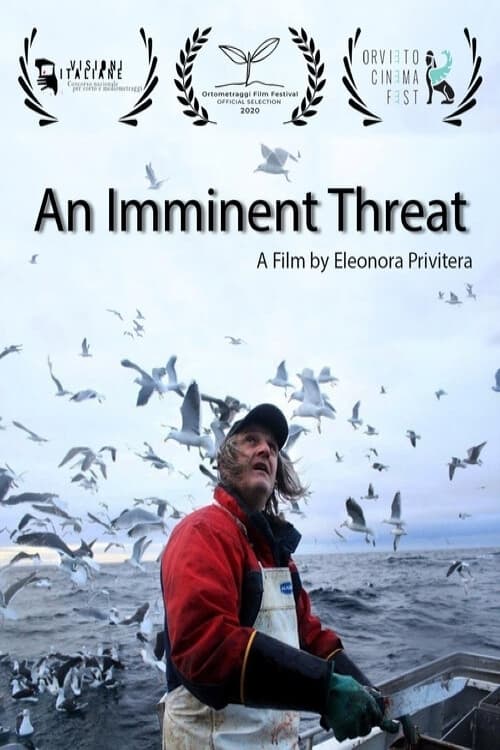
“An Imminent Threat” follows a fisherman activist, Yngve Larsen, who fights against oil and gas drilling activities in north of Norway. Will Yngve succeed in avoiding the extinction of many species of fish and thus irreversible damage to our planet?
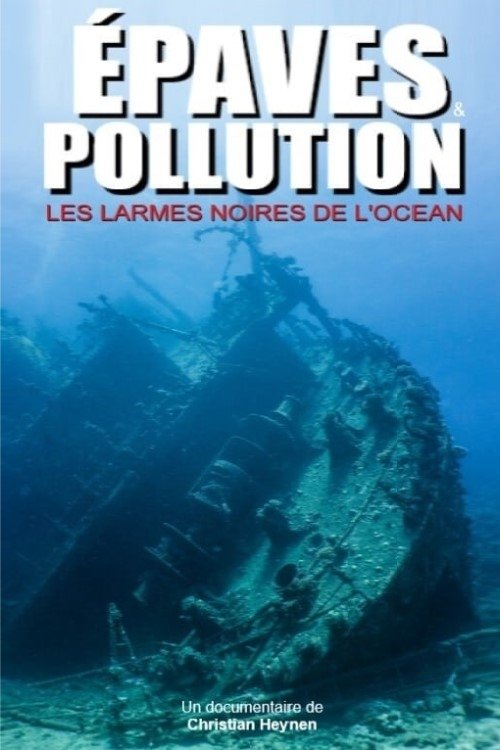
There are ticking time bombs off the coasts of the world, of which the public has hardly been aware: 6,300 wrecks, sunk during the Second World War, have been rusting in the sea for more than 70 years. Researchers estimate the amount of oil remaining in them at up to 15 million tons. What can be done to prevent an oil slick?