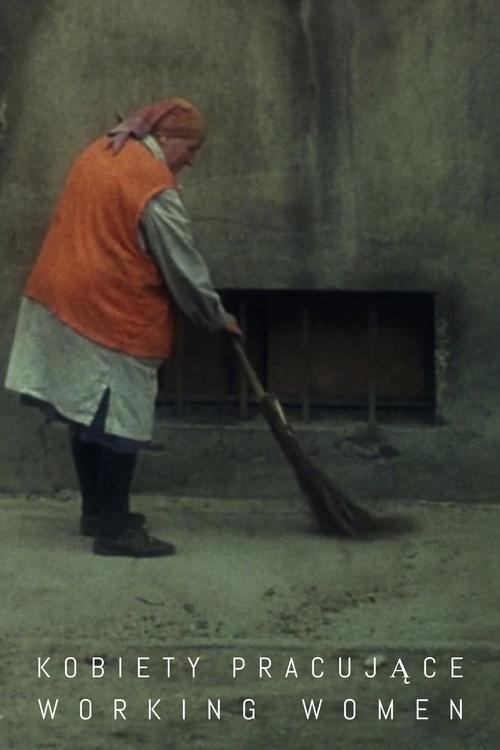
This documentary follows a group of women on a typical workday as they prepare meals for a dockyard in Rostock. The viewer never learns their names - there are no interviews. The women are presented simply as workers: cooking, cleaning, hauling, and serving dishes amid clanking pots and hot steam.
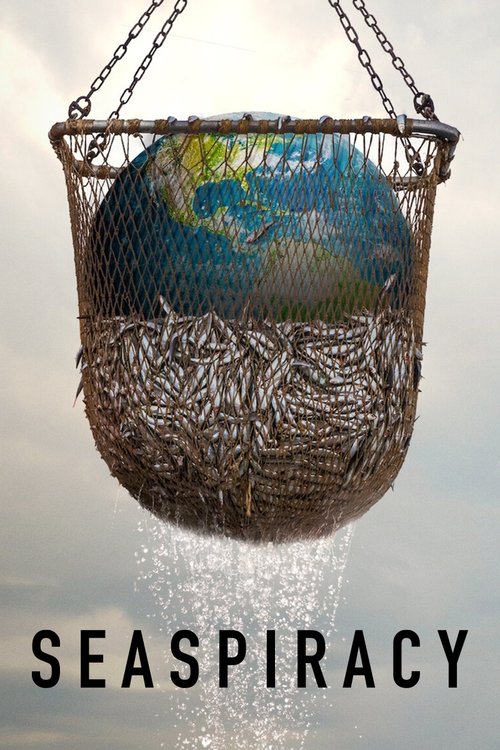
Passionate about ocean life, a filmmaker sets out to document the harm that humans do to marine species — and uncovers an alarming global conspiracy.
Filmed over a period of 3 years, this video work is a meditation on the borderline of the river Tejo, between Marvila and Barreiro. A psychogeographic piece that seeks out a feeling of doubt, inertia, and waiting. "Two sides, along the boundary line All the weight of the water above Metal arms extended to the heavens As if the sky was tilting to meet them And those giants again; Four by four . . . . all in a line, up against the tide."
Earth's environmental crisis--brought about by uncontrolled technological progress--is endangering life on a global scale. At the core of the threats to the planet - wars, overpopulation, pollution, and the depletion of natural resources - is the inadequacy of the nation state to come to terms with the surmounting problems of twentieth century living. What is urgently needed is the kind of international cooperation where nation states relinquish part of their sovereignty to a world body entrusted with the management of mankind's future.
Yannick Bellon's documentary paints a portrait of a city torn between the problem of unsanitary housing, pollution corroding walls and statues, and the recurring and increasing floods—all consequences of human activity. Faced with job shortages and rampant speculation, the overarching question arises of how industries can coexist with the city of Venice. Allowing them to develop risks destroying it; driving them out risks turning it into a museum, causing its inhabitants, and thus its soul, to leave.
No overview available.
Lee Anne Schmitt explores California's landscape and past to document the history of one-time boom towns built and abandoned by the industries that necessitated their creation. Sold as a limitless land expansive with free opportunity, California was actually, from its onset, fissured by the interwoven needs of private and public interests. Schmitt's film covers various locations through time, as the major industries of the early 20th century (mining, lumber, oil) give way to the military, eventually leading to multinational corporations, and the use of small towns as satellites for growing urban metropolises.
Whales beached after ingesting plastic, oceans soiled: a quarter of marine waste today comes from cans and plastic bottles. The drinks industry produces 470 billion single-use bottles each year, 25% of which come from Coca-Cola. Although the world's largest soft drink producer has set ambitious targets to prevent this environmental pollution, it has often failed to do so. In the 1950s, the company sold its drink exclusively in returnable glass bottles, which it washed and refilled. Two decades later, these were replaced by disposable bottles - a decision whose devastating effects still linger.
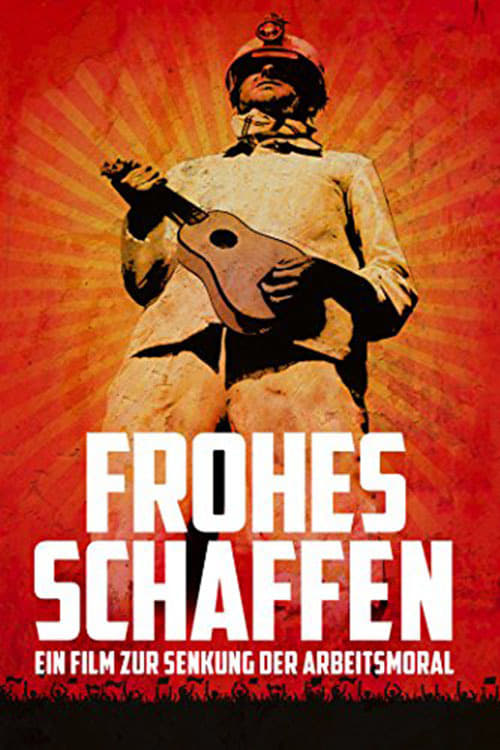
It is a fetish, a mantra, a secret religion to modern man: work. In times of the financial crisis and massive job reductions, this documentary movie questions work as our 'hallow' sense in life in a way that both humors and pains us.
You've never heard of Jonathan Hoefler or Tobias Frere-Jones but you've seen their work. They run the most successful and respected type design studio in the world, making fonts used by the Wall Street Journal to the President of the United States.
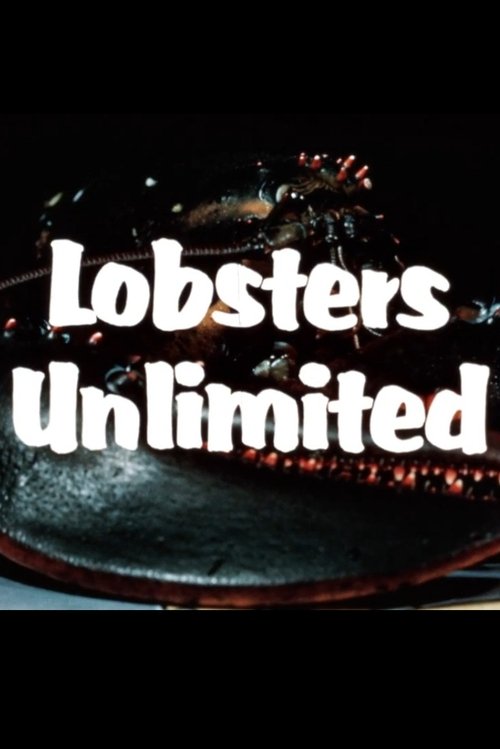
An overview of the lobster fishing industry in Nova Scotia.
The environmental problems caused by fracking in America have been well publicized but what's less known are the gas industry's plans for expansion in other countries. This investigation, filmed in Botswana, South Africa and North America, reveals how gas companies are quietly invading some of the most protected places on the planet.
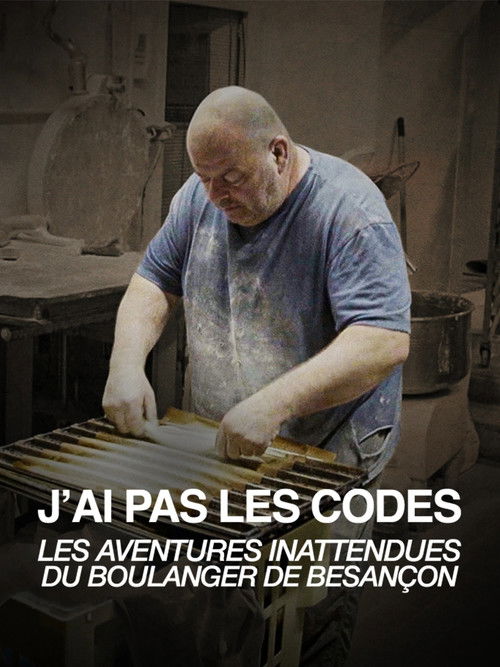
This is the story of an ordinary man transformed by history. A simple baker from Besançon who became a political symbol of resistance. That of a France that knows how much it needs others to grow. Of working classes rejecting the siren calls of populism. He says: "I was nothing and I became a monster" to express the vertigo of his transformation. And so the baker entered politics, visited the United States in the footsteps of Martin Luther King, brought aid to the Ukrainians, and ran for legislative elections. Fearless. Fighting with all his heart. It is this inspiring, touching, and funny human epic that Pedro da Fonseca's camera followed closely, capturing his doubts, his hesitations, and his emotions.
Stylized with dramatic interiors and a distorted frame rate, this early documentary miniature from Szulkin depicts six sequences of solitary, repetitious labor.
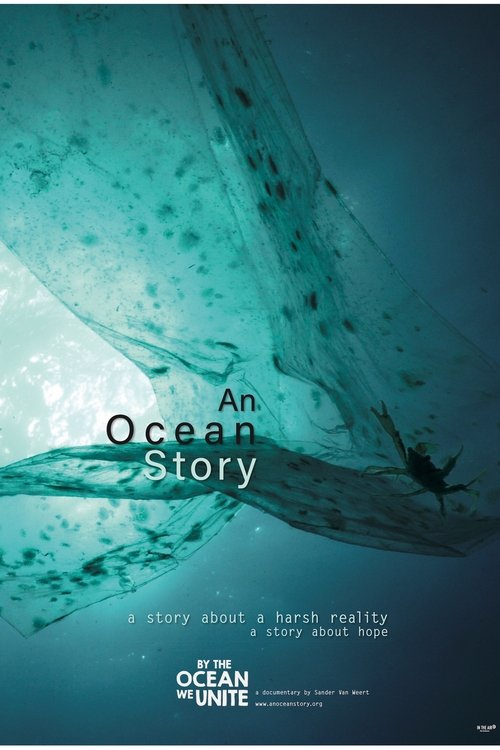
Increasing pollution, over fishing and climate change are major threats our oceans are currently facing worldwide. This documentary follows us on our journey as we film devastating consequences of these harsh realities.
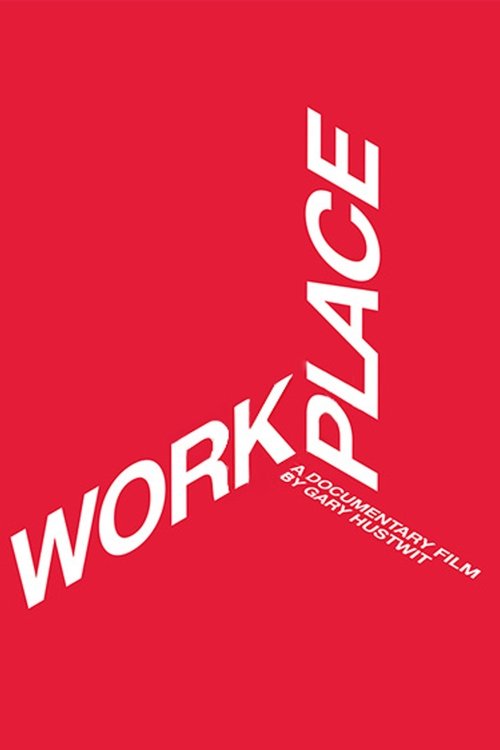
Workplace is a documentary made by Gary Hustwit, in association with R/GA, for the 2016 Venice Architecture Biennale.Workplace is about the past, present, and future of the office. It looks at the thinking, innovation, and experimentation involved in trying to create the next evolution of what the office could be. The film follows the design and construction of the New York headquarters of digital agency R/GA (in collaboration with architects Foster + Partners) who have been experimenting with how physical and digital space can better interact. Digital technology has radically changed how and where most of us work, but the physical spaces we work in haven’t kept up with that transformation.
The video is accompanied by a richly detailed article that adds more depth to the documentary. If there’s any question about why Hollywood is dead set against the unionization of vfx artists, the following graphic from the article will answer the question: vfx artists comprise the biggest portion of the crew on most Hollywood blockbusters.
Claude Lelouch was a Jewish child in occupied France. In this documentary, he talks about the trauma he still feels from that experience, but also how it inspired him to become a filmmaker. The 1940s appear to be a formative period, key to understanding the work and career of this famous director, whose films and life have always been inseparable.
No Cast found.
No Trailers found.