No Trailers found.
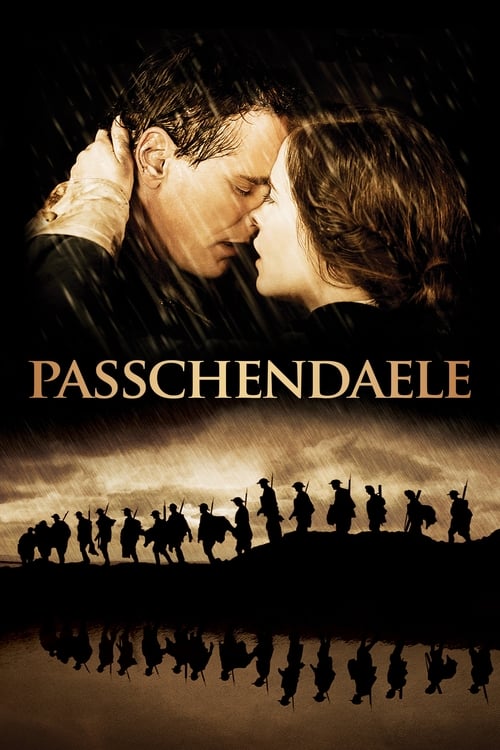
Sergeant Michael Dunne fights in the 10th Battalion, AKA The "Fighting Tenth" with the 1st Canadian Division and participated in all major Canadian battles of the war, and set the record for highest number of individual bravery awards for a single battle
No Measure of Health profiles Kyle Magee, an anti-advertising activist from Melbourne, Australia, who for the past 10 years has been going out into public spaces and covering over for-profit advertising in various ways. The film is a snapshot of his latest approach, which is to black-out advertising panels in protest of the way the media system, which is funded by advertising, is dominated by for-profit interests that have taken over public spaces and discourse. Kyle’s view is that real democracy requires a democratic media system, not one funded and controlled by the rich. As this film follows Kyle on a regular day of action, he reflects on fatherhood, democracy, what drives the protest, and his struggle with depression, as we learn that “it is no measure of health to be well adjusted to a profoundly sick society.”
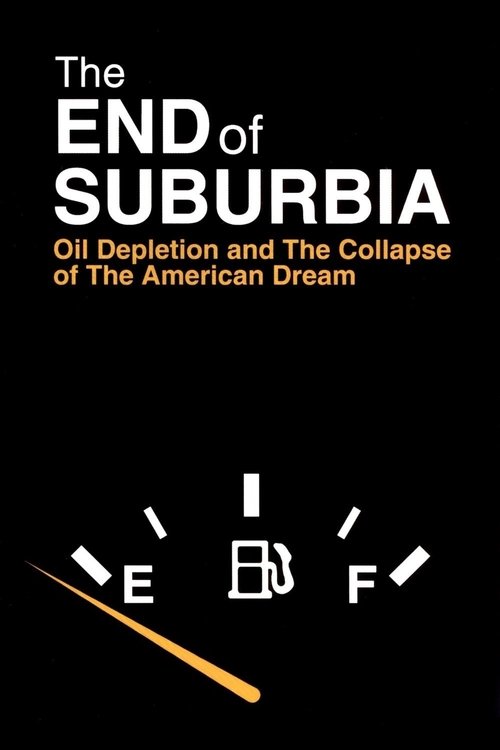
Since World War II North Americans have invested much of their newfound wealth in suburbia. It has promised a sense of space, affordability, family life and upward mobility. As the population of suburban sprawl has exploded in the past 50 years Suburbia, and all it promises, has become the American Dream. But as we enter the 21st century, serious questions are beginning to emerge...
A social comedy play that sheds light on conscription in Kuwait at the time of the presentation of the play, through the slaves of the fugitive from recruitment, who is arrested and introduced to conscription, and we see what the recruit is exposed to during his presence in the camp.
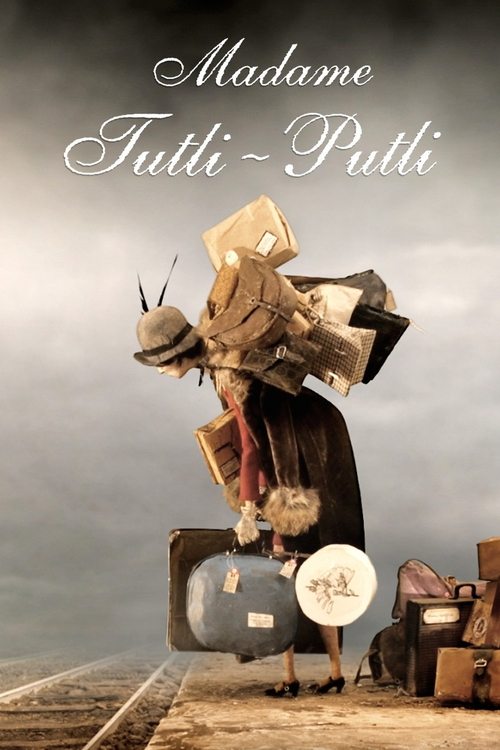
Madame Tutli-Putli boards the Night Train, weighed down with all her earthly possessions and the ghosts of her past. She travels alone, facing both the kindness and menace of strangers. As day descends into dark, she finds herself caught up in a desperate metaphysical adventure.
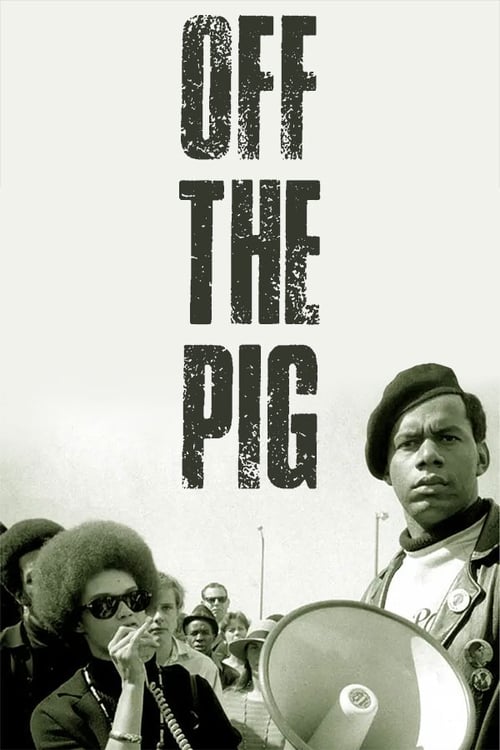
A compelling document of the Black Panther Party leadership in 1967. This film contains a prison interview with Minister of Defense Huey P. Newton as well as an interview with Minister of Information Eldridge Cleaver, footage of the aftermath of the police assault against the Los Angeles Chapter headquarters, demonstrations to free Huey at Hutton Memorial Park and the Alameda County Court House and a recitation of the party's Ten-Point Platform by co-founder Bobby Seale. Newsreel's 19th, and one of their most widely distributed films, it was originally released as "Off the Pig," but has since seen release under the name Black Panther. This short film features drawings from activist artist Emory Douglas.
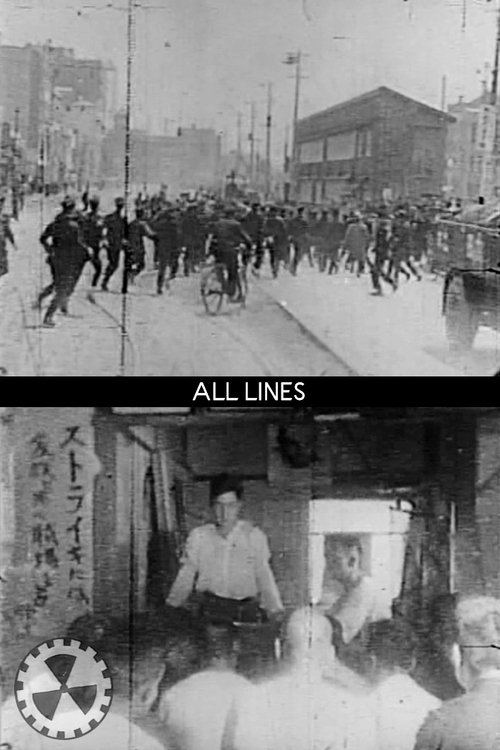
This was a news film with elements of reenactment. From December 1927 to 1932, 2,000 bus and train drivers were fired, provoking a strike. This film was edited out of footage shot from that strike over a long period.
Deep within Buenos Aires's labyrinthine subway system, a train mysteriously disappears along with its 30 passengers. The subway officials are greatly troubled and call in topographer Daniel Pratt to help them find it. Unfortunately, the tunnels are so vast and complex, that Pratt needs his mentor Hugo Mistein to help him. Unfortunately, he has vanished too.
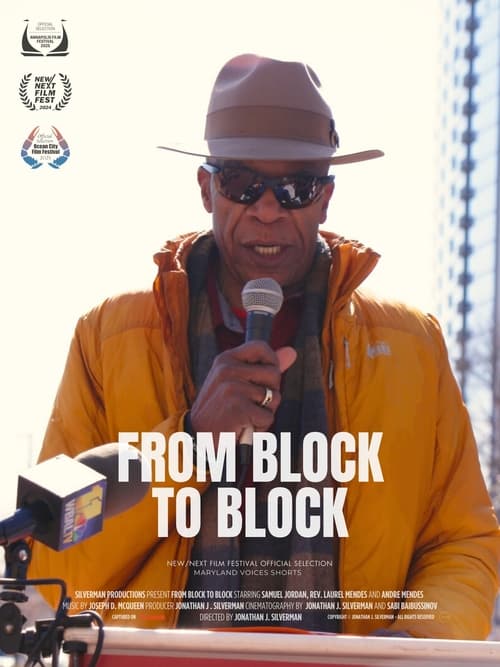
A small group of activists take on systemic racism and prejudice in Baltimore's public transportation, battling against the odds to create a brighter future for their community.
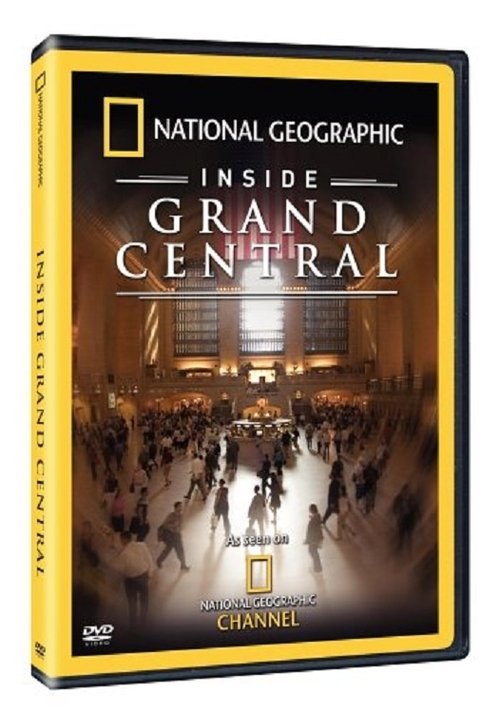
In the heart of New York City stands Grand Central Terminal. Explore the magnificent secrets of this iconic landmark as we take you inside the heart, soul and amazing engineering of this superstructure. From railroad cars to rush hours, we unlock the colorful tales of its past, present and future.
A Kuwaiti Comedy Play Starring Hassan Al Ballam.
Looking to investigate recruitment techniques of ISIS to lure women into Syria, a journalist creates a Facebook profile of a Muslim convert. When an ISIS recruiter contacts her online character, she experiences the process first hand.
The Ministry of Labour exhorts women to return to industry – the post-war production drive depends on them.
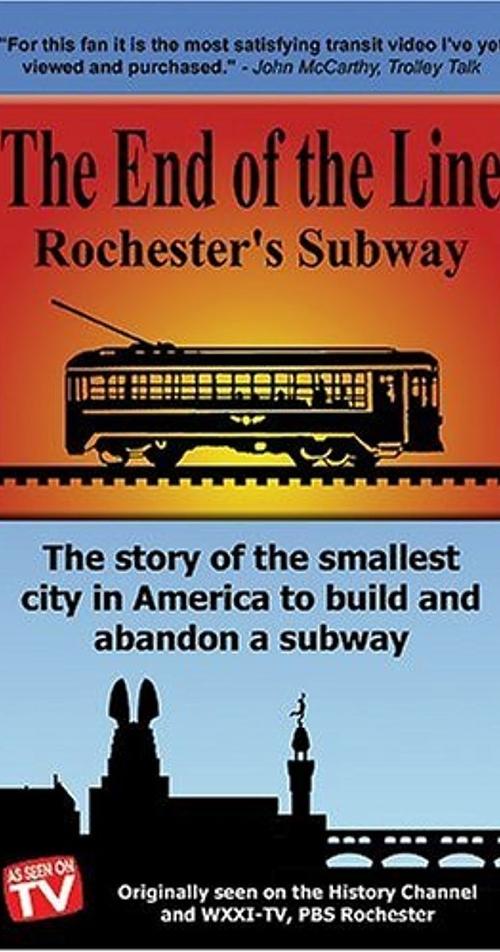
"The End of the Line - Rochester's Subway" tells the little-known story of the rail line that operated in a former section of the Erie Canal from 1927 until its abandonment in 1956. Produced in 1994 by filmmakers Fredrick Armstrong and James P. Harte, the forty-five minute documentary recounts the tale of an American city's bumpy ride through the Twentieth Century, from the perspective of a little engine that could, but didn't. The film has since been rereleased (2005) and now contains the main feature with special portions that were added as part of the rereleased version. These include a look at the only surviving subway car from the lines and a Phantom tun through the tunnels in their abandoned state, among others, for a total of 90 minutes of unique and well preserved historical information.
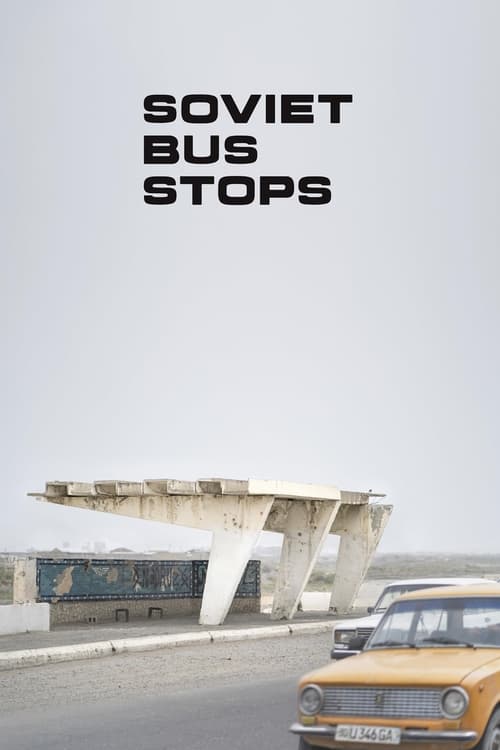
“There’s a bus stop I want to photograph.” This may sound like a parody of an esoteric festival film, but Canadian Christopher Herwig’s photography project is entirely in earnest, and likely you will be won over by his passion for this unusual subject within the first five minutes. Soviet architecture of the 1960s and 70s was by and large utilitarian, regimented, and mass-produced. Yet the bus stops Herwig discovers on his journeys criss-crossing the vast former Soviet Bloc are something else entirely: whimsical, eccentric, flamboyantly artistic, audacious, colourful. They speak of individualism and locality, concepts anathema to the Communist doctrine. Herwig wants to know how this came to pass and tracks down some of the original unsung designers, but above all he wants to capture these exceptional roadside way stations on film before they disappear.
No overview available.