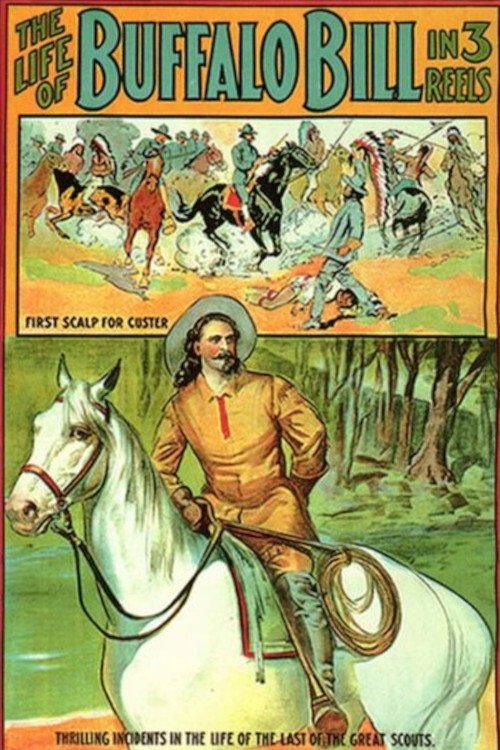
While on a vacation, an elderly Buffalo Bill dreams of his adventures as a young man when he scouted for the cavalry, fought Indians and captured outlaws.
No Trailers found.
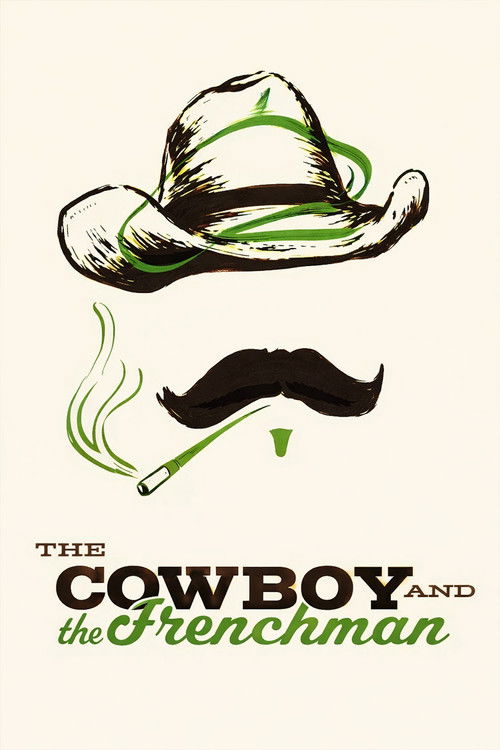
A grizzled, hard-of-hearing cowboy, Slim, and his two friends, Dusty and Pete, capture a mysterious, well-dressed Frenchman.
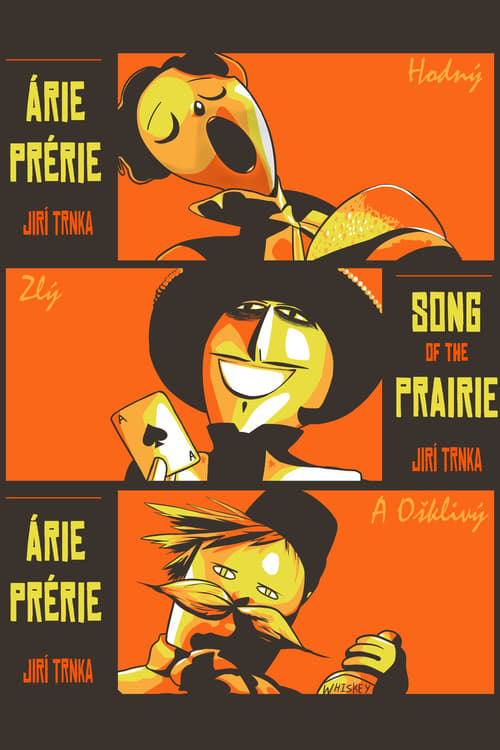
An animated singing western short in which a cowboy takes on the villain to save his beloved.
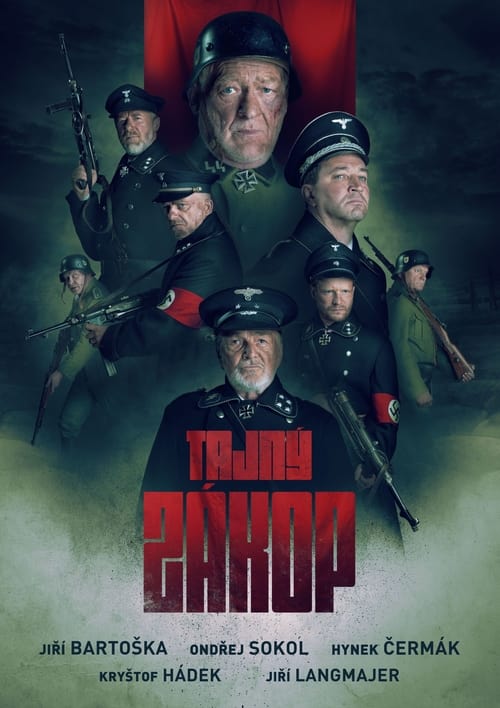
The war is coming to an end, and while some German officers fight with fanatical conviction until the very end, others begin to think about life after the war. The wealth that the Nazis hid in various places during the war attracts not only the Germans themselves, but also the secret services of the Allies. Their agents and feared commandos attempt to overcome the fierce fighting on the front lines and infiltrate the German army and the dreaded Gestapo.
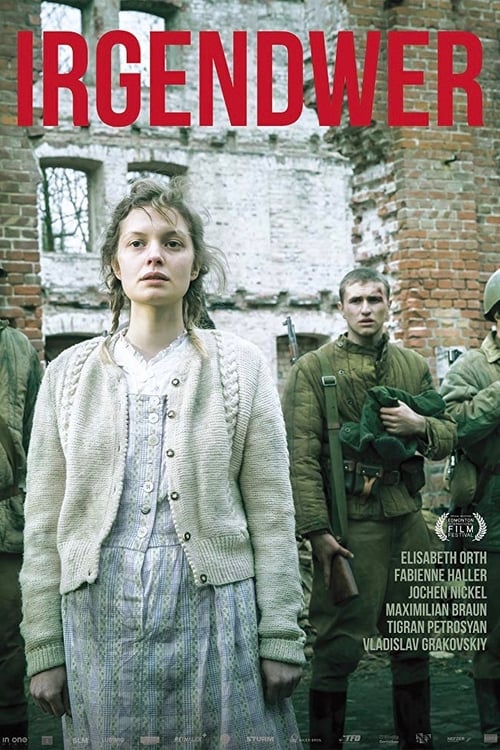
At the end of World War II, Red Army soldiers bent on brutal revenge for past atrocities attack a German city. Compassion comes from an unlikely source. Based on a true story.
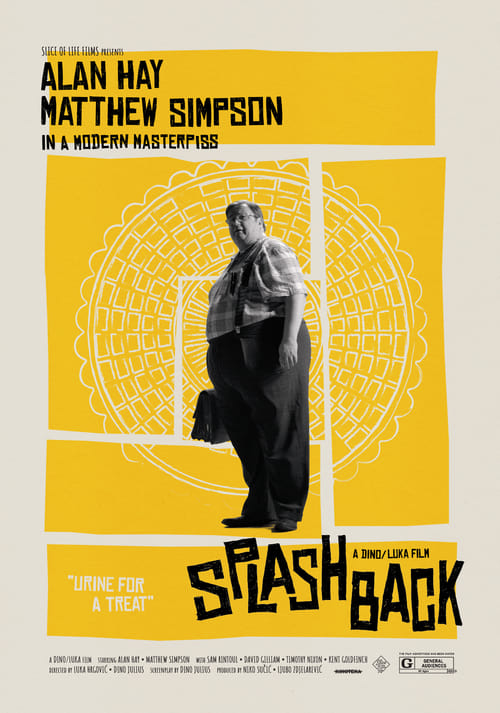
In the midst of one of the most significant moments in human history - the Moon landing - a guy working at a NASA warehouse has his own little passion project: the invention of the first urinal net.
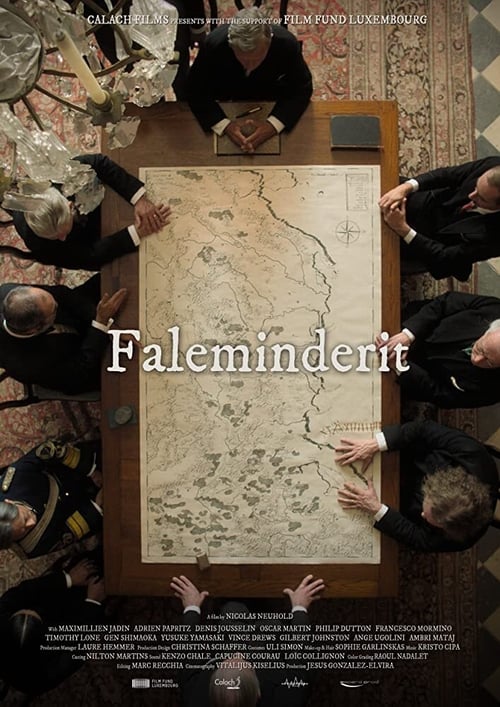
In 1921, Charles, a young Luxembourgish cartographer is sent to Albania as part of a border commission to gather information on the topography and the people of the region. The country has recently become independent, but it does not yet have clearly defined borders. Back in Paris, Charles gets to report to the Conference of Ambassadors. At first, he is overwhelmed by the impressive architecture and the intimidating grandeur of the event. However, he soon learns that the party of self-serving diplomats has little interest in the future of the people he has just met. With no representative of Albania even present, Charles feels the need to speak up for the young country. Despite breaking protocol in doing so, Charles shares an observation with the quarrelling diplomats that allows them to find a peaceful solution to the question of where to draw the urgently needed borders.
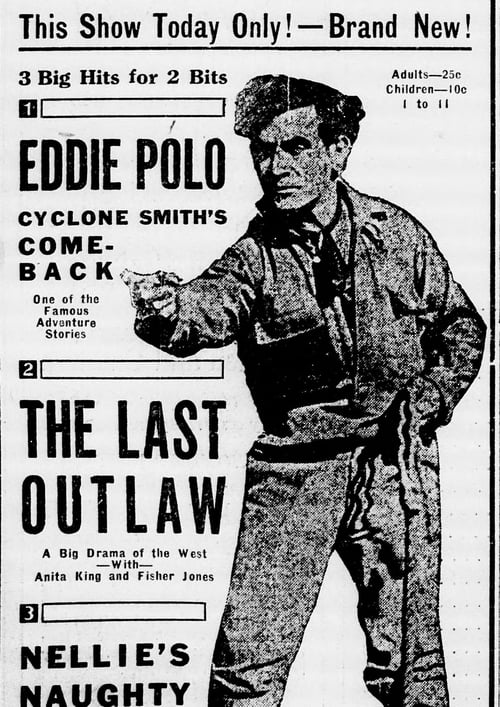
The Last Outlaw (1919) proved very tantalizing. An end-of-the-West Western, it shows its grizzled hero revisiting the town of his youthful exploits. But now, in an anticipation of Ride the High Country (1962), civilization has taken over. Cars chase Bud off the streets and the theatre features movies (Universal Bluebirds at that, a bit of product placement). Ford heightens the contrast by letting us into the hero’s memory, introduced by the title: “Memories of the past flashing back to him”—the earliest reference to the term “flashback” I recall seeing in the movies.
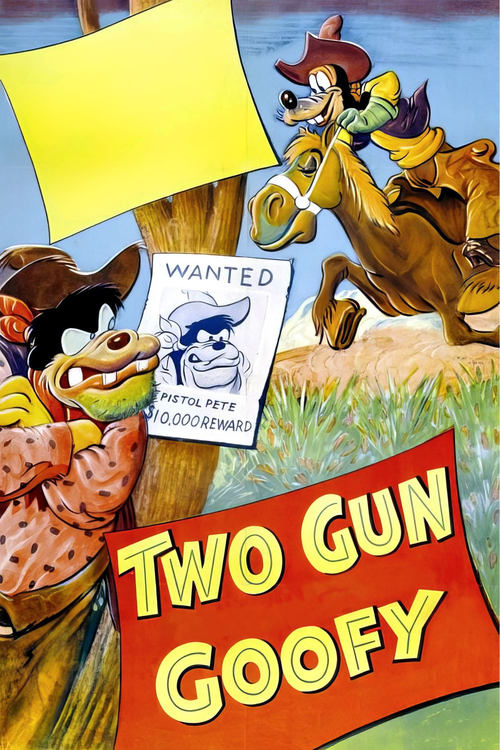
Bandit Pistol Pete enters a lawless western town and robs a bank. The town is in desperate need of a sheriff. Enter wandering cowboy Goofy who notices a pretty girl being held up in a stagecoach robbery by Pete. Lovestruck and completely oblivious to Pete, he foils the robbery while getting to know the girl better. This earns him a reputation as a great gunslinger and he is challenged to apprehend Pete. Pete tries to get his revenge on Goofy but every attempt backfires due to Goofy's clumsiness usually directed unintentionally at Pete.
At the core of a royal court unbalanced by the long absence of its King, where women seem to have disappeared along with reason, the Crown Prince is murdered. Wrapped in the plot of the promoters of a decaying libertine spirit, the heir’s brothers, a pair of twins united by the music they play together and their Valet, witness a hunt for the prepetator launched by the palace doctor's deduction. In the background of all the chatter rises the individual desire of the twins for the dynasty.
Set in 1912, 'Uisce Beatha' (Gaelic for Whiskey or Water Of Life) is the true story of Tom, a young Irish man who leaves his home in rural Ireland to cross the ocean on the ill-fated 'Titanic'. But a night of celebration beforehand results in a twist that will affect Tom's fate drastically....
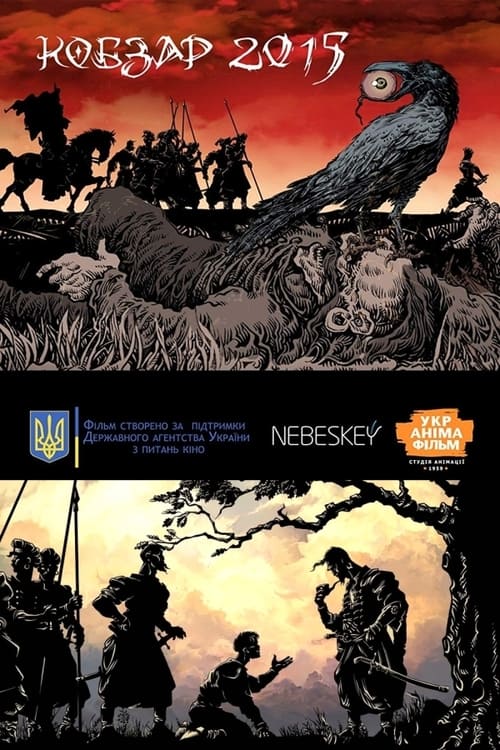
In the adaptation of a poem by Taras Shevchenko in the last third of XVIII a small fraction of 300 Cossacks who were enslaving their own people for Turkey and were executed by other Zaporizhian Sich Cossacks are reanimated as living dead at one cold night.
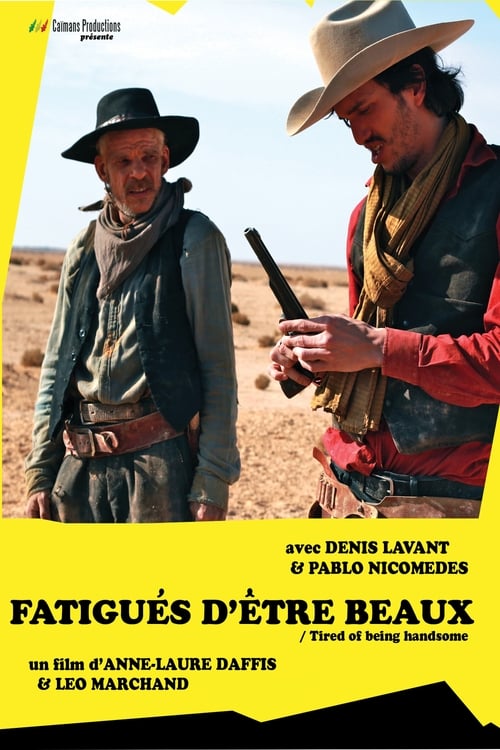
Two cowboys look for a bullet in the desert.
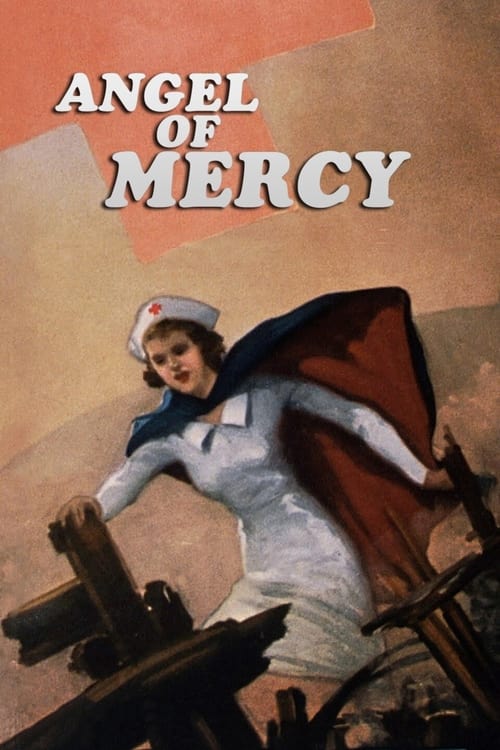
This MGM Passing Parade series short tells the story of Clara Barton, the founder of the Red Cross.
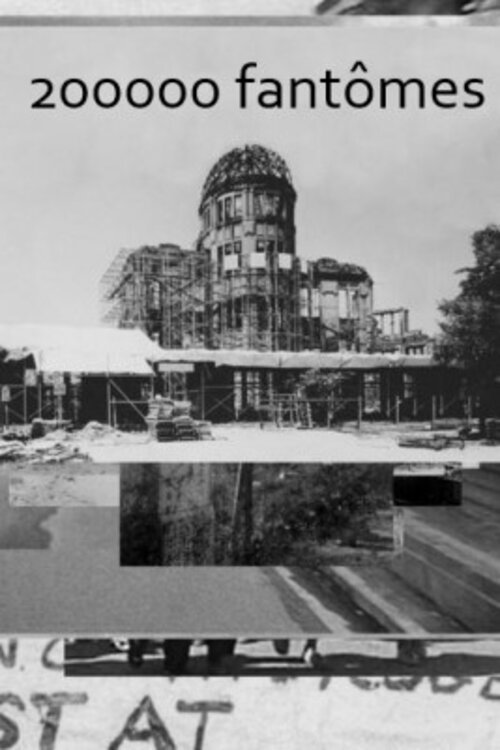
In 1914, the Czech architect Jan Letzel designed in the Japanese city of Hiroshima Center for the World Expo, which has turned into ruins after the atomic bombing in August 1945. “Atomic Dome” – all that remains of the destroyed palace of the exhibition – has become part of the Hiroshima memorial. In 2007, French sculptor, painter and film director Jean-Gabriel Périot assembled this cinematic collage from hundreds of multi-format, color and black and white photographs of different years’ of “Genbaku Dome”.
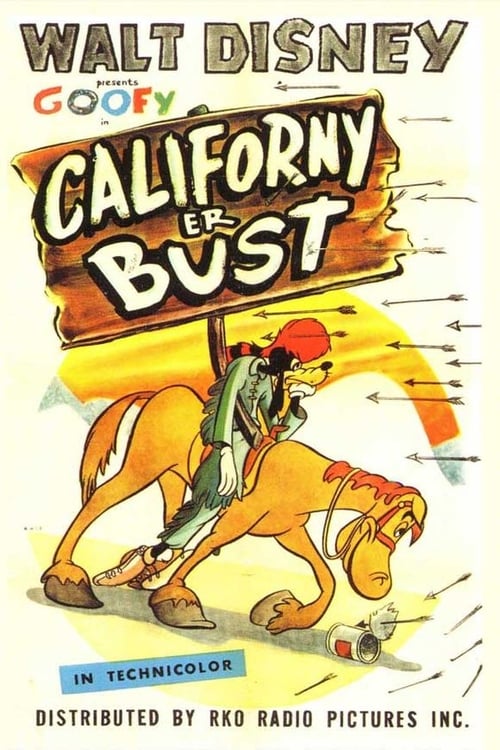
A narrator tells the story of how the Western pioneers (all being Goofy lookalikes) are travelling in covered wagons across the frontier. They run into some Indians (who are also Goofy lookalikes) and battle breaks out between them. Suddenly a tornado comes by and sweeps up the covered wagons, dropping them into various states such as "Wash", "Organ", and "Californy."
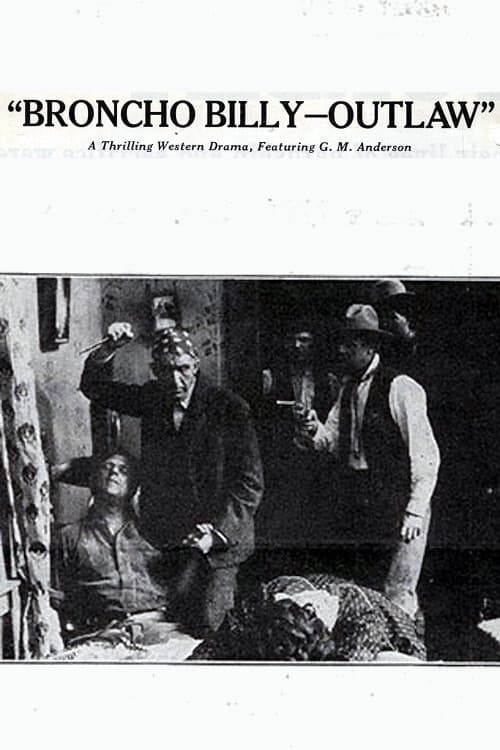
Carnos, a greaser, is sent to jail. He is a very refractory prisoner and swears to get even with the sheriff when he is liberated. On the day of the greaser's release, the sheriff had captured Broncho Billy, an outlaw, and was bringing him to justice, when he is suddenly pushed from his horse by the outlaw, and is left to wend his way across the plains afoot. Broncho Billy escapes on the sheriff's horse and unknowingly stops at the sheriff's home for food. Looking through a window he sees the greaser about to take the life of the sheriff's wife.
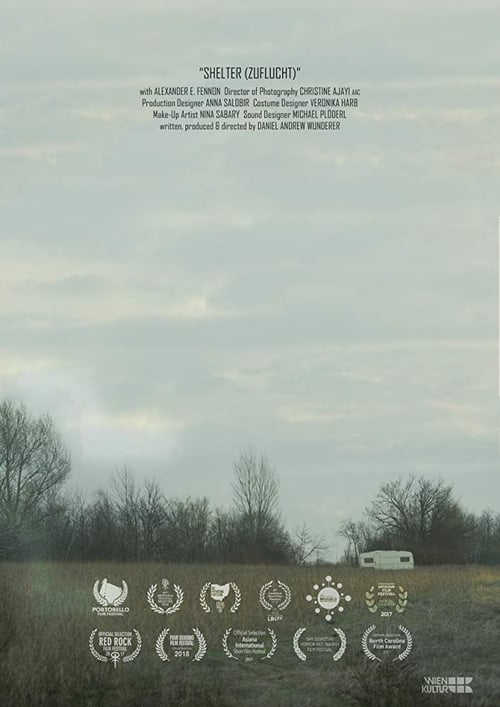
A man wanders through the wasteland, followed by dark clouds. He takes shelter in an abandoned trailer, where he discovers the corpse of a boy with strange wounds...
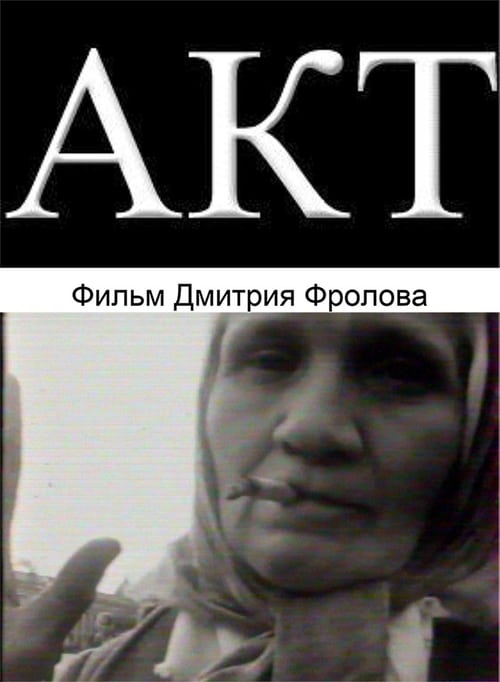
Several fragments of one day in Leningrad in the autumn of 1989, refracted in the imagination of the artist.
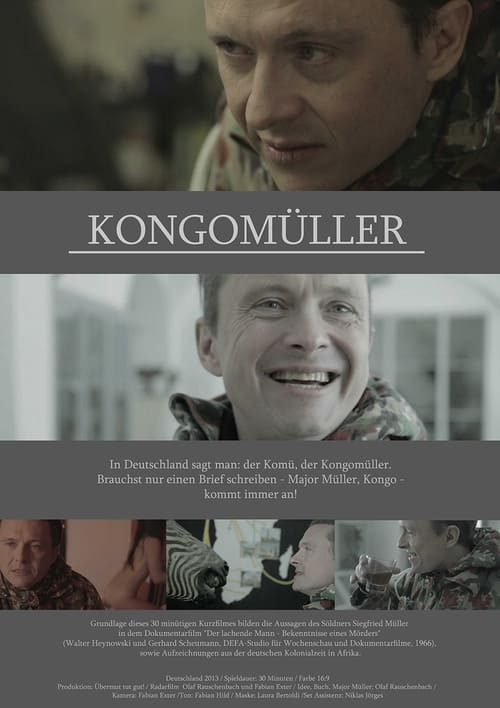
After numerous military operations, Major Müller can't find a way back into civilian life. Following his urge to communicate, the Major is looking for listeners and encouragement. He doesn't find either. Instead, the repeated monological memory of his own heroic deeds determines his present – with all the consequences. This 30-minute short film is based on the statements made by the mercenary Siegfried Müller in the documentary “The Laughing Man” (Walter Heynowski and Gerhard Scheumann, DEFA studio for newsreels and documentaries, 1966), as well as records from the German colonial period in Africa. An intensive contribution to the necessary public debate about the consequences of military operations.
Major Carter, owner of the Sunset mines, reads of a reward offered for Cheyenne Harry if captured. The butler gives him a telegram telling of the flooding of several shafts in his mine. He is soon on the way to the mine in his car. Ruth, his daughter, follows in her roadster.
Self