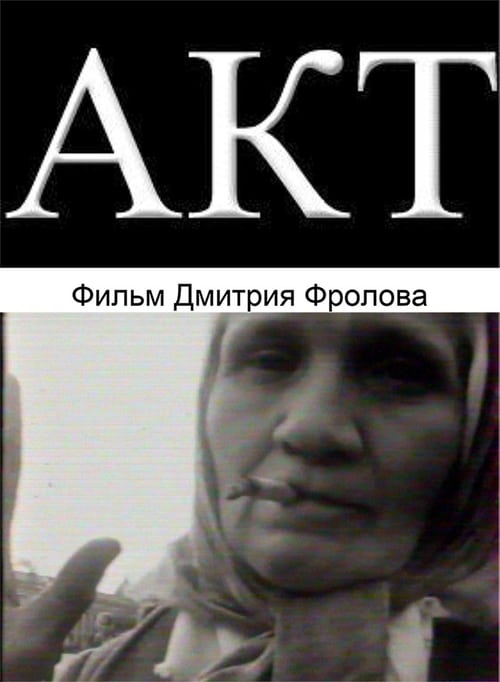
Several fragments of one day in Leningrad in the autumn of 1989, refracted in the imagination of the artist.
Todd and Cindy, possessive parents, decide to install a baby cam, the most advanced child surveillance system. But later, they discover that the cam cannot decode their child's fear.
Marketing film for Walt Disney World showing the creation of the new theme park, with footage of WED designers at work, actual construction, scale models, the Preview Center, and Walt Disney discussing his hopes for the project from an earlier 1966 film.
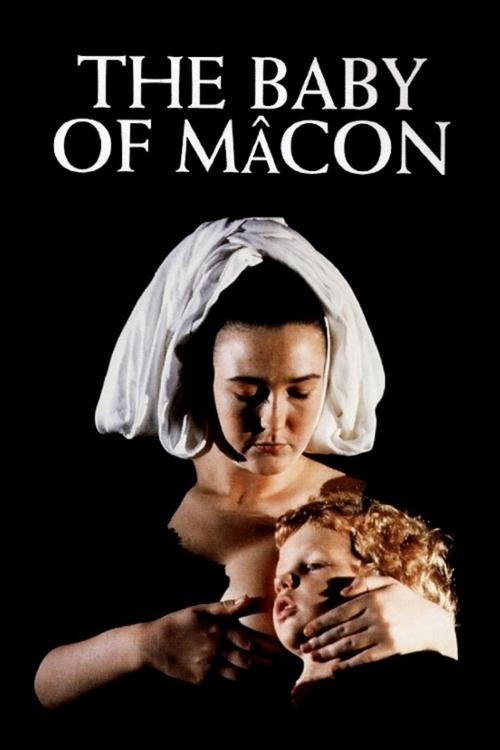
In 17th-century Tuscany, a church play is performed for the benefit of young aristocrat Cosimo. In the play, a grotesque old woman gives birth to a beautiful baby boy. The child's older sister is quick to exploit the situation, selling blessings from the baby, and even claiming she's the true mother by virgin birth. However, when she attempts to seduce the bishop's son, the Church exacts a terrible revenge.
Step back into the imaginative and frankly terrifying world of Becky & Joe with Don’t Hug Me I’m Scared. In this episode: Some things change over Time.
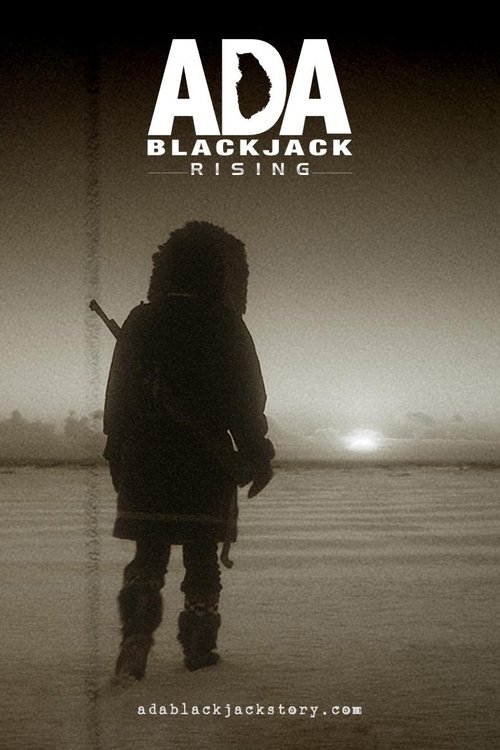
In the pre-dawn twilight of an Alaskan shore, a young Native woman reflects on the story of Ada Blackjack, the sole survivor of a disastrous 1921 Arctic expedition, and the loneliness she must have felt waiting for a rescue through the months-long polar night.
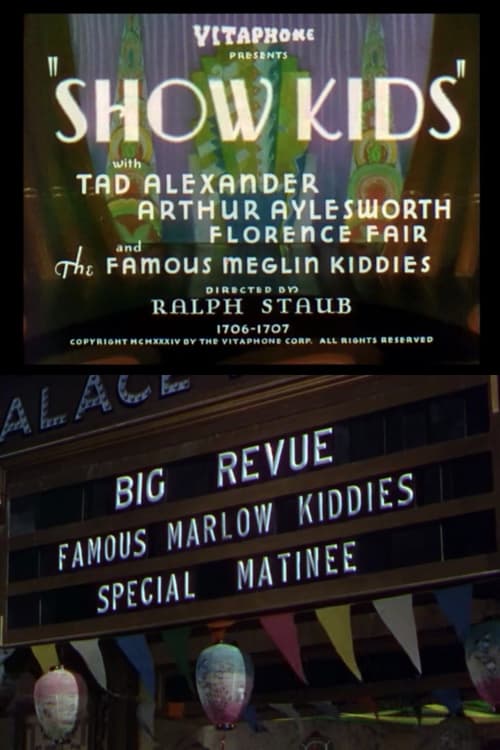
During the Great Depression, vaudeville has fallen on hard times. The Palace Theater may have to close its doors, unless the proprietor, William Jenkins, does something different, so he allows his 12-year-old son to put on a kiddie show that packs the house.
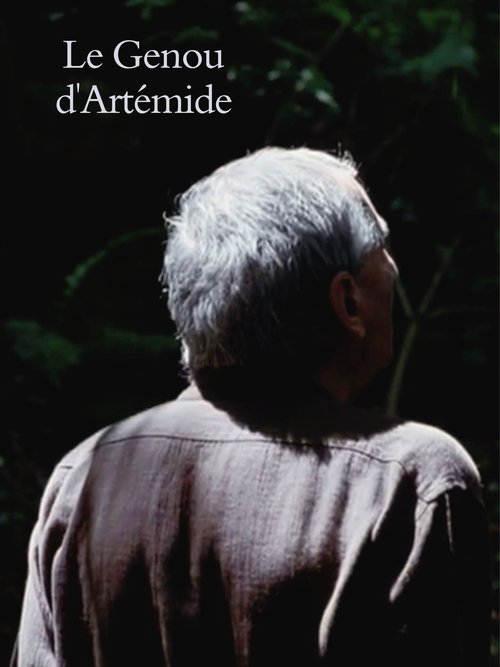
Mourning the death of his partner and collaborator Danièle Huillet, Straub finds tender mercy in music and nature. Out of the abyss, Kathleen Ferrier sings “The Farewell” from Gustav Mahler’s “The Song of the Earth”, (which the composer wrote in 1909 after the death of his daughter) and Heinrich Schütz’s Lament on the Death of His Wife. The landscape also provides solace: the mountain grove where Endymion pines for his beloved Artemis, “a wild thing, untouchable, mortal,” appears to embody the Japanese concept of ‘mono no aware’ — a wistful acceptance of the fleeting beauty of things.
Buster Brown creater R.F. Outcault sketches his creation. Part of the Buster Brown series for Edison film studio.
The film consists of a series of tightly interlinked vignettes, the most sustained of which details the story of a man and a woman who are passionately in love. Their attempts to consummate their passion are constantly thwarted, by their families, by the Church and bourgeois society in general.
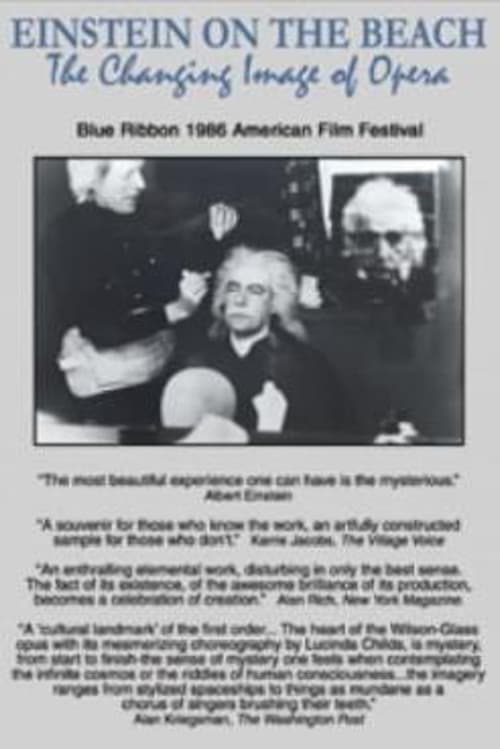
The creative processes of avant-garde composer Philip Glass and progressive director/designer Robert Wilson are examined in this film. It documents their collaboration on this tradition breaking opera.
Doris and Quinn watch tv, until it's time for the Doctors. This is the prequel short to the feature film-- BURYING DORIS, where an estranged New England farm family is forced home to settle the estate of their beloved grandmother as well as a few lifelong grudges.
The big Barber College competition between rivals Clipton and Beardsley is coming up and everything is on the line for professor and coach Kapouris. But thanks to a secret depilatory he developed, Clipton has the edge.
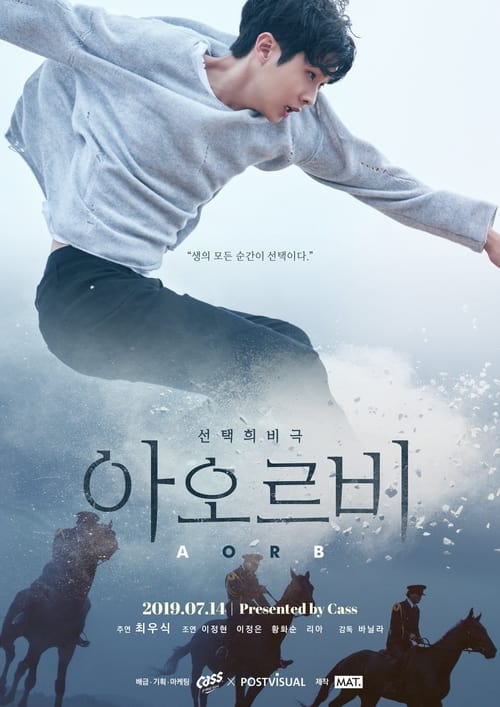
The story takes place in a dystopia deprived of freedom of making choices and begins as the protagonist, decides for the first time in his life to escape to Yass Land where any decisions are celebrated. He escapes a fictional land in which the civilians' actions are controlled and monitored by the government. The actor deviates from the controlled community for freedom in YAASS land. As he flees, viewers are given two actions that the actor could take. The story continues on from the actions they choose, leading to different endings.
Six strangers are sitting in a conference room. They’re in a focus group, but how much is there really to say about yoghurt? There’s so much more to discover about each other.
A short documentary about the press of GoldenEye.
Lisa Simpson is discovered by chart-topping artists Billie Eilish and FINNEAS while searching for a quiet place to practice her saxophone. Billie invites Lisa to her studio for a special jam session she’ll never forget.
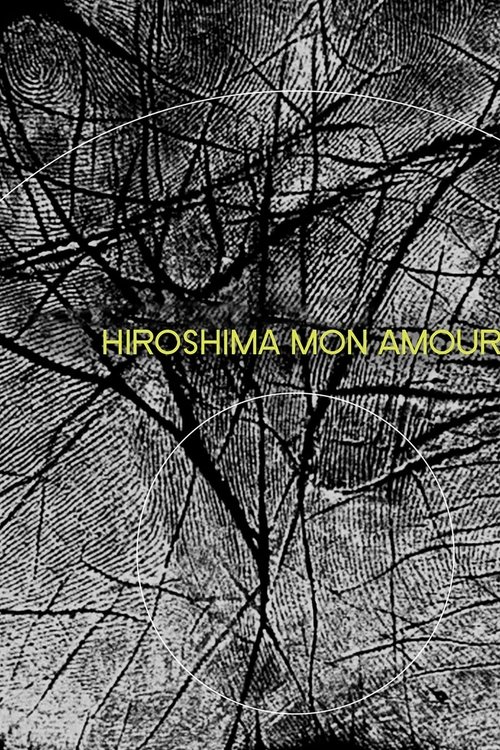
The deep conversation between a Japanese architect and a French actress forms the basis of this celebrated French film, considered one of the vanguard productions of the French New Wave. Set in Hiroshima after the end of World War II, the couple -- lovers turned friends -- recount, over many hours, previous romances and life experiences. The two intertwine their stories about the past with pondering the devastation wrought by the atomic bomb dropped on the city.
When it comes to differences of opinion during Karl und Kasimirs' daily preperations, a heated discussion sparks between the two, wich threatens to escalate as a result of Kasimir's momentous decision.
When a boy with incredibly long arms crosses paths with an equally eccentric girl at school, the two misfits put their weaknesses together and unlock their superpowers to defy school bullies and gravity.
This audio-visual tone poem uses the language of filmmaking to offer a first-hand evocation of the turbulent psychological effects one can experience due to prolonged lack of sunlight.
1-й товарищ
2-й товарищ
3-й товарищ
Подруга
No Trailers found.