No Trailers found.
Anne Bean, John McKeon, Stuart Brisley, Rita Donagh, Jamie Reid and Jimmy Boyle are interviewed about their artistic practice and the legacy of Surrealism on their work.
Autobiographical documentary in which Ian Dury, fighting a battle with cancer to which he would later succumb, recalls his life and career. With contributions from painter Peter Blake and members of Dury's band, the Blockheads.
The tale of the formation, journey and end of the seminal Punk/Reggae band The Slits.
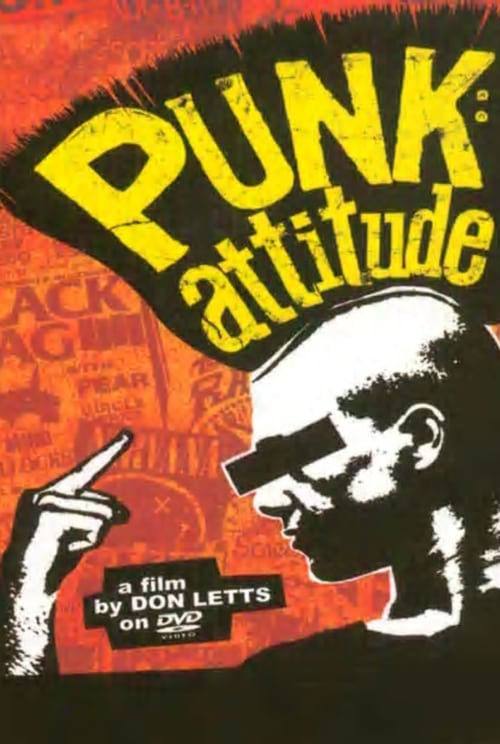
From London's 1970 mod scene to Sonic Youth, punk music has always been about attitude and anarchy. This comprehensive rockumentary traces the roots of punk, from The Velvet Underground and the New York Dolls to the Sex Pistols and The Clash.
A "best of" compilation of live clips of various ASSJACK shows taped live at Alley Katz in Richmond, VA from 2003 - 2006 and clips of 1 show from May 2005 at Bluecats in Knoxville, TN. Special cameos by Dancing Outlaw Jesco White, Randy Blythe from Lamb of God and Chris Arp from Psyopus.
A documentary that proposes a conversation about the way children are praised. While girls are often praised solely for their appearance, boys can receive compliments by highlighting their skills. "Rethink the Praise" reflects on the power of words and culture that has brought an imbalance in the way we commend our boys and girls.
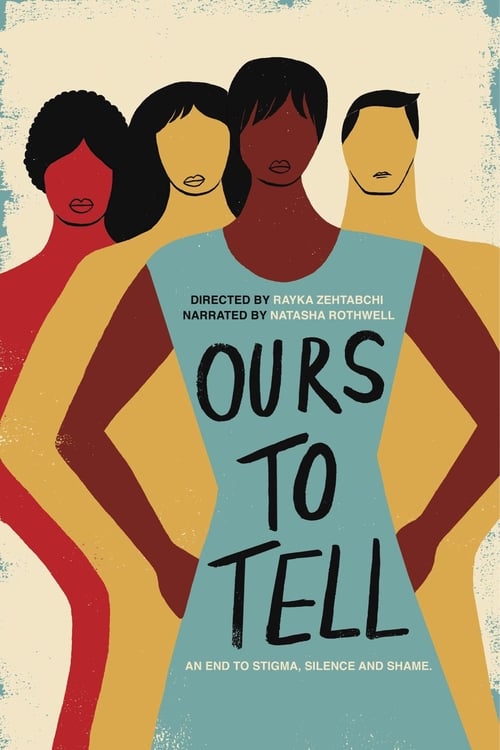
Four people - Brittany, Hannah, Nick, and Ylonda - tell their stories about how access to abortion in their community helped them empower themselves to lead lives they want to live.
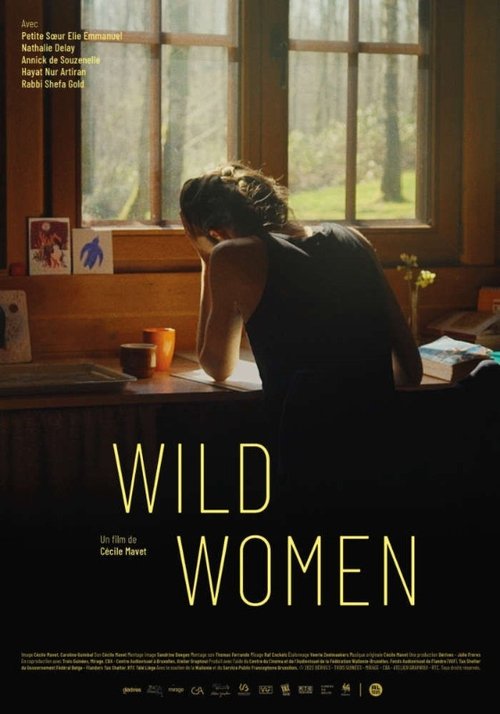
At the beginning of winter, a filmmaker retires for six months to a hermit's cabin in the middle of the forest, cut off from the world and its means of communication. Through the words of four women she has filmed previously, all of whom have dedicated their lives to different forms of spirituality, she embarks on a mysterious inner adventure, on the edge of solitude and nature. A journey that invites us to connect with the world in a different way.
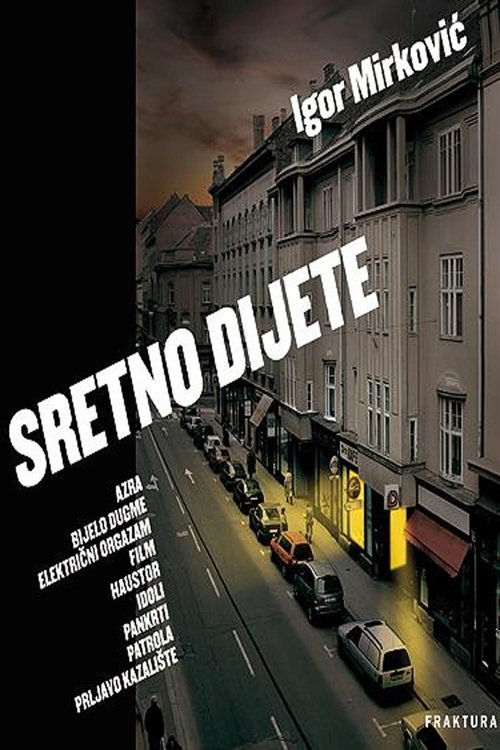
The Happy Child is a story of "New Wave" rock genre predominant in the ex-Yugoslavia during the socialist 70's and 80's.
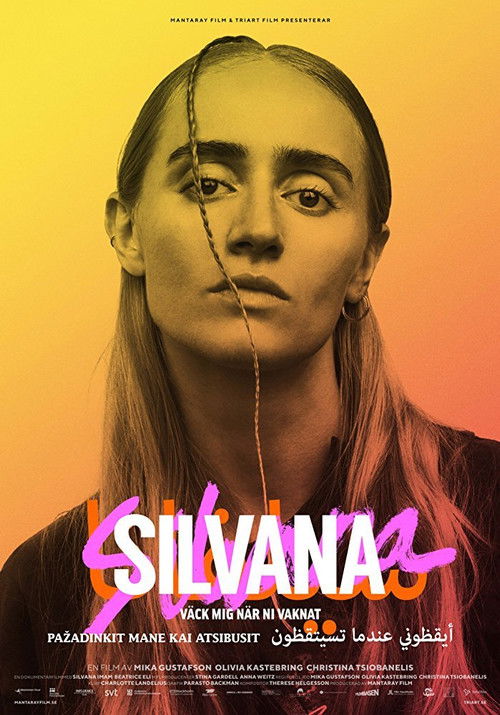
A documentary about the Swedish rapper and artist Silvana Imam.
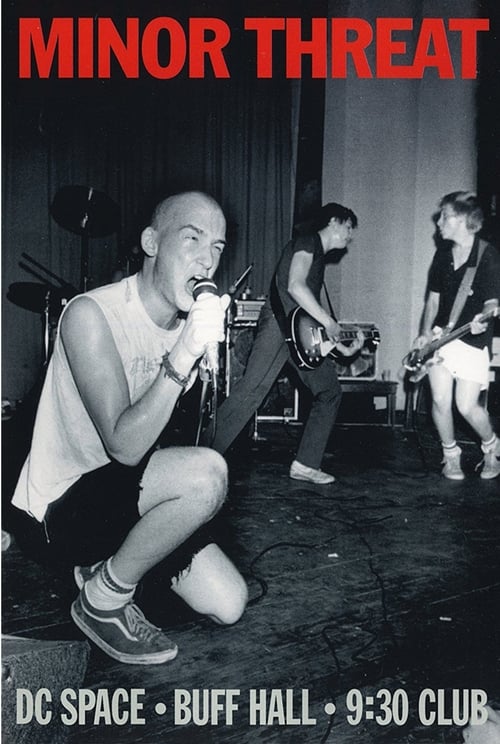
Minor Threat played one of its last shows at Washington DC's 930 Club in June of 1983; they would only play once more in DC. Two years later, the tapes from the 930 show were edited together and Dischord Records released them as the Minor Threat Live VHS video in 1986. Along with the 40 minute 930 performance, the DVD includes a 1982 Minor Threat show in Camden, NJ, a clip of Minor Threat's 2nd ever show at DC Space in December 1980, and excerpts from a 1983 interview with vocalist, Ian MacKaye.
Shere Hite’s 1976 bestselling book, The Hite Report, liberated the female orgasm by revealing the most private experiences of thousands of anonymous survey respondents. Her findings rocked the American establishment and presaged current conversations about gender, sexuality, and bodily autonomy. So how did Shere Hite disappear?
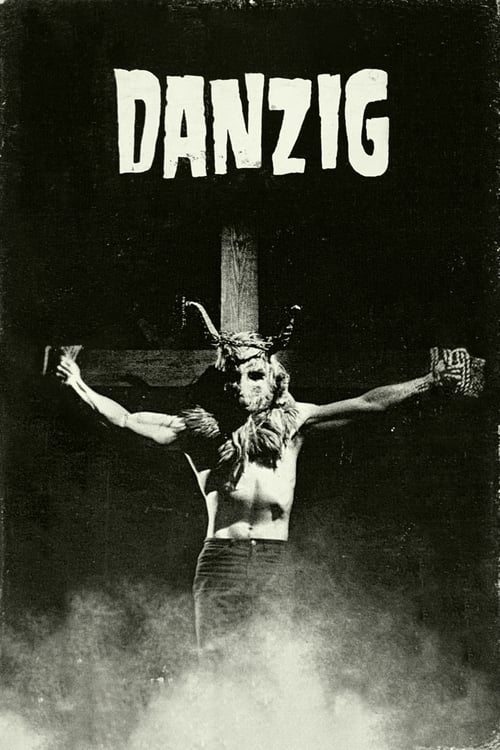
Featuring songs from their debut album DANZIG: "Twist of Cain" and the controversial uncut versions of "Am I Demon", "She Rides" and "Mother". Plus interviews and behind-the-scenes footage. Highlights include: Glenn revealing his songwriting process, reading Wolverine comics, discussing his book collection, chugging a box of Milk Duds before an encore, and Eerie Von being a badass.
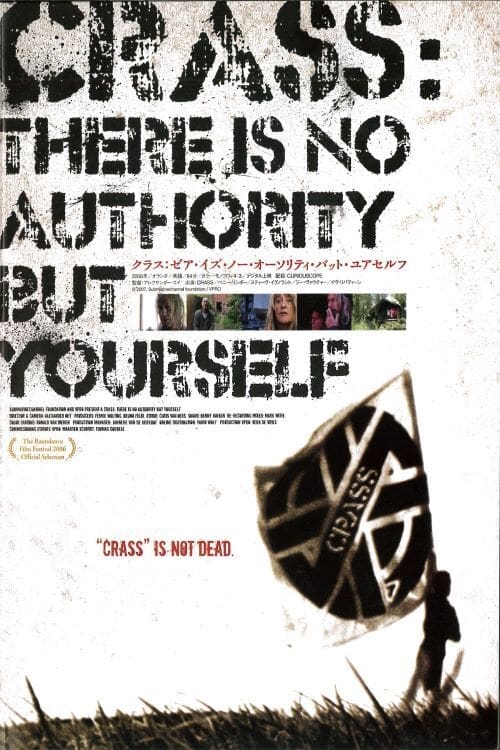
A Dutch documentary about the history of the anarchist punk band Crass. The film features archival footage of the band, and interviews with former members Steve Ignorant, Penny Rimbaud and Gee Vaucher.
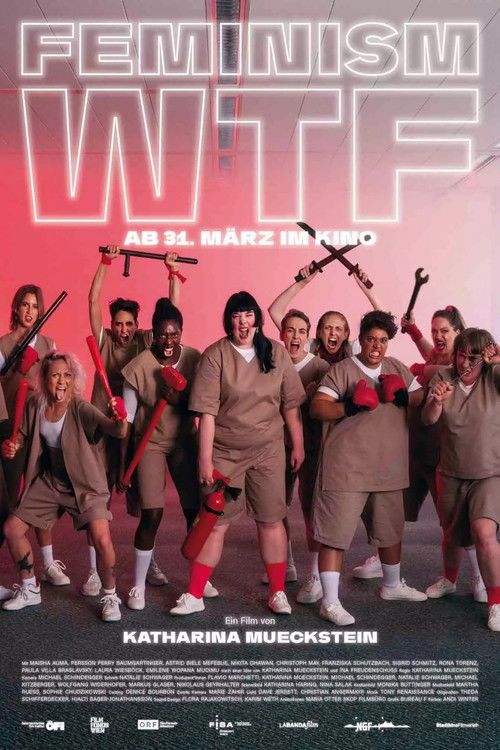
An international topic documentary on feminism and gender equality. The film reflects on current debates and analyses the potential of intersectional feminism to profoundly change our future societies.
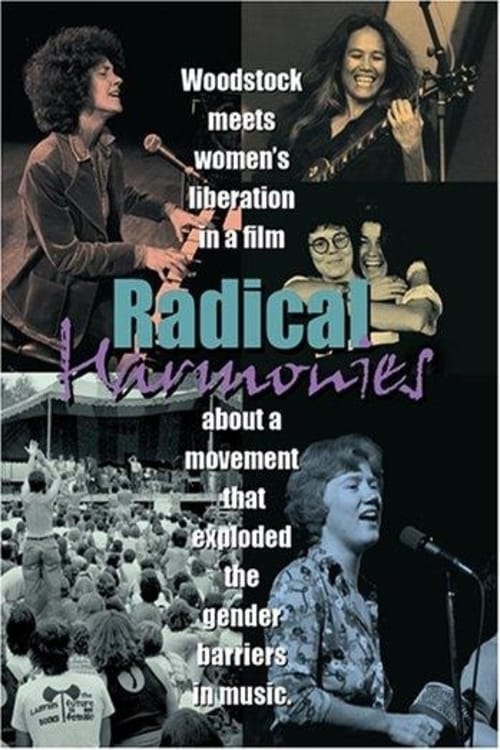
Interviews and performance footage are used to provide an overview of the women's music scene.
A Woman's Place is the first film about the UK women's liberation movement. Crockford and her co-producers Ellen Adams and Tony Wickert document the movement's first national conference and march and examine its demands. The film records impassioned discussions and speeches, as well as the humour of the marchers. It also includes interviews with members of the public who give their perspective on women's liberation Crockford made the film as an attempt to see 'whether other people could be engaged by what I believed in'.
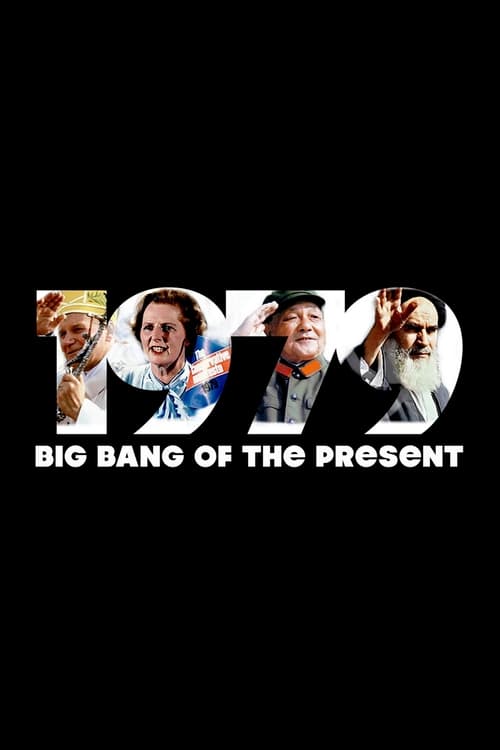
Deng Xiaoping's economic and political opening in China. Margaret Thatcher's extreme economic measures in the United Kingdom. Ayatollah Khomeini's Islamic Revolution in Iran. Pope John Paul II's visit to Poland. Saddam Hussein's rise to power in Iraq. The Soviet invasion of Afghanistan. The nuclear accident at the Harrisburg power plant and the birth of ecological activism. The year 1979, the beginning of the future.
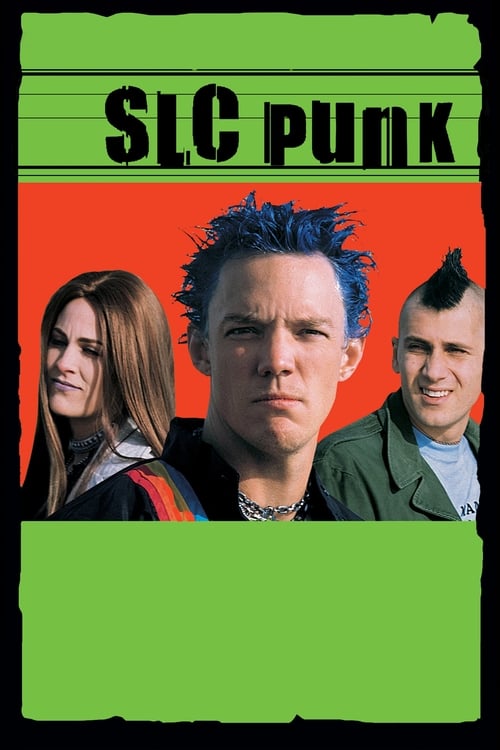
Two former geeks become 1980s punks, then party and go to concerts while deciding what to do with their lives.
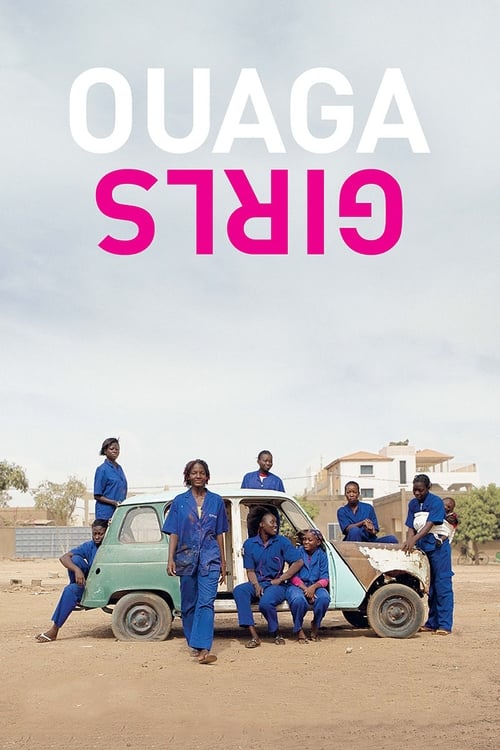
A group of young women from Ouagadougou study at a girl school to become auto mechanics. The classmates become their port of safety, joy and sisterhood, all while they are going through the life changing transition into becoming adults in a country boiling with political changes. In a country with youth unemployment at 52 percent, jobs are a hot issue. The young girls at a mechanics school in Burkina Faso’s capital Ouagadougou are right in the middle of a crucial point in life when their dreams, hopes and courage are confronted with opinions, fears and society’s expectations of what a woman should be. Using interesting narrative solutions, Theresa Traore Dahlberg depicts their last school years and at the same time succeeds in showing the country’s violent past and present. This is a feature-film debut and coming-of-age film with much warmth, laughs, heartbreak and depth.
No Cast found.