No Trailers found.
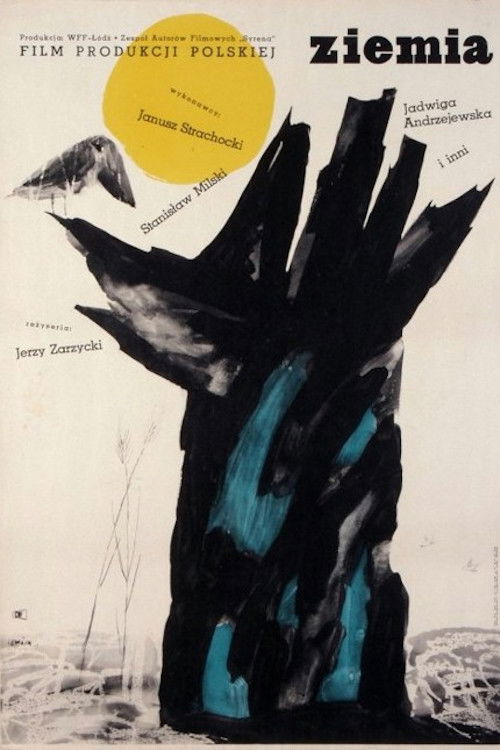
Poland in the 50s, 20th century The process of collectivization of agriculture is under way. The wealthy Slumdog farmer is one of the last individual farmers who have not joined the cooperative and are trying to grow their own land. But it is very difficult - the unemployed mercenaries who paid for them run to cooperatives (where they have better conditions), the environment or the local authorities do not accept him as a kulak. Struggling with the problem of how to make a 40-hectare farm last, he remains alone in the face of a loss of land that he cannot cultivate.
No overview available.
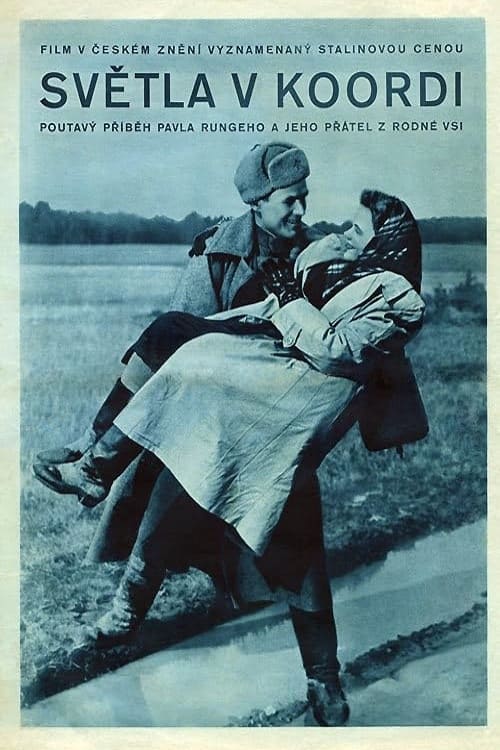
When Paul Runge, a soldier of the Red Army, returns home to Koordi after the war, he sees that, despite the new regime, life in Koordi hasn't changed. It's still a abandoned, uncultured Estonian village, where rich landlords still oppress the population. Runge starts talking about founding a kolkhoze.
A drama from the period of village collectivisation in 1947-1948, it depicts the life of former beggars who, after the war and land reform, acquire land and dream of becoming wealthy landlords. New social conditions, the onset of collectivisation, but also the great drought bring with them unwelcome changes.
In a South Bohemian village in 1951, the local rich organize acts of sabotage and try to stop the establishment of an agricultural cooperative with threatening letters and arson. A kulak's son even secretly returns from the West to terrorize the village with his brother. However, the ordinary villagers stand up to them.
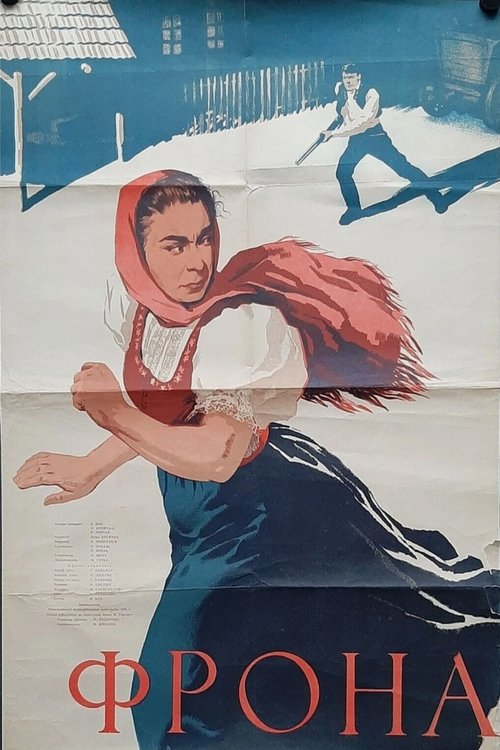
Frona Filípková, out of a desire for a better life, married Floriš Zobač on the land. However, the ownership of the land has affected both her husband and her father-in-law, who, out of hatred, intrigue against the emerging agricultural cooperative and against each other, so Frona looks for a way to free herself.
In the late 1950s, the collectivization of agriculture is in full swing in the East German village of Willshagen on the German-German border. Those in charge have to face many obstacles, especially from a large-scale farmer who is unwilling to join the co-op. All of a sudden, mysterious men in a fancy car appear in the village and show an interest in the rundown manor house. Gossip spreads quickly, and some villagers think there will be a re-parceling of properties and a land swap with West Germany. They assume everything will go back to how it used to be and even expect the count to return to his manor. In preparation, the situation in the village escalates at a fevered pitch.
A lonely old man fights against the mysterious forces that threaten to enter his house.
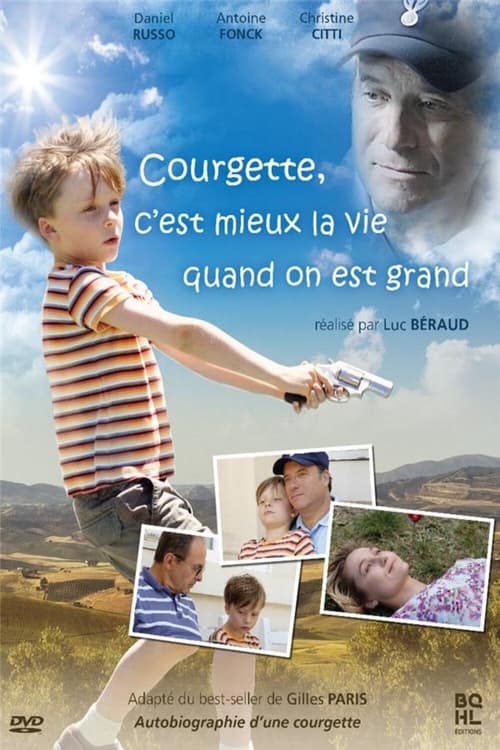
A young boy accidentally kills his alcoholic mother and is sent to live in a foster home.
A rescue team is looking for survivors in a sinking building after a devastating earthquake.
Nicky Wells, a TV journalist who is renowned for her hard-hitting reports from the worlds most dangerous spots, is haunted by the disappearance of her fiancé.
This TV movie revolves around a husband and wife struggling to pay their debts while getting involved in thoughts about human trafficking. The plot follows the tension when two men are kidnapped and held as hostages, raising the question of whether they will escape or remain trapped. It's a gripping story that delves into the complexities of human trafficking and its impact on individuals. The film provides a dramatic exploration of the challenging realities of human trafficking.