Narrator
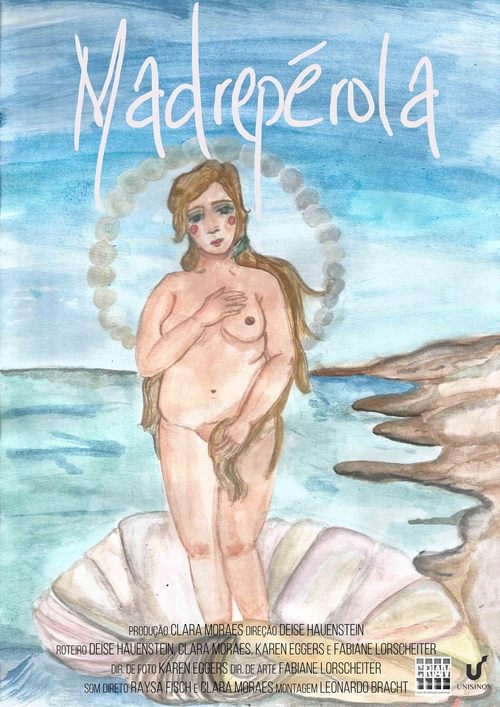
In a tide oblivious to diversity, pearl oysters live under attack for not fitting into the standards and sizes. This is the story of how their pearls are born.
No overview available.
Documentary about the struggle of the people of Jeju Island, South Korea. Set in the context of the U.S. presence in Korea after World War II, the film reveals horrible atrocities at the hands of the U.S. Military Government of Korea.
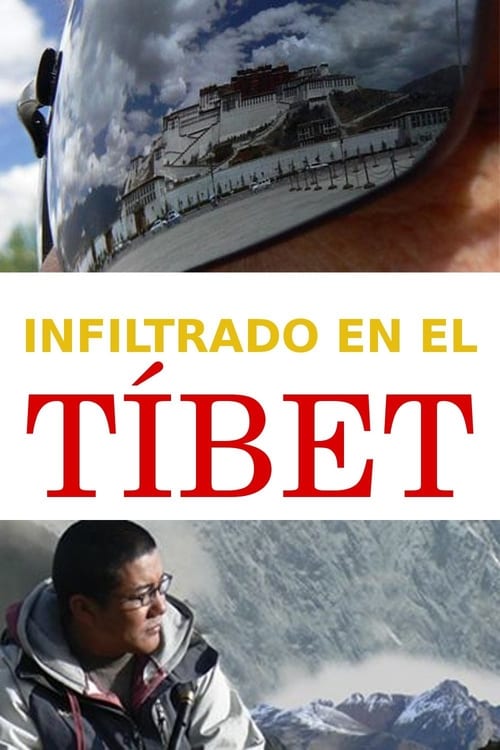
Undercover in Tibet reveals the regime of terror which dominates daily life and makes freedom of expression an impossibility. Tash meets victims of arbitrary arrests, detention, torture and ‘disappearances’ and uncovers evidence of enforced sterilizations on ethnic Tibetan women. He sees for himself the impact of the enormous military and police presence in the region, the hunger and hardship being endured by many Tibetans and hears warnings of the uprising taking place across the provinces now.
Big Rig (2008) is a documentary film by Doug Pray about long-haul truck drivers. The film consists of a series of interviews with different drivers, focusing on both their personal life stories and also the life and culture of truck drivers in the United States.
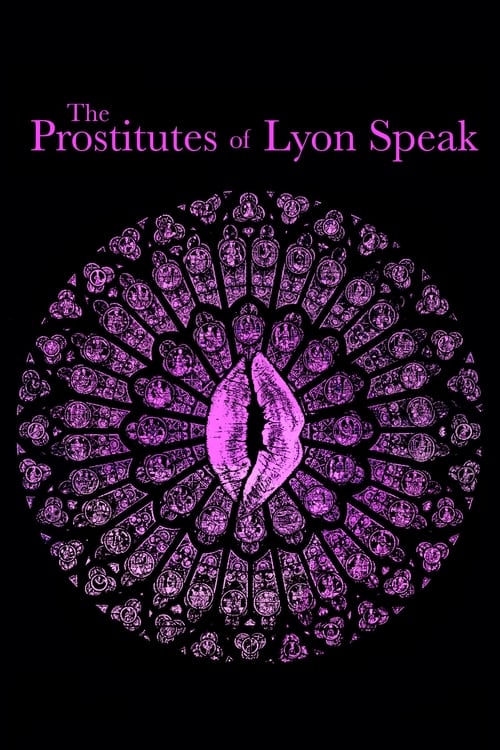
Documentary about the Lyon sex workers who occupied the church of St. Nizier on June 3, 1975.
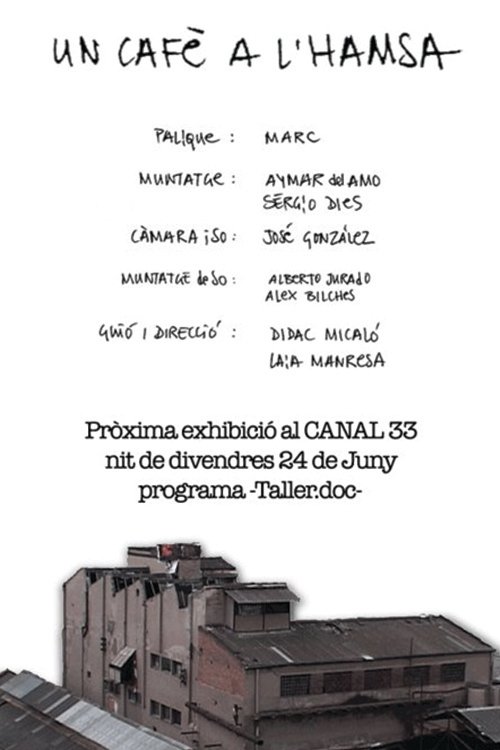
Kukutza III was a gaztetxe (self-managed social centre) in the neighbourhood of Rekalde, Bilbao. It was occupied in 1998, and it was evicted by the police in 2011. The documentary shows some activities that were hosted by the gaztetxe.
Between 1930 and 1945, Eastern Europe experienced mass violence on an unprecedented scale. Hitler and Stalin exploited the vast region for their respective expansionist plans. It is estimated that around 14 million civilians were murdered—primarily Jews, Poles, Balts, Belarusians, and Ukrainians.
Since the war in Gaza and the expanding occupation of the West Bank, a peaceful resolution to the conflict between Israelis and Palestinians feels more distant than ever. In this three-part series, the reporter Matthew Cassel travels along the 1949 Armistice border, or ‘Green Line’, once seen as the best hope for a resolution. He meets Palestinians and Israelis living just kilometres apart, but shaped by vastly different realities.
Kherson, Ukraine's embattled city, has endured invasion, occupation, and liberation. On February 24, 2022, Russian tanks entered Kherson, leading to brutal occupation marked by violence. Despite being outnumbered, local defense forces resisted, and citizens protested under the slogan "Kherson is Ukraine!" An underground resistance formed, led by brave individuals like journalist Valentyna and others who risked arrest and torture to support the cause. After nine months, Ukrainian forces liberated Kherson, but Russian destruction left the city in chaos. Shelling and drone attacks became relentless, and in June 2023, a dam explosion flooded the city, causing further devastation. Despite these challenges, Kherson's spirit remained unbroken, with citizens embracing arts and resilience. By August 2024, drone attacks specifically targeted civilians, yet the city resisted, determined to rebuild and reclaim its identity, refusing to succumb to ruin.
This experimental short traces the lifespan of the graffiti and murals present at the occupation of NYC’s City Hall in June and July of 2020. The encampment formed to demand the abolishment of the NYPD and the reallocation of its resources to housing, education, and other social programs.
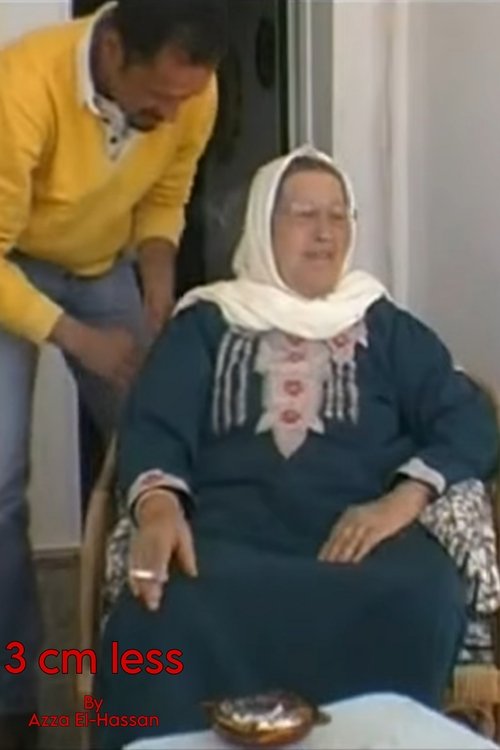
3 CM LESS (the title comes from projections that the Palestinian children of today will grow up on average three centimeters shorter than their parents, thanks to the deprivations of occupation) is a complex, highly personal look at the impact decades of war has wreaked on families and friendships.
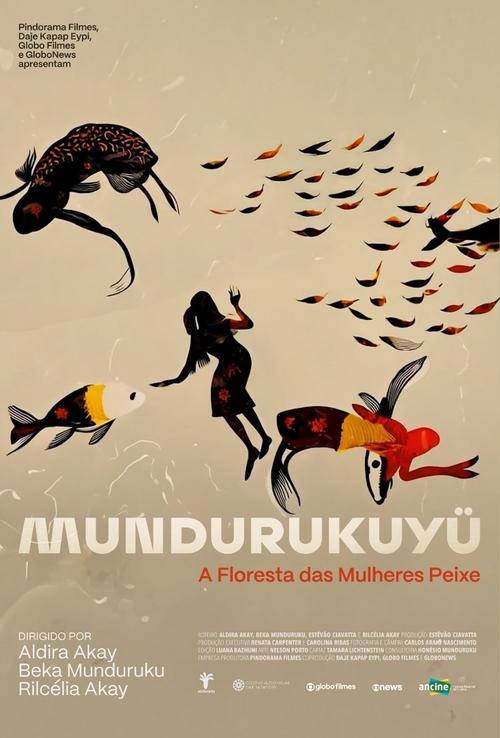
Using the camera as a weapon to defend their ancestral land in Brazil, three women of the Daje Kapap Eypi audiovisual collective lovingly record their Munduruku traditions and their mythology of humans transforming into forest plants and animals.
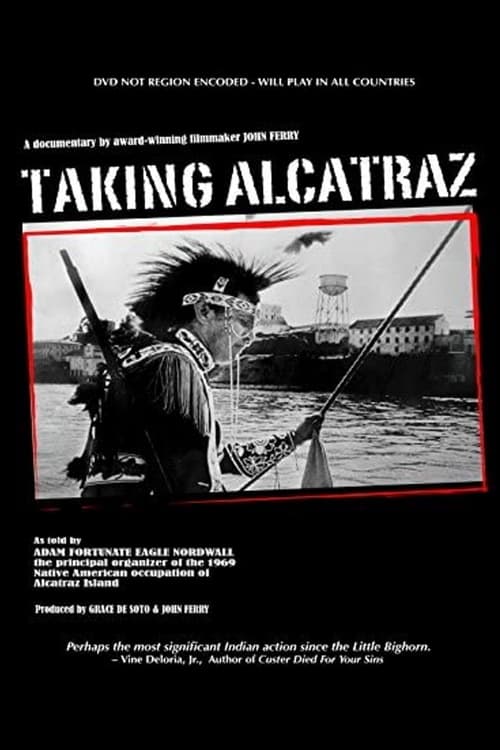
A documentary account by award-winning filmmaker John Ferry of the events that led up to the 1969 Native American occupation of Alcatraz Island as told by principal organizer, Adam Fortunate Eagle. The story unfolds through Fortunate Eagle's remembrances, archival newsreel footage and photographs.
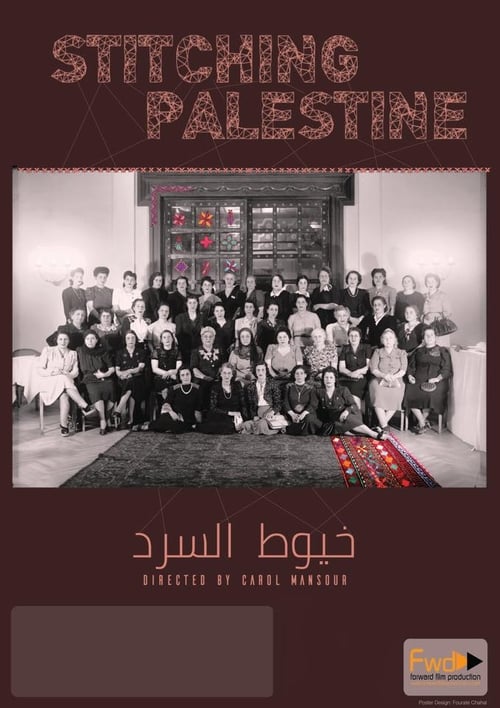
Twelve Palestinian women sit before us and talk of their life before the Diaspora, of their memories, of their lives and of their identity. Their narratives are connected by the enduring thread of the ancient art of embroidery. Twelve resilient, determined and articulate women from disparate walks of life: lawyers, artists, housewives, activists, architects, and politicians stitch together the story of their homeland, of their dispossession, and of their unwavering determination that justice will prevail. Through their stories, the individual weaves into the collective, yet remaining distinctly personal. Twelve women, twelve life-spans, and stories from Palestine; a land whose position was fixed on the map of the world, but is now embroidered on its face.
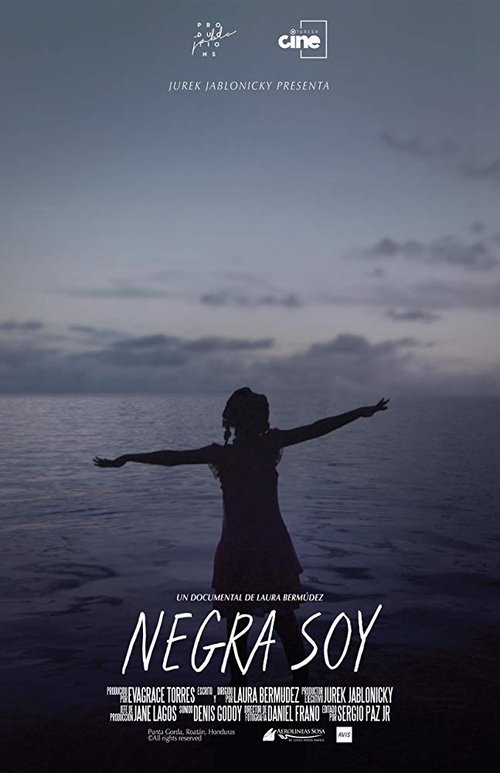
The women of the first Garífuna community in Honduras work hard for the future of their daughters. Surrounded by a dazzling landscape, they celebrate their identity and the importance of maternal figures.
No Trailers found.