No Cast found.
No Trailers found.
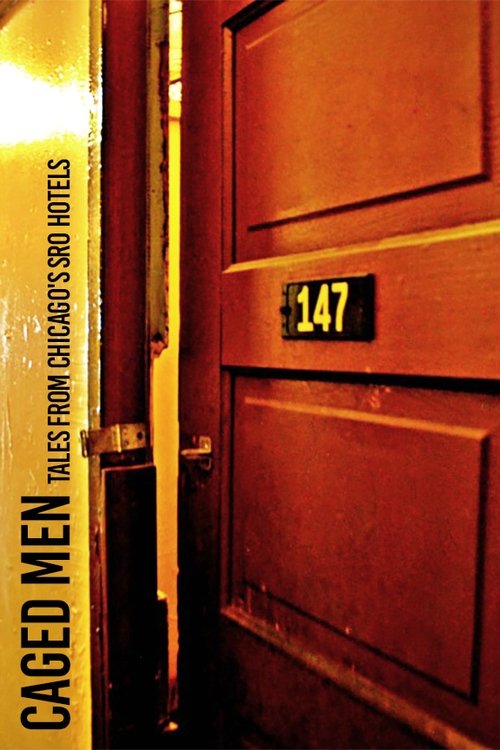
Caged. Invisible. Shamed. Trapped. These words mark the tenants, clerks and even the owners of Chicago's last remaining Singe Room Occupancy (SRO) hotels. These small spaces are home for many at the bottom of Chicago's housing ladder. Cloaked in darkness and secrecy, these hotels are often maligned as drug dens and havens for prostitution but the people who live, work and own these hotels have never fully shared their stories. Caged Men is a feature-length documentary which examines the disquieting stories of near-homeless Americans living on the margins and their invisibility in a largely indifferent and, at times, hostile community. It attempts to lend a voice to SRO residents, clerks, owners and to the hotels themselves.
A short film about the changing face of London Soho and the implications of gentrification on Mimi, an aging transvestite.
The baker, the pie-maker and the diminished long-term community of Hoxton Street face gentrification in this compelling portrait of a rapidly changing London.
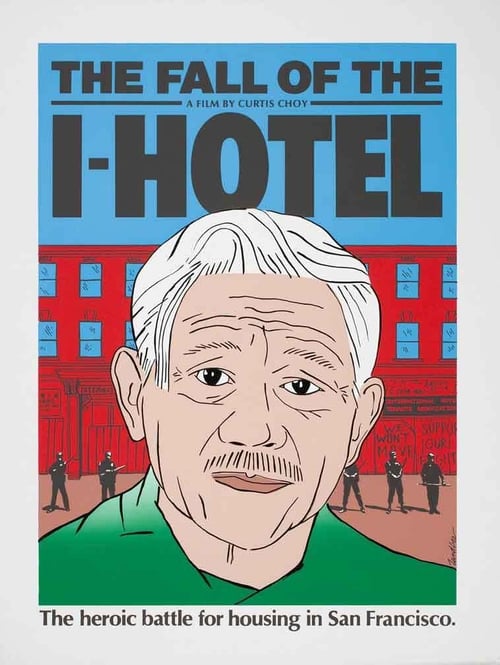
The Fall of the I-Hotel brings to life the battle for housing in San Francisco. The brutal eviction of the International Hotel's tenants culminated a decade of spirited resistance to the razing of Manilatown. The Fall of the I-Hotel works on several levels. It not only documents the struggle to save the I-Hotel, but also gives an overview of Filipino American history.
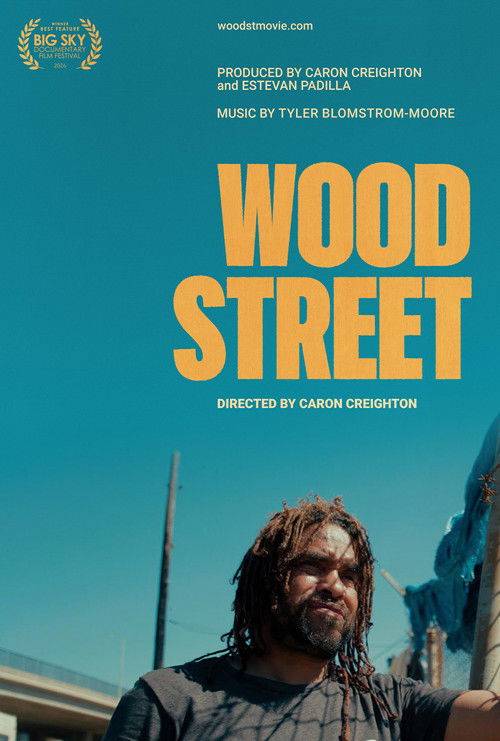
Two unhoused men turned community leaders— John and LaMonté —organize their neighbors in the face of displacement, addiction, and a failing social system.
No overview available.
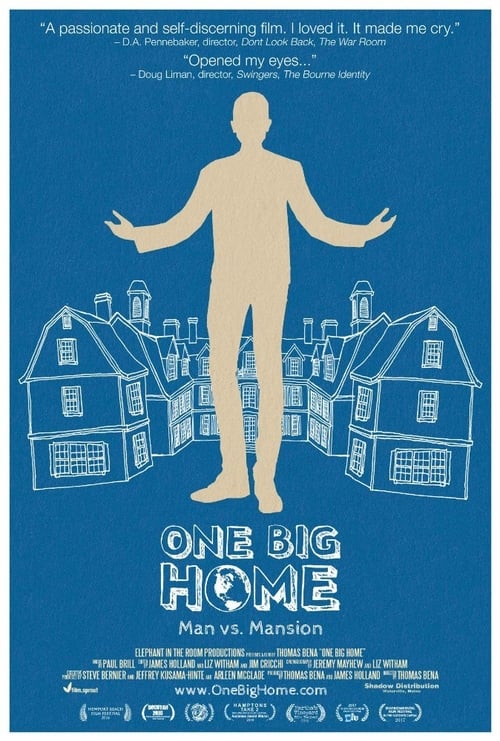
On the tiny island of Martha's Vineyard, where presidents and celebrities vacation, trophy homes threaten to destroy the islands unique character. Twelve years in the making, One Big Home follows one carpenters journey to understand the trend toward giant houses. When he feels complicit in wrecking the place he calls home, he takes off his tool belt and picks up a camera.
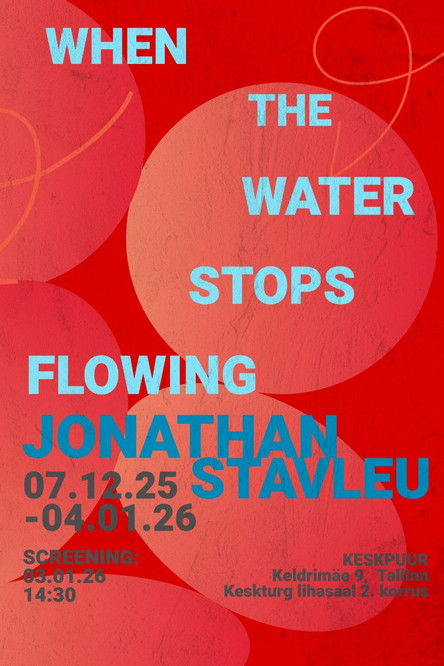
Jonathan Stavleu explores, in a stream-of-consciousness video essay, the relationship people have with water and what happens when access to it is taken away. For this work, he examines anecdotal histories he has heard from Estonians, as well as stories from his own family history in the Netherlands, weaving them together into a journal-like narrative.
Filmed over four years, this documentary focuses on the impacts of gentrification as gay white professionals move into a largely black working-class neighborhood in Columbus, Ohio.
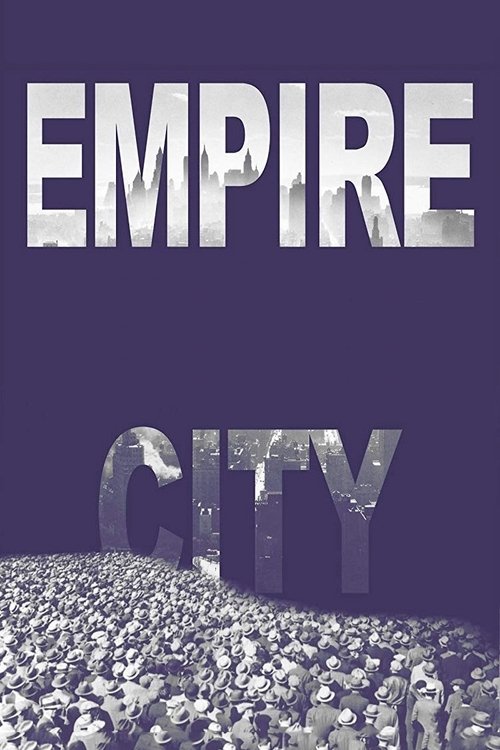
A film essay contrasting the modern metropolis with its "golden age" from 1830-1930, with the participation of some of New York's leading political and cultural figures. Made at a time when the city was experiencing unprecedented real estate development on the one hand and unforeseen displacement of population and deterioration on the other. Empire City is the story of two New Yorks. The film explores the precarious coexistence of the service-based midtown Manhattan corporate headquarters with the peripheral New York of undereducated minorities living in increasing alienation.
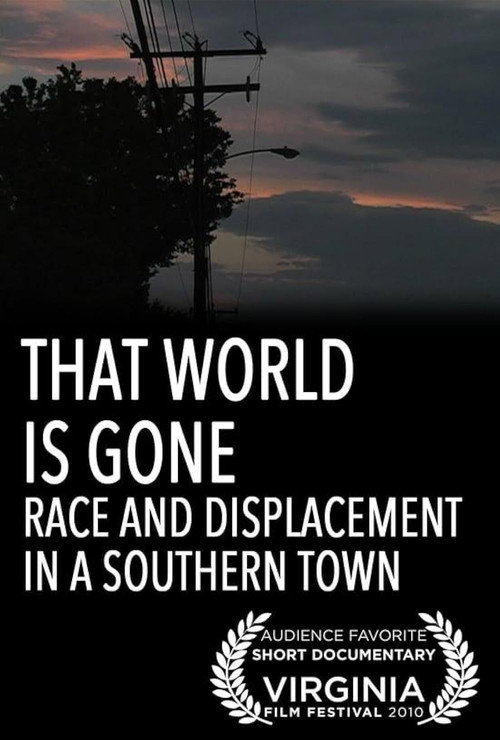
Kathy's family left on a Saturday morning in 1965. The rumble of bulldozers echoed through the neighborhood, and her block was empty. Federally-funded urban renewal had arrived in Charlottesville, scattering dozens of families like Kathy's. The once-vibrant African American community, built by formerly enslaved men and women who had secured a long-denied piece of the American dream, disappeared.
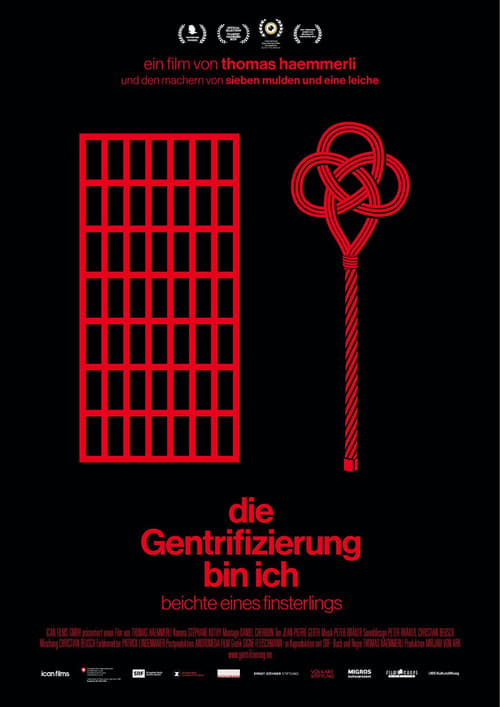
Is the city of Zurich suffering from ‘density stress’? What is it like to live in mega cities such as São Paulo, Mexico City and Tiflis? Filmmaker Thomas Haemmerli broaches the topics of city development, architecture, density, housing market, xenophobia and gentrification from an autobiographical perspective. The path of his life has led him from a childhood in the villa district of Zürichberg, through his teenage years as squatter to flat shares, yuppie apartments and finally second homes in various cities. Only recently having become a dad, he plans to further enhance Zurich’s price appreciation by purchasing a huge, extended city apartment… This multifaceted essay not only humorously questions the filmmaker’s decisions, but also those of the right-wing conservatives, who are afraid of losing their space to immigrants, and the political left, who fail to embrace modern-age architecture.
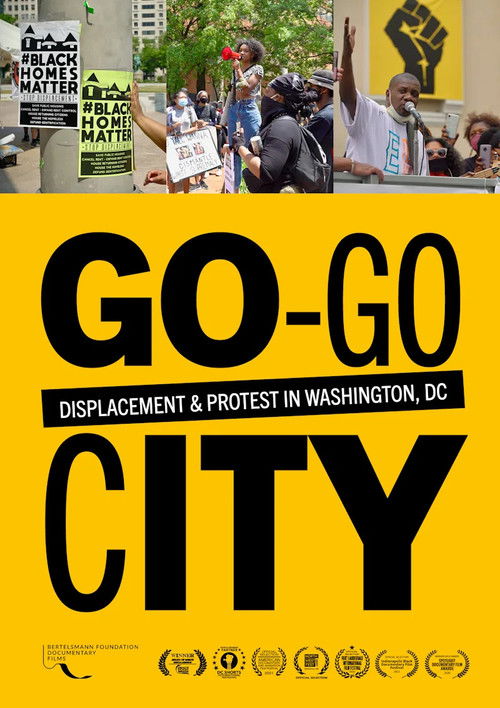
For decades, Washington, DC has been a beacon for Black culture and Go-Go music. Now, a wave of economic and cultural gentrification threatens to erase this history, as displaced communities take to the streets to protest and defend the city’s iconic Go-Go sound.
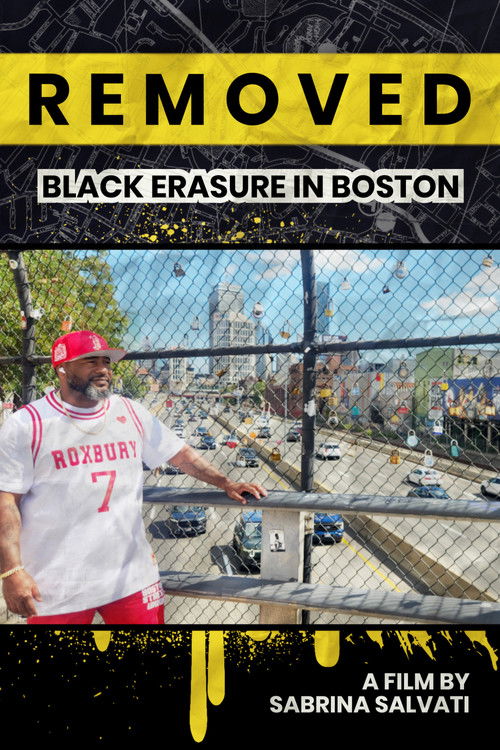
Systemic and structural racism implemented by the city of Boston over the years has led to a dramatic stripping of generational wealth for Black residents, so much so that the average net worth of Black Americans in Boston is now only eight dollars. The racist grading process of ‘redlining’ primarily black neighborhoods, combined with the displacing effect of various ‘urban renewal’ projects, set the template for the wider scale gentrification seen today that is pricing black residents of Boston out of their communities. On top of that, the mass incarceration of Black Bostonians has also led to a further disruption of Black communities. The combined effect of these state sanctioned actions has led to the erasure of Black Americans in Boston.
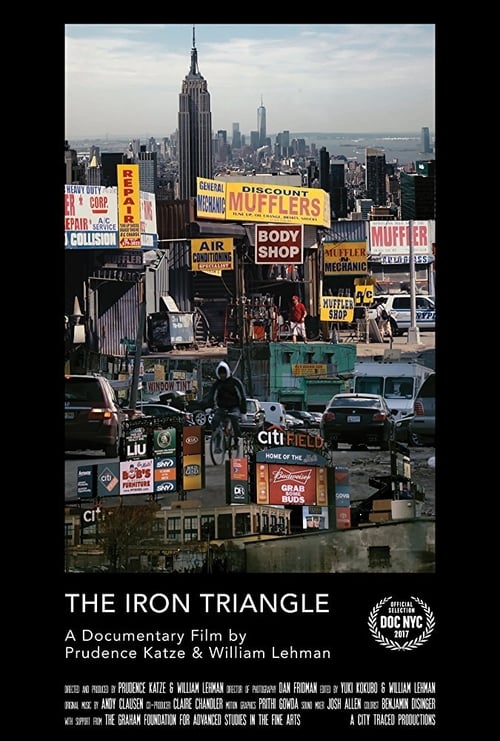
Targeted for several failed redevelopment plans dating back to the days of Robert Moses, Willets Point, a gritty area in New York City known as the “Iron Triangle,” is the home of hundreds of immigrant-run, auto repair shops that thrive despite a lack of municipal infrastructure support. During the last year of the Bloomberg Administration, NYC’s government advanced plans for a “dynamic” high-end entertainment district that would completely wipe out this historic industrial core. The year is 2013, and the workers of Willets Point are racing against the clock to forestall their impending eviction. Their story launches an investigation into New York City’s history as the front line of deindustrialization, urban renewal, and gentrification.
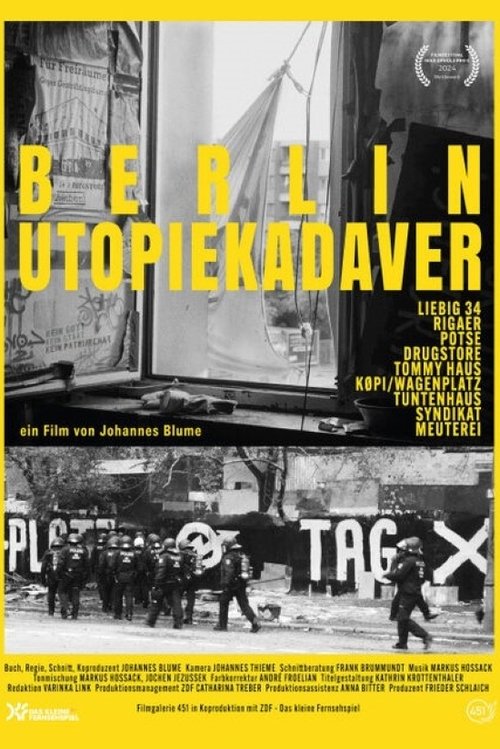
A taxi drives through the city of Berlin. Its driver is a punk, left and a well-known figure in the autonomous scene. The stations of his trip are the most important places of the autonomous scene: all in the struggle for survival. The last evictions have not yet been processed and the next ones are coming right up.
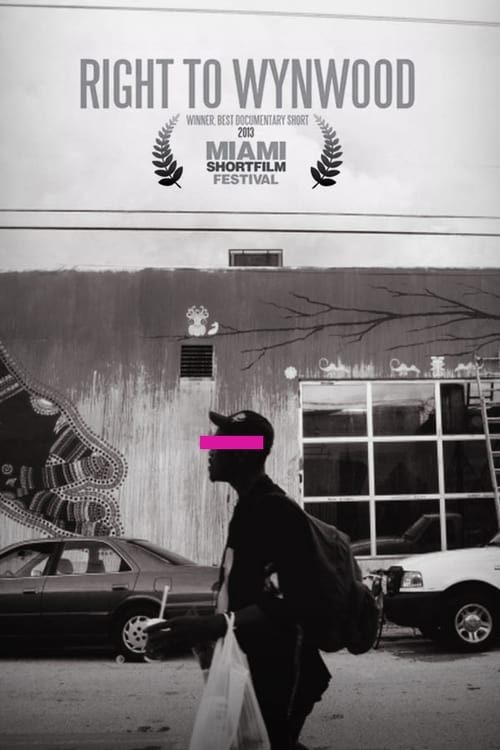
Right to Wynwood is an investigative documentary that explores the causes and effects of gentrification in Wynwood. Through interviews with developers, gallerists, artists, community leaders, and members of the local Puerto Rican population, we seek to tell the story of how Wynwood went from Miami's oldest Puerto Rican community to its largest art district, and what that means for the future of the neighborhood.
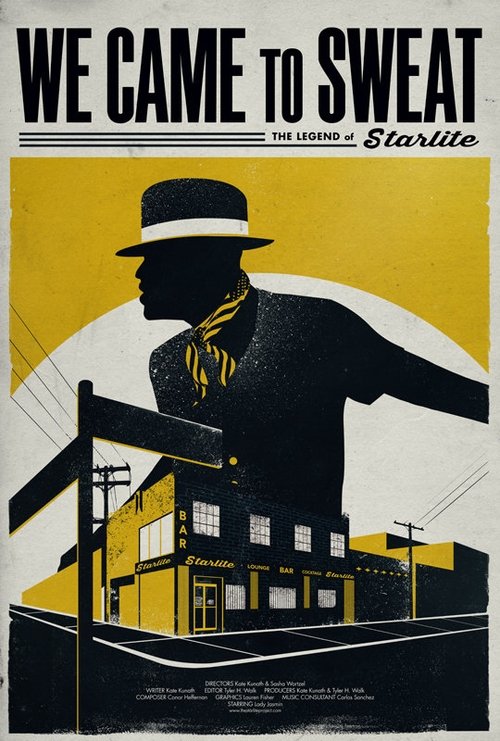
Facing eviction the oldest black-owned gay bar in Brooklyn relies on a passionate community in its fight for survival.
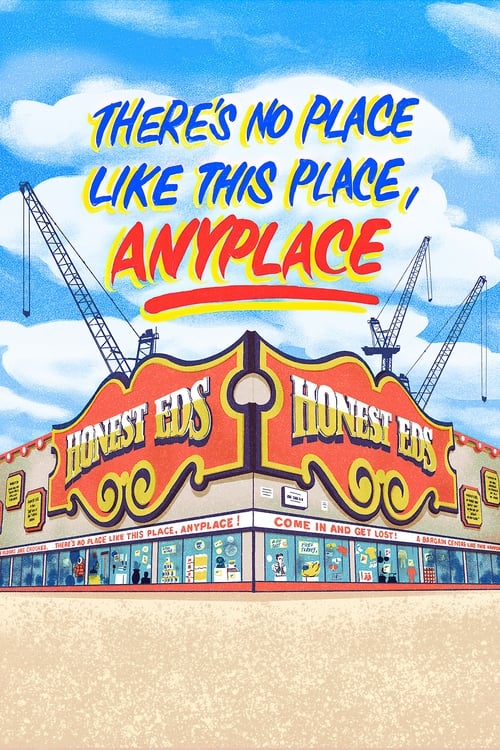
Over the course of over six decades, Honest Ed's became a Toronto Landmark. The neighbourhood it left behind when it closed its doors in 2016 reflects on its history and legacy.