The first in-depth analysis of the unspoken ethnic component behind the most devastating socio-economic movement in America today.
Trailer
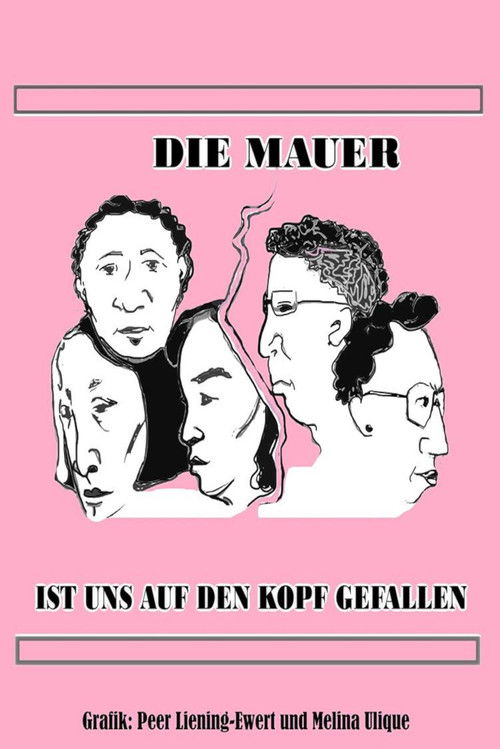
In the film “The Wall fell on our heads”, five women of color from East and West Germany talk about their memories of the fall of the Berlin Wall.
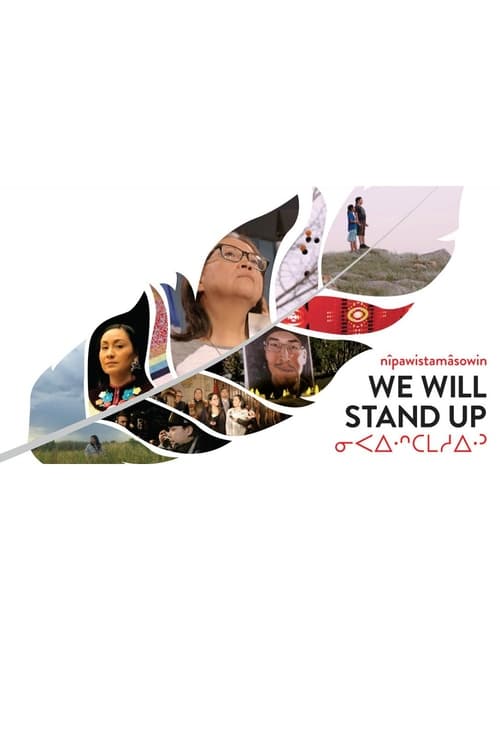
On August 9, 2016, a young Cree man named Colten Boushie died from a gunshot to the back of his head after entering Gerald Stanley's rural property with his friends. The jury's subsequent acquittal of Stanley captured international attention, raising questions about racism embedded within Canada's legal system and propelling Colten's family to national and international stages in their pursuit of justice. Sensitively directed by Tasha Hubbard, "nîpawistamâsowin: We Will Stand Up" weaves a profound narrative encompassing the filmmaker's own adoption, the stark history of colonialism on the Prairies, and a vision of a future where Indigenous children can live safely on their homelands.
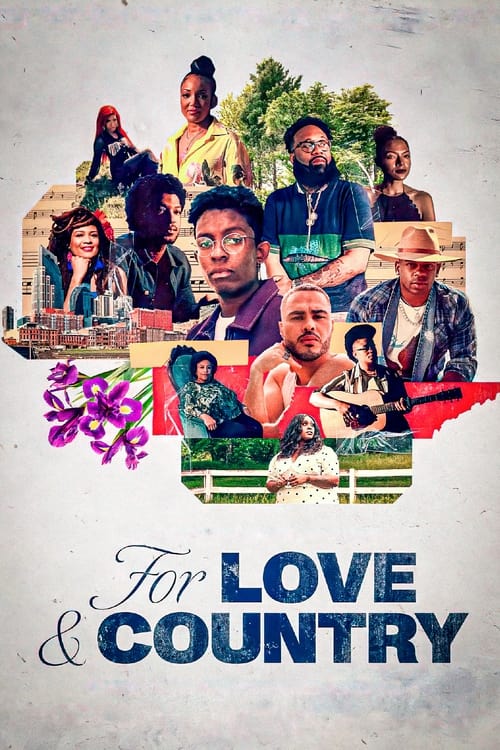
Country music has always been Black music. For Love & Country examines the genre's past through the lens of a new generation of Black artists claiming space in Nashville, and transforming country music in the process.
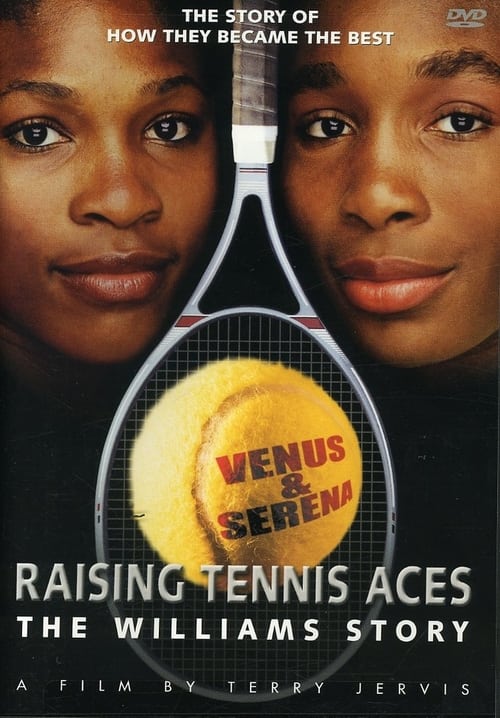
The lives and careers of the tennis superstars Venus and Serena Williams are documented, with special attention paid to the training techniques of their father Richard Williams.
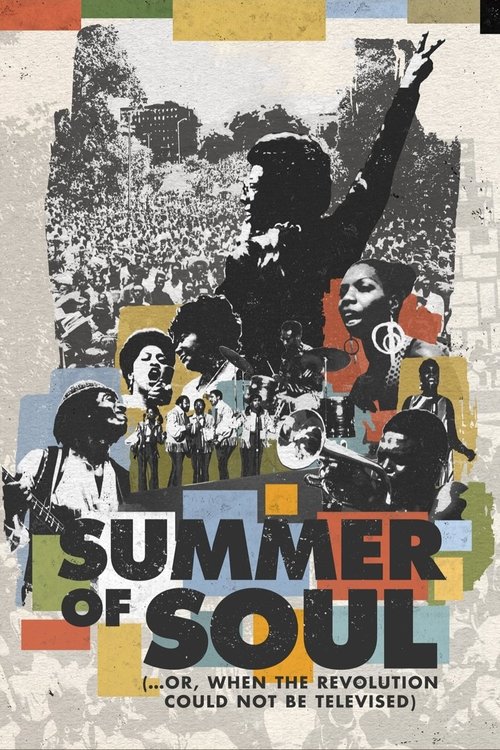
During the same summer as Woodstock, over 300,000 people attended the Harlem Cultural Festival, celebrating African American music and culture, and promoting Black pride and unity. The footage from the festival sat in a basement, unseen for over 50 years, keeping this incredible event in America's history lost — until now.
A 60th anniversary retrospective documentary on the influence and context of the 1962 film, To Kill a Mockingbird.
An interview with a young Toni Morrison. The video also shows Toni Morrison going shopping, at a party, and at work. Her commentary provides an incisive look behind her written words, and at the vision, technique, and lifestyle of this award-winning author. She reads from The Bluest Eye, Sula, and Song of Solomon.
The natural sciences museum of La Plata, Argentina, had indigenous people held captive as study objects in the past, and their skeletons were on exhibit for many decades. The story of Krygi, served as a trigger to look back at the ideologies that defined us as individuals and as a people.
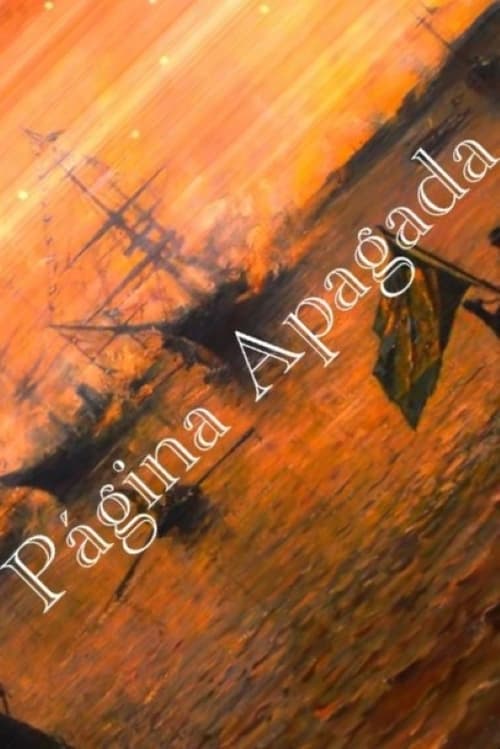
Questions about celebrating 200 years of independence from Brazil with 300 years of slavery.
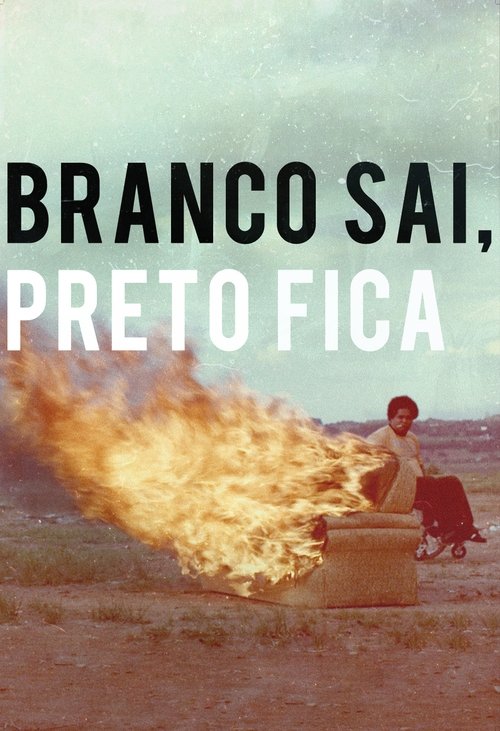
Shots fired inside a club frequented by black Brazilians in the outskirts of Brasilia leave two men wounded. A third man arrives from the future in order to investigate the incident and prove that the fault lies in the repressive society.
David Olusoga opens secret government files to show how the Windrush scandal and the ‘hostile environment’ for black British immigrants has been 70 years in the making.
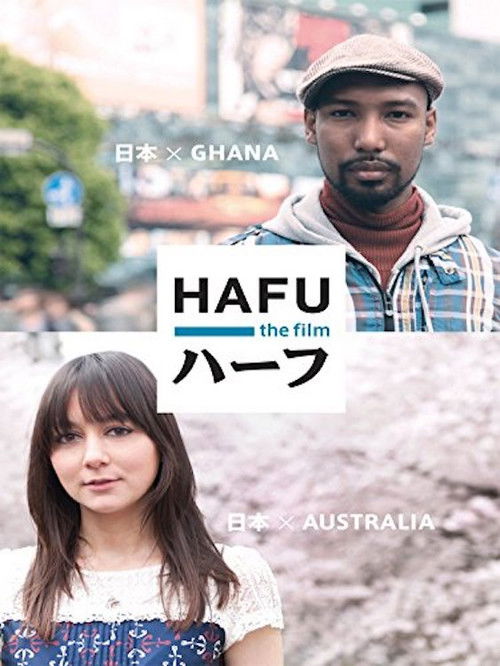
A journey into the intricacies of mixed-race Japanese and their multicultural experiences in modern day Japan. For some hafus, Japan is the only home they know, for some living in Japan is an entirely new experience, and the others are caught somewhere between two different worlds.
This documentary captures the sounds and images of a nearly forgotten era in film history when African American filmmakers and studios created “race movies” exclusively for black audiences. The best of these films attempted to counter the demeaning stereotypes of black Americans prevalent in the popular culture of the day. About 500 films were produced, yet only about 100 still exist. Filmmaking pioneers like Oscar Micheaux, the Noble brothers, and Spencer Williams, Jr. left a lasting influence on black filmmakers, and inspired generations of audiences who finally saw their own lives reflected on the silver screen.
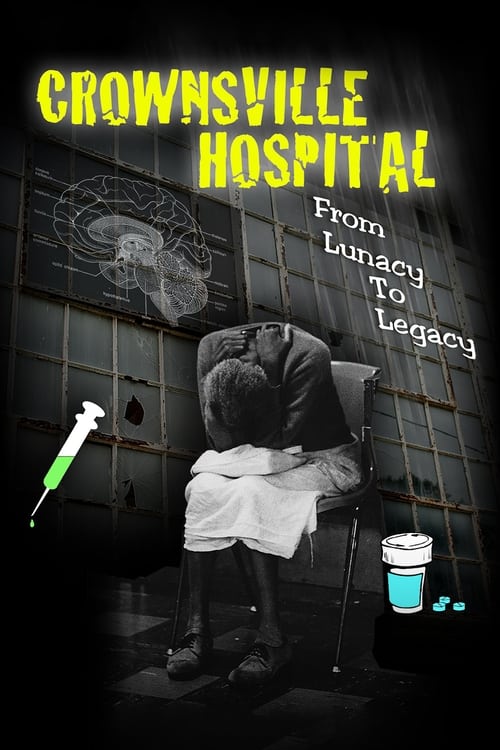
Crownsville Hospital: From Lunacy to Legacy is a feature-length documentary film highlighting the history of the Crownsville State Mental Hospital in Crownsville, MD.
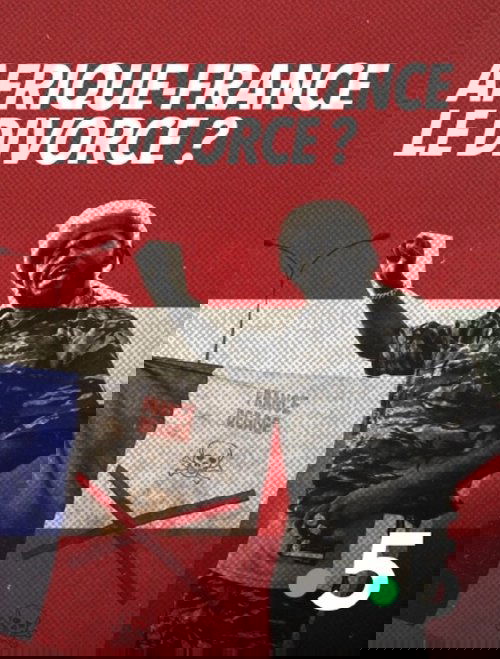
At a time when French flags are being burned and French embassies targeted, this documentary delves into the growing disaffection between French-speaking Africa and the former colonial power. Through the voices of African leaders, pan-African activists, and committed young people, the film questions the persistence of a relationship marked by the aftermath of colonization, the opaque agreements of "Françafrique," and a military presence deemed paternalistic.
When one thinks of the American Deep South, the image of veiled Muslim students strolling the University of Alabama campus is the last thing that comes to mind. VOICES OF MUSLIM WOMEN FROM THE US SOUTH is a documentary that explores the Muslim culture through the lens of five University of Alabama Muslim students. The film tackles how Muslim women carve a space for self-expression in the Deep South and how they negotiate their identities in a predominantly Christian society that often has unflattering views about Islam and Muslims. Through interviews with students and faculty at Alabama, this film examines representations and issues of agency by asking: How do Muslim female students carve a space in a culture that thinks of Muslims as terrorists and Muslim women as backward?
Through first person accounts and searing archival footage, this documentary tells the story of the local movement and young Student Nonviolent Coordinating Committee (SNCC) organizers who fought not just for voting rights, but for Black Power in Lowndes County, Alabama.
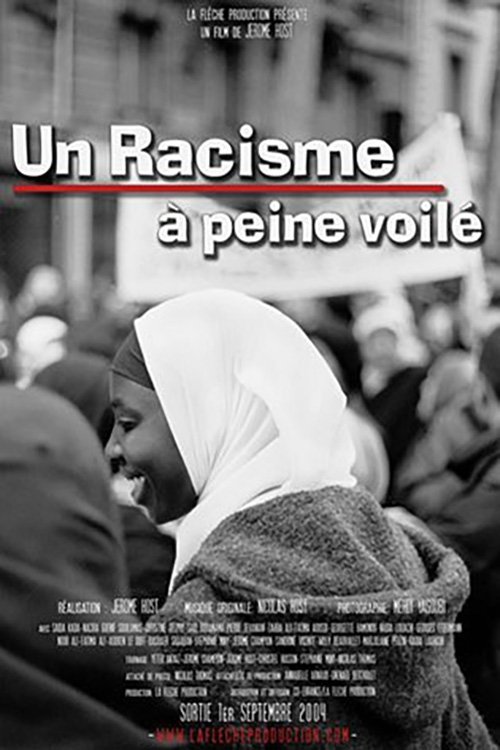
October 2003, Alma and Lila Levy are excluded from the Lycée Henri Wallon in Aubervilliers solely because they were wearing a headscarf. What follows is a deafening political and media debate, justifying in most cases the exclusion of girls wearing head-scarves to school. February 2004, a law was eventually passed by the National Assembly. "A thinly veiled racism" is about this controversy since the affair of Creil in 1989 (where two schoolgirls were excluded for the same reasons) and attempts to "reveal" that maybe what hides behind is the desire to exclude these girls. This film gives them a voice as well as others - teachers, community activists, feminists, researchers - gathered around the group "A School for You-All" fighting for the repeal of this law they consider sexist and racist ... This movie was censured in Septembre 2004 in France.
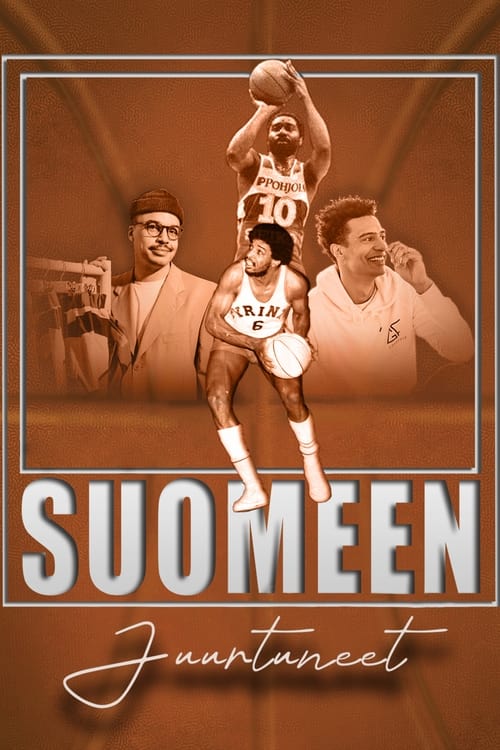
Shawn Huff and Ervin Latimer Jr. are the children of African-American basketball players Leon Huff and Ervin Latimer Sr. who arrived in Finland in the 1970s. They have grown up to become Finnish social and political influencers through their fathers' perseverance, ambition and the societal racism that has been passed down through the generations to their sons. The sons channel the experiences of their silent fathers into action and both generations fight for a more equal world.
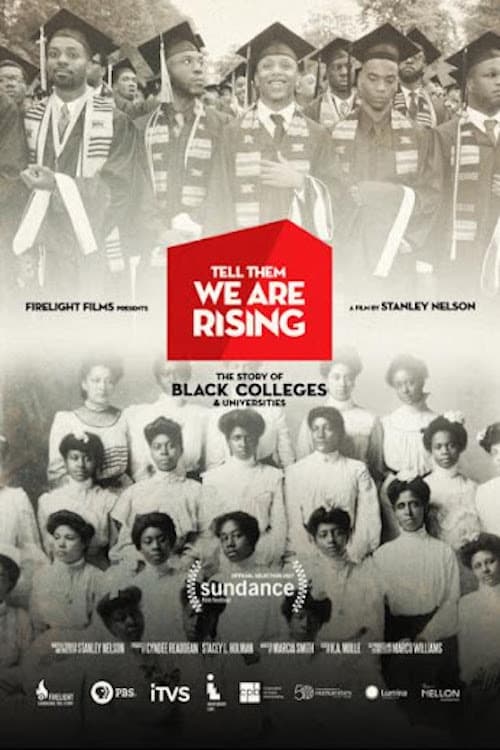
A haven for Black intellectuals, artists and revolutionaries—and path of promise toward the American dream—Black colleges and universities have educated the architects of freedom movements and cultivated leaders in every field. They have been unapologetically Black for 150 years. For the first time ever, their story is told.