First part of a two-part documentary about the now largely defunct network of local railways in the areas around Erlangen and Forchheim, Germany.
Documentary film about the Slovak Youth Line - a railway line built by the Czechoslovak youth from Hronská Dúbrava to Báňská Štiavnica and Letovice.
Somewhere in the world right now--much closer than you think--people are playing with trains. You might not see them at first, but they're there. In basements. In garages. In converted Army barracks. They're among the world's most compelling underground communities.
A day-to-day record of the construction of the Confederation Bridge linking Prince Edward Island to the mainland, Abegweit reveals some of the innovations that made this mammoth project one of the most impressive engineering feats in Canadian history.
A film about winter railroading in the Canadian Rockies and the men who keep the lines clear. The stretch between Revelstoke and Field, British Columbia, is a snow-choked threat to communications. The film shows the work of section hands, maintenance men, train crews and telegraph operators.
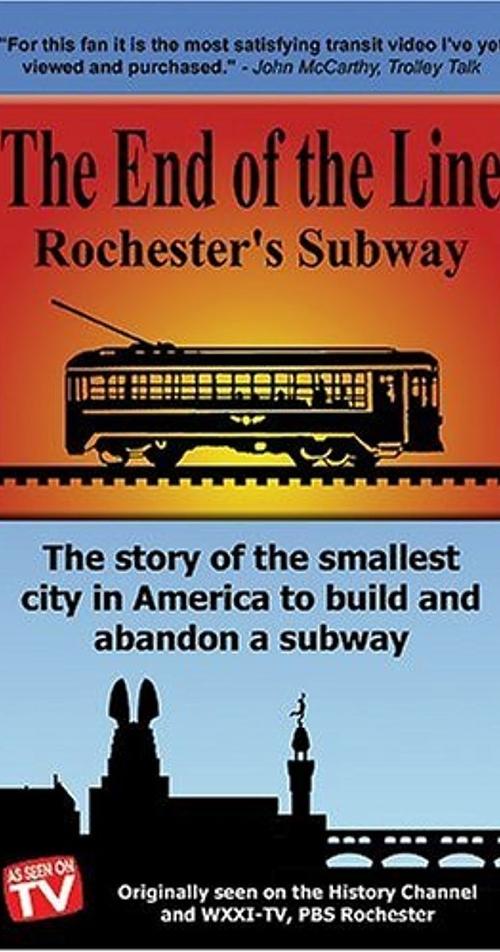
"The End of the Line - Rochester's Subway" tells the little-known story of the rail line that operated in a former section of the Erie Canal from 1927 until its abandonment in 1956. Produced in 1994 by filmmakers Fredrick Armstrong and James P. Harte, the forty-five minute documentary recounts the tale of an American city's bumpy ride through the Twentieth Century, from the perspective of a little engine that could, but didn't. The film has since been rereleased (2005) and now contains the main feature with special portions that were added as part of the rereleased version. These include a look at the only surviving subway car from the lines and a Phantom tun through the tunnels in their abandoned state, among others, for a total of 90 minutes of unique and well preserved historical information.
A documentary on the passing of the steam locomotive as the primary means of transportation in the United States
A travelogue, this film provides a guided tour of pre-World War II Utah and of course does not pretend to cinematic greatness. Recommended viewing for those in search of introductory Utah history. Also valuable for persons seeking insight into the state as it would have looked during this time period. Especially informative for those desiring a window into the past for a view of how Utah was in the days of their pre-World War II progenitors living in the state. Those whose Utah ancestors were involved in mining, railroading, sugar beets, and other featured industries; featured towns, sights, recreational attractions, and industries may find this otherwise banal travelogue a quite valuable addition to their family history.
A BFA Educational media production on western expansion via railroads and the role they played in the foundation of the Americas
The story of the railroad man in his role in keeping the trains moving on the rails.
A documentary on railroads doing their daily tasks created by trhe The Milwaukee Railroad
Documentary filmmakers offer a fascinating look at one of the most spectacular engineering feats of the 19th Century as the story of the Transcontinental Railroad comes to life in a film that's sure to appeal to historians and railroad enthusiasts alike. As legions of tireless workers toiled for six years to realize the vision of shady entrepreneurs and imaginative engineers, the remarkable railway dream slowly became a reality. But not everyone was so pleased with the remarkable achievement. Despite the devastating effect that the tremendous transportation breakthrough would have on the Native American population, the lasting impact of the Transcontinental Railroad on the politics and culture of a rapidly expanding country would forever mark it as an invaluable component of the American success story.
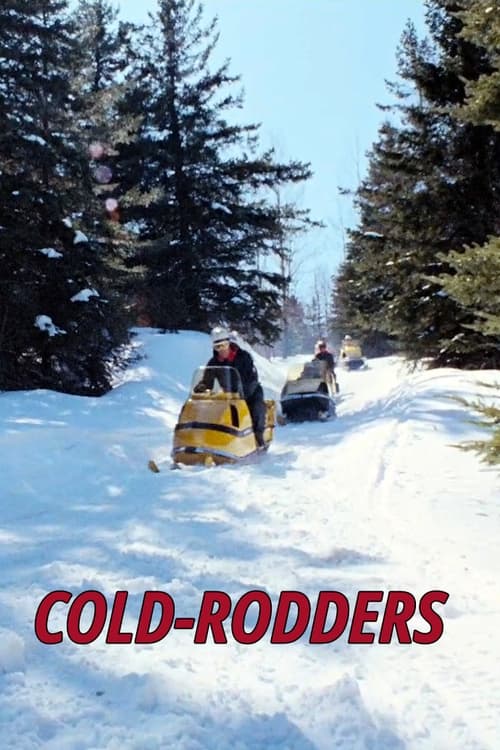
An amusing view of the machine that has taken the country by winter storm: the snowmobile, revving, raring, ready to go. What the motorboat was to the summer lake, this motorized sled now is to the snow-covered fields. This film shows it all--the pull of this sit-down sport, the eagerness of the trade to keep it booming, the daring rivalry of the racing crowd, and the bemused pleasure of the family outing.
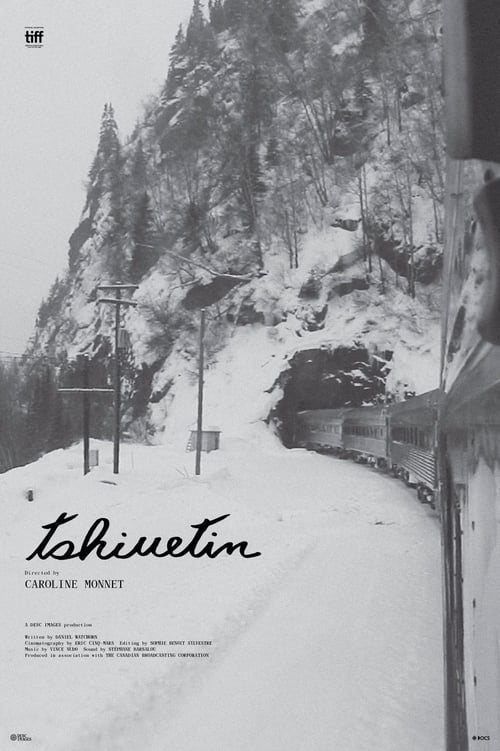
Take a breathtaking train a ride through Nothern Quebec and Labrador on Canada’s first First Nations-owned railway. Come for the celebration of the power of independence, the crucial importance of aboriginal owned businesses and stay for the beauty of the northern landscape.
No overview available.
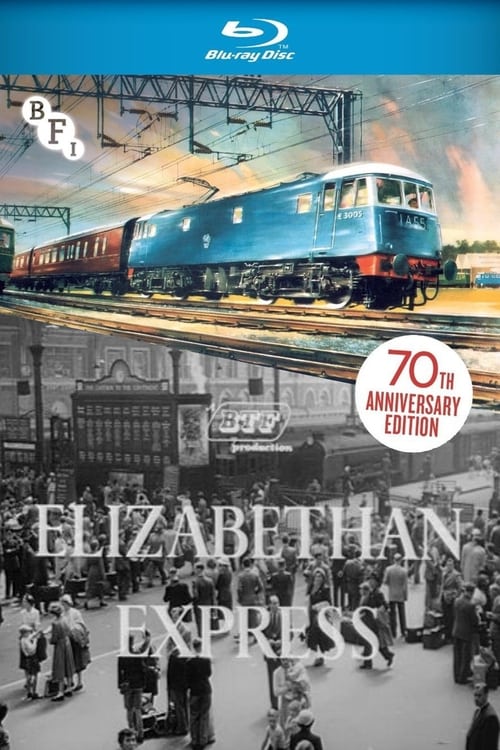
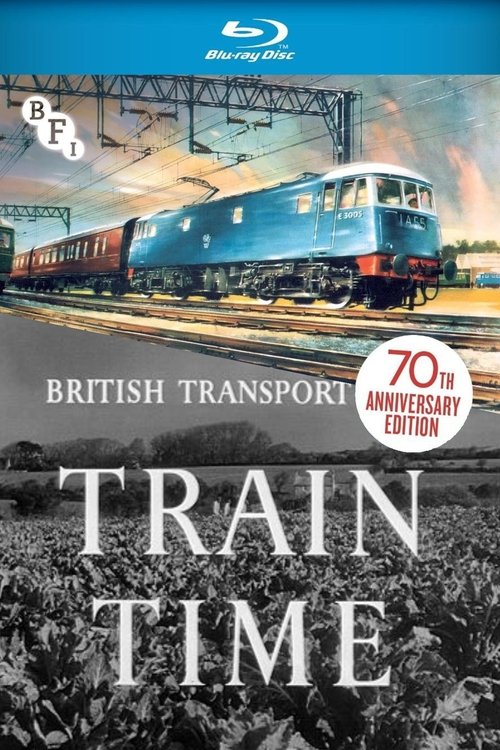
Originally intended as an advertising short, this film follows The Elizabethan, a non-stop British Railways service from London to Edinburgh along the East Coast Main Line. A nostalgic record of the halcyon years of steam on British Railways and the ex-LNER Class A4.
A short documentary about the transportation of goods and livestock by train around the UK.
This 1996 documentary takes a nostalgic ride through history to present the experiences of Black sleeping-car porters who worked on Canada's railways from the early 1900s through the 1960s. There was a strong sense of pride among these men and they were well-respected by their community. Yet, harsh working conditions prevented them from being promoted to other railway jobs until finally, in 1955, porter Lee Williams took his fight to the union.
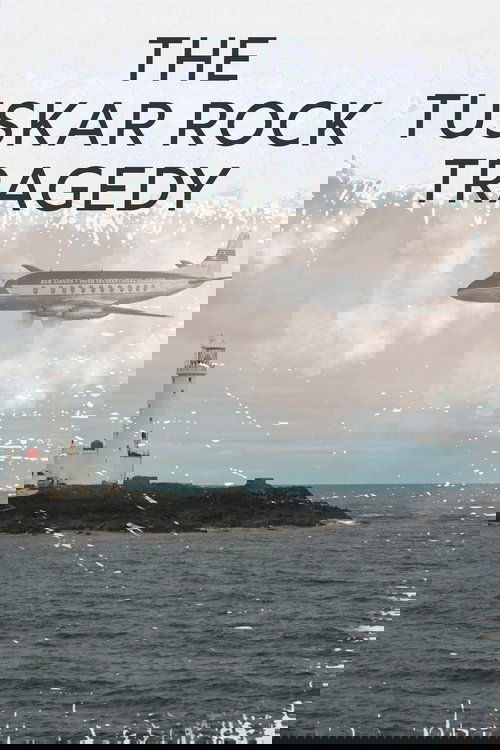
On 24th March 1968 an Aer Lingus plane carrying 61 passengers and crew crashed into the sea just off the Tuskar Rock lighthouse off the Wexford coast. There were no survivors. Family and friends of those onboard tell their story of loss and the theories of what happened.
After the last train at night and before the first in the morning, 800 people are hard at work behind the scenes making London's Underground fit to travel on. Including brushing dust from ventilation ducts, ‘fluffers’ cleaning up rubbish, routine rail replacement and fixing a broken rail discovered at 3.30am.
No Trailers found.
Narrator