Bits and blocks are the home of the Super Vario Birds who are dancing to the 8bit symphony of Ludwig van Beethoven.
No Trailers found.
Arbitrary Logic, an interactive audio-visual synthesiser was first presented under the working title Osnabruk at the Osnabruk festival of 1987 and later as part of an improvised and computer music performance with Keith Rowe at the London Filmmakers Cooperative, December 1989.
Part one of the two part abstract video art-piece, with music composed by Philip Glass and performed by the Kronos String Quartet.
Enigma is something of a more glamorous version of White Hole, with a wide variety of elaborate textures (often composed of iconographic and religious symbols) converging towards the centre of the screen.
Confined to an endlessly burning waiting room, a dying sedentary woman experiences herself blurring in and out of her body. In her last remaining fragments she tries to make amends with her spirit before her remaining fragments either decay or create.
Guy Ben-Ner, one of Israel's foremost video artists, gained international recognition with a series of low-tech films, starring his family in absurdist settings carved out of their intimate spaces and their everyday surroundings. Many of his videos are inspired by screenplays for films, folktales and novels. Analyzing these literary and cinematographic passages allows him to exploit the conventions of film narrative: how to tell a story, captivate an audience through a tale, sustain a degree of tension and entertainment, and so on. At the same time, he corrupts the magic of fiction by openly showing us the entrails of everything he records, without worrying about revealing the tricks of the trade. A large part of his filmic oeuvre features a conglomeration of cinematic and literary references which the artist quotes, adapts or interprets. Ben-Ner self-referentially links the great themes and their literary, cinematic and artistic realization.
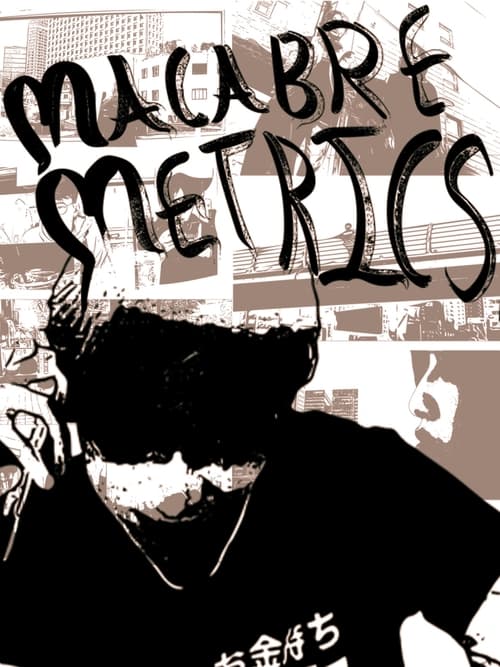
A young, wannabe streetwear influencer dying to make an impact on the world gets a lot more than he bargained for when a shy but obsessive fan decides to help him become a star for his own gain at the expense of everyone else involved. Macabre Metrics is an almost feature-length, visually experimental exploration into the world of image culture set in Seoul. Shot entirely on iPhone with animated sequences.
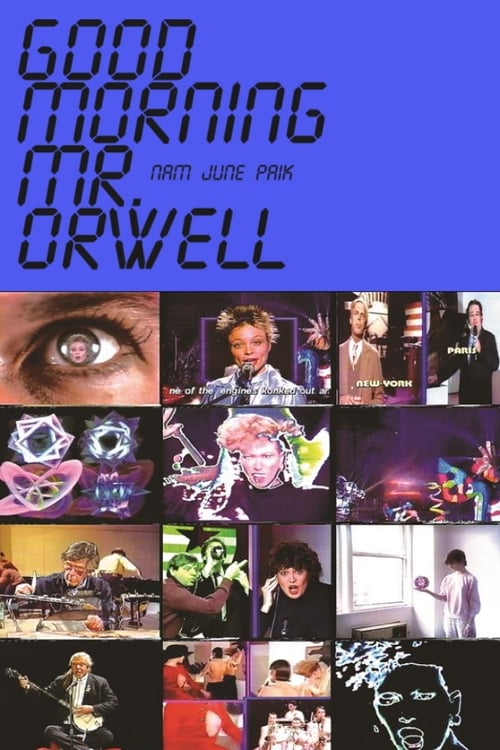
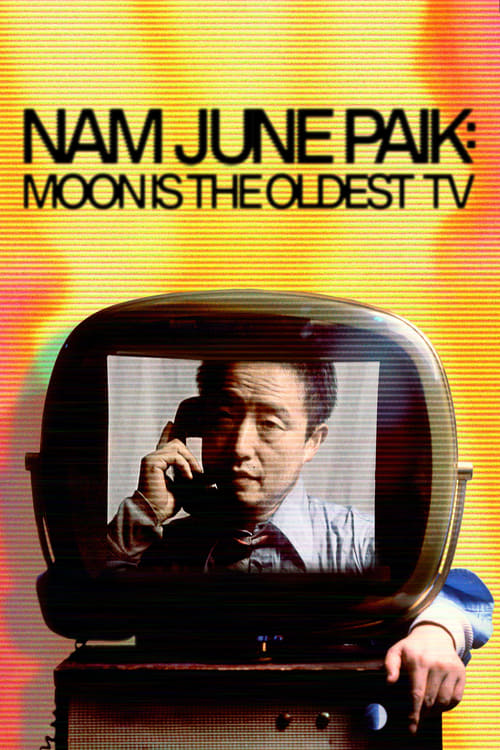
In his book "1984", George Orwell saw the television of the future as a control instrument in the hands of Big Brother. Right at the start of the much-anticipated Orwellian year, Paik and Co. were keen to demonstrate satellite TV's ability to serve positive ends-- Namely, the intercontinental exchange of culture, combining both highbrow and entertainment elements. A live broadcast shared between WNET TV in New York and the Centre Pompidou in Paris, linked up with broadcasters in Germany and South Korea, reached a worldwide audience of over 10 or even 25 million (including the later repeat transmissions).
In a city inhabited by drawn beings, an indigenous boy witnesses a holographic appearance. It is the arrival of an entity of unknown materiality. With a mysterious presence and exotic allegories, it starts to enchant the residents, awakening their most insane senses.
The Machine That Killed Bad People is about the cultural and political history of the Philippines leading up to the overthrow of President Ferdinand Marcos in 1986. It also addresses the role of electronic media in the struggle for power, and more broadly, American intervention in the Third World. Using a structure that emulates the way television news programs construct meaning through fragmentation, the tape interweaves clips of Filipino activists and reporters, a fictional television anchorwoman and correspondent, commentary by independent filmmaker Trinh T. Minh-ha, Fagin's off-camera voice and script, and anonymous excerpts from commercial television.
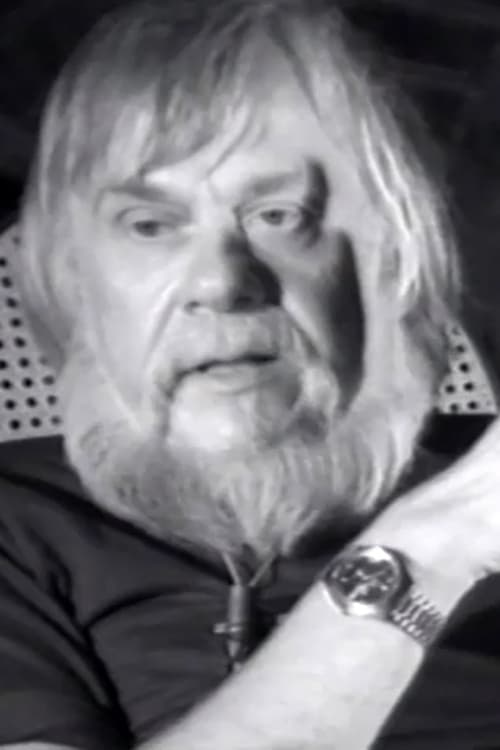
From his photo-text canvases in the 1960s to his video works in the 1970s to his installations in the 1980s, John Baldessari’s (b.1931) varied work has been seminal in the field of conceptual art. Integrating semiology and mass media imagery, he employed such strategies as appropriation, deconstruction, decontextualization, sequentiality, and text/image juxtaposition. With an ironic wit, Baldessari's work considers the gathering, sorting, and reorganizing of information. “Something that is part of my personality is seeing the world slightly askew. It’s a perceptual stance. The real world is absurd sometimes, so I don’t make a conscious attempt, but because I come at it in a certain way, it seems really strange,” Baldessari says in this interview with Nancy Bowen. A historical interview originally recorded in 1979 and re-edited in 2003 with support from the Lyn Blumenthal Memorial Fund.
The quixotic journey of Nam June Paik, one of the most famous Asian artists of the 20th century, who revolutionized the use of technology as an artistic canvas and prophesied both the fascist tendencies and intercultural understanding that would arise from the interconnected metaverse of today's world.
A memorial mourns as time passes
Poet and artist Vito Acconci points his finger towards the camera and his own reflection in an offscreen video monitor.
This isn’t a film. It’s a leaked ritual. Somewhere between analog prayer and digital disease, a collection of gestures tried to become human again. They failed. Children orbit the fence like insects around an electric hymn. A figure holds a violin but never plays — his silence is louder than the sound. The man in the branches hasn’t fallen in years. The killer appears, or doesn’t — but you’ll feel him beneath the cuts, mouthing things you’ll wish you didn’t understand. There are bodies, sometimes clothed in flesh, sometimes not. There is scripture, mangled and reversed — not to mock it, but to unlock it. The voice speaks, but only when you stop listening. This is the place where lost footage remembers you. Where noise prays back. CHOKE ECHO was compiled under duress by 0xHamza in 2025 using material never meant to be rearranged. Watch it if you must — but it will keep watching after you close the tab.
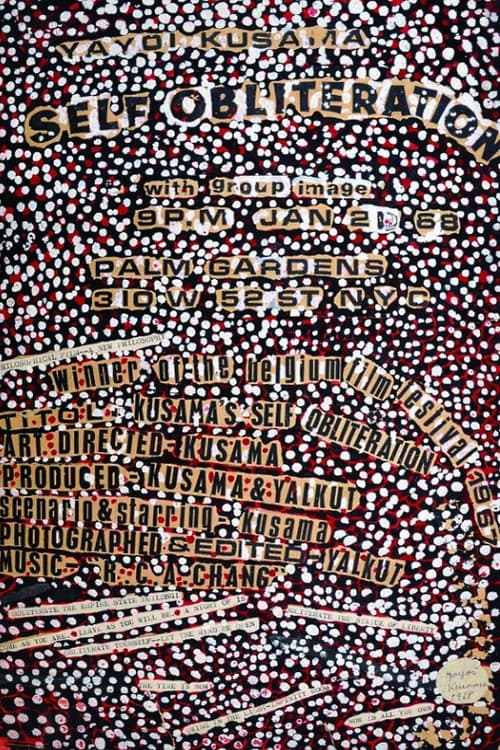
A film exploration of the work and aesthetic concepts of Yayoi Kusama, painter, sculptor, and environmentalist, conceived in terms of an intense emotional experience with metaphysical overtones, an extension of my ultimate interest in a total fusion of the arts in a spirit of mutual collaboration. —Jud Yalkut
Departing from the traditional factory lines of production on the plastic plant manufacturing industry. From there, the film expands into the realm of synthetic nature, portraying a highly engineered landscape,developed by startups. The images appear to be bound together by a dark slime—an oily, recurrent presence as a connection to the strange and gory logics of petro capitalism and global territories of extraction.Petroleum, in both refined and unrefined forms, serves as a temporal vector: it is the raw material for plastic plants, Revealing the absurd techno-solutionist vision of the future.
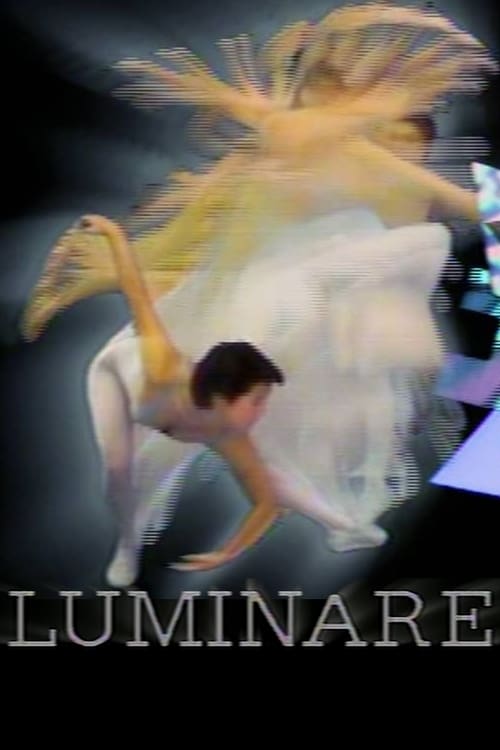
Abstract video art by John Sanborn and Dean Winkler. Dedicated to Ed Emshwiller.
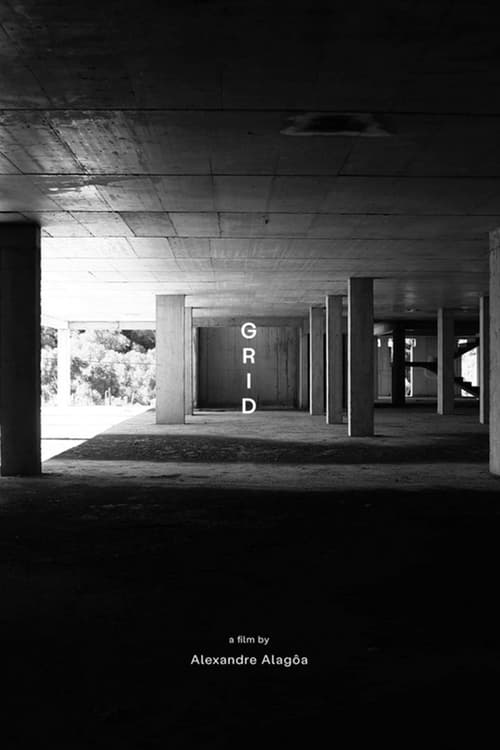
A ritual of grids, reflections and chasms; a complete state of entropy; a space that devours itself; a vertigo that destroys the gravity of the Earth; a trap that captures us inside the voids of the screen of light: «That blank arena wherein converge at once the hundred spaces» (Hollis Frampton).
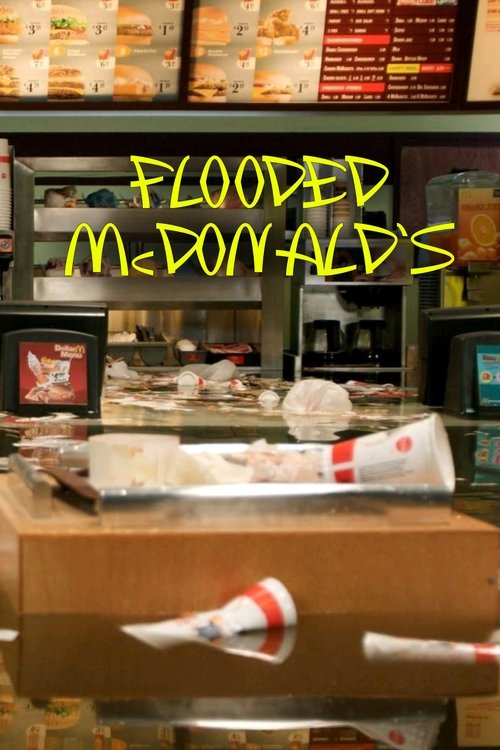
Flooded McDonald's is a new film work in which a convincing life-size replica of the interior of a McDonald's burger bar, without any customers or staff present, gradually floods with water.
Abstract video art set to the music of Philip Glass.
No Cast found.