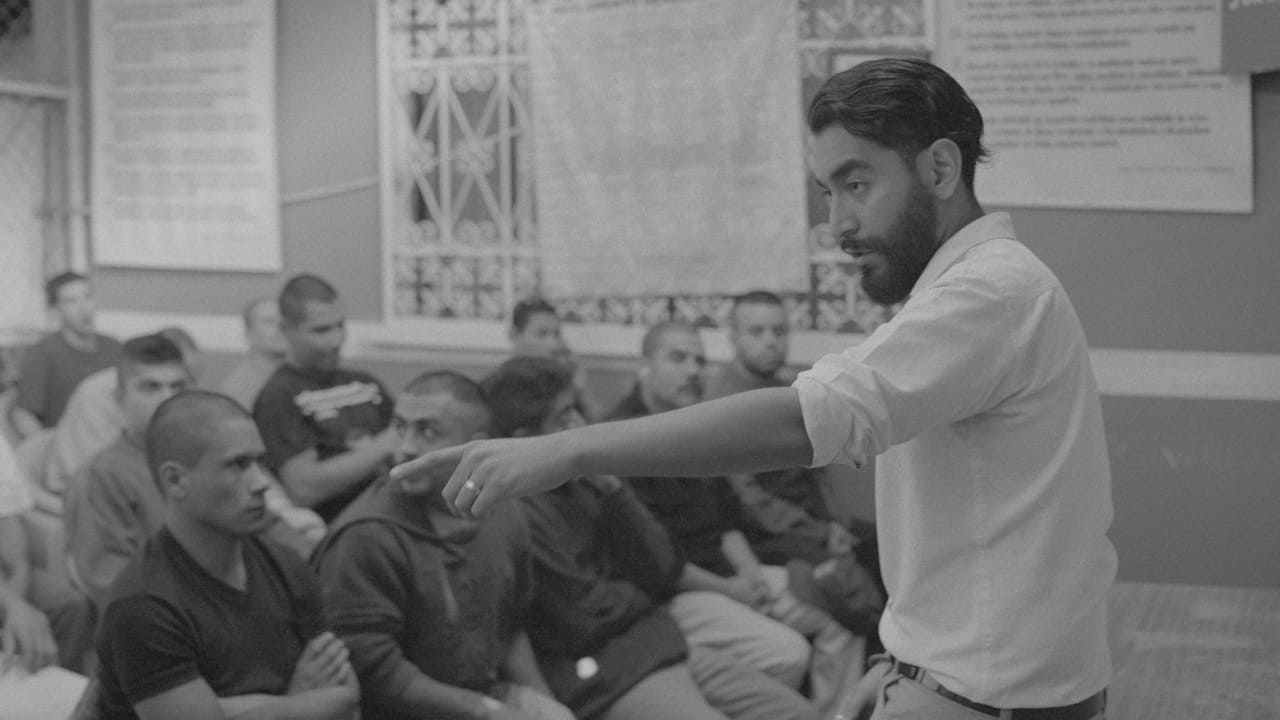
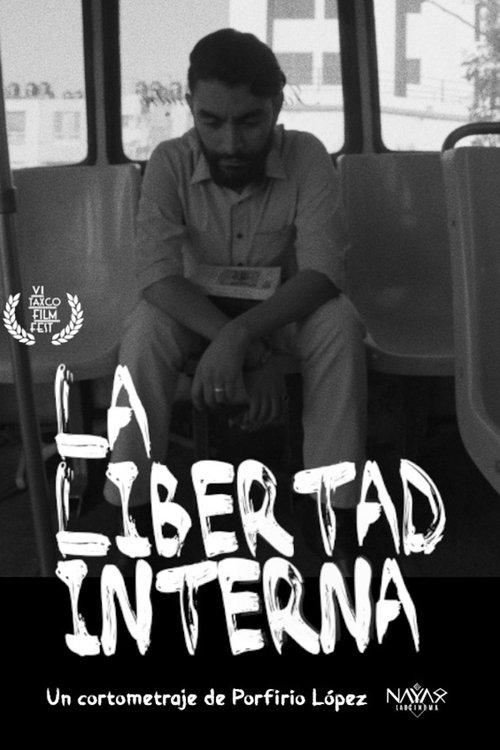
A man tries to get a group of young people trapped in drugs out through philosophy.
No Trailers found.
Filmmaker Alain Resnais documents the atrocities behind the walls of Hitler's concentration camps.
Director James Nguyen will release his short documentary film, CLIMATE FIX which suggests how carbon removal technology can be used to fix climate change-global warming.
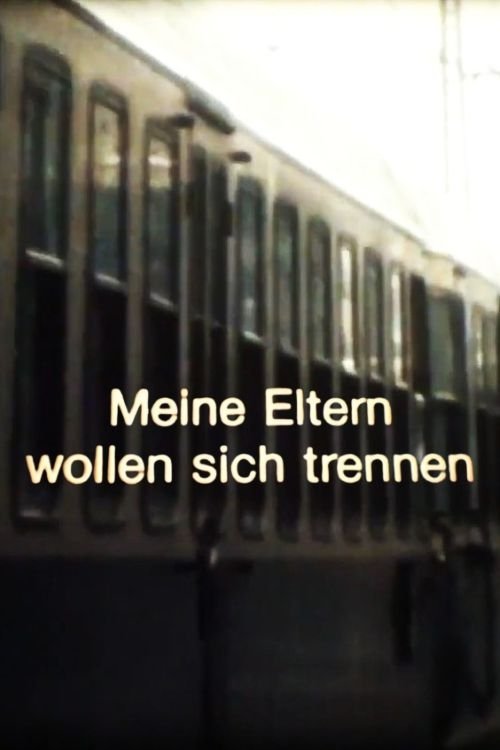
On the morning of her birthday, eight-year-old Katja learns what she has been afraid of for a long time: her parents want to separate. Instead of going to school, she takes the train into town to visit her older sister. Her sister tries to explain to Katja why everything happened and how things might continue.
Greek internal migrants in Athens, after the Greek Civil War colonize the tops of the Tourkovounia hills.
In conversations with passionate sociologist and political thinker Jean Pichette, the filmmaker views the forced downtime stemming from the current crisis as an opportunity to rethink our modes of existence and our relationship to others, nature, science, the economy, art, politics—in short, everything that makes us human.
No overview available.
Follows homeless, addicted and alienated Greenlandic women in Copenhagen, Denmark; includes fragments of Greenlandic culture.
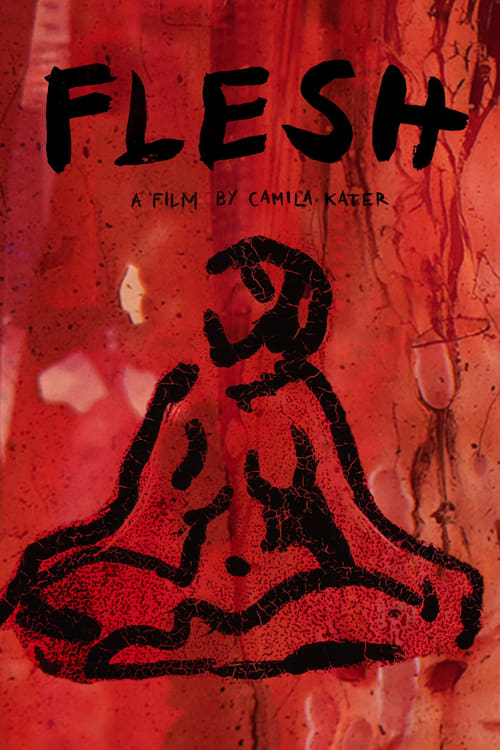
Rare, medium rare, medium, medium well and well done. Through intimate and personal stories, five women share their experiences in relation to the body, from childhood to old age.
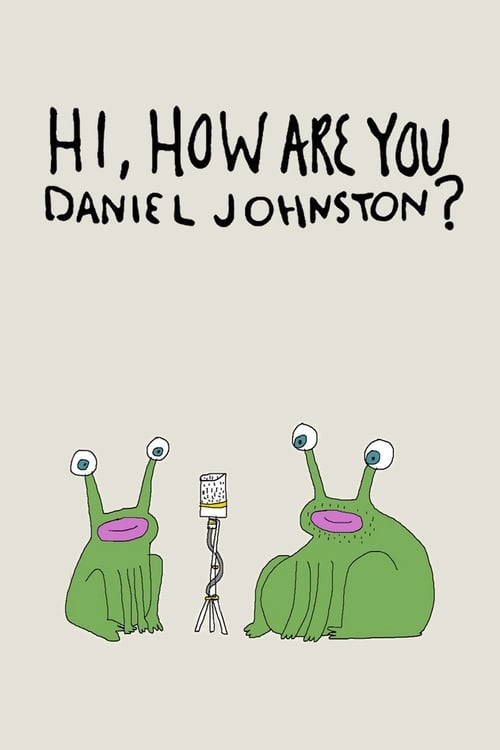
Daniel Johnston stars in this psychedelic short film about an aging musician coming to terms with the dreams of yesteryear.
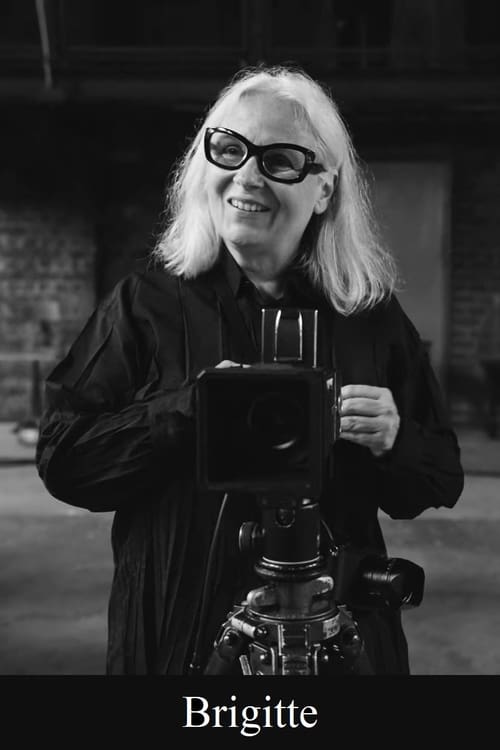
An insight into the creative process of photographer Brigitte Lacombe, exploring her obsession with taking pictures and how her lens defines her relationship with her subjects and the world.
The film sheds light on the topic of the high divorce rate among young people in the form of journalistic statements and scenes as well as analytically reflected statements and statements of experience by sociologist Dr. Ursula Hempel, divorced and single mother of two adolescent children, and her cousin, a puppeteer who is also divorced.
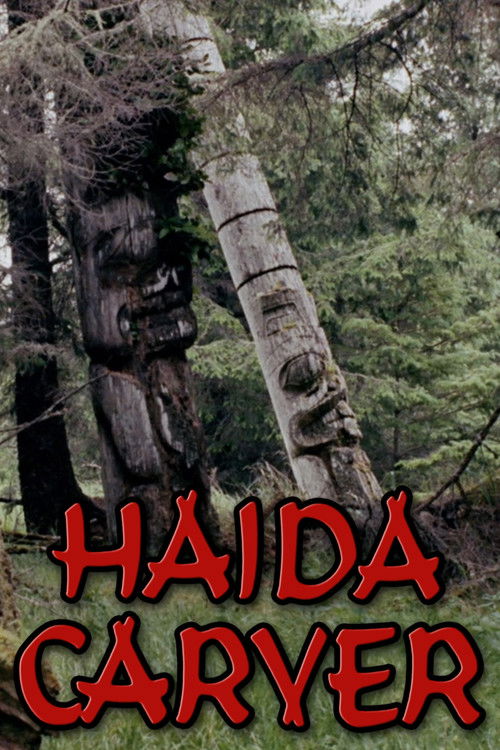
On Canada's Pacific coast this film finds a young Haida artist, Robert Davidson, shaping miniature totems from argillite, a jet-like stone. The film follows the artist to the island where he finds the stone, and then shows how he carves it in the manner of his grandfather, who taught him the craft.
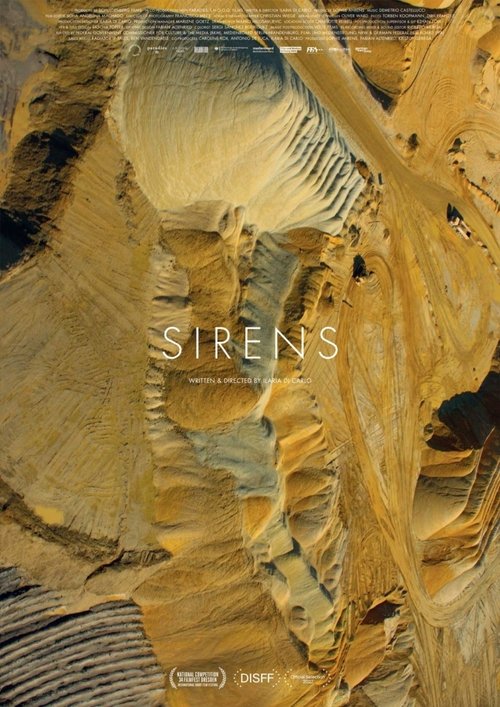
Monolithic power plants; billowing columns of smoke; the backdrop of a red sun. Sirens is an experimental short documentary that captures Germany’s coal-fired power plants in their final years of generating energy. Shot entirely from helicopters, the film takes us on a journey through industrial wastelands, thus recalling the passage of Ulysses’ boat through the Sirens’ strait. An odyssey through the dystopian industrial world that has left a permanent mark on earth’s ecosphere.
A short film of the first weeks of strict national lockdown, filmed in Barcelona on a classic home video camera Hi8. Narrates the story of three women who share a flat and who create a microworld not only to survive the global pandemic but also to survive themselves.
Having Cuba as a background, decadent and in crisis, in a black-and-white lacerated by the Caraibic swinging rain, Alex and Edith, a couple in their 30s, live their love story made of small daily gestures, stories from the past, nostalgia, and a deep intimacy.
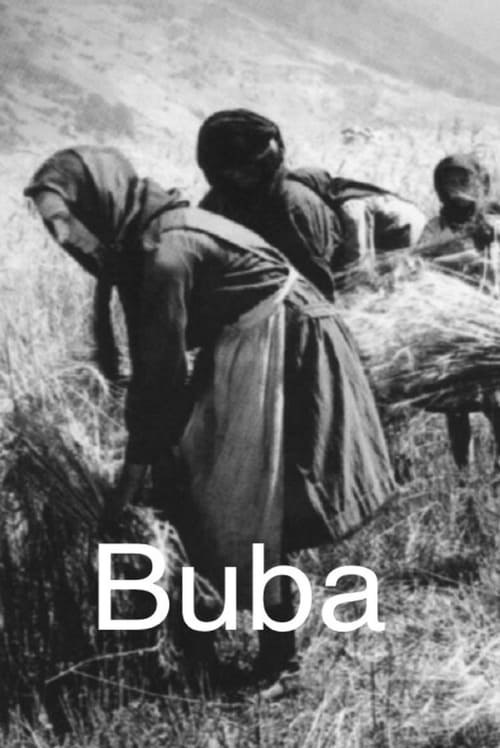
This documentary film is about one of Georgia's regions - Racha. The title of the film is taken from the name of one of Racha's high mountain villages. It tells about the poorest in society living in the mountains and the rise of the SSSR. The product of a remarkable collaboration between the first Georgian female filmmaker and the leading Georgian avant-garde artist David Kakabadze.
Find Fix Finish delves into the stories of three US-Drone pilots revealing the clandestine operational strategies practiced by the US Government.
A 20-minute documentary film about the Kyrgyz people living by the Narym River.
Life in a Kyrgyz aul (village) in the mountains connected to the rest of the world by a cable bridge, and the teenage boys who are constructing the rope of the bridge. A rope bridge which the locals call “The devil’s bridge” forms part of each and every event which takes place in a small village lost in the mountains of the Kyrgyz Republic. A platform driven by a huge winch which they have to pull with their own strength to cross the torrent is their only link with the outside world. But the director of the documentary wondered something else: “Does this bridge unite or does it actually separate?” Through the mist and over the thrashing waters, the inhabitants of the area glide along their ropes. A film, in the director’s own words, about ordinary people who live in an extraordinary place.