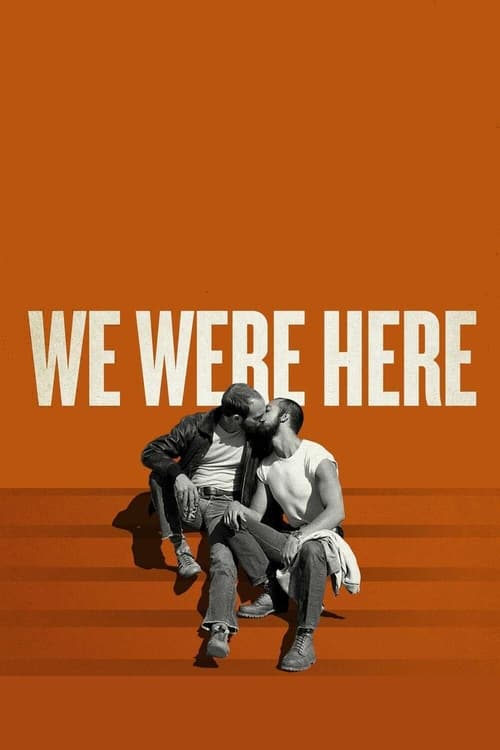
A reflective look at the arrival and impact of AIDS in San Francisco and how individuals rose to the occasion during the first years of the crisis.
No Trailers found.
Self
A contrast between two kinds of attitudes to gay liberation in Adelaide.
When his older boyfriend loses interest in him, the filmmaker relocates to Chicago and uses dating apps to cast new lovers in an amorphous project that his mother hates.
Scenes shot at two national gay marches on Washington, DC are juxtaposed to reveal some of the devastating changes in the gay movement from 1979 to 1987, as hope is replaced by frustration and mourning. In Hubbard's roving footage we follow the shifts in spirit, age and racial composition of the demonstrators and witness the growing organization of the protest spectacle, as ragtag bunches of rebellious marchers give way to marching bands and the unfurling of the Names Project AIDS Quilt.
The film interweaves the personal accounts of polio survivors with the story of an ardent crusader who tirelessly fought on their behalf while scientists raced to eradicate this dreaded disease. Based in part on the Pulitzer Prize-winning book Polio: An American Story by David Oshinsky, Features interviews with historians, scientists, polio survivors, and the only surviving scientist from the core research team that developed the Salk vaccine, Julius Youngner.
A history of the political and social repression carried out by the ruthless regime of Spanish dictator Francisco Franco between 1936 and 1975 that focuses on the lives of gays and lesbians during those dark years and the death of the Spanish gay poet Federico García Lorca.
Five transgender women share their prison experiences. Interviews with attorneys, doctors, and other experts are also included.
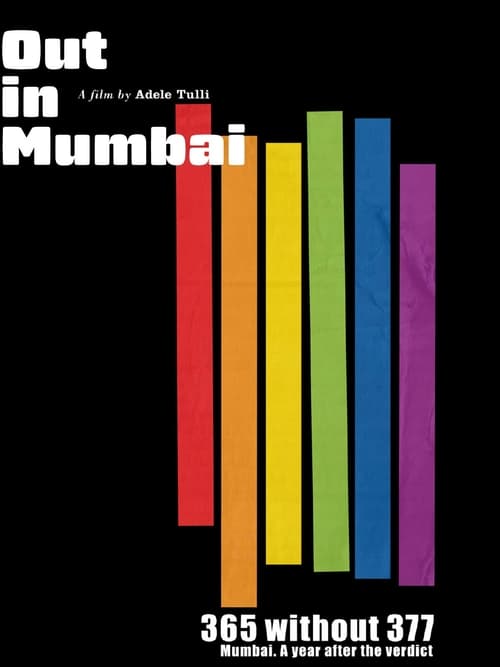
Imposed under the British colonial rule in 1860, Section 377 of the Indian Penal Code criminalise any sexual acts between consenting adults of the same sex, stigmatising them as 'against the order of nature'. On July 2, 2009 the Delhi High Court passed a landmark judgment scrapping this clause, thus fulfilling the most basic demand of the Indian LGBTQ community, which had been fighting this law for the past 10 years. Three characters, Beena, Pallav and Abheena travel through the city of Bombay heading to the celebrations for the first anniversary of the historic verdict. '365 without 377' is the story of their journey towards freedom.
The video revolution of the 1970s offered unprecedented access to the moving image for artists and performers. This Is Not a Dream explores the legacies of this revolution and its continued impact on contemporary art and performance. Charting a path across four decades of avant-garde experiment and radical escapism, This Is Not a Dream traces the influences of Andy Warhol, John Waters and Jack Smith to the perverted frontiers of YouTube and Chatroulette, taking in subverted talk shows and soap operas, streetwalker fashions and glittery magic penises along the way.
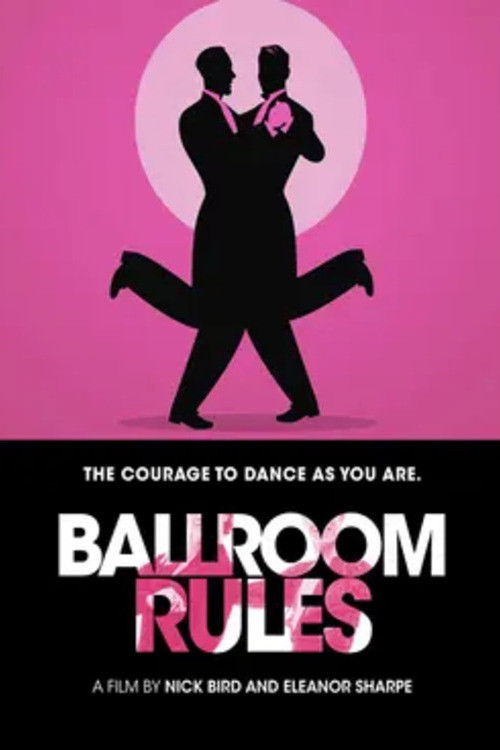
A passionate group of Australian same-sex ballroom dancers battle homophobia, injury and personal drama as they pursue their dream of competing at the Gay Games in Germany.
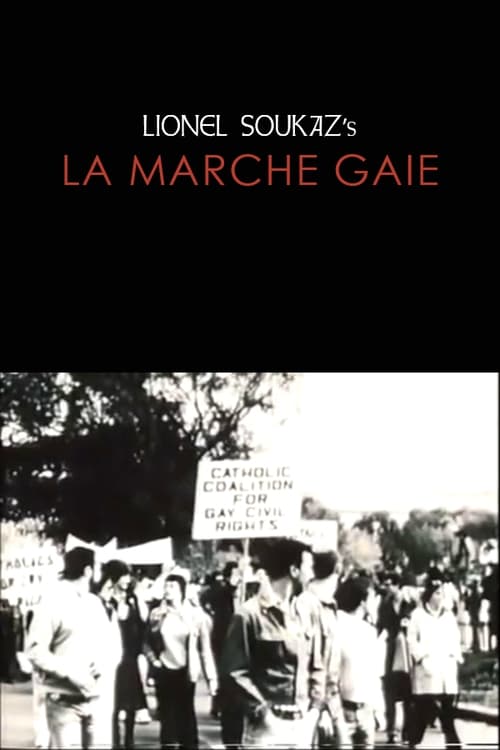
A short documentary about the October 14 1979 March For Lesbian And Gay Rights in Washington D.C.
Deep Brazil. Between drifting through a city in the interior of Mato Grosso on the banks of the BR-163, we follow moments of the routine of Ana Rúbia, who is preparing for the launch of the book “School Memories of Travestis”.
It was called the Black Death, a disease that started in the 14th century, and swept across Europe wiping out half the population, one of the most lethal killers in human history. But the cause of the Black Death has eluded scientists. Now, Evolutionary biologist Hendrik Poinar embarks on an epic journey to solve the 600-year old mystery and change the way we fight infectious diseases today.
Trans man Stafford candidly tells the story of a memorable encounter he had at a sex club.
These men are undergoing a crucial stage of self-discovery, but for better or worse - they will not go through it alone. A selection of 6 shorts about the complexities of gay and male sexuality. Includes: Along the Road [Längs vägen] (2011); Drives [Pulsiones] (2009); Frozen Princess [Princesa de hielo] (2017); Naked [Desnudos] (2013); Swimming Pool [Piscina] (2017); Visibles (2018).
The story of how police repeatedly allowed a serial murderer to slip through their fingers. Stephen Port date-raped and murdered four young gay men in East London within fifteen months and dumped all four bodies within a few hundred metres of each other. The film tells the story through eyes of the families of Port's victims, unpicking how the police failed to properly investigate each of the deaths in turn. The police's assumptions that these young gay men had died from self-inflicted overdoses of chem-sex drugs allowed Port to continue raping and killing innocent young men.
The shocking story of Richard Leopold and Nathan Loeb, two wealthy college students who murdered a 14-year-old boy in 1924 to prove they were smart enough to get away with it.
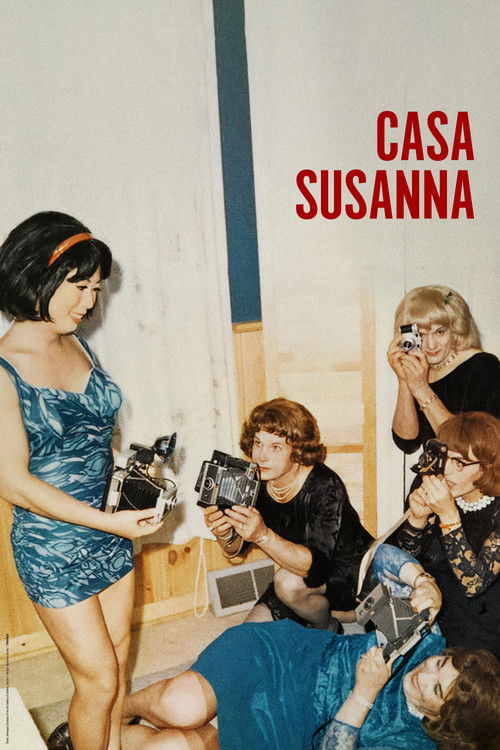
In the 50s and 60s, deep in the American countryside at the foot of the Catskills, a small wooden house with a barn behind it was home to the first clandestine network of cross-dressers. Diane and Kate are now 80 years old. At the time, they were men and part of this secret organization. Today, they relate this forgotten but essential chapter of the early days of trans-identity. It is a story full of noise and fury, rich in extraordinary characters, including the famous Susanna, who had the courage to create this refuge that came to be known as Casa Susanna.
A documentary focused on infectious disease outbreaks.
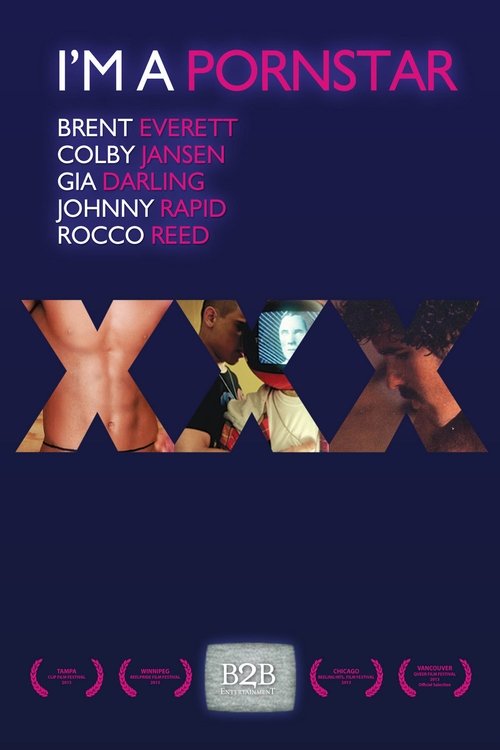
I'm a Porn Star follows the lives of guys in the neighborhood who are likely a lot more famous than you - at least on the Internet. There are an estimated 370 million pornographic websites on-line. Porn is now a thirteen BILLION dollar business. So who's doing all this moonlighting? Turns out -- probably some people you know.
More than 50% of transgender boys have attempted suicide. Through two life stories, directors Lexie and Logan unravel why their community is particularly vulnerable to living and dying quietly.