No Trailers found.
No Cast found.
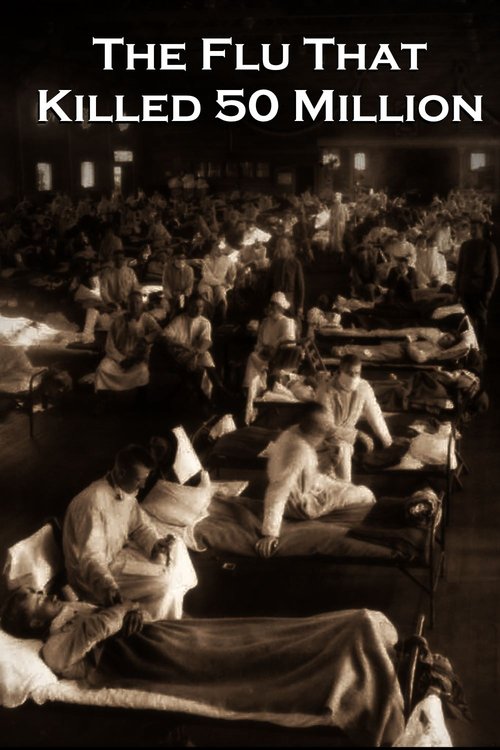
It is 1918 and the end of WWI. Millions have died, and the world is exhausted by war. But soon a new horror is sweeping the world, a terrifying virus that will kill more than fifty million people - the Spanish flu. Using dramatic reconstruction and eyewitness testimony from doctors, soldiers, civilians and politicians, this one-off special brings to life the onslaught of the disease, the horrors of those who lived through it and the efforts of the pioneering scientists desperately looking for the cure. Narrated by Christopher Eccleston, the film also asks whether, a century later, the lessons learnt in 1918 might help us fight a future global flu pandemic.
The grand opening dedication ceremony of the Smithsonian's National Museum of African American History and Culture.
Introduces the historical background necessary for understanding the progenation of John Dee's Enochian system of Theurgy into the world. This video covers the social context of Elizabethan-era England during the lifetime of Dr. Dee. compares the Sigilum Dei Aemeth, as it was used by John Dee, to the Alberti cipher disk, a poly-alphabetic encoder. Dee's version of the Sigilum incorporated both letters and numbers as a means of describing rotation of the disk (or of its elementary components) either clockwise or counter-clockwise. Examines the method of skrying Dee used, a form of crystal-ball gazing, to create his more complex system of Enochian magic.
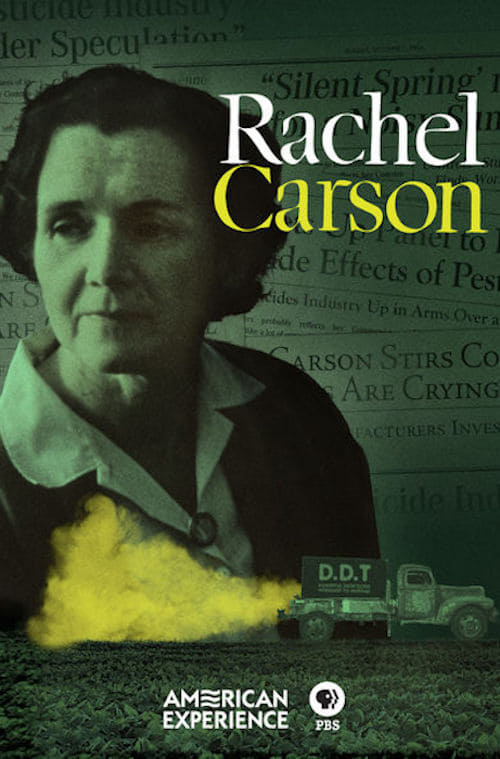
An intimate portrait of the woman whose groundbreaking books revolutionized our relationship to the natural world. When 'Silent Spring' was published in September 1962 it became an instant bestseller and would go on to spark dramatic changes in the way the government regulated pesticides.
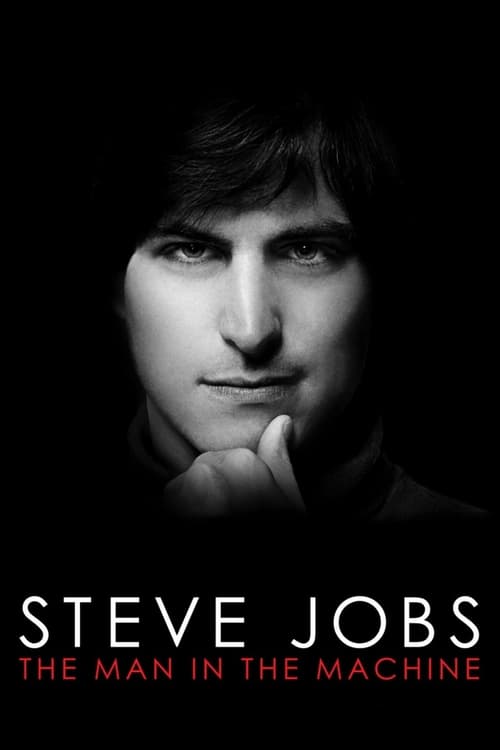
When Steve Jobs died the world wept. But what accounted for the grief of millions of people who didn’t know him? This evocative film navigates Jobs' path from a small house in the suburbs, to zen temples in Japan, to the CEO's office of the world's richest company, exploring how Jobs’ life and work shaped our relationship with the computer. The Man in the Machine is a provocative and sometimes startling re-evaluation of the legacy of an icon.
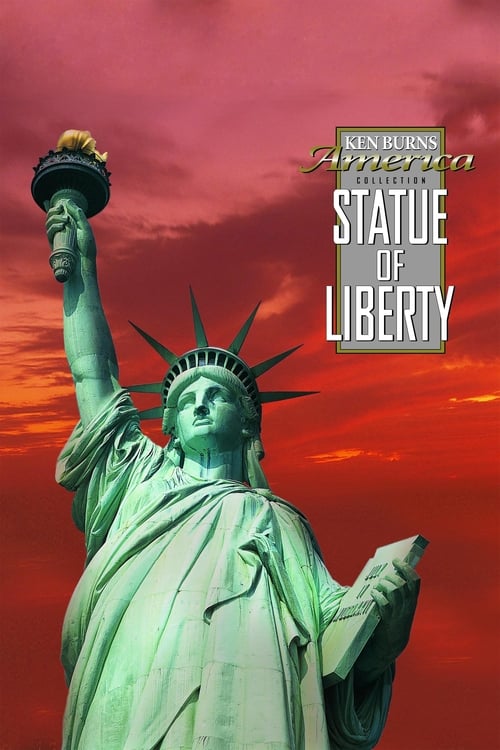
For more than 100 years, the Statue of Liberty has been a symbol of hope and refuge for generations of immigrants. In this lyrical, compelling and provocative portrait of the statue, Ken Burns explores both the history of America’s premier symbol and the meaning of liberty itself. Featuring rare archival photographs, paintings and drawings, readings from actual diaries, letters and newspapers of the day, the fascinating story of this universally admired monument is told. In interviews with Americans from all walks of life, including former New York governor Mario Cuomo, the late congresswoman Barbara Jordan and the late writers James Baldwin and Jerzy Kosinski, The Statue of Liberty examines the nature of liberty and the significance of the statue to American life. Nominated for both the Academy Award ® and the Emmy Award ®, The Statue of Liberty received the prestigious CINE Golden Eagle, the Christopher Award and the Blue Ribbon at the American Film Festival.
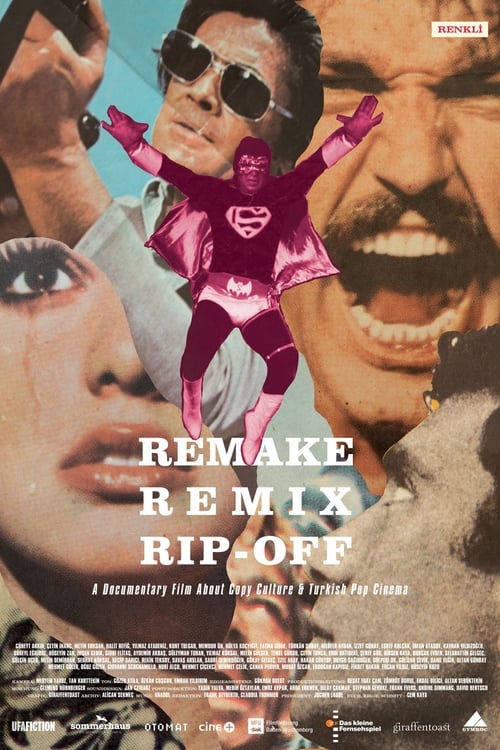
Turkey in the 1960s and 1970s was one of the biggest producers of film in the world. In order to keep up with the demand, screenwriters and directors were copying scripts and remaking movies from all over the world. This documentary visits the fastest working directors, the most practical cameramen and the most hardheaded actors to have a closer look into the country's tumultuous history of movie making.
Made for Italian national television, Ellis Donda’s Il Corpo Rubato (The Stolen Body) is an experimental documentary on psychoanalisis in 70s/80s Italy, its analytical practices and forms of suggestion.
For the past 40 years, Bruce Beach has been preparing for a nuclear disaster. A bunker of 42 school buses is buried on his property, designed to save humanity. Curious onlookers and interested preppers regularly visit the site named Ark Two, but it's clear that the creator of this decaying shelter is the only one truly convinced of its practicality in the event of an apocalypse. Now that Bruce is in his 80s, he and his wife Jean need to spend more time taking care of their immediate needs than worrying about the future. What could easily be dismissed as evangelical paranoia becomes a tragic yet uplifting story about a risk-taking inventor who has lived without regrets. Sometimes outside-the-box thinkers become millionaires and are recognized for their genius ability to guide us into the future, while others are pushed to the margins. There’s a lot to be learned from both
In the Renaissance castle of the Polish count - Jan Potocki - in Lancut, the modern traces of a past glory persevere and become visible again at the tones of Krzysztof Penderecki's music and Brothers Quay's imaginary animation.
The documentary "Caixa D'água: Qui-lombo is this?" It reports, through testimonies from former residents and photographic collections, the importance in the cultural and historical scope of the Getúlio Vargas neighborhood located in Aracaju, capital of Sergipe. Emphasis is placed on black culture and the presence of black slaves and their descendants, with the rescue of issues related to their origin, orality, geographical location and awareness of their racial identity, showing that, although this community exists in an urban area, it still maintains many aspects of the quilombo life of the former black slaves in Brazil.
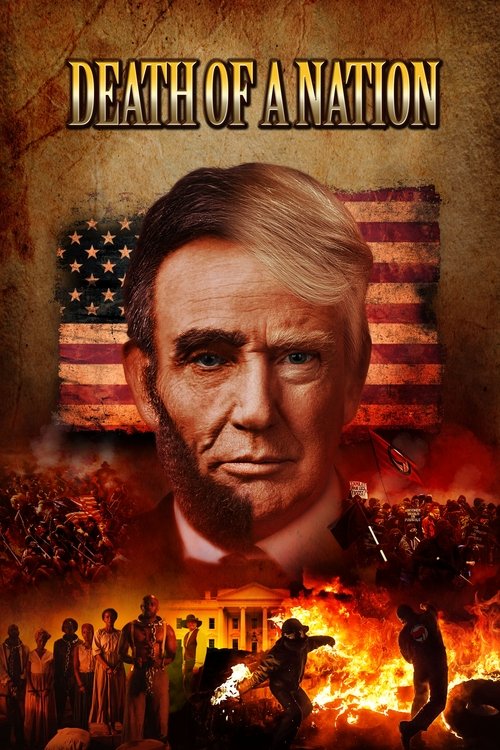
Parallels are drawn between Abraham Lincoln's presidency and the presidency of Donald Trump. Not since 1860 have the Democrats so fanatically refused to accept the result of a free election. That year, their target was Lincoln. They smeared him. They went to war to defeat him. In the end, they assassinated him.
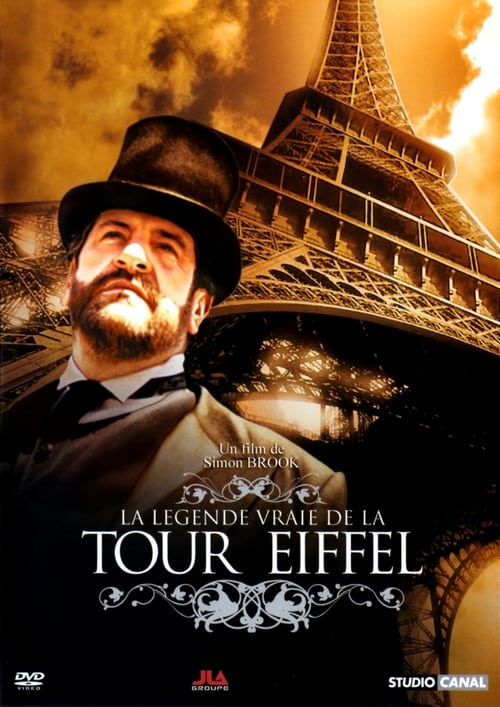
This movie is a docudrama relating the early history of the Eiffel Tower: From the planning to its first military use.
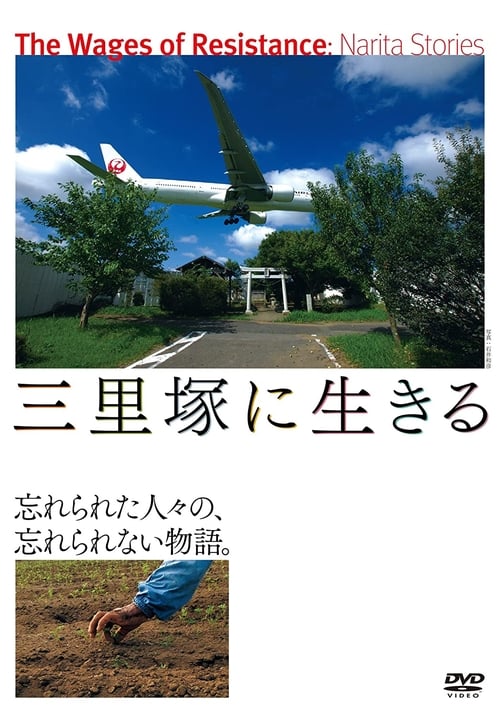
The Wages of Resistance is a feature-length documentary film that portrays an "extended span of time" of the protests against building Narita International Airport which have continued from the 1960's to today through documenting monologues of those whose lives were twisted by the movement.
A poignant documentary about the history of a family haunted by World War II. On the basis of archive material, documents left behind by her great-aunt Ro Miller and stories told by her father Eli Asser, Hella de Jonge reconstructs what happened to her family during, before and after the war. How they became aware of the danger, how they fled, how they hid, how they survived and how they died. And how, after the war was over, it continued to weigh on their lives. In Hella’s words, “The doctor advised my mother to have children, to help cope with the incredible loss.” A portrait of her grandmother, who died in the war, still hangs in her father’s living room. The filmmaker’s relationship with him has always been difficult. Fragments of memory never before discussed run together during an emotional journey embarked upon together by father and daughter to places of significance in the history of their family.
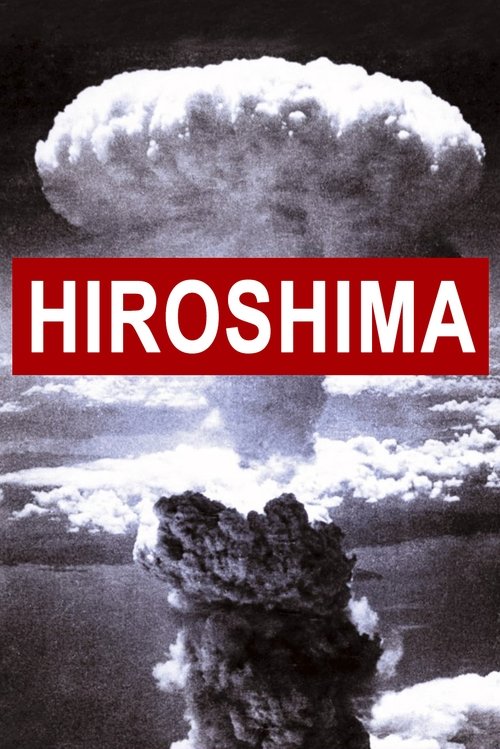
The documentary recounts the world's first nuclear attack and examines the alarming repercussions. Covering a three-week period from the Trinity test to the atomic bombing of Hiroshima, the program chronicles America's political gamble and the planning for the momentous event. Archival film, dramatizations, and special effects feature what occurred aboard the Enola Gay (the aircraft that dropped the bomb) and inside the exploding bomb.
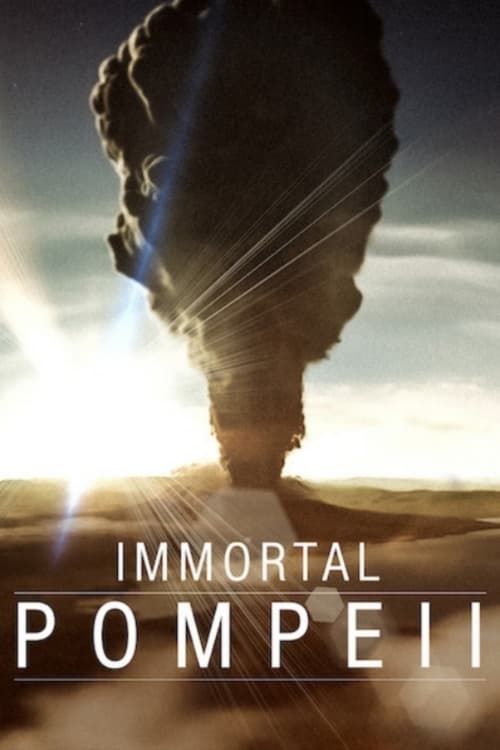
In 79 A.D., Mount Vesuvius erupted, killing 2,000 people. This documentary asks what happened next as experts explore Ancient Rome's crisis management.
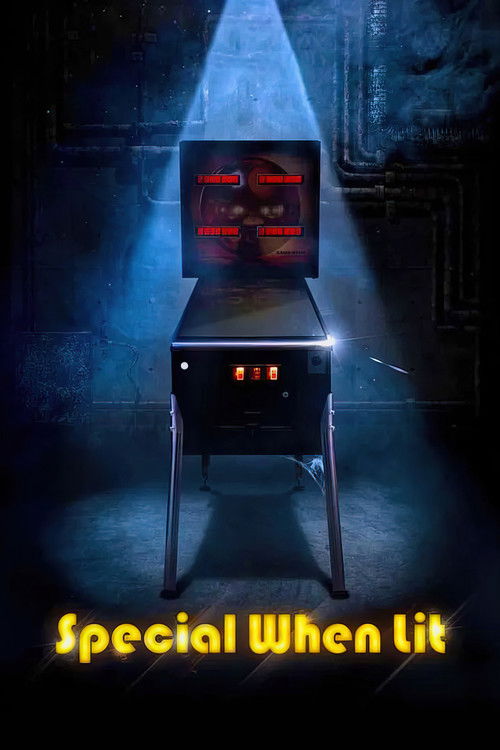
What made more money than the entire American movie industry through the 50s and 60s? Pinball. Special When Lit rediscovers the lure of a lost pop icon. A product of the mechanical and electrical age, the American invention swept the world and defined cool. Now it is relegated to a nostalgic footnote deserving a better fate. Joining the fans, collectors, designers and champion players from across the globe who share a world many of us didn't know still existed.
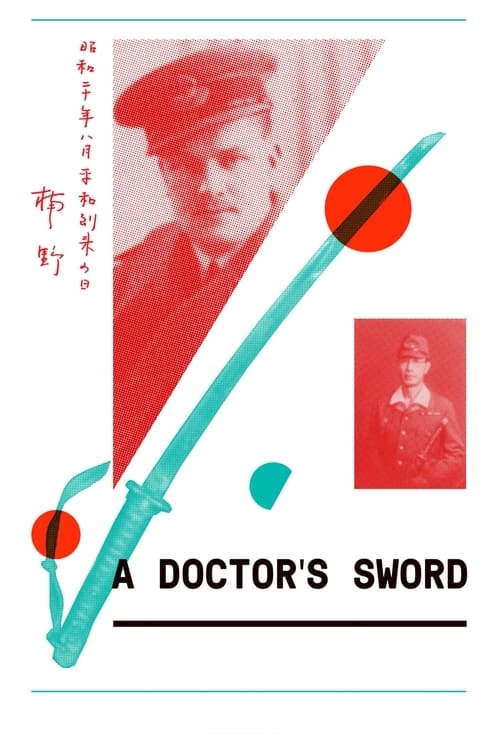
An Irish doctor survived the atomic bomb attack on Nagasaki and was given a Samurai sword for the lives he saved. 70 years later his family searches for the origin of their father's sword.
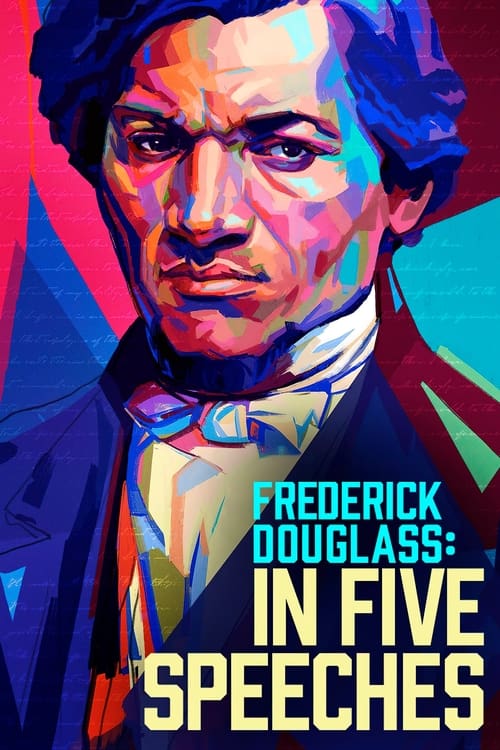
Acclaimed actors draw from five of Douglass’ legendary speeches, to represent a different moment in the tumultuous history of 19th century America as well as a different stage of Douglass’ long and celebrated life, while famed scholars provide context for the speeches, and remind us that Frederick Douglass’ words about racial injustice still resonate deeply today.