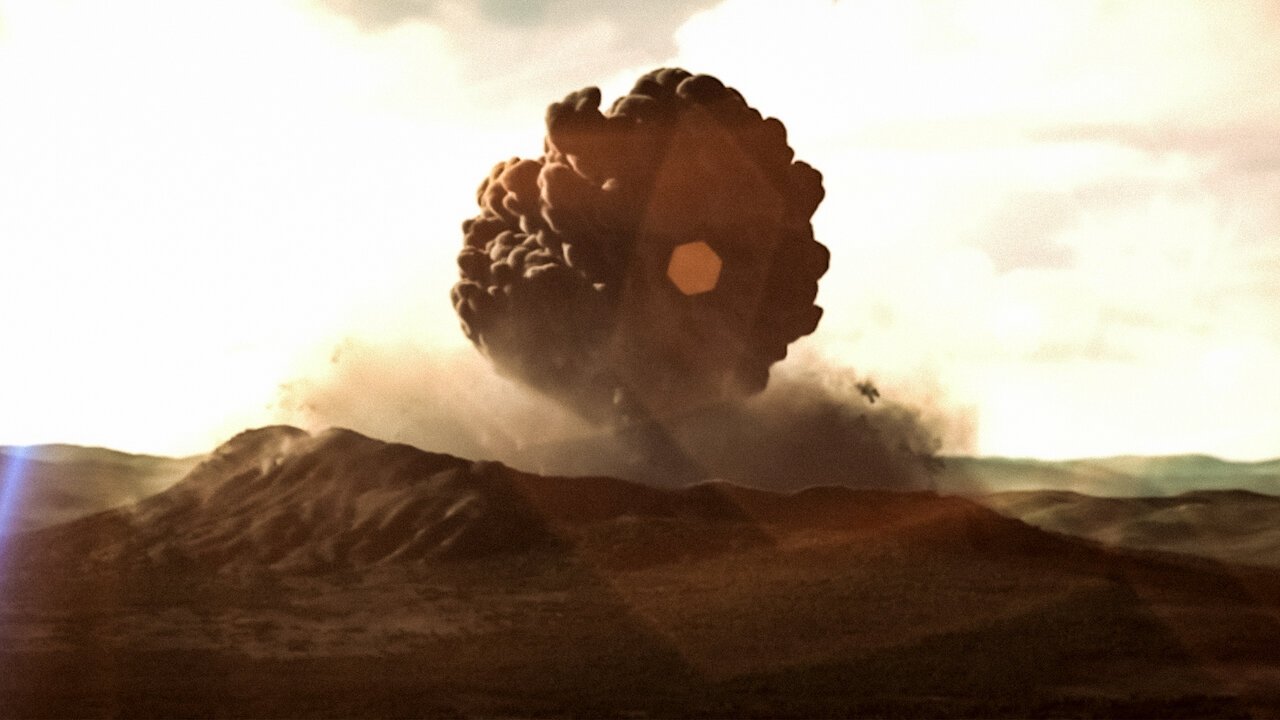
In 79 A.D., Mount Vesuvius erupted, killing 2,000 people. This documentary asks what happened next as experts explore Ancient Rome's crisis management.
No Trailers found.
In 2016, four mummies of the National Archaeological Museum of Madrid left their showcases headed to a well-known hospital in the capital of Spain. The objective: to study them with the most advanced radiological technology in the world. However, no one could imagine that, under the bandages of the so-called Golden Mummy, there would be a secret with more than two thousand years old. A hieroglyphic enigma that hid the identity of one of the best preserved Egyptian mummies in the world.
No overview available.
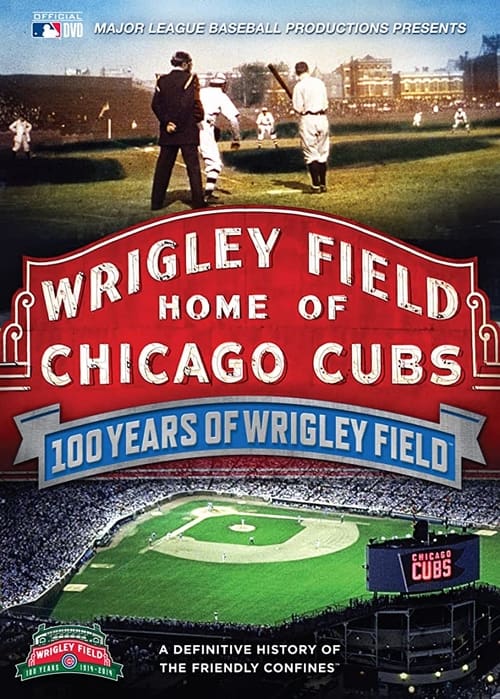
100 Years of Wrigley Field celebrates a century of the greatest moments and best personalities of the ballpark on Chicago's North Side.
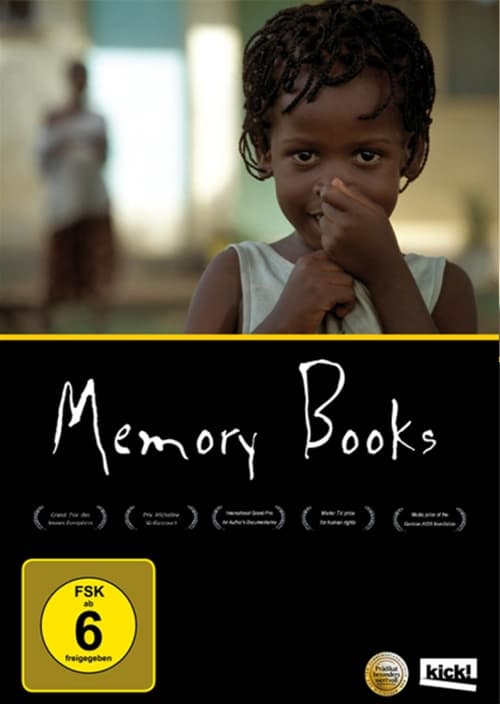
In Uganda, AIDS-infected mothers have begun writing what they call Memory Books for their children. Aware of the illness, it is a way for the family to come to terms with the inevitable death that it faces. Hopelessness and desperation are confronted through the collaborative effort of remembering and recording, a process that inspires unexpected strength and even solace in the face of death.
Music documentary about Billo Frómeta by director Rafael Marziano Tinoco from Venezuela.
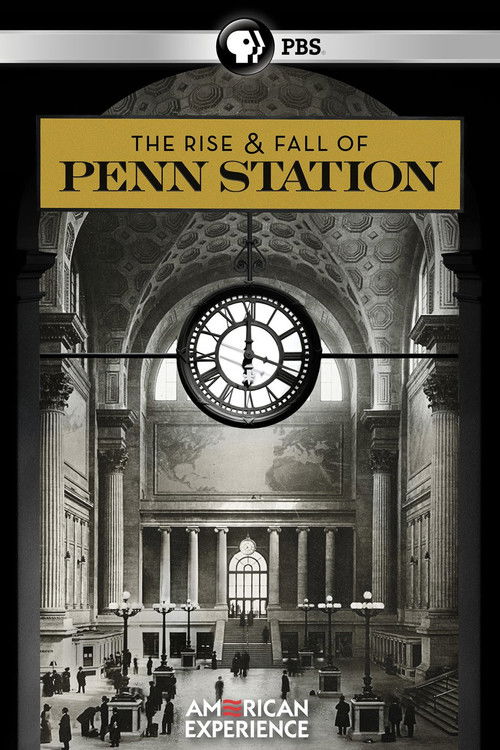
In 1910, the Pennsylvania Railroad successfully accomplished the enormous engineering feat of building tunnels under New York City's Hudson and East Rivers, connecting the railroad to New York and New England, knitting together the entire eastern half of the United States. The tunnels terminated in what was one of the greatest architectural achievements of its time, Pennsylvania Station. Penn Station covered nearly eight acres, extended two city blocks, and housed one of the largest public spaces in the world. But just 53 years after the station’s opening, the monumental building that was supposed to last forever, to herald and represent the American Empire, was slated to be destroyed.
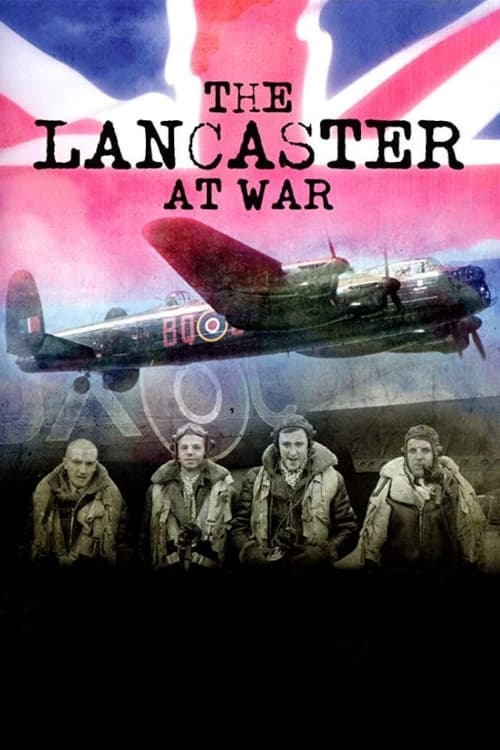
The incredible story of the Avro Lancaster, one of the finest bombers of the Second World War, which played a crucial role in the long and savage campaign to defeat Hitler's Third Reich. This documentary features interviews with surviving veterans of Bomber Command, who share frank personal accounts of their part in an aerial battle of attrition which claimed the lives of 55'000 aircrew.
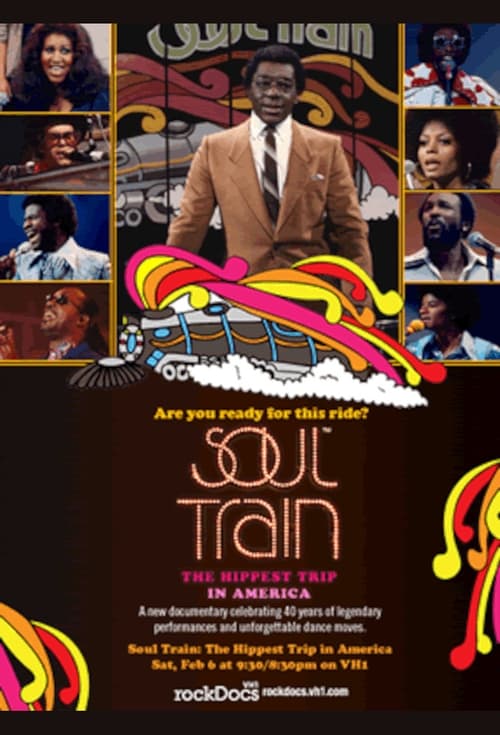
When it debuted in October 1971, seven years after the Civil Rights Act, Soul Train boldly went where no variety show had gone before, showcasing the cultural preferences of young African-Americans and the sounds that defined their lives: R&B, funk, jazz, disco, and gospel music. The brainchild of radio announcer Don Cornelius, the show’s producer and host, Soul Train featured a diverse range of stars, from James Brown and David Bowie to Christine Aguilera and R. Kelly; Marvin Gaye and Elton John to the New Kids on the Block and Stevie Wonder.
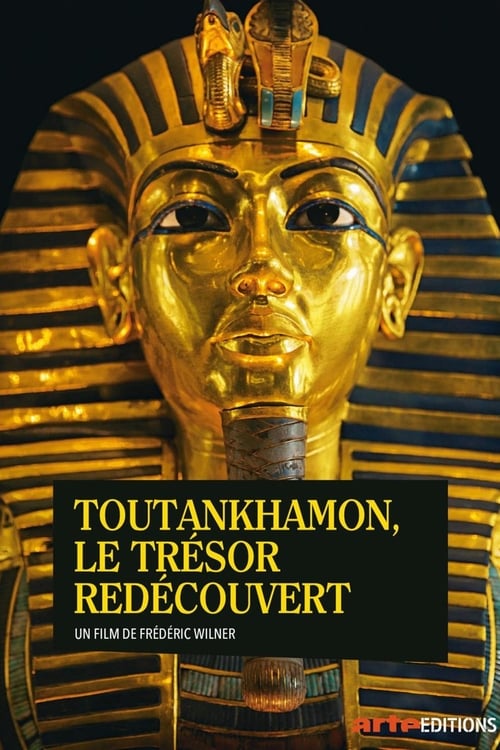
The legendary treasure of Tutankhamun, which contains over 5,000 objects, including 2,000 pieces of jewelry and goldsmith's work, was discovered in 1922 by the British archaeologist Howard Carter. Now the pharaoh's treasure reveals a new secret: hidden traces of a mysterious pharaohess. In addition, a British archaeologist is said to have stolen some of the grave goods...
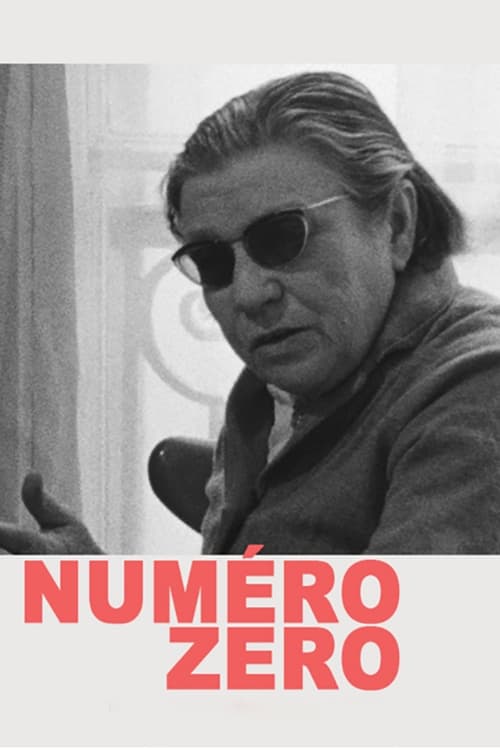
A family portrait in which the director profiles his grandmother, Odette Robert. Eustache includes in the film the conditions of its production — he is seated at the table with her, pours her some whiskey, speaks with the camera operator, manipulates the clapboard at the head and tail of the reels, and even takes a phone call. Robert, who was seventy-one, speaks rapidly and tells the story of her life, starting from her early childhood in villages in the Bordeaux region of France. A shorter version of the film ("Odette Robert") was edited in 1980 to be broadcast on television on TF1. The complete film only gained exposure in 2002, when it was salvaged by Boris Eustache, Thierry Lounas, João Bénard da Costa, Jean-Marie Straub, and Pedro Costa.
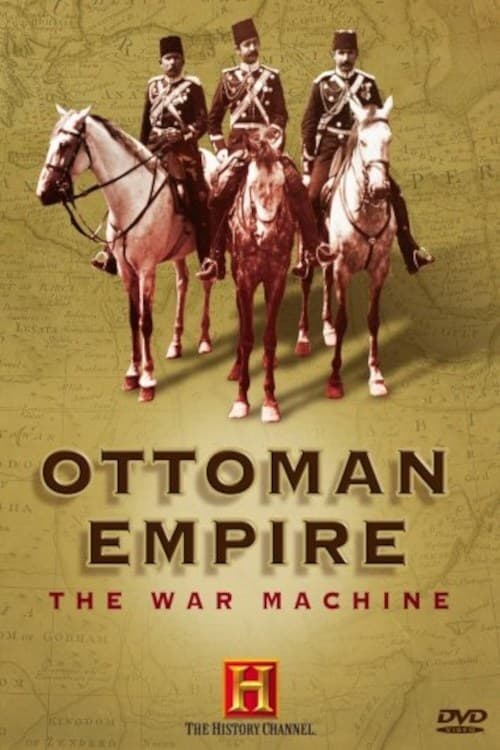
This History Channel documentary traces the Ottoman Empire from its beginnings in the 14th century to its incarnation as one of the largest empires in history, spanning three continents.
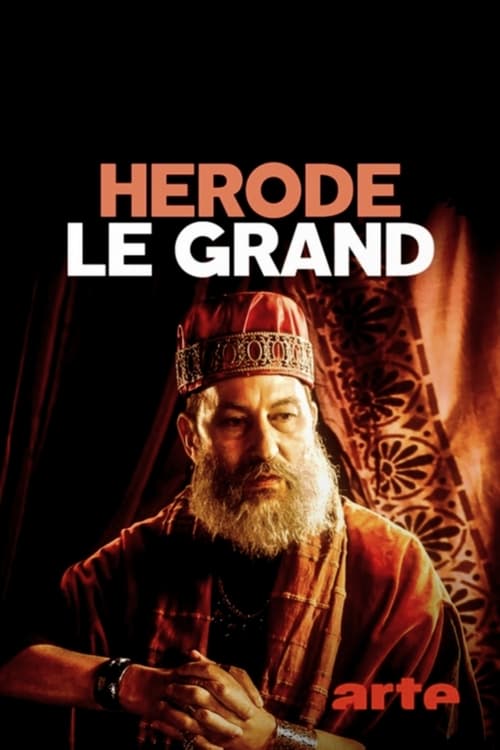
An account of the reign of Herod the Great, king of Judea under the rule of the Roman Empire, remembered for having ordered, according to the Gospel of Matthew, the murder of all male infants born in Bethlehem at the time of the birth of Jesus, an unproven event that is not mentioned by Titus Flavius Josephus, the main historian of that period.
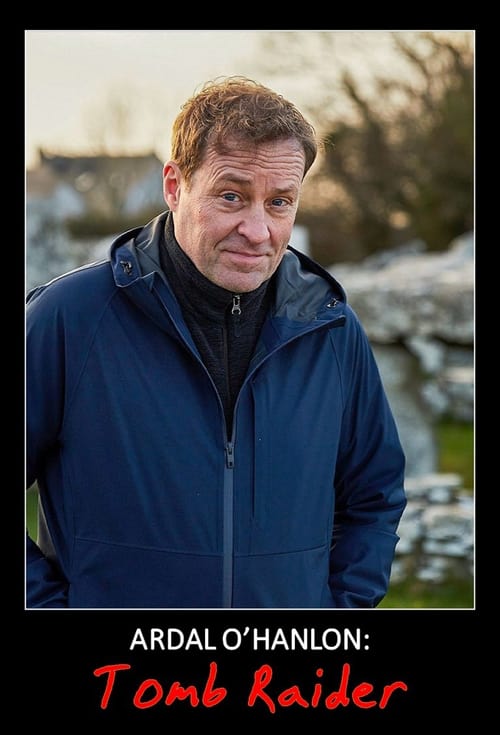
Ardal O’Hanlon explores a 1930s quest to find the first Irish men and women using archaeology, answering his deepest questions about what it means to be Irish.
Huelva, Spain, an isolated region lost in time. The grass, the sand and the sky are the same that those foreigners saw in the spring of 1895, when they crossed the sea from a distant country to mark the unspoiled terrain and extract its wealth, when the tower was new, when people could climb to the top of the highest dune and imagine that the city of Tartessos was still there, in the distance, almost invisible in the morning brume.
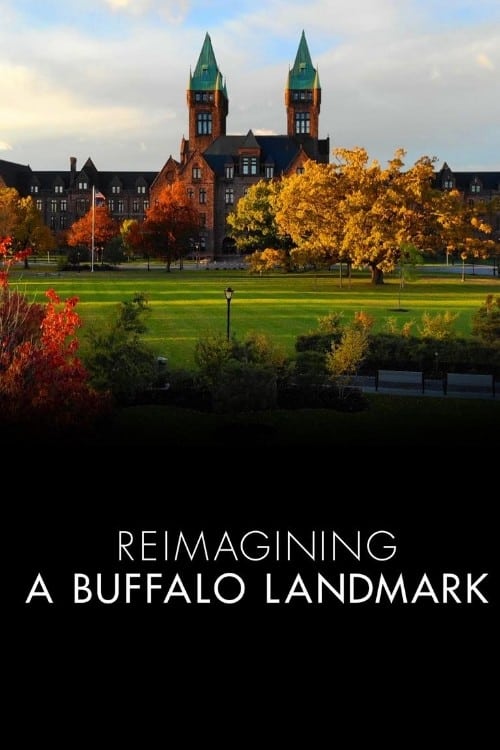
The Richardson Olmsted Campus, a former psychiatric center and National Historic Landmark, is seeing new life as it undergoes restoration and adaptation to a modern use.
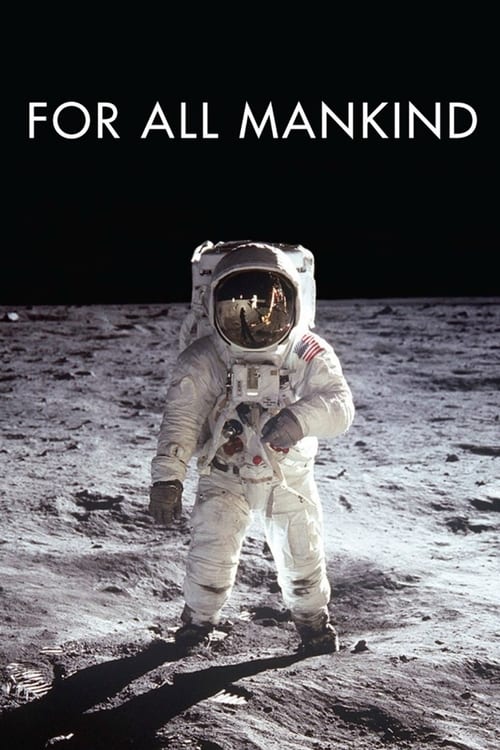
A testament to NASA's Apollo program of the 1960s and '70s. Composed of actual NASA footage of the missions and astronaut interviews, the documentary offers the viewpoint of the individuals who braved the remarkable journey to the moon and back.
Filmed in IMAX, a young Mayan boy who lives close to the ruins becomes acquainted with an archaeologist (Guerra) and asks her to tell him about his ancestors. The crew travelled to over 15 locations in Mexico and Guatemala, including Tulum and Chichén Itzá.
No Cast found.